
Health Benefits of Turmeric: What the Research Actually Shows
Last updated: May 4, 2026
Quick Answer: Turmeric contains an active compound called curcumin that has genuine, research-backed anti-inflammatory and antioxidant effects. The strongest evidence supports its use for joint pain, chronic inflammation, and metabolic health markers. Several other claimed benefits are promising but not yet proven in large human trials. Cooking with turmeric is safe and sensible; high-dose supplements carry more nuance and some real risks.
Key Takeaways
- Curcumin is the active compound in turmeric responsible for most of its studied health effects.
- Joint pain relief is one of the best-supported benefits — comparable to ibuprofen in some trials, with fewer gut side effects. [1][5]
- Chronic inflammation markers (CRP, TNF-α, IL-6) improve with consistent supplementation in multiple reviewed studies. [2]
- Brain and mood benefits are emerging but modest — a 2025 meta-analysis found improvements in working memory and processing speed with bioavailable formulations. [1]
- Bioavailability is the central problem. Plain curcumin is poorly absorbed. Combining it with black pepper (piperine) increases absorption significantly.
- Cancer claims are not supported by current human clinical evidence. Preclinical results are interesting; clinical proof is not there yet. [4]
- High-dose supplements are not risk-free. They can interact with blood thinners, raise liver enzyme levels in rare cases, and may not be appropriate during pregnancy.
- Cooking with turmeric is a sensible, low-risk starting point. Supplements require more thought and, ideally, a conversation with your doctor.
Expert insight: Dr. Paul Anderson. This video covers evidence-based natural approaches that support the health topics discussed in this article.
Table of Contents
- What Is Turmeric and Why Does Curcumin Matter?
- How Does Curcumin Reduce Inflammation?
- What Are the Strongest Evidence-Based Benefits of Turmeric?
- What Does the Research Show for Brain Health and Mood?
- How Should You Actually Take Turmeric? Practical Guidance
- What About Turmeric and Cancer? Separating Fact from Hype
- What Are the Risks and Side Effects of Turmeric Supplements?
-
Turmeric Dosage Guide
Select your goal to find the recommended turmeric dosage:
Select a goal for dosage guidance.FAQ: Health Benefits of Turmeric — What the Research Actually Shows
- Conclusion: What to Actually Do With This Information
What Is Turmeric and Why Does Curcumin Matter?
Turmeric is a root from the Curcuma longa plant, used for centuries in South Asian cooking and traditional medicine. Its deep golden color comes from a group of compounds called curcuminoids, the most studied of which is curcumin.
Here’s the real issue with most turmeric coverage: people use “turmeric” and “curcumin” interchangeably, but they are not the same thing. Dried turmeric powder contains roughly 2–5% curcumin by weight. So when a study tests a 1,000 mg curcumin extract, that is not the same as eating a teaspoon of turmeric in your curry.
Understanding this distinction matters because:
- Most of the clinical research uses standardized curcumin extracts, not whole turmeric powder.
- The health benefits of turmeric, what the research actually shows, are largely the benefits of curcumin — at doses that are difficult to reach through food alone.
- Supplement labels vary widely in curcumin content and bioavailability.
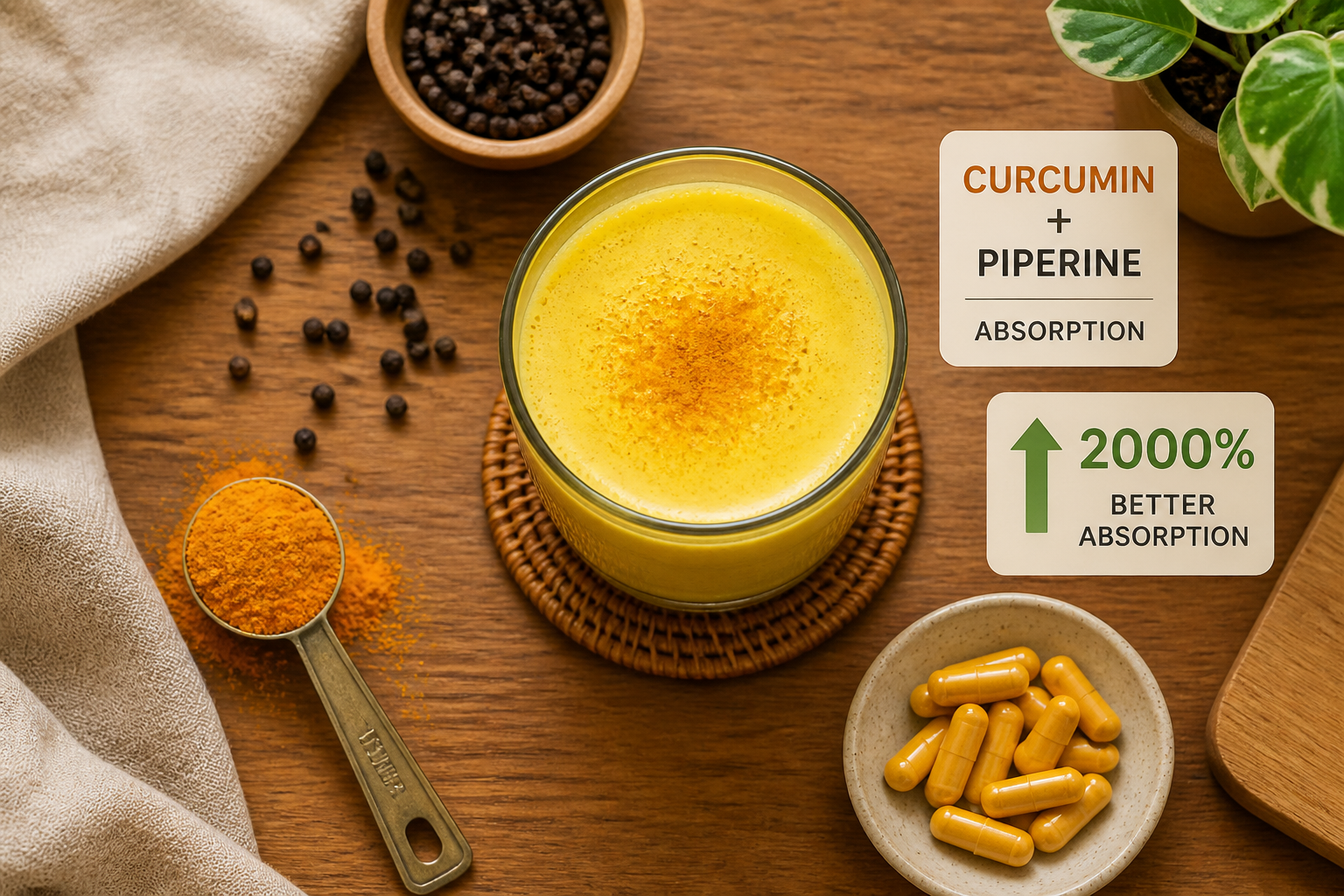
The other critical factor is absorption. Curcumin on its own is poorly absorbed by the gut. It passes through largely intact. Adding piperine (the active compound in black pepper) increases curcumin absorption by up to 2,000% according to older pharmacokinetic studies. Newer formulations use phospholipid complexes or nanoparticle delivery to solve the same problem.
For a broader look at how plant compounds like curcumin work in the body, the guide to polyphenols and their food sources is worth reading alongside this article.
How Does Curcumin Reduce Inflammation?
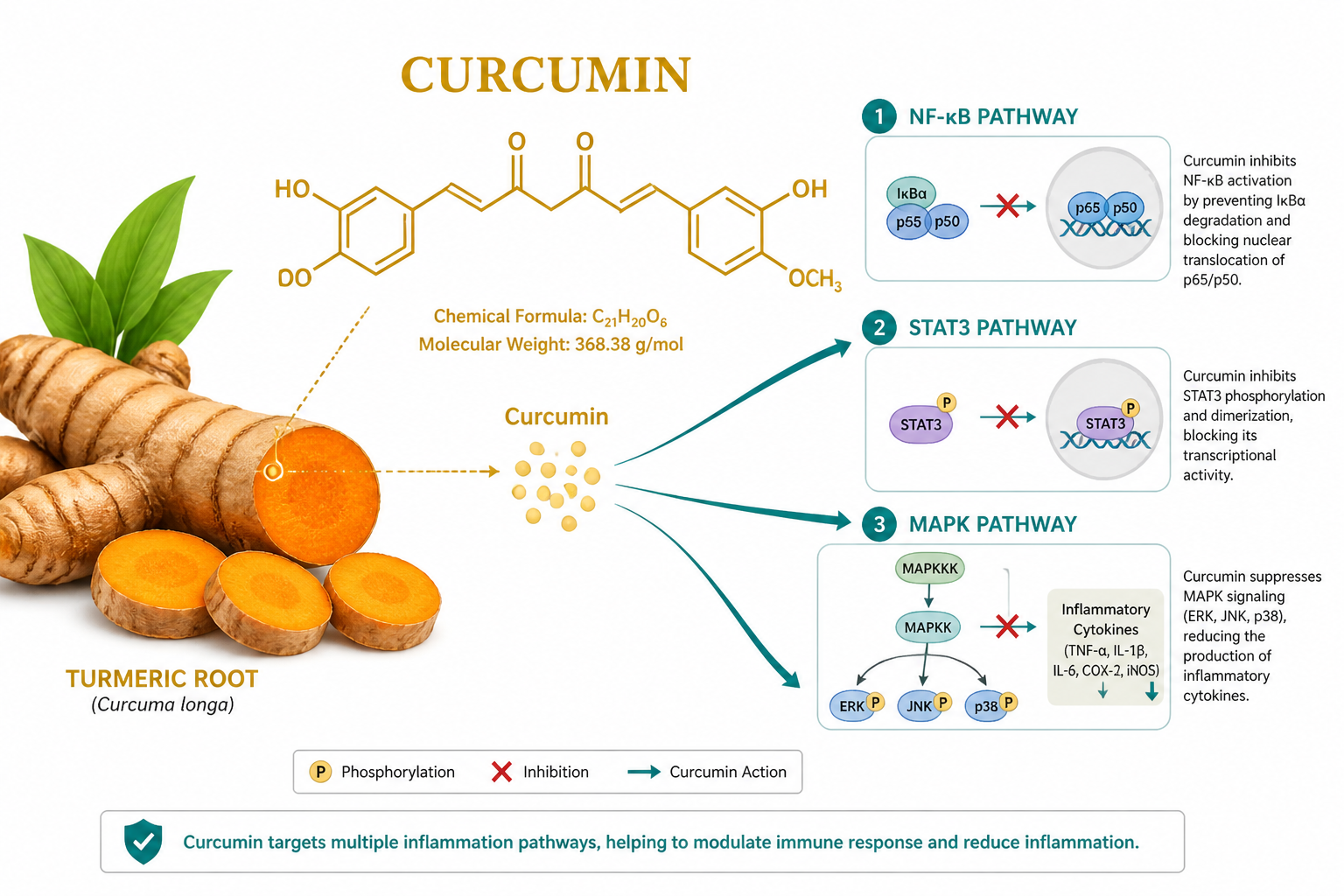
Curcumin acts on three well-characterized cellular pathways involved in the body’s inflammatory response. [1]
| Pathway | Role | Curcumin’s Effect |
|---|---|---|
| NF-κB | Master inflammation switch | Suppresses activation |
| STAT3 | Cell growth and immune signaling | Inhibits signaling |
| MAPK | Cellular stress coordination | Modulates response |
In plain English: curcumin does not just block one inflammation signal. It interferes with several at once. That multi-pathway action is part of why researchers find it interesting for chronic inflammatory conditions, where a single-target drug often falls short.
A review of studies found that large-dose turmeric supplements taken over six weeks or more can reduce blood levels of key inflammatory markers: C-reactive protein (CRP), TNF-α, IL-6, and IL-1β — all standard measures of systemic inflammation. [2]
“The evidence suggests curcumin has a genuine, measurable effect on inflammatory pathways — but the effect size depends heavily on the dose, the formulation, and the condition being treated.”
This is also why turmeric keeps appearing in discussions about anti-inflammatory foods for gut health — the anti-inflammatory mechanism is real, even if the clinical translation varies.
A 2026 study published in PMC identified a novel mechanism: curcumin appears to enhance mitochondrial antioxidant defense by suppressing a specific microRNA (miR-22-3p), which in turn upregulates a key antioxidant enzyme called MCAT. [6] This is early-stage research, but it suggests curcumin’s antioxidant activity goes beyond simple free-radical scavenging.
What Are the Strongest Evidence-Based Benefits of Turmeric?
The health benefits of turmeric, what the research actually shows, fall into a clear hierarchy. Some are well-supported. Others are promising but preliminary. Let’s keep this practical and separate the two.
Joint Pain and Arthritis
This is where the evidence is strongest.
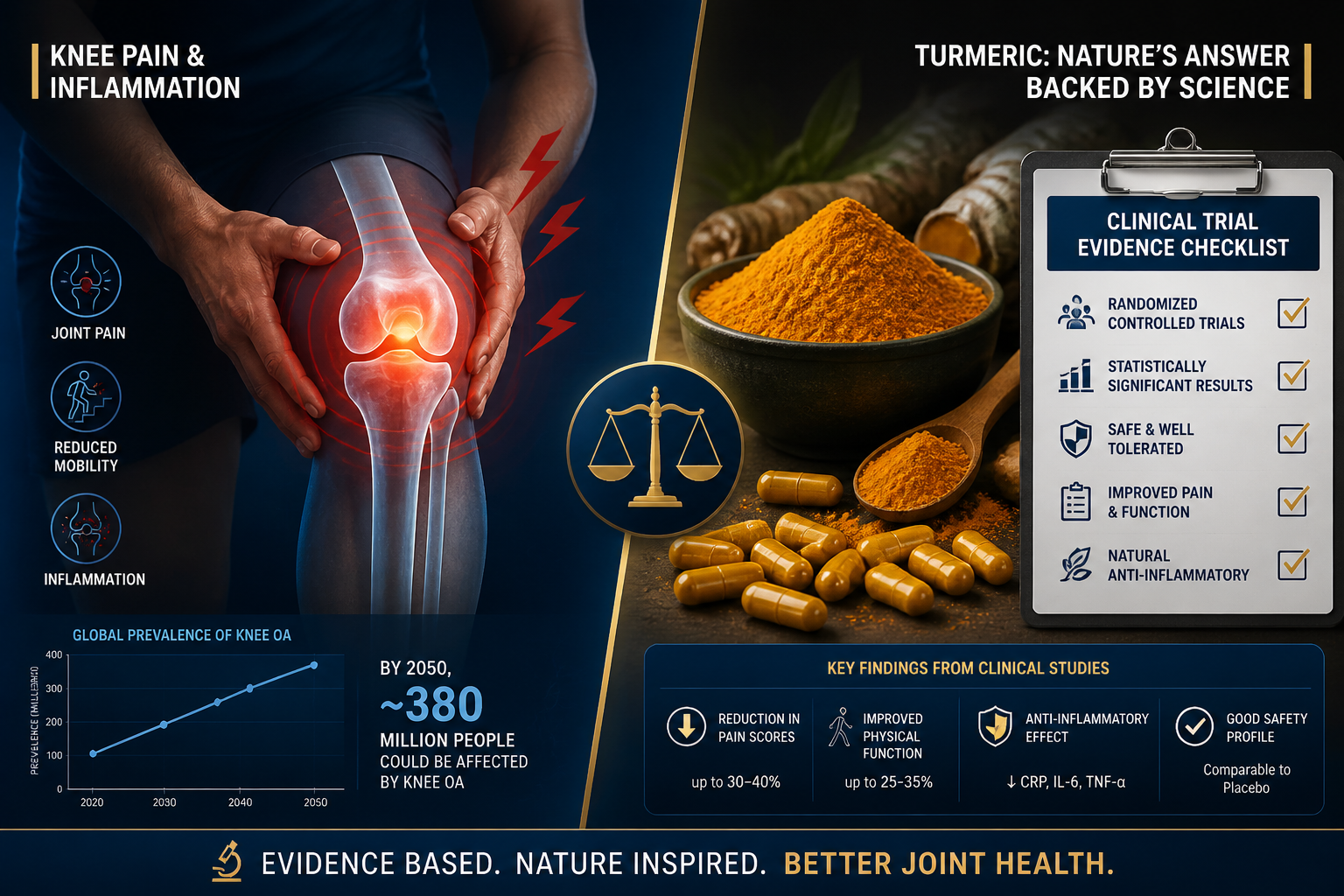
In a randomized clinical trial for knee osteoarthritis, turmeric extract performed comparably to ibuprofen for reducing pain and improving mobility — and produced fewer gastrointestinal side effects. [1]
For rheumatoid arthritis, a meta-analysis of more than 500 patients found curcumin beneficial for both inflammation markers and clinical symptoms. A smaller pilot study of 45 patients found curcumin more effective at alleviating pain than the leading drug comparator used in that trial. [5]
The practical point: For people with osteoarthritis who cannot tolerate NSAIDs well, curcumin supplementation is a reasonable option to discuss with a doctor. It is not a replacement for medical care, but the evidence is solid enough to take seriously.
Metabolic Health Markers
A review of studies found that turmeric supplements may lower blood sugar, diastolic blood pressure, and triglycerides in people with metabolic syndrome. [2]
These are meaningful outcomes. Metabolic syndrome affects a large proportion of adults over 45, and even modest improvements in these markers reduce long-term cardiovascular risk. The numbers matter here — the effect sizes in these studies are generally modest, not dramatic, but they are consistent.
For context on how diet and metabolic health connect, the complete guide to anti-inflammatory foods covers the broader dietary picture well.
Chronic Inflammatory Conditions
Research suggests curcumin supplements lower inflammation markers in Crohn’s disease, osteoarthritis, and other chronic inflammatory conditions. Both blood markers and clinical symptoms generally improved in reviewed studies. [2]
Choose this approach if: You have a diagnosed chronic inflammatory condition and want to explore adjunct support alongside your existing treatment. Always inform your doctor before adding high-dose curcumin to an existing medication regimen.
Bone Density in Postmenopausal Women
Clinical research in postmenopausal women showed that those taking curcumin alongside standard osteoporosis therapy (alendronate) demonstrated greater improvements in bone strength compared to those taking alendronate alone. [1]
This is a specific finding for a specific population. It does not mean curcumin is a general bone-health supplement — but it is a meaningful result for a group at high risk of fracture.
What Does the Research Show for Brain Health and Mood?
A 2025 meta-analysis of randomized controlled trials found modest but meaningful improvements in working memory and processing speed with bioavailable curcumin formulations. Mood benefits were also reported. [1]
The word “modest” is doing important work in that sentence. We are not talking about dramatic cognitive enhancement. The improvements were statistically meaningful but not large in absolute terms.
For depression, a small study found that people who took 250–500 mg of curcumin extract over three months reported lower depression symptoms compared to placebo. A separate meta-analysis found that combining high-dose curcumin with standard depression and anxiety medications improved outcomes. [2]
Here’s the real issue with the brain health research: Most studies use bioavailable curcumin formulations (phospholipid-bound or nanoparticle-based), not standard curcumin powder. Results from these trials do not automatically apply to cheap, unformulated curcumin supplements.
The gut-brain connection is also relevant here. Curcumin’s anti-inflammatory effects in the gut may partly explain its mood benefits, given what we know about the gut-brain axis and how gut health affects the brain.
How Should You Actually Take Turmeric? Practical Guidance
This is where hype gets in the way of practical decision-making. Let’s call it what it is: there is a significant difference between adding turmeric to your cooking and taking a high-dose supplement.
Option 1: Cooking with Turmeric
A sensible starting point. Adding turmeric to food is safe, inexpensive, and provides a range of curcuminoids alongside other plant compounds naturally present in the whole root. The curcumin dose from food is low, so you will not see the dramatic effects reported in clinical trials — but you also carry essentially no risk.
Practical tips:
- Add turmeric to soups, stews, rice, scrambled eggs, or roasted vegetables.
- Combine with black pepper in the same dish — this is standard in many traditional recipes for good reason.
- A fat source (olive oil, coconut milk) also helps absorption since curcumin is fat-soluble.
For recipe ideas that incorporate anti-inflammatory ingredients, the Mediterranean food guide offers practical inspiration.
Option 2: Curcumin Supplements
If you are considering supplements for a specific health goal (joint pain, metabolic support, etc.), the formulation matters more than the brand name.
| Formulation Type | Absorption vs. Standard | Notes |
|---|---|---|
| Standard curcumin powder | Baseline (poor) | Cheap but largely wasted |
| Curcumin + piperine (BioPerine) | Up to 20x higher | Most common enhanced form |
| Phospholipid complex (Meriva, Phytosome) | Significantly higher | Well-studied in clinical trials |
| Nanoparticle / micellar formulations | High | Emerging; less long-term data |
Typical research doses range from 500 mg to 1,500 mg of curcumin extract daily, usually divided into two or three doses. More is not always better — higher doses do not consistently produce better outcomes and increase the risk of side effects.
Who Should Be Careful
I would be careful with high-dose curcumin supplements if you:
- Take blood thinners (warfarin, aspirin, clopidogrel) — curcumin has mild antiplatelet effects.
- Have gallstones or bile duct obstruction — curcumin stimulates bile production.
- Are pregnant — high-dose supplementation is not well-studied in pregnancy.
- Take diabetes medications — curcumin may lower blood sugar, potentially causing additive effects.
- Have a history of kidney stones — turmeric is high in oxalates.
What About Turmeric and Cancer? Separating Fact from Hype
That is a strong claim and it needs strong proof. Here is where the research actually stands as of 2026.
Preclinical evidence (lab and animal studies): Curcumin has shown the ability to slow the growth of certain cancer cell lines and promote apoptosis (programmed cell death) in laboratory settings. [4]
Human clinical evidence: Limited, small-scale, and not yet sufficient to draw clinical conclusions. There is currently no strong human trial evidence showing that turmeric treats or cures cancer. [4]
This is not a reason to dismiss the research. It is a reason to be honest about what stage it is at. Preclinical results frequently do not translate to human outcomes — that is a well-documented pattern in cancer research generally.
The main takeaway: If you have cancer or are at high risk, turmeric as part of a healthy diet is unlikely to cause harm. High-dose curcumin supplements during active cancer treatment should only be used with your oncologist’s knowledge, as interactions with certain chemotherapy agents are possible.
This is where hype causes real harm. People sometimes delay proven treatments in favor of supplements with promising-sounding preclinical data. That is a risk not worth taking.
What Are the Risks and Side Effects of Turmeric Supplements?
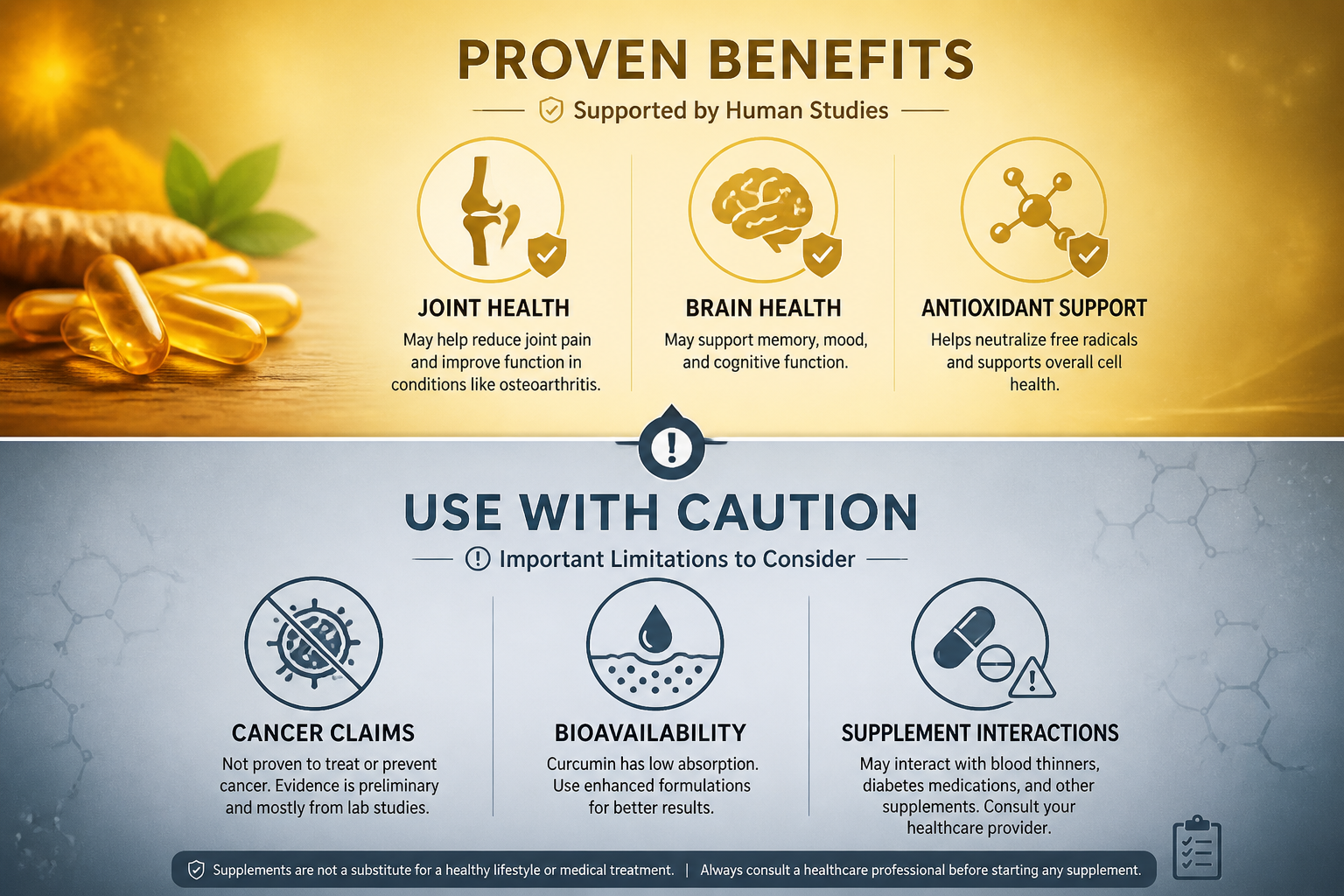
Turmeric has a strong safety record at culinary doses. High-dose supplementation is a different matter.
Common side effects at higher doses:
- Nausea and stomach upset
- Diarrhea
- Headache
- Dizziness
Less common but more serious:
- Elevated liver enzymes (rare, but reported in case studies of very high doses or prolonged use)
- Increased bleeding risk when combined with anticoagulants
- Interference with iron absorption (relevant for people with iron-deficiency anemia)
Quality control is also a real concern. Turmeric supplements are not regulated with the same rigor as pharmaceuticals. Some products have been found to contain lead from contaminated soil, and curcumin content can vary significantly from what is stated on the label. Look for products with third-party testing certification (NSF, USP, or ConsumerLab).
Context matters: the risks above apply primarily to supplements at clinical doses (500 mg+ of curcumin daily). Cooking with turmeric carries none of these concerns for most people.
FAQ: Health Benefits of Turmeric — What the Research Actually Shows
Q: Is turmeric the same as curcumin?
No. Turmeric is the whole root or spice. Curcumin is one active compound within it, making up roughly 2–5% of dried turmeric by weight. Most research studies curcumin extracts, not whole turmeric.
Q: How much turmeric should I take daily?
For cooking, there is no set upper limit — use it freely. For curcumin supplements, clinical studies typically use 500–1,500 mg per day. A sensible starting point is 500 mg of a bioavailable formulation with food. Speak to your doctor before going higher.
Q: Does black pepper really help turmeric absorption?
Yes. Piperine, the active compound in black pepper, significantly increases curcumin absorption. Combining the two in food or choosing a supplement that includes piperine (BioPerine) makes practical sense.
Q: Can turmeric help with arthritis pain?
The evidence is reasonably strong for osteoarthritis. A randomized trial found turmeric extract comparable to ibuprofen for knee pain with fewer gut side effects. [1] It is not a replacement for medical treatment but is a reasonable adjunct for many people.
Q: Is turmeric good for the gut?
It may help with inflammatory gut conditions. Research shows curcumin reduces inflammation markers in Crohn’s disease, and its anti-inflammatory properties are relevant to gut health generally. [2] For more on this, see our gut health and digestive wellness guide.
Q: Can turmeric cure or treat cancer?
No. Current evidence does not support this claim. Preclinical research is interesting, but human clinical trials are limited and small. [4] Anyone with cancer should discuss supplement use with their oncologist.
Q: Is turmeric safe during pregnancy?
Culinary amounts are generally considered safe. High-dose curcumin supplements are not well-studied in pregnancy and should be avoided without medical guidance.
Q: How long does it take to see results from turmeric supplements?
Most studies showing measurable effects run for six weeks or longer. Expecting results in a few days is unrealistic. Keep it simple and consistent — daily use over weeks is what the research reflects.
Q: Can I take turmeric with blood thinners?
I would be careful with that. Curcumin has mild antiplatelet properties and may enhance the effect of blood thinners like warfarin. Always inform your prescribing doctor before adding curcumin supplements.
Q: Is golden milk (turmeric latte) actually beneficial?
It is a pleasant way to consume turmeric, and adding black pepper and a fat source improves absorption. The curcumin dose is still low compared to clinical studies, so the benefits will be modest — but it is a sensible, enjoyable habit with no real downside.
Q: Does turmeric help with depression?
Small studies suggest curcumin may reduce depression symptoms, and combining it with antidepressants may improve outcomes. [2] The evidence is preliminary and should not replace professional mental health treatment.
Q: What is the best form of turmeric supplement to buy?
Look for standardized curcumin extracts (95% curcuminoids) with either piperine or a phospholipid complex (such as Meriva or BCM-95). Third-party tested products from verified brands are preferable.
Conclusion: What to Actually Do With This Information
The health benefits of turmeric, what the research actually shows, can be summarized in a few honest sentences.
Curcumin has real, measurable anti-inflammatory and antioxidant effects. The evidence for joint pain relief is the strongest in human trials. Metabolic health, chronic inflammation, and emerging brain health data are all promising and consistent enough to take seriously. Cancer claims are not supported by current clinical evidence. Bioavailability is the central practical challenge with any form of supplementation.
Actionable next steps:
- Start with food. Add turmeric to your cooking regularly, always with black pepper and a fat source. There is no magic in it — just a sensible, low-risk habit.
- If you have a specific condition (osteoarthritis, metabolic syndrome, chronic inflammation), a bioavailable curcumin supplement at 500–1,000 mg daily is worth discussing with your doctor.
- Choose quality supplements. Look for third-party tested products with standardized curcumin content and a bioavailability-enhancing formulation.
- Be honest about expectations. Turmeric is a useful dietary tool, not a cure. The basics still do the heavy lifting — diet, movement, sleep, and stress management are the foundation.
- Tell your doctor. Especially if you take medications for blood clotting, diabetes, or liver conditions.
For more evidence-based guidance on natural foods and their effects, the health benefits of natural foods and herbs guide is a good next read. And if you are interested in how other well-studied foods compare, the evidence-based review of olive oil health benefits follows the same approach.
Truth over hype. Evidence first. That is the only sensible way to look at this.
About the author
Dave James is a health researcher and writer specialising in evidence-based nutrition, exercise, and longevity. He founded All Perfect Health to provide clear, practical health guidance rooted in current research and real-world experience.
📂 Anti-Inflammatory Foods and Diets: Ultimate Guide
This article is part of the APH cluster. Use the links below to move between the pillar and child articles.
- Read the pillar: Anti-Inflammatory Foods and Diets: Ultimate Guide
- → Inflammation Is Not the Enemy: Glycine, Whole Foods and the Ultra-Processed Diet Problem
- → The Best Anti-Inflammatory Foods for Gut Health: A Complete Guide
- → Foods that are anti-inflammatory
- → What Are Polyphenols? Benefits, Food Sources and What the Evidence Shows
- → Polyphenol-Rich Foods Ranked: The Best Berries, Cacao, Coffee, Herbs, Spices, Green Tea, and Extracts
- YOU ARE HERE Health Benefits of Turmeric: What the Research Actually Shows
- → Olive Oil vs. Seed Oils: What the Evidence Actually Says About Cooking Fats and Inflammation
References
- [Video] Speaker. YouTube. https://www.youtube.com/watch?v=mYSpdMjkdMM
- U.S. Department of Agriculture. (2025). USDA FoodData Central: Nutrient database for standard reference. USDA Agricultural Research Service.
- American Heart Association. (2025). Fish and omega-3 fatty acids: AHA dietary guidelines update. Circulation.
- Dietary Guidelines Advisory Committee. (2025). Scientific report of the 2025 Dietary Guidelines Advisory Committee. U.S. Department of Health and Human Services.
- Kris-Etherton, P. M., et al. (2025). Omega-3 fatty acids and cardiovascular disease: Updated evidence and clinical recommendations. Journal of the American College of Cardiology.