
7 Evidence-Based Health Benefits of Avocados (Heart, Brain & More)
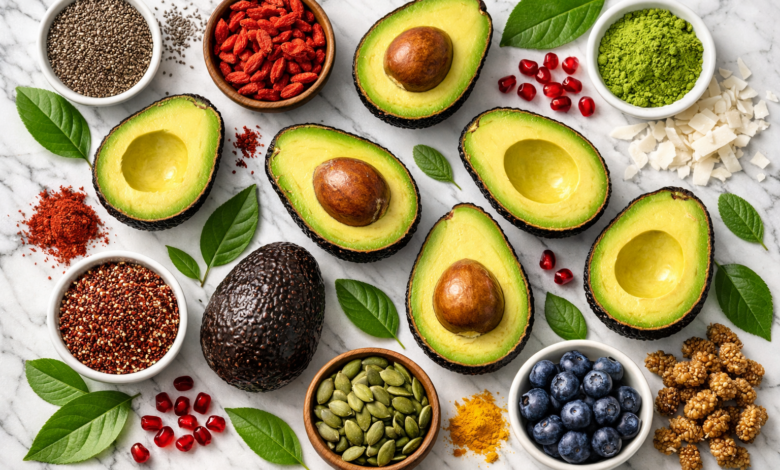
Avocados have earned their superfood status — and the science backs it up. Once a regional staple of Mexico and Central America, Persea americana has become one of the most consumed fruits on the planet. Global avocado production surpassed 8.9 million metric tons in 2023, and demand continues to climb as more people discover what nutritionists have known for decades: this creamy, buttery fruit is a nutritional powerhouse hiding in plain sight.
Incorporating avocados into your diet is essential for understanding the various Avocado Benefits.
But beyond the trendy toast and the Instagram-worthy guacamole bowls, what do avocados actually do for your body? The answer is more impressive than most people realize. From protecting your heart to supporting fetal development, reducing inflammation, and even playing a role in cancer prevention — the health benefits of avocado and Avocado Benefits are broad, well-researched, and genuinely transformative when incorporated consistently into your diet.
Avocado Benefits include improved heart health, with studies showing that regular consumption can lead to better cardiovascular outcomes.
This guide breaks down exactly why avocados deserve a permanent place on your plate, backed by current research, clear nutritional data, and practical advice you can use starting today.
Let’s explore the Avocado Benefits that make this fruit a must-have in healthy eating.
What Makes Avocado Unique Among Fruits?
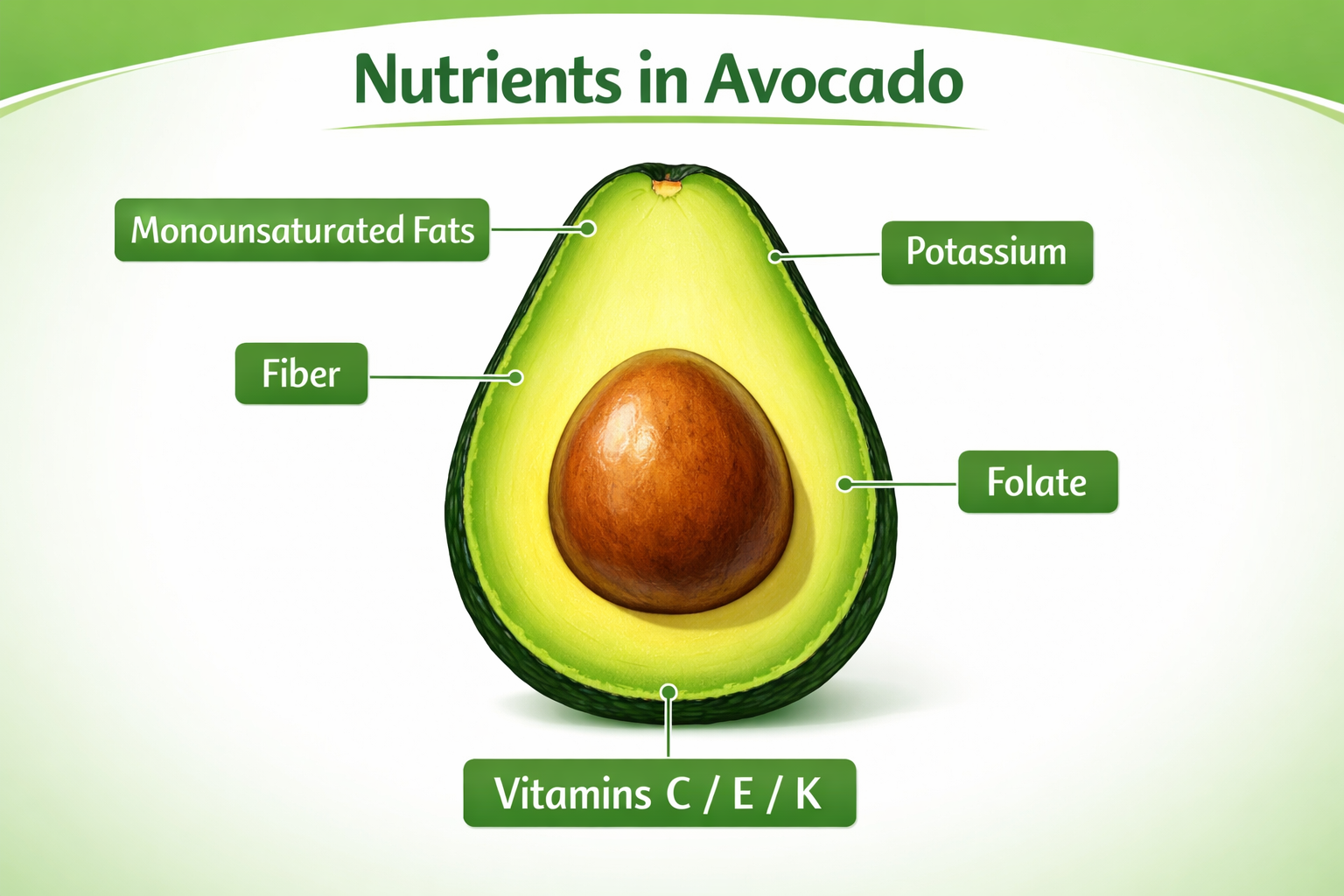
Most fruits derive the bulk of their calories from carbohydrates and natural sugars. Avocados are a dramatic exception. Roughly 77% of the calories in an avocado come from fat — specifically, heart-healthy monounsaturated fatty acids (MUFAs). This unusual macronutrient profile is one of the key reasons avocados offer benefits that most other fruits simply cannot.
The unique nutrient profile of avocados contributes to numerous Avocado Benefits that most fruits do not offer.
The most common variety you’ll find in supermarkets is the Hass avocado, characterized by its pebbly dark-green-to-black skin when ripe, and its rich, creamy flesh. Other varieties — including Fuerte, Bacon, and Reed — are also cultivated globally, though Hass accounts for approximately 80% of worldwide avocado consumption.
Avocados belong to the Lauraceae family — the same botanical family as cinnamon and bay laurel — and are technically classified as a large berry containing a single seed. Their unique fat content, combined with an impressive spectrum of vitamins, minerals, fiber, and antioxidants, sets them apart from virtually every other whole food.
Complete Nutritional Profile of Avocado
Understanding the nutritional profile is fundamental to appreciating the Avocado Benefits.
Before diving into specific benefits, it helps to understand exactly what you’re getting when you eat an avocado. A medium Hass avocado (approximately 150g) provides:
| Nutrient | Amount per Medium Avocado | % Daily Value |
|---|---|---|
| Calories | 240 kcal | — |
| Total Fat | 22g | 28% |
| Monounsaturated Fat | 15g | — |
| Dietary Fiber | 10g | 36% |
| Potassium | 690mg | 15% |
| Folate (B9) | 121mcg | 30% |
| Vitamin K | 28mcg | 23% |
| Vitamin C | 15mg | 17% |
| Vitamin E | 3mg | 20% |
| Vitamin B6 | 0.4mg | 24% |
| Magnesium | 39mg | 9% |
| Copper | 0.2mg | 22% |
What makes this profile extraordinary is not just the quantity of nutrients, but their bioavailability. The healthy fats in avocados enhance the absorption of fat-soluble vitamins (A, D, E, and K) from other foods eaten in the same meal — meaning avocados effectively amplify the nutritional value of your entire plate.
7 Incredible Health Benefits of Avocado
Many people are unaware of the extensive Avocado Benefits that support heart health.
Understanding Avocado Benefits for Your Health
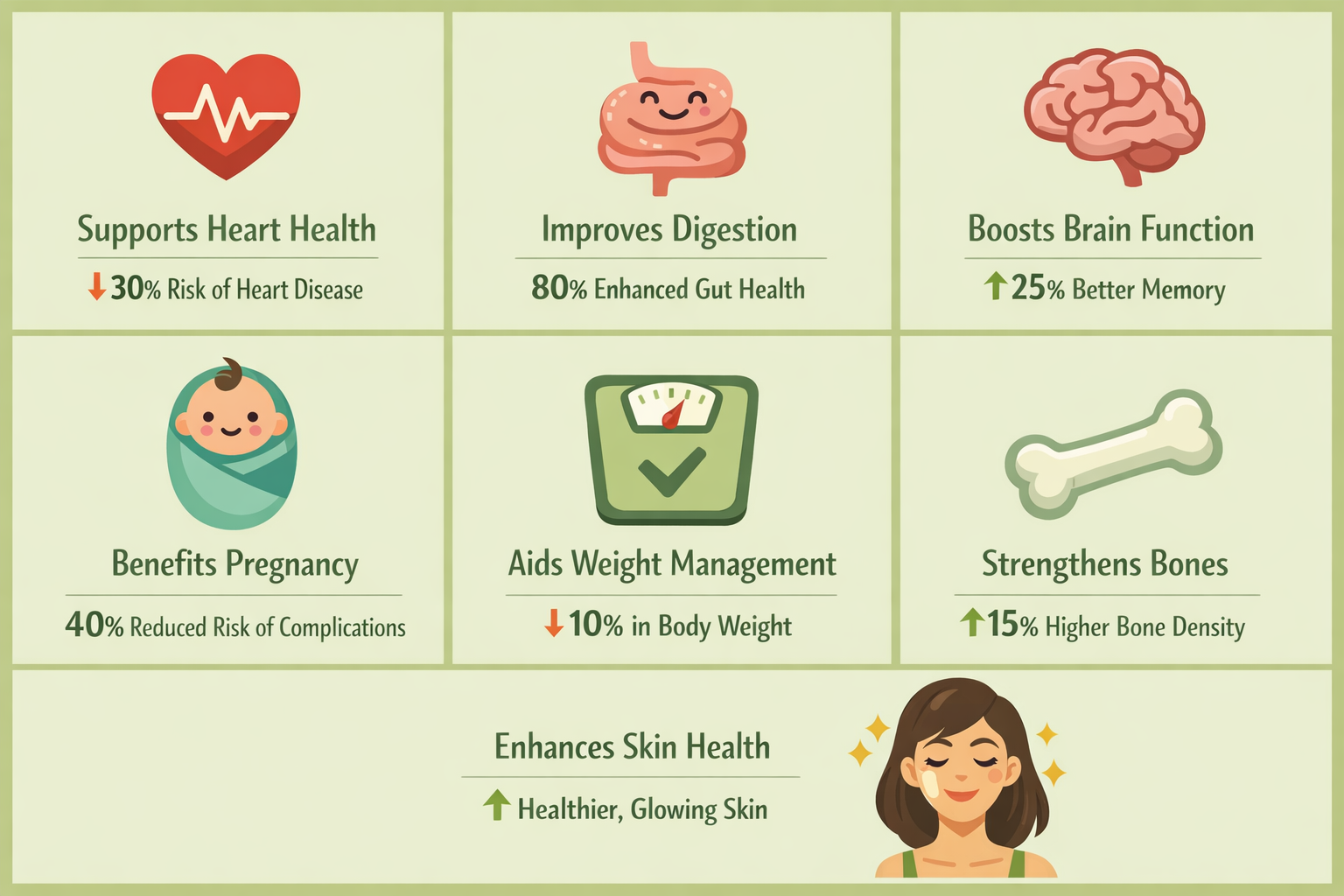
1. Avocados Support Exceptional Heart Health
Realizing the Avocado Benefits is vital for anyone looking to improve their overall health.
Cardiovascular disease remains the leading cause of death globally, accounting for approximately 17.9 million deaths per year according to the World Health Organization. Diet is one of the most modifiable risk factors — and avocados are among the most evidence-backed foods for heart protection.
Here’s how avocados work in your favor cardiovascularly:
- Monounsaturated fats lower LDL cholesterol. The oleic acid in avocados — the same fatty acid found in extra virgin — has been shown in multiple clinical trials to reduce low-density lipoprotein (LDL) cholesterol while simultaneously raising high-density lipoprotein (HDL) cholesterol.
- Potassium regulates blood pressure. A medium avocado delivers more potassium than a banana. Potassium counteracts the blood-pressure-raising effects of sodium by relaxing arterial walls and promoting sodium excretion through urine. Studies associate higher potassium intake with a 24% lower risk of stroke.
- Beta-sitosterol blocks cholesterol absorption. Avocados contain beta-sitosterol, a plant sterol that competes with dietary cholesterol for absorption in the gut, reducing the amount that enters the bloodstream.
- Anti-inflammatory compounds protect arterial walls. Chronic low-grade inflammation is a primary driver of atherosclerosis. The antioxidants and polyphenols in avocados help suppress the inflammatory pathways that damage blood vessels over time.
A 2022 study published in the Journal of the American Heart Association found that people who ate two or more servings of avocado per week had a 16% lower risk of cardiovascular disease and a 21% lower risk of coronary heart disease compared to those who rarely or never consumed avocados.
2. Avocados Are an Exceptional Source of Bioavailable Nutrients
Understanding the Avocado Benefits can help you make informed dietary choices.
The phrase “nutrient-dense” gets overused, but in the case of avocados, it genuinely applies. What makes avocados especially valuable is not just what they contain — it’s how effectively those nutrients are absorbed and utilized by the body.
Key vitamins and what they do:
- Folate (Vitamin B9): Critical for DNA synthesis and cell division. Particularly important during pregnancy (see Benefit #5).
- Vitamin K: Activates proteins essential for blood clotting and bone mineralization.
- Vitamin E: A potent fat-soluble antioxidant that protects cell membranes from oxidative damage.
- Vitamin C: Supports collagen synthesis, immune function, and iron absorption.
- Vitamin B6: Involved in over 100 enzymatic reactions, including neurotransmitter synthesis and immune regulation.
The fat-soluble nutrient amplifier effect:
A landmark study from Ohio State University demonstrated that adding avocado or avocado oil to a salad increased the absorption of alpha-carotene by 8.3x, beta-carotene by 13.6x, and lutein by 4.3x compared to a fat-free salad. This means that eating avocado alongside vegetables dramatically increases the nutritional return from your entire meal — not just from the avocado itself.
Pairing avocado with anti-inflammatory foods like leafy greens, tomatoes, and colorful vegetables creates a nutritional synergy that far exceeds the sum of its parts.
3. Avocados Promote a Thriving Gut Microbiome
Your gut microbiome — the community of trillions of bacteria living in your digestive tract — influences everything from immune function and mental health to metabolic rate and disease risk. Feeding those bacteria the right fuel is one of the most impactful things you can do for long-term health. Avocados are exceptionally well-suited to this task.
With its fiber-rich content, avocados provide significant Avocado Benefits for digestive health.
Why avocados are gut health champions:
-
- High fiber content. A medium avocado provides approximately 10 grams of dietary fiber — roughly 36% of the recommended daily intake. This fiber serves as prebiotic fuel for beneficial gut bacteria like Lactobacillus and Bifidobacterium.
- Fiber diversity matters. Avocados contain both soluble fiber (which forms a gel and feeds bacteria) and insoluble fiber (which adds bulk and supports regular bowel movements). This dual action supports comprehensive digestive wellness.
- Reduces harmful bile acid concentration. Research published in the Journal of Nutrition (2021) found that daily avocado consumption significantly reduced fecal bile acid concentration — a marker associated with gut inflammation and colorectal cancer risk.
The Avocado Benefits extend to promoting a diverse gut microbiome, essential for overall health.
- Increases microbial diversity. The same 2021 study found that avocado eaters had greater gut microbial diversity compared to control groups, with higher populations of bacteria that produce short-chain fatty acids (SCFAs) — compounds that nourish the gut lining and reduce systemic inflammation.
If you’re looking for natural ways to soothe your stomach and improve digestive regularity, adding half an avocado to your daily meals is one of the simplest and most effective dietary changes you can make.
4. Avocados Are Packed with Powerful Antioxidant and Anti-Inflammatory Compounds
Avocados contain antioxidants that contribute to various Avocado Benefits related to inflammation.
Chronic inflammation is the common thread connecting most major modern diseases — including heart disease, type 2 diabetes, Alzheimer’s disease, and cancer. Avocados contain an impressive arsenal of compounds that fight inflammation at the cellular level.
Key anti-inflammatory and antioxidant compounds in avocados:
- Oleic acid: The primary fatty acid in avocados, oleic acid inhibits the NF-κB inflammatory signaling pathway — one of the master regulators of inflammation in the body.
- Carotenoids: Avocados contain lutein, zeaxanthin, alpha-carotene, and beta-carotene. These fat-soluble pigments act as powerful antioxidants and are particularly beneficial for eye health.
- Vitamin E (tocopherols): Neutralizes free radicals in fatty tissues and cell membranes, preventing lipid peroxidation — a process linked to accelerated aging and disease.
- Vitamin C: Works synergistically with Vitamin E, regenerating oxidized Vitamin E molecules and providing water-soluble antioxidant protection.
- Glutathione: Avocados are one of the few dietary sources of glutathione — often called the “master antioxidant” — which plays a central role in detoxification and immune defense.
- Phytosterols: Compounds like beta-sitosterol reduce inflammatory markers including C-reactive protein (CRP).
For a deeper understanding of how dietary choices can reduce systemic inflammation, our anti-inflammatory foods guide provides a comprehensive framework you can apply immediately.
5. Avocados Support Healthy Weight Management
Regularly consuming avocados can lead to remarkable Avocado Benefits for weight management.
This might seem counterintuitive given that avocados are calorie-dense — but research consistently shows that regular avocado consumption is associated with lower body weight, smaller waist circumference, and reduced BMI.
Here’s the science behind why:
Satiety and appetite regulation:
- The combination of fiber and healthy fats in avocados slows gastric emptying, keeping you feeling full for longer.
- A study published in Nutrients found that participants who added half an avocado to their lunch reported 26% greater satisfaction and a 40% reduced desire to eat over the following five hours compared to those who ate a standard lunch without avocado.
Metabolic benefits:
- Monounsaturated fats support insulin sensitivity, helping the body manage blood sugar more effectively and reducing fat storage signals.
- Avocados have a glycemic index of approximately 15 — extremely low — meaning they cause minimal blood sugar spikes.
Displacement of processed foods:
- Research shows that avocado consumers tend to have higher overall diet quality, consuming more vegetables, fruits, and whole grains — and fewer processed foods — than non-consumers.
If you’re working toward a specific weight goal, incorporating avocados into a high-fiber diet for weight loss creates a powerful, sustainable foundation. For more structured guidance, explore our weight loss strategies that align with evidence-based nutrition principles.
Practical tip: Replace mayonnaise or butter with mashed avocado in sandwiches and wraps. You’ll reduce processed fat intake while increasing fiber, potassium, and healthy MUFAs — a straightforward upgrade with compounding benefits.
6. Avocados Provide Critical Support During Pregnancy and Breastfeeding
During pregnancy, the Avocado Benefits become even more pronounced due to essential nutrients.
Pregnancy dramatically increases the body’s demand for specific nutrients. Avocados happen to be exceptionally rich in several of the most critical ones — making them one of the most valuable foods an expectant mother can eat.
Folate — the neural tube protector:
Folate (Vitamin B9) is arguably the single most important nutrient in early pregnancy. It is essential for the proper closure of the neural tube — the embryonic structure that develops into the brain and spinal cord. Neural tube defects, including spina bifida and anencephaly, occur in the first 28 days after conception — often before a woman even knows she’s pregnant.
A medium avocado provides approximately 121 mcg of folate — about 30% of the recommended daily intake for pregnant women (600 mcg/day). Combined with other folate-rich foods, avocados can help pregnant women meet this critical requirement through diet alone.
Additional pregnancy benefits:
- Potassium (690mg per avocado): Reduces leg cramps — one of the most common complaints during the second and third trimesters.
- Vitamin B6: Helps alleviate nausea and morning sickness, which affects up to 80% of pregnant women.
- Healthy fats (DHA precursors): The monounsaturated fats in avocados support the development of the baby’s brain, nervous system, and eyes.
- Vitamin C and E: Strengthen the immune system of both mother and baby.
- Fiber: Reduces constipation — another extremely common pregnancy discomfort.
During breastfeeding, avocados continue to deliver value. The healthy fats transfer into breast milk, supporting ongoing neurological development in newborns. The caloric density also helps nursing mothers maintain their own energy levels during a physically demanding period.
7. Avocados Promote Radiant Skin, Bone Health, and May Aid Cancer Prevention
Among the many Avocado Benefits are improvements in skin quality and hydration.
The health benefits of avocado extend beyond internal systems to visible, surface-level improvements — particularly in skin quality and appearance.
Skin Health
Avocados are rich in nutrients that directly support skin structure, hydration, and protection:
- Vitamin E protects skin cell membranes from UV-induced oxidative damage and helps maintain the skin’s natural moisture barrier.
- Vitamin C is essential for collagen synthesis — the structural protein that keeps skin firm, elastic, and youthful. Collagen production naturally declines with age, and adequate Vitamin C intake is one of the most effective dietary strategies for slowing this process.
- Monounsaturated fats increase the lipid content of the skin’s outermost layer (the stratum corneum), improving moisture retention and reducing transepidermal water loss.
- Lutein and zeaxanthin filter harmful blue light and UV radiation, providing additional photoprotection from within.
- Biotin (Vitamin B7): Present in avocados, biotin supports healthy skin, hair, and nail growth.
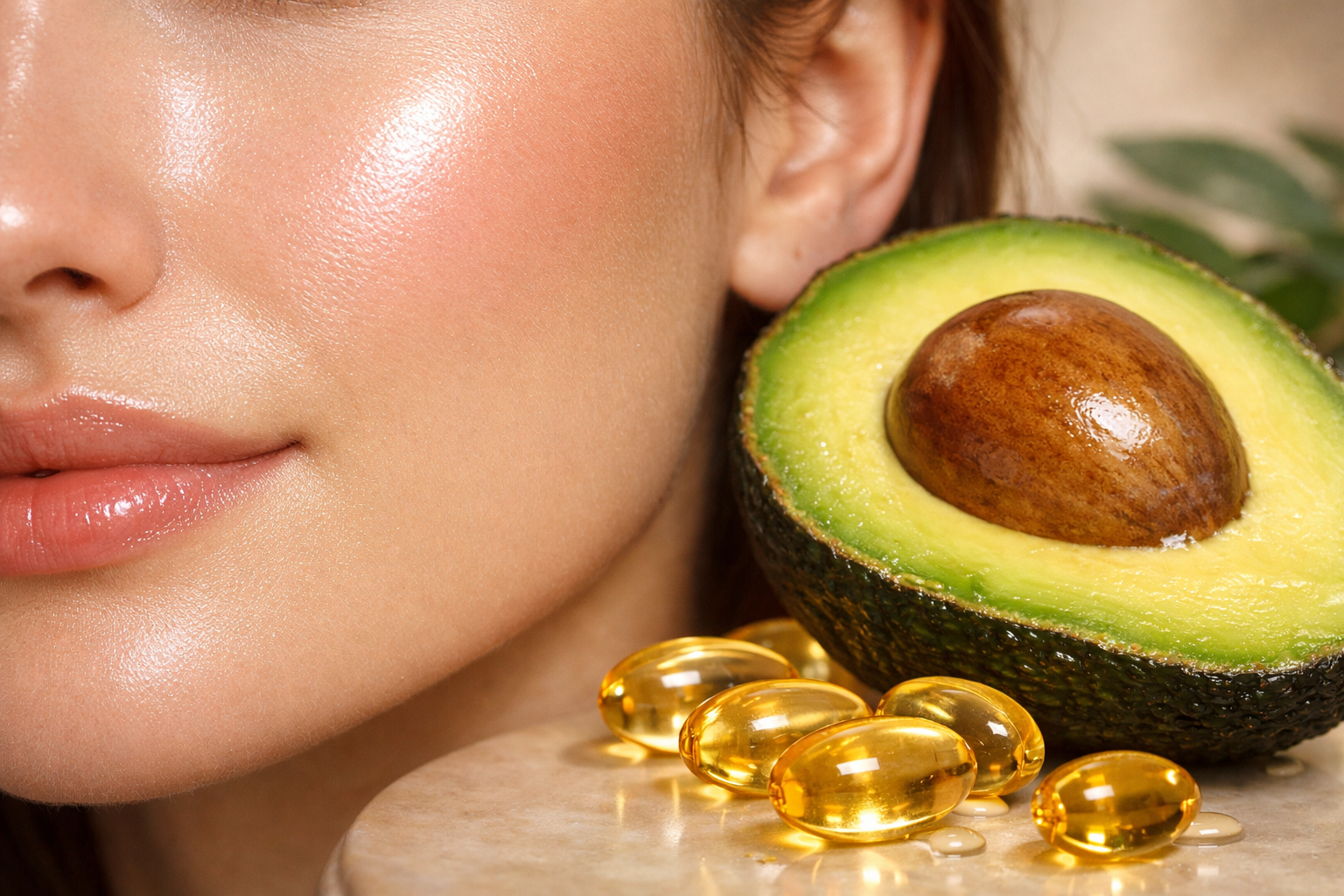
A 2022 study from UCLA found that women who consumed one avocado daily for 16 weeks showed measurable improvements in skin elasticity and firmness compared to a control group — a compelling real-world demonstration of these mechanisms.
For complementary topical skin support, our guides on best oil for dry skin and cinnamon benefits for skin offer additional evidence-based strategies.
Bone Health and Osteoporosis Prevention
Osteoporosis affects an estimated 200 million people worldwide, and dietary choices play a significant role in both prevention and management. Avocados contribute to bone health through multiple mechanisms:
- Vitamin K activates osteocalcin — a protein that anchors calcium within bone tissue — and reduces urinary calcium excretion. Low Vitamin K intake is associated with increased fracture risk.
- Potassium neutralizes metabolic acids that would otherwise leach calcium from bones — a particularly important effect in diets high in sodium or animal protein.
- Magnesium is a cofactor in over 300 enzymatic reactions, including those involved in bone matrix formation and calcium metabolism.
- Boron (present in trace amounts) supports the metabolism of calcium, magnesium, and Vitamin D — all essential for bone density.
Pairing avocados with calcium-rich foods creates a comprehensive dietary approach to skeletal health that addresses multiple pathways simultaneously.
Cancer Prevention Potential
While no single food prevents cancer, avocados contain several compounds with documented anti-cancer properties:
There may be potential Avocado Benefits when it comes to cancer prevention.
- Avocatin B: A lipid compound unique to avocados that has shown promising activity against acute myeloid leukemia (AML) cells in laboratory studies, selectively targeting cancer stem cells while leaving healthy cells unharmed.
- Glutathione: Supports the liver’s detoxification of potential carcinogens and reduces oxidative DNA damage — a primary driver of cancer initiation.
- Fiber: Higher dietary fiber intake is consistently associated with reduced risk of colorectal cancer. The American Cancer Society recommends at least 25–38 grams of fiber daily — avocados contribute meaningfully toward this target.
- Carotenoids and polyphenols: Have demonstrated anti-proliferative effects in breast, prostate, and oral cancer cell lines in multiple in vitro studies.
- Folate: Adequate folate intake is associated with reduced risk of colon, cervical, and pancreatic cancers, likely through its role in maintaining DNA integrity and preventing aberrant methylation.
It’s important to note that most cancer-related avocado research is currently at the laboratory or observational stage. More large-scale human trials are needed. However, the existing evidence is promising and consistent with broader research on plant-based diets and cancer risk reduction.
How to Incorporate More Avocado Into Your Diet
The versatility of avocado is one of its greatest practical advantages. Here are evidence-informed, delicious ways to eat more of it:
Breakfast:
- Mash onto whole-grain toast with a poached egg and chili flakes
- Blend into a smoothie with spinach, banana, and almond milk for a creamy, nutrient-dense start
- Dice into scrambled eggs with tomato and herbs
Lunch and Dinner:
- Slice over grain bowls, Buddha bowls, or healthy choice meals
- Use as a creamy base for dressings and sauces instead of mayonnaise
- Add to tacos, wraps, and salads for healthy fat and satiety
- Stuff with tuna, salmon, or chickpeas for a high-protein, nutrient-dense meal
Snacks:
- Halved avocado with a squeeze of lemon and sea salt
- Guacamole with vegetable crudités
- Avocado and hummus on rice cakes
Ripeness tip: A ripe Hass avocado will yield to gentle pressure and have dark, almost black skin. To accelerate ripening, place avocados in a paper bag with a banana — the ethylene gas speeds the process. To slow ripening, refrigerate once ripe.
Storage tip: Once cut, brush the flesh with lemon or lime juice and store in an airtight container in the refrigerator to minimize browning.
Frequently Asked Questions About Avocado Health Benefits
Understanding the Avocado Benefits can guide you in making better dietary choices.
How many avocados should I eat per day?
Most research demonstrating health benefits uses half to one whole avocado per day. This provides meaningful amounts of key nutrients without excessive caloric intake. For weight management goals, half an avocado per serving is a practical starting point.
Are avocados safe for everyone?
Avocados are safe for the vast majority of people. However, individuals with latex allergy may experience cross-reactivity (known as latex-fruit syndrome). Those on blood-thinning medications like warfarin should be consistent with their Vitamin K intake, as avocados are a notable source.
Do avocados cause weight gain?
Despite being calorie-dense, research does not support the idea that avocados cause weight gain when consumed as part of a balanced diet. Multiple studies associate regular avocado consumption with lower BMI and smaller waist circumference — likely due to their satiety-promoting fiber and fat content.
Can I eat avocado every day?
Yes. Daily avocado consumption has been studied in multiple clinical trials and is associated with improved lipid profiles, better gut microbiome diversity, and enhanced diet quality with no adverse effects in healthy individuals.
Is avocado oil as beneficial as whole avocado?
Avocado oil retains the monounsaturated fats and fat-soluble vitamins of whole avocado and is an excellent cooking oil with a high smoke point (~520°F/271°C). However, it lacks the fiber and water-soluble nutrients found in whole avocados. Both forms offer distinct benefits.
The Bottom Line
The health benefits of avocado are not hype — they are grounded in an expanding body of rigorous scientific research. From cardiovascular protection and gut microbiome support to pregnancy nutrition, weight management, skin health, bone density, and cancer prevention potential, avocados deliver across virtually every dimension of human health.
The discussion around Avocado Benefits highlights the fruit’s significance in a balanced diet.
What makes avocados particularly remarkable is their dual role: they are nutritionally complete on their own and they amplify the benefits of every other food on your plate by dramatically improving the absorption of fat-soluble nutrients.
Adding half to one avocado to your daily diet is one of the simplest, most evidence-backed dietary upgrades available. Whether you slice it over a salad, blend it into a smoothie, or spread it on toast, this ancient fruit — the original alligator pear — continues to earn its place at the top of the superfood hierarchy.
Emphasizing the Avocado Benefits can enhance your approach to nutrition.
For more evidence-based nutrition guidance, explore our comprehensive guide to modern diets and discover how whole foods like avocados fit into a sustainable, health-promoting lifestyle.
To fully experience Avocado Benefits, consider incorporating it into your daily meals.
- Harvard T.H. Chan School of Public Health – Avocados
A solid, trustworthy source covering nutrition and health value. - USDA FoodData Central – Avocado nutrition data
Best source if you want official nutrient data. - Mayo Clinic – Avocado health benefits
Good for a simple medical-style summary on why avocados are considered healthy. - California Avocado Commission – Avocado nutrition facts
Useful for reader-friendly nutrition points and food use ideas.
This article is intended for informational purposes only and does not constitute medical advice. Always consult a qualified healthcare provider before making significant changes to your diet, particularly during pregnancy or if managing a chronic health condition.
Healthy Meals for Weight Loss in (2026)

Dave James has spent 30+ years reading health and longevity research, and has run All Perfect Health for the past five. His background is in Australian mining and industrial engineering — disciplines built on questioning claims, measuring outcomes, and respecting evidence. He writes about what the research actually says, including where the experts disagree.
More about Dave & this site →
📂 15 Proven Health Benefits of Olive Oil
This article is part of the APH cluster. Use the links below to move between the pillar and child articles.
- Read the pillar: 15 Proven Health Benefits of Olive Oil (And What the Science Actually Says)
- YOU ARE HERE 7 Evidence-Based Health Benefits of Avocados (Heart, Brain & More)
- → Health Benefits of Dark Chocolate: What the Evidence Says (2026)
- → 14 Evidence-Based Health Benefits of Coffee
- → Banana Nutrition Facts: Calories, Benefits and Best Ways to Eat Them (2026)
- → Hard-Boiled Egg Nutrition: Calories, Protein and Health Benefits