5 Best Detox Teas for Weight Loss: A Science-Backed Guide (2026)
In this guide
- What Is Detox Tea, and Does It Actually Help With Weight Loss?
- How Do These Teas Support Weight Loss? The Core Mechanisms
- 1. Green Tea — The Best-Researched Detox Tea for Weight Loss
- 2. Ginger Tea — Best for Appetite Control and Digestive Support
- 3. Oolong Tea — Best for Metabolism and Fat Oxidation
- 4. Rooibos Tea — Best Caffeine-Free Option for Weight Loss
- 5. Dandelion Tea — Best for Bloating and Digestive Detox
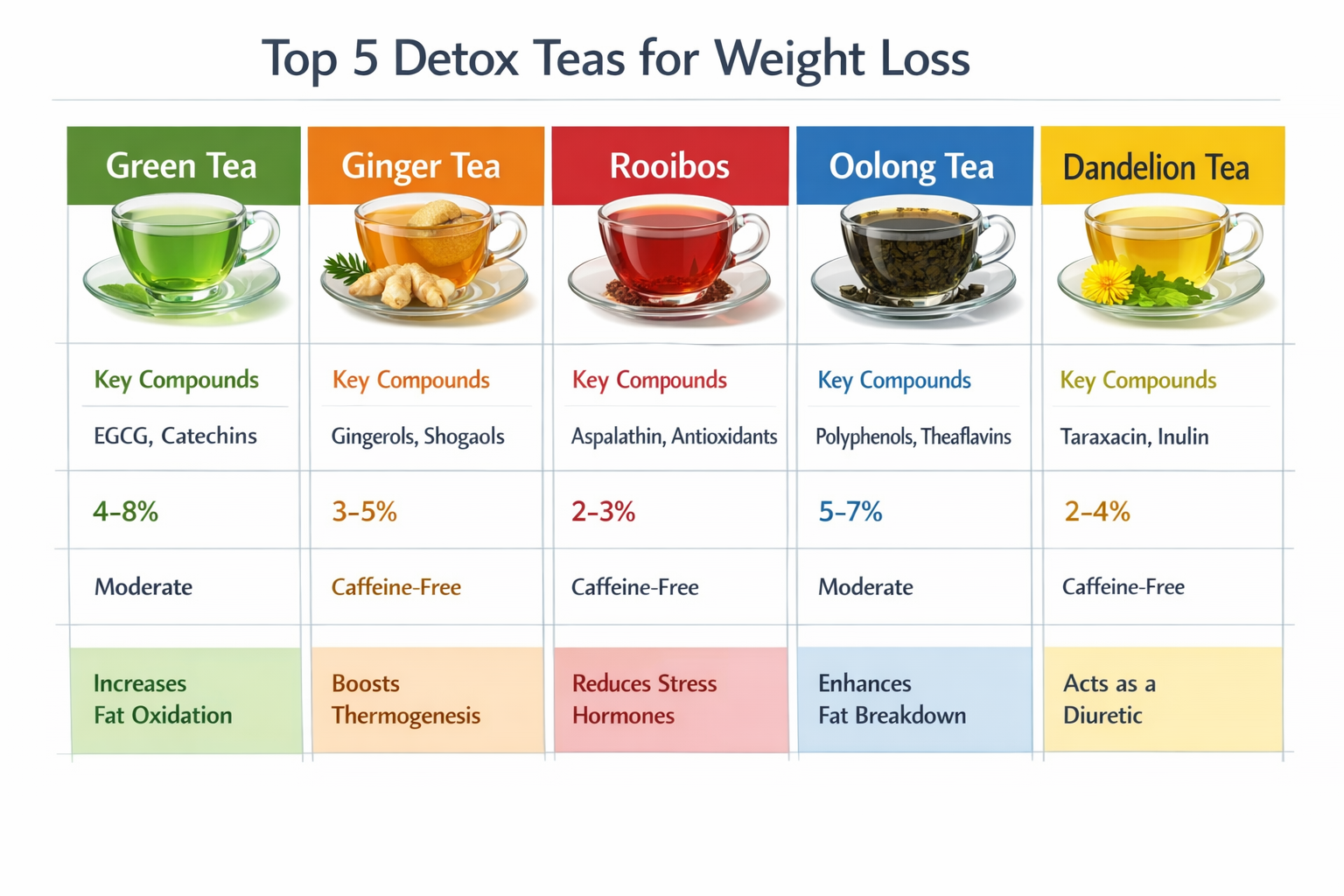
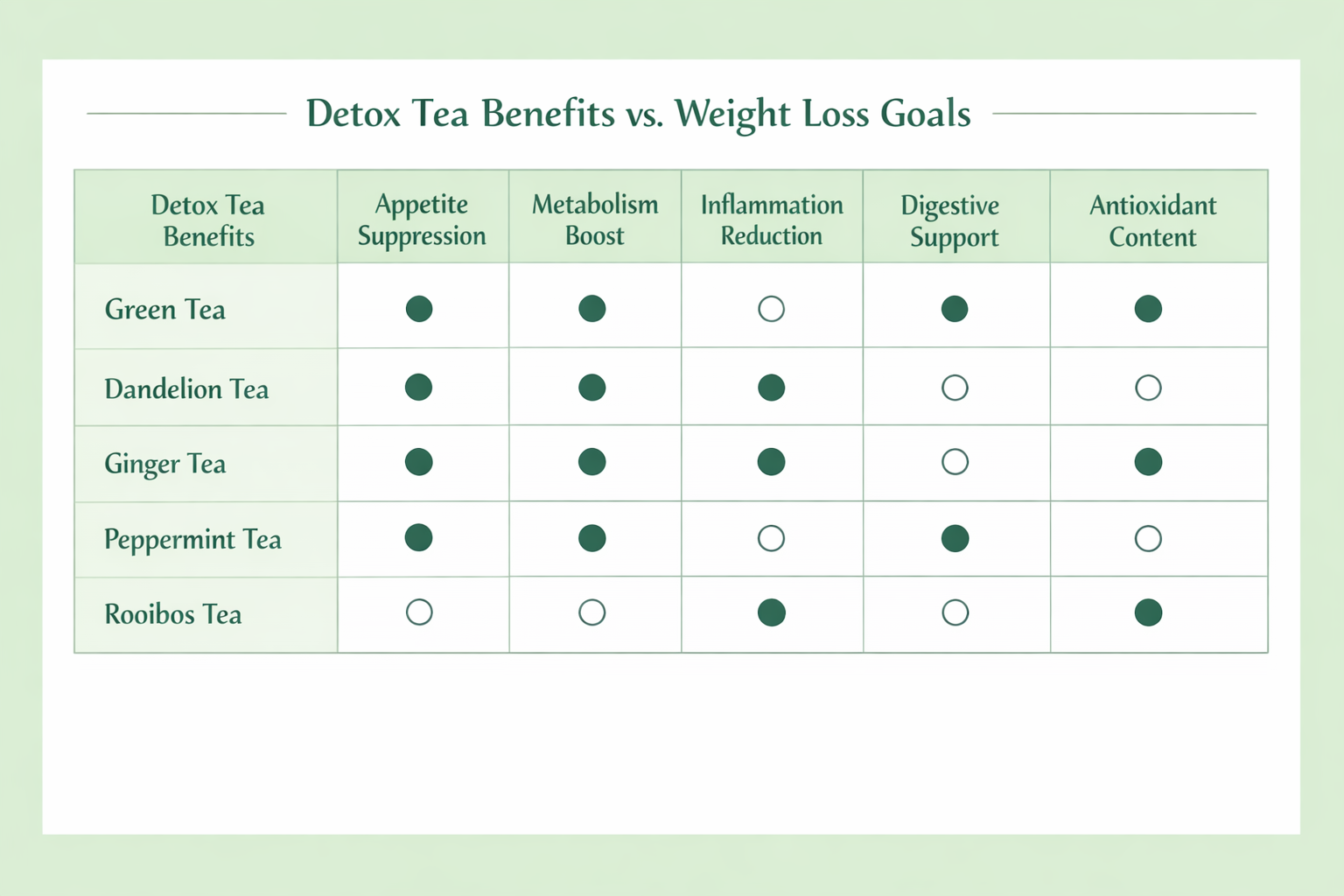
- How Do These 5 Teas Compare? A Side-by-Side Look
- How to Build a Detox Tea Routine That Actually Works
- Are There Any Risks or Side Effects to Know About?
Last updated: March 28, 2026
Quick Answer: The best detox teas for weight loss are green tea, ginger tea, rooibos tea, oolong tea, and dandelion tea. Each works through a different mechanism — boosting metabolism, reducing inflammation, suppressing appetite, or supporting digestion — and none is a magic solution on its own. Used consistently alongside a balanced diet and regular movement, these teas can meaningfully support your weight management goals.
Key Takeaways
- Green tea is the most research-supported option for weight loss, thanks to its catechin content (specifically EGCG) and mild caffeine.
- Oolong tea may boost resting metabolism more than green tea in some individuals, making it a strong alternative for those who tolerate caffeine well.
- Ginger tea is best for appetite control and reducing post-meal bloating — useful if overeating is your main challenge.
- Rooibos tea is the only caffeine-free option on this list, making it ideal for evening drinking or for those sensitive to stimulants.
- Dandelion tea works primarily as a mild diuretic and digestive aid, not a fat-burner — so weight loss from it is often water weight initially.
- No detox tea replaces a calorie deficit. Think of these as supportive tools, not standalone solutions.
- Brewing method, steeping time, and daily consistency matter more than most people realize.
- Some detox teas interact with medications or are unsuitable during pregnancy — always check with a doctor first.
- Drinking 2–3 cups per day of your chosen tea is a reasonable starting point for most healthy adults.
- The “detox” label is largely marketing; your liver and kidneys handle actual detoxification. These teas support those organs rather than replacing their function.
What Is Detox Tea, and Does It Actually Help With Weight Loss?
Detox tea is a broad term for herbal or plant-based teas marketed to support the body’s natural cleansing processes. Whether they truly “detox” your body is debatable — your liver and kidneys already do that job. What these teas can do is support digestive health, reduce inflammation, mildly boost metabolism, and help you replace high-calorie drinks like soda or juice.
The weight loss connection is real, but it’s indirect. Swapping two cans of soda per day for unsweetened green or rooibos tea saves roughly 280–300 calories without any other change. Add in the metabolic and appetite effects of specific compounds in these teas, and the cumulative benefit over weeks and months becomes meaningful.
Who benefits most: People who drink a lot of sugary beverages, those who struggle with bloating or sluggish digestion, and anyone looking for a low-effort daily habit to complement a broader weight loss plan.
Who should be cautious: Pregnant or breastfeeding women, people on blood thinners or diuretics, and anyone with kidney or liver conditions should consult a doctor before adding detox teas regularly.
How Do These Teas Support Weight Loss? The Core Mechanisms
Before diving into the individual teas, it helps to understand the four main ways they can influence body weight:
- Metabolism boost: Certain compounds — particularly caffeine and catechins — increase the rate at which your body burns calories at rest. This effect is modest but real.
- Appetite suppression: Some teas reduce hunger signals or slow gastric emptying, meaning you feel full longer after meals.
- Reduced water retention: Mild diuretic effects can reduce bloating and temporary water weight, though this isn’t fat loss.
- Improved gut health: A healthier digestive system absorbs nutrients more efficiently and may reduce the low-grade inflammation that’s associated with weight gain over time.
Understanding which mechanism applies to which tea helps you choose the right one for your specific situation — or combine two strategically.
1. Green Tea — The Best-Researched Detox Tea for Weight Loss
Green tea is the most evidence-backed option for weight loss among all detox teas. Its primary active compounds are catechins — particularly epigallocatechin gallate (EGCG) — combined with a moderate amount of caffeine. Together, these compounds have been shown in multiple clinical studies to increase fat oxidation and thermogenesis (the process by which your body generates heat and burns calories).
A 2009 meta-analysis published in the International Journal of Obesity reviewed 11 randomized controlled trials and found that green tea catechins, combined with caffeine, produced a statistically significant reduction in body weight and body mass index compared to caffeine alone. The effect size was modest — roughly 1.3 kg more weight lost over 12 weeks — but consistent across studies.
What makes green tea effective:
- EGCG inhibits an enzyme that breaks down norepinephrine, keeping fat-burning signals active longer
- Caffeine (roughly 25–35 mg per cup) amplifies the thermogenic effect without the jitteriness of coffee
- L-theanine, an amino acid in green tea, promotes calm focus — useful if stress eating is a factor for you
How to get the most from it:
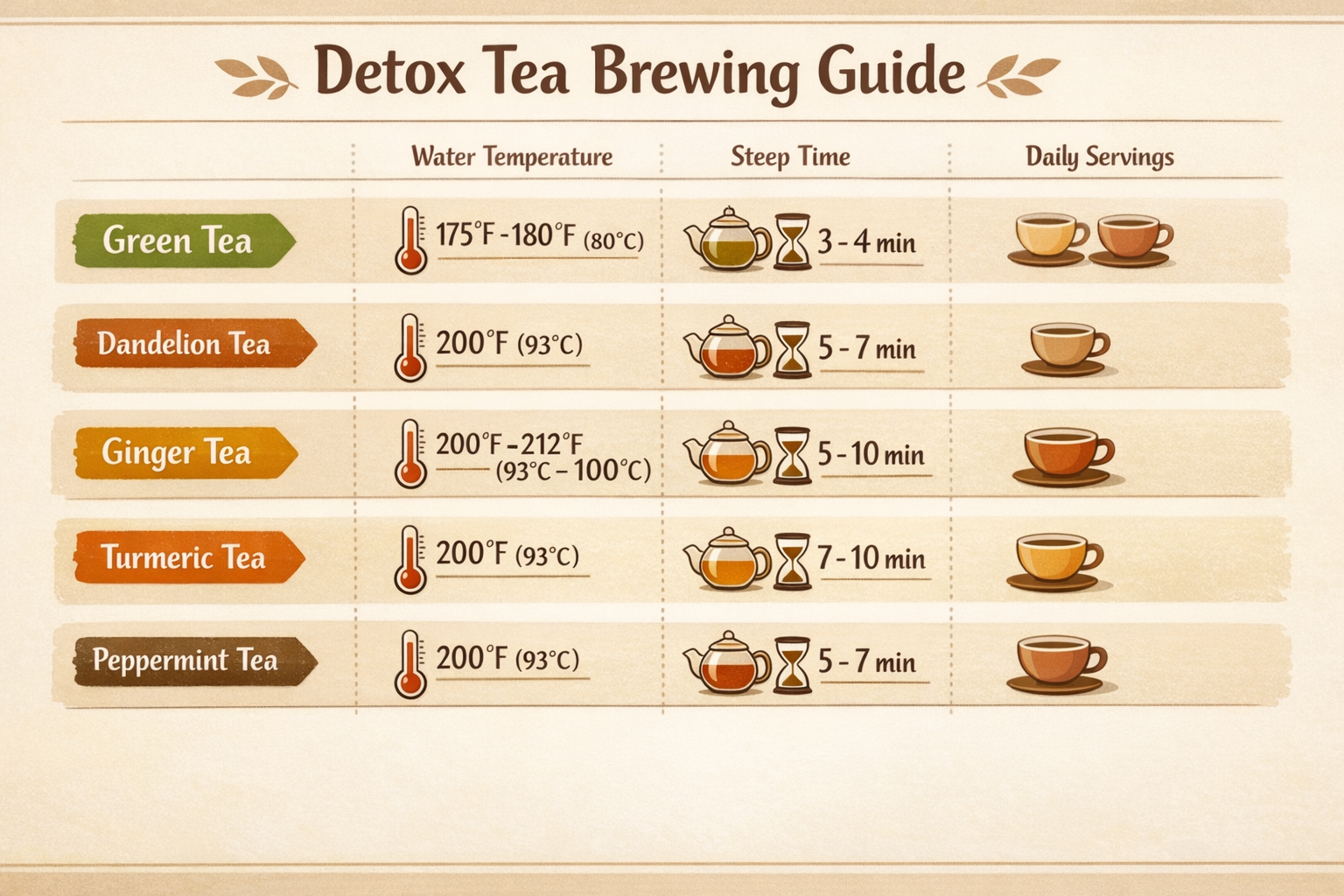
- Brew at 70–80°C (not boiling — high heat degrades catechins)
- Steep for 2–3 minutes
- Drink 2–3 cups daily, ideally 30 minutes before exercise or a meal
- Avoid adding sugar or honey, which offset the calorie benefit
Common mistake: Brewing green tea with boiling water. It makes the tea bitter and destroys a significant portion of the EGCG. Use water that’s just off the boil.
2. Ginger Tea — Best for Appetite Control and Digestive Support
Ginger tea is the right choice if your biggest weight-loss challenge is overeating, post-meal bloating, or slow digestion. Ginger (Zingiber officinale) contains gingerols and shogaols — compounds with well-documented anti-inflammatory and digestive properties.
A 2012 study published in Metabolism found that men who consumed a hot ginger beverage after breakfast reported significantly lower hunger and greater satiety than those who didn’t. While the study was small, it aligns with broader research on ginger’s effect on gastric motility (how quickly food moves through your stomach).
Key benefits for weight management:
- Slows gastric emptying, helping you feel full longer after meals
- Reduces nausea and bloating, which can otherwise discourage healthy eating habits
- Has mild thermogenic properties that may slightly increase calorie burn
- Supports the gut microbiome, which emerging research links to metabolic health
How to brew it properly:
- Use 1–2 teaspoons of freshly grated ginger root per cup (fresh is significantly more potent than powder)
- Steep in hot (not boiling) water for 5–10 minutes
- Add a slice of lemon for flavor and a small vitamin C boost
- Drink before meals for appetite suppression or after meals for digestive comfort
Ginger tea pairs well with a focus on gut health and digestive wellness — if you’re already working on your digestion, adding ginger tea is a natural complement.
3. Oolong Tea — Best for Metabolism and Fat Oxidation
Oolong tea sits between green tea and black tea in terms of oxidation level, and that middle-ground processing gives it a unique compound profile. It contains both catechins (like green tea) and theaflavins (like black tea), along with a higher caffeine content than green tea — typically 30–50 mg per cup.
A study published in the Chinese Journal of Integrative Medicine (2009) found that participants who drank oolong tea daily for six weeks lost an average of 1 kg more than the control group, with reductions in body fat percentage noted particularly in the abdominal region. Researchers attributed this to oolong’s ability to enhance fat oxidation and increase energy expenditure.
Why oolong stands out:
- May increase resting metabolic rate by 10–20% in the hours after consumption (based on small-scale studies — individual results vary)
- Polymerized polyphenols in oolong appear to inhibit fat absorption from food
- Higher caffeine content makes it better suited to morning or pre-workout use
- The flavor profile — slightly floral, less grassy than green tea — makes it easier for some people to drink consistently
Choose oolong if: You’ve tried green tea and found it too mild in effect, or if you want a tea that works well as a pre-workout drink.
Avoid oolong if: You’re caffeine-sensitive, pregnant, or drinking tea in the evening.
4. Rooibos Tea — Best Caffeine-Free Option for Weight Loss
Rooibos (pronounced ROY-bos) is a South African herbal tea made from the Aspalathus linearis plant. Unlike the other teas on this list, it contains zero caffeine, making it the only option suitable for evening consumption or for people who are caffeine-sensitive.
Its weight loss benefits come primarily from a unique antioxidant called aspalathin, which has been shown in animal studies to reduce stress hormones that trigger fat storage and hunger. Human clinical data is still limited, but the mechanistic evidence is promising.
Rooibos benefits relevant to weight management:
- Aspalathin may inhibit cortisol production — high cortisol is directly linked to abdominal fat accumulation
- Rich in quercetin and other flavonoids that support cardiovascular health and reduce inflammation
- Naturally sweet flavor means most people drink it without added sugar
- Supports healthy blood sugar levels, which reduces cravings between meals
Practical notes:
- Steep for 5–7 minutes in boiling water (unlike green tea, rooibos benefits from higher temperatures)
- Works well as an evening wind-down tea, replacing dessert or late-night snacking
- Pairs well with a small amount of cinnamon, which has its own blood sugar-regulating properties
If you’re interested in the anti-inflammatory angle, rooibos fits naturally into a broader anti-inflammatory diet approach.
5. Dandelion Tea — Best for Bloating and Digestive Detox
Dandelion tea is made from the roots or leaves of the Taraxacum officinale plant. It’s been used in traditional medicine for centuries as a liver tonic and mild diuretic. In the context of weight loss, its primary benefit is reducing water retention and supporting liver function — the organ most responsible for metabolizing fat.
It’s important to be honest here: most of the initial weight loss from dandelion tea is water weight, not fat. However, for people who carry significant water retention or bloating, losing that weight can be motivating and can make other healthy habits feel more rewarding.
What dandelion tea actually does:
- Acts as a natural diuretic, increasing urine output and reducing water retention
- Supports bile production, which aids fat digestion and absorption
- Contains inulin, a prebiotic fiber that feeds beneficial gut bacteria
- Provides vitamins A, C, and K, along with potassium (which helps offset the potassium loss from its diuretic effect)
Important caution: Because dandelion tea is a diuretic, it can interact with diuretic medications and may affect how the body processes certain drugs. If you’re on any prescription medication, check with your doctor before drinking it regularly.
Best use case: Dandelion tea works best as part of a broader approach to soothing your stomach naturally and improving digestive comfort, rather than as a primary weight-loss tool.
How Do These 5 Teas Compare? A Side-by-Side Look
| Tea | Caffeine | Primary Mechanism | Best Time to Drink | Caffeine-Free? |
|---|---|---|---|---|
| Green Tea | Low–Moderate (25–35 mg) | Metabolism + fat oxidation | Morning or pre-workout | No |
| Ginger Tea | None | Appetite suppression + digestion | Before or after meals | Yes |
| Oolong Tea | Moderate (30–50 mg) | Metabolism + fat absorption | Morning or pre-workout | No |
| Rooibos Tea | None | Cortisol reduction + blood sugar | Evening or anytime | Yes |
| Dandelion Tea | None | Diuretic + liver support | Morning or midday | Yes |
How to Build a Detox Tea Routine That Actually Works
A detox tea routine only delivers results when it’s consistent and paired with other healthy habits. Here’s a simple framework:
Morning (6–9 AM): Green tea or oolong tea — the caffeine and catechins prime your metabolism for the day and can enhance a morning workout.
Before lunch or dinner: Ginger tea — drink 20–30 minutes before your main meal to reduce appetite and improve digestion.
Evening (after 6 PM): Rooibos or dandelion tea — caffeine-free options that support liver function and reduce cortisol without disrupting sleep.
Consistency rules: Drink your chosen tea daily for at least 4–6 weeks before evaluating results. Occasional use produces minimal benefit.
What to pair it with: Detox teas work best alongside practical weight loss strategies — not as a replacement for them. A calorie-appropriate diet, adequate sleep, and regular movement are non-negotiable.
What to avoid: Adding sugar, honey, or flavored syrups to your tea. Even a teaspoon of honey adds 20–25 calories per cup, which adds up quickly across multiple daily servings. If you need sweetness, try a small amount of stevia.
Are There Any Risks or Side Effects to Know About?
Most of these teas are safe for healthy adults when consumed in reasonable quantities (2–4 cups per day). However, there are specific situations where caution is warranted.
Caffeine-related: Green and oolong tea can cause insomnia, anxiety, or heart palpitations in caffeine-sensitive individuals. Stick to 1–2 cups and avoid drinking after 2 PM.
Diuretic effects: Dandelion tea increases urination. If you’re already on a diuretic medication, combining the two can lead to dehydration or electrolyte imbalances.
Drug interactions: Ginger can mildly thin the blood and may interact with anticoagulants like warfarin. Dandelion can affect how the liver processes certain medications.
Pregnancy: Most herbal teas, including ginger in large amounts and dandelion, are not recommended during pregnancy without medical clearance.
Laxative ingredients: Some commercial “detox teas” contain senna, a stimulant laxative. Senna-based teas can cause cramping, diarrhea, and dependency with long-term use. The five teas covered in this article do not contain senna — but always read labels on commercial blends.
Frequently Asked Questions
Which detox tea is best for belly fat specifically?
Green tea and oolong tea have the strongest evidence for reducing abdominal fat. Both increase fat oxidation, and oolong in particular has been associated with reductions in waist circumference in small clinical studies.
Can I drink detox tea every day?
Yes, for most healthy adults, drinking 2–3 cups of any of these teas daily is safe long-term. Rotate between options if you want a broader range of benefits.
How long before I see results from detox tea?
Expect 4–8 weeks of consistent use before noticing measurable changes in weight or body composition. Bloating reduction from ginger or dandelion tea can happen within days.
Is it better to drink detox tea hot or cold?
Hot tea is generally more effective because heat helps extract active compounds. Cold-brewing is an option for green tea (steep in cold water for 6–8 hours), which produces a smoother flavor with slightly lower caffeine.
Can detox tea replace meals or be used for fasting?
No. These teas are supportive tools, not meal replacements. Using them during intermittent fasting windows is fine — they’re very low in calories and won’t break a fast.
What’s the difference between detox tea and regular tea?
Mostly marketing. Many “detox teas” are simply herbal blends with added branding. Green, oolong, ginger, rooibos, and dandelion teas in their pure form are effective without the premium price tag of branded detox products.
Do detox teas work without exercise?
They can contribute to a modest calorie deficit and metabolic support without exercise, but the effects are significantly amplified when combined with regular physical activity.
Should I drink detox tea on an empty stomach?
Green and oolong tea are best consumed 30 minutes after waking rather than immediately on an empty stomach, as the tannins can cause nausea in some people. Ginger tea is generally fine on an empty stomach.
Are commercial detox tea products worth buying?
Often, no. Many commercial blends are overpriced and contain unnecessary additives. Buying loose-leaf or single-ingredient tea bags from a reputable brand gives you the same active compounds at a fraction of the cost.
Can I mix these teas together?
Yes. Ginger and green tea blend well together and provide complementary benefits — metabolism support plus appetite control. Rooibos and dandelion also pair naturally for an evening blend.
References
- Hursel, R. et al. “The effects of catechin rich teas and caffeine on energy expenditure and fat oxidation: a meta-analysis.” International Journal of Obesity, 2011.
- Mansour, M.S. et al. “Ginger consumption enhances the thermic effect of food and promotes feelings of satiety.” Metabolism, 2012.
- He, R.R. et al. “Beneficial effects of oolong tea consumption on diet-induced overweight and obese subjects.” Chinese Journal of Integrative Medicine, 2009.
- Kamakura, R. et al. “Aspalathin from rooibos inhibits 11β-HSD1 activity.” Phytomedicine, 2020.
Note: Always consult a qualified healthcare provider before making significant changes to your diet or supplement routine, particularly if you have an existing medical condition or take prescription medications.
📂 Weight Loss
This article is part of the APH Weight Loss cluster.
- → The Best Weight Loss Diet in 2026: A Science-Backed Guide to Every Major Approach
- → Intermittent Fasting for Weight Loss: Complete 2026 Guide
- → High Protein Diet for Weight Loss
- → The Protein Leverage Hypothesis: Why Protein Controls Your Weight
- → How to Break a Weight Loss Plateau: What the Evidence Actually Says
- → Breaking the Weight Loss Plateau: Metabolic Adaptation and How to Overcome It
- → Herbs for Weight Loss: 10 Evidence-Based Herbs That Boost Metabolism
- YOU ARE HERE 5 Best Detox Teas for Weight Loss: A Science-Backed Guide