Food Science & Preparation
Food Science & Preparation is where we unpack what actually happens to food when you grow it, process it and cook it – from plant toxins and antinutrients through to fermentation, home cooking methods and industrial ultra‑processing. This category covers why our ancestors soaked, sprouted, fermented and cooked plants to blunt their defence chemicals, what modern research really says about lectins, phytates, oxalates and other antinutrients, and how much you can fix (or ruin) with smart preparation. You will also find clear, evidence‑based guides to traditional fermented foods, the science of boiling, roasting, grilling and steaming, and what ultra‑processed foods are doing differently at the factory level – emulsifiers, additives, textures and flavours that your gut and brain still treat as “weird”. The goal is simple: cut through food marketing and ideology, explain the mechanisms in plain language, and give you practical ways to choose ingredients and preparation methods that genuinely improve long‑term health.
Prefer a guided reading path? Start with the Food Science & Preparation hub, then choose either Plant Toxins & Antinutrients or Modern Food Processing & Gut Chemistry.
-
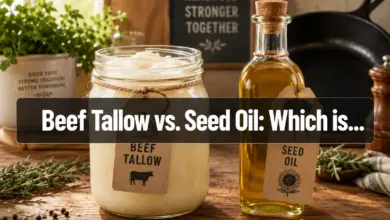

Beef Tallow vs. Seed Oil: Which is Healthier for Cooking in 2026?
Last updated: August 10, 2026 Quick Answer: Beef tallow vs seed oil: Beef tallow is more stable at high heat,…
Read More » -
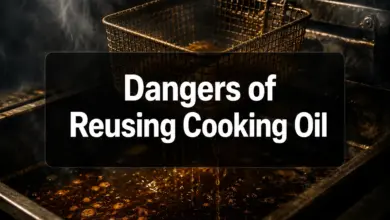
The Hidden Dangers of Reusing Cooking Oil: What You Need to Know This August 2026
Part of the Modern Food Processing & Gut Chemistry cluster → Last updated: August 10, 2026 Quick Answer: Reusing cooking…
Read More » -
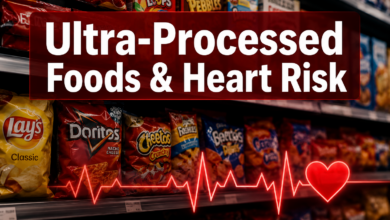
Major US Study Links Ultra-Processed Foods to Heart Attack Risk in July 2026
Last updated: July 11, 2026 Quick Answer: A major US study published in 2026 found that adults who eat the…
Read More » -
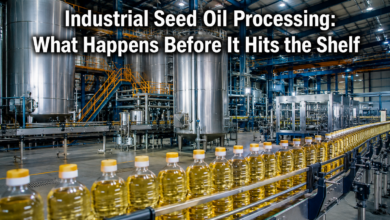
Industrial Seed Oil Processing: What Happens Before It Hits the Shelf
Most people grab a bottle of vegetable oil without thinking twice about how those soybeans, corn kernels, or sunflower seeds…
Read More » -
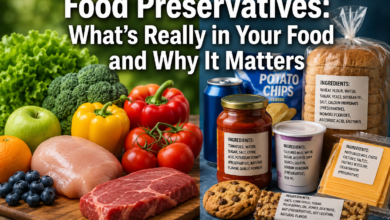
Food Preservatives Health Effects: What’s Really in Your Food and Why It Matters
The average American consumes over 3,000 different food additives each year, yet most people cannot name five preservatives in their…
Read More » -
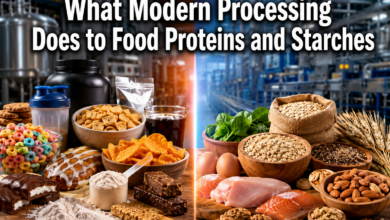
What Modern Processing Does to Food Proteins and Starches
The average American consumes over 60% of their calories from ultra-processed foods, yet most people have no idea what happens…
Read More » -
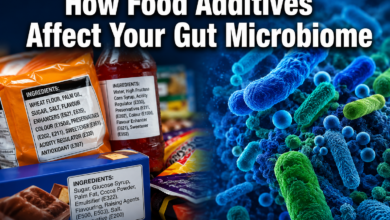
How Food Additives Affect Your Gut Microbiome Health
The average American consumes over 60 pounds of food additives each year—chemicals that didn’t exist in our food supply just…
Read More » -
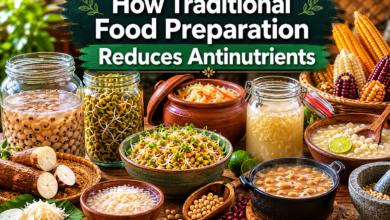
How Traditional Food Preparation Reduces Antinutrients: Soaking, Sprouting, Fermenting and Cooking
Last updated: May 24, 2026 Quick Answer: Traditional food preparation methods — soaking, sprouting, fermenting, boiling, and techniques like nixtamalization…
Read More » -
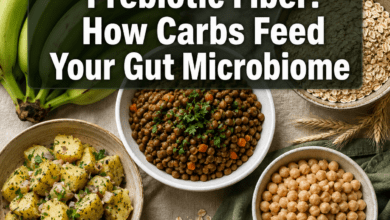
Resistant Starch and Prebiotic Fiber: How Carbs Feed Your Gut Microbiome
Resistant starch and prebiotic fiber feed gut bacteria, support short-chain fatty acid production and help explain why cooled carbs can…
Read More » -
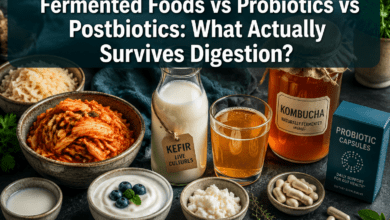
Fermented Foods vs Probiotics vs Postbiotics: What Actually Survives Digestion?
Fermented foods, probiotics and postbiotics affect the gut in different ways. Learn what survives digestion and how to choose gut-friendly…
Read More »