
Food Preservatives Health Effects: What’s Really in Your Food and Why It Matters
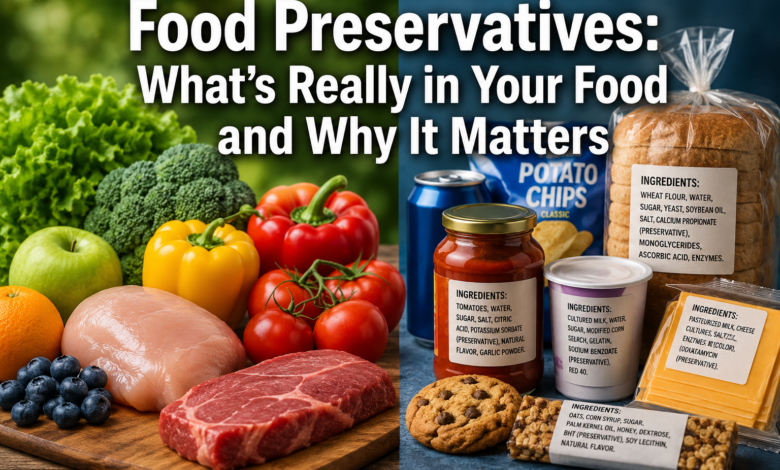
The average American consumes over 3,000 different food additives each year, yet most people cannot name five preservatives in their pantry. Let’s keep this practical and examine what these chemicals actually do in your body, because understanding food preservatives health effects matters more than the marketing claims on package labels.
 This article is part of our Modern Food Processing & Gut Chemistry cluster, where we explore how modern food processing affects gut health and nutrient quality.
In plain English, food preservatives exist to prevent spoilage, extend shelf life, and maintain food safety during transport and storage. The real issue is not whether these compounds are “natural” or “artificial” — it is whether they affect your health in meaningful ways. Based on current evidence, some preservatives deserve attention while others pose minimal risk when consumed in typical amounts.
In this article
Key Takeaways
- Nitrates and nitrites in processed meats can form compounds that affect gut bacteria and may increase cancer risk
- Benzoates and sorbates are generally well-tolerated but can trigger reactions in sensitive individuals
- Sulfites cause respiratory problems in about 1% of the population, particularly those with asthma
- Propionates in baked goods may influence metabolism and gut health through bacterial changes
- Most preservative concerns center on cumulative exposure and individual sensitivity rather than acute toxicity
Nitrates and Nitrites: Cured Meats and Gut Health
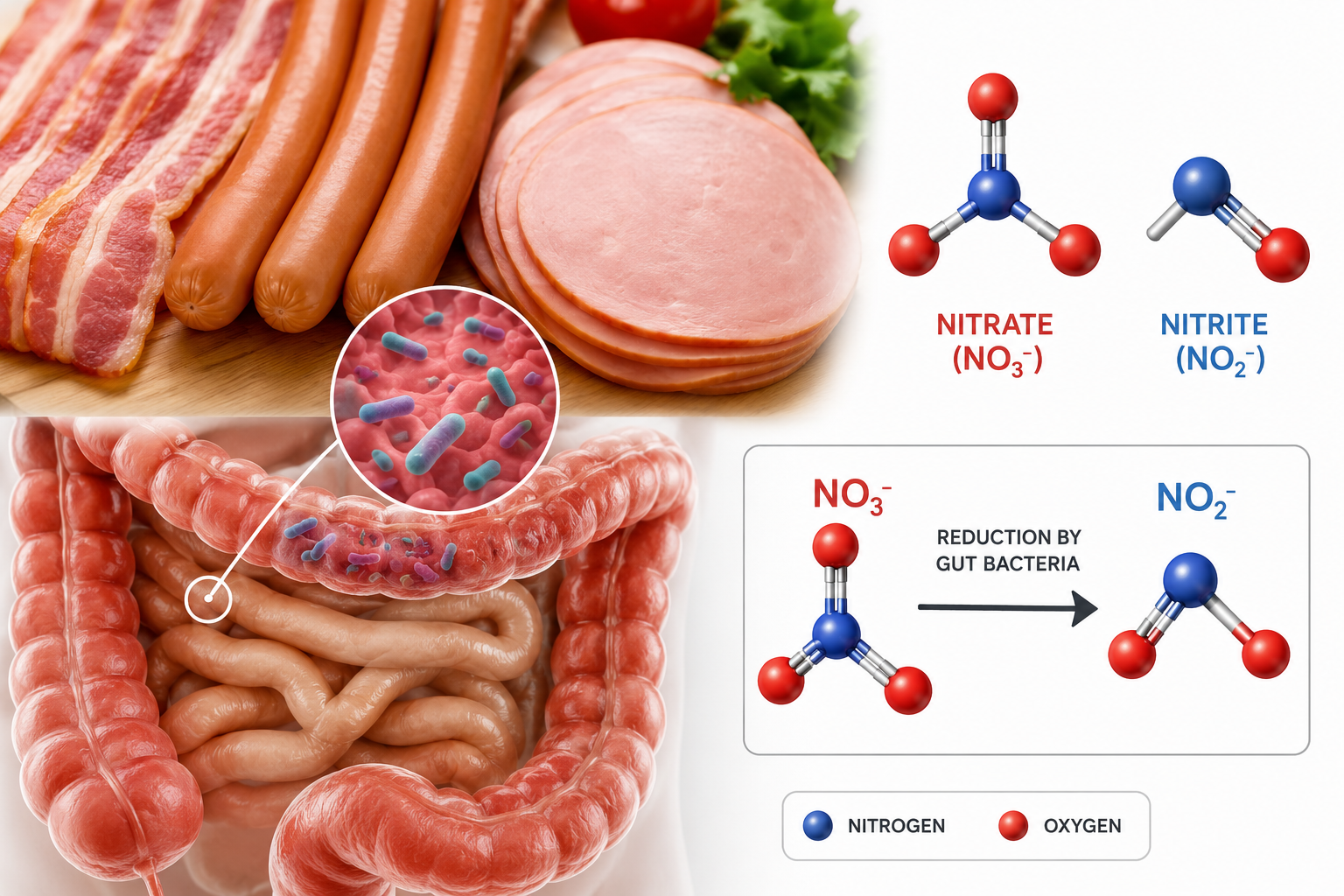
Here’s the real issue with nitrates and nitrites: your body handles them differently depending on the source and what else you eat with them. Sodium nitrite (E250) and sodium nitrate (E251) prevent botulism in cured meats like bacon, ham, and hot dogs. The stronger evidence points to these compounds converting into nitrosamines in your stomach — particularly when combined with amino acids from meat and exposed to high heat.
From a practical point of view, this conversion matters because nitrosamines are classified as probable carcinogens. The process happens more readily in acidic stomach conditions and accelerates when you cook cured meats at high temperatures. What makes this complex is that vegetables naturally contain nitrates too, but they come packaged with vitamin C and other antioxidants that block nitrosamine formation.
The numbers matter here. Processed meats contribute about 9% of dietary nitrate intake, while vegetables provide roughly 85%. Yet the health outcomes differ significantly. Ultra-processed foods and their effects on gut health show that the food matrix — what comes along with the preservative — influences how your body processes these compounds.
Recent research suggests nitrites also alter gut bacteria composition. The evidence suggests certain beneficial bacteria species decline when exposed to regular nitrite consumption, while potentially harmful strains may increase. This bacterial shift could influence inflammation levels and digestive health over time, though more research is needed to establish clear cause-and-effect relationships.
A sensible starting point is limiting processed meats to occasional consumption rather than daily intake. When you do eat them, pair them with vitamin C-rich foods like citrus fruits or bell peppers, which help block nitrosamine formation. Context matters — an occasional hot dog at a barbecue is different from daily bacon consumption.
Benzoates and Sorbates: Common in Acidic Foods
Sodium benzoate (E211) and potassium sorbate (E202) show up in acidic foods like soft drinks, pickles, salad dressings, and fruit juices. These preservatives work by disrupting microbial cell membranes, preventing yeast, mold, and bacteria growth. In real-world terms, they are why your salad dressing does not spoil after months in the refrigerator.
Your liver processes benzoates efficiently, converting them to hippuric acid and eliminating them through urine within 24 hours. Most people handle typical consumption levels without issues. The main takeaway is that problems arise mainly in sensitive individuals or with very high intake levels.
The combination of sodium benzoate with vitamin C (ascorbic acid) can form benzene, a known carcinogen, under certain conditions — particularly heat and light exposure. This reaction occurs more readily in soft drinks stored in warm conditions. The simplest way to look at it is that benzene formation requires specific circumstances, but it is worth being aware of when choosing beverages.
Some individuals experience reactions to benzoates including headaches, hyperactivity in children, or skin reactions. The evidence for widespread behavioral effects remains mixed, but certain children appear more sensitive than others. Anti-inflammatory foods and their benefits can help support overall health if you are concerned about additive sensitivity.
Sorbates generally cause fewer reactions than benzoates. Potassium sorbate breaks down into water and carbon dioxide in your body. It rarely triggers sensitivity reactions and is considered one of the safer preservatives by most food safety authorities.
Keep it simple and consistent: read labels if you are sensitive to these compounds, choose fresh foods when possible, and avoid storing acidic beverages in hot conditions where benzene formation might occur.
Sulfites: Wines, Dried Fruits, and Respiratory Sensitivity
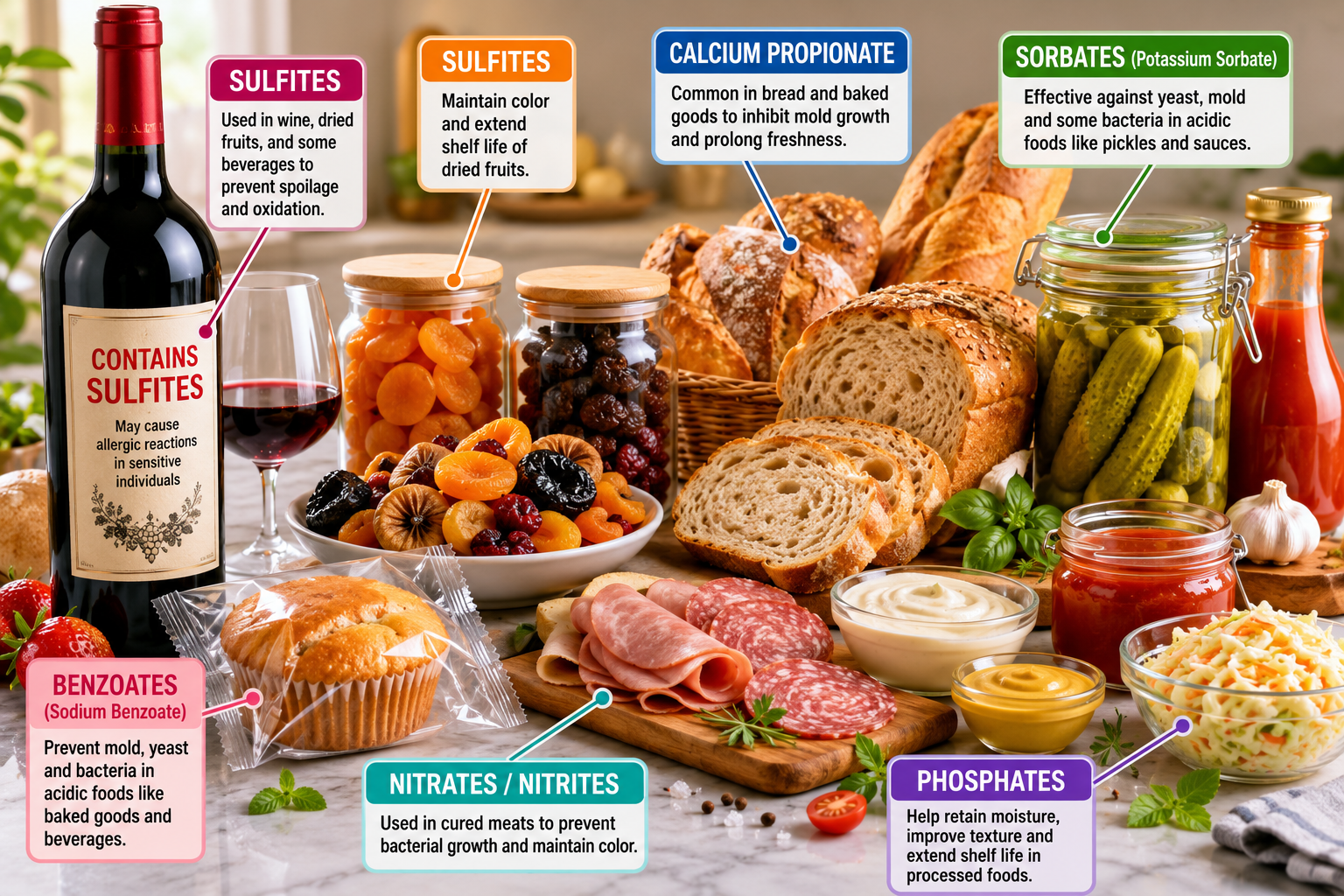
Sulfur dioxide (E220) and related sulfites preserve color and prevent oxidation in wines, dried fruits, and some processed foods. About 1% of the population experiences adverse reactions to sulfites, with asthma sufferers being particularly vulnerable. The stronger evidence points to sulfites triggering respiratory symptoms in sensitive individuals rather than causing problems for the general population.
Your body produces sulfites naturally and has enzymes designed to break them down. The enzyme sulfite oxidase converts sulfites to sulfates, which are then eliminated. However, some people have reduced enzyme activity or become overwhelmed when consuming large amounts of sulfite-containing foods.
Reactions typically involve respiratory symptoms: wheezing, chest tightness, or difficulty breathing. Skin reactions and digestive upset can also occur in sensitive individuals. These reactions usually happen within minutes to hours of consumption, making the connection relatively easy to identify.
Wine contains the highest sulfite levels among common foods, with white wines typically containing more than reds. Dried fruits, particularly lighter-colored ones like golden raisins and dried apricots, also contain significant amounts. Fresh grapes contain minimal sulfites, but the preservative is added during wine processing.
I would be careful with that assumption that “organic” means sulfite-free. Organic wines can contain sulfites, just at lower levels than conventional wines. The label must state “contains sulfites” if levels exceed 10 parts per million in the United States.
From a practical point of view, if you experience breathing difficulties, headaches, or skin reactions after consuming wine or dried fruits, consider sulfite sensitivity. An elimination approach — avoiding sulfite-containing foods for several weeks then reintroducing them — can help identify whether these compounds trigger your symptoms.
Mediterranean food choices often emphasize fresh foods over heavily processed options, naturally reducing sulfite exposure while providing beneficial compounds that support respiratory health.
Propionates: Bakery Preservatives and Metabolic Effects
Calcium propionate (E282) and sodium propionate (E281) prevent mold growth in bread, baked goods, and some dairy products. These preservatives work by creating an acidic environment that inhibits mold and bacteria. The evidence suggests propionates may influence metabolism and gut bacteria in ways that deserve attention.
Recent research indicates propionates might affect glucose metabolism by altering gut bacterial populations. Some studies suggest these preservatives could reduce beneficial bacteria species while promoting others that influence blood sugar regulation. This is not that simple though — the research is still developing, and individual responses vary significantly.
Your body can metabolize propionates, but the process differs from other preservatives. Propionates enter metabolic pathways similar to those used for processing fats and carbohydrates. In large amounts, they might influence insulin sensitivity and glucose handling, though typical dietary exposure levels may not reach problematic thresholds for most people.
The gut bacteria angle matters because propionates appear to shift bacterial populations in ways that could affect inflammation and metabolic health. How processed foods affect gut health explains why these bacterial changes deserve consideration, especially for people with diabetes or metabolic concerns.
Some children appear more sensitive to propionates, with reports of behavioral changes, sleep disruption, or mood effects. The research remains limited, but parents of sensitive children often notice improvements when avoiding propionate-containing foods.
Truth over hype: most people handle typical propionate exposure without obvious problems. However, if you have metabolic concerns or notice digestive issues with commercial bread, choosing preservative-free options or making your own bread might be worth trying.
Prebiotic foods that support gut health can help maintain beneficial bacteria populations if you are concerned about preservative effects on your gut microbiome.
How to Approach Food Preservatives Sensibly
Start with what gives the biggest return: focus on overall diet quality rather than obsessing over individual additives. The basics still do the heavy lifting — eating more whole foods naturally reduces preservative exposure while providing nutrients that support your body’s detoxification systems.
I prefer to look at what actually works in real-world situations. Complete avoidance of all preservatives is impractical and potentially counterproductive, since these compounds prevent foodborne illness and food waste. The goal is informed moderation based on your individual health status and sensitivity levels.
More is not always better when it comes to processed foods, regardless of preservatives. Nutrient-dense whole foods provide compounds that support your liver’s natural detoxification processes and help your body handle whatever additives you do consume.
Common sense backed by evidence suggests prioritizing these strategies:
Read labels selectively. Focus on foods you eat frequently rather than occasional treats. If you consume something daily, knowing what is in it matters more than worrying about preservatives in foods you eat monthly.
Consider your individual health status. People with asthma, metabolic disorders, or digestive issues may benefit from being more selective about certain preservatives. Healthy individuals with no obvious sensitivities have more flexibility.
Choose preservation methods that align with your priorities. Frozen foods often require fewer preservatives than shelf-stable options. Fresh foods with shorter shelf lives eliminate preservatives entirely but require more frequent shopping and careful storage.
Support your body’s natural systems. Foods rich in antioxidants and anti-inflammatory compounds help your liver process additives more efficiently and may reduce any negative effects from preservative exposure.
The main takeaway is that food preservatives health effects depend heavily on individual factors: your overall health, the amounts you consume, what other foods you eat, and your personal sensitivity levels. There is no magic in avoiding all preservatives, but there is value in being informed about what you are eating regularly.
📂 Modern Food Processing & Gut Chemistry
This article is part of the APH cluster. Use the links below to move between the pillar and child articles.
- Read the pillar: Modern Food Processing and Gut Health: How Processed Food Affects Gut Chemistry
- → Ultra-Processed Foods, Emulsifiers, and Microplastics: What They Really Do to Your Gut
- → Fermented Foods vs Probiotics vs Postbiotics: What Actually Survives Digestion?
- → Resistant Starch and Prebiotic Fiber: How Carbs Feed Your Gut Microbiome
- → The Hidden Dangers of Reusing Cooking Oil: What You Need to Know This August 2026
- → Beef Tallow vs. Seed Oil: Which is Healthier for Cooking in 2026?
- → Industrial Seed Oil Processing: What Happens Before It Hits the Shelf
- → How Food Additives Affect Your Gut Microbiome Health
- → What Modern Processing Does to Food Proteins and Starches
- YOU ARE HERE Food Preservatives Health Effects: What’s Really in Your Food and Why It Matters
- → Major US Study Links Ultra-Processed Foods to Heart Attack Risk in July 2026
FAQ
Are natural preservatives always safer than synthetic ones?
Not necessarily. Natural preservatives like celery powder (which contains nitrates) can form the same compounds as synthetic versions. Safety depends on the specific chemical and how your body processes it, not whether it comes from a plant or a laboratory. Some natural preservatives actually require higher concentrations to achieve the same preservation effect.
Which preservatives should I be most concerned about?
Focus on nitrites in processed meats if you eat them regularly, and sulfites if you have asthma or respiratory sensitivities. Most other preservatives pose minimal risk at typical consumption levels. Your individual health status and consumption patterns matter more than blanket avoidance rules.
Can preservatives cause digestive problems?
Some people experience digestive issues with certain preservatives, particularly propionates and benzoates. If you notice consistent digestive problems after eating processed foods, try eliminating specific preservatives for 2-3 weeks to see if symptoms improve. Keep a food diary to identify patterns.
Do I need to avoid all processed foods to limit preservative exposure?
No. Choose your battles based on frequency of consumption and your health priorities. Fresh and frozen foods naturally contain fewer preservatives, but occasional consumption of preserved foods fits into a healthy diet for most people. Focus on increasing whole foods rather than perfect preservative avoidance.
Are there ways to reduce preservative effects in my body?
Eating foods rich in antioxidants (particularly vitamin C and E) can help your body process preservatives more effectively. Maintaining good gut health with fiber-rich foods and staying well-hydrated supports your natural detoxification systems. Regular exercise also enhances your body’s ability to process and eliminate additives.
Should children avoid preservatives more strictly than adults?
Children may be more sensitive to certain preservatives, particularly those affecting behavior or sleep. However, complete avoidance is often impractical and may create food anxiety. Focus on providing mostly whole foods while allowing some flexibility for social situations and convenience when needed.
Conclusion
Understanding food preservatives health effects comes down to practical knowledge rather than fear-based avoidance. The evidence suggests most preservatives pose minimal risk at typical consumption levels, but certain individuals may benefit from being selective about specific compounds.
The strongest evidence for concern centers on nitrites in processed meats, particularly for people who consume them regularly. Sulfites matter primarily for those with respiratory sensitivities. Other preservatives like benzoates, sorbates, and propionates cause problems mainly in sensitive individuals or with very high consumption levels.
Your next steps should focus on overall diet quality rather than perfect preservative avoidance. Increase your intake of nutrient-dense whole foods that support your body’s natural processing systems. Read labels on foods you eat frequently, and consider your individual health status when making choices about preserved foods.
Keep it simple and consistent: there is no need to eliminate all preservatives, but there is value in being informed about what you consume regularly and how your body responds to different compounds.
About the author
Dave James is a health researcher and writer specialising in evidence-based nutrition, exercise, and longevity. He founded All Perfect Health to provide clear, practical health guidance rooted in current research and real-world experience.