Food Science & Preparation
Food Science & Preparation is where we unpack what actually happens to food when you grow it, process it and cook it – from plant toxins and antinutrients through to fermentation, home cooking methods and industrial ultra‑processing. This category covers why our ancestors soaked, sprouted, fermented and cooked plants to blunt their defence chemicals, what modern research really says about lectins, phytates, oxalates and other antinutrients, and how much you can fix (or ruin) with smart preparation. You will also find clear, evidence‑based guides to traditional fermented foods, the science of boiling, roasting, grilling and steaming, and what ultra‑processed foods are doing differently at the factory level – emulsifiers, additives, textures and flavours that your gut and brain still treat as “weird”. The goal is simple: cut through food marketing and ideology, explain the mechanisms in plain language, and give you practical ways to choose ingredients and preparation methods that genuinely improve long‑term health.
Prefer a guided reading path? Start with the Food Science & Preparation hub, then choose either Plant Toxins & Antinutrients or Modern Food Processing & Gut Chemistry.
-
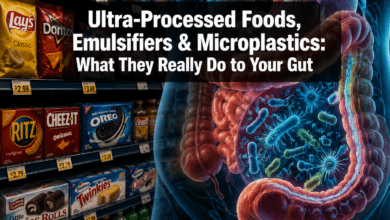

Ultra-Processed Foods, Emulsifiers, and Microplastics: What They Really Do to Your Gut
Ultra-processed foods, emulsifiers and microplastics can affect gut bacteria, the mucus layer and gut barrier health. Learn what matters and…
Read More » -
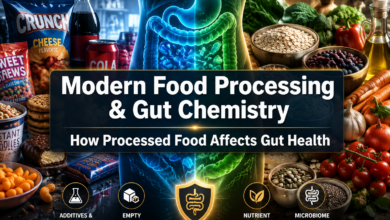
Modern Food Processing and Gut Health: How Processed Food Affects Gut Chemistry
Modern food processing can change the food matrix, gut bacteria, fibre structure, additives and inflammation signals. Learn how processed food…
Read More » -
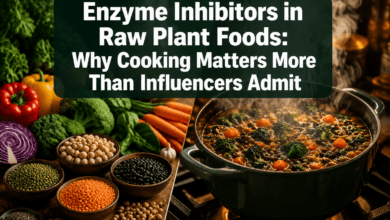
Enzyme Inhibitors in Raw Plant Foods: Why Cooking Matters More Than Influencers Admit
Raw plant foods can contain enzyme inhibitors, lectins and phytates that reduce nutrient absorption. Learn why cooking, sprouting and fermentation…
Read More » -
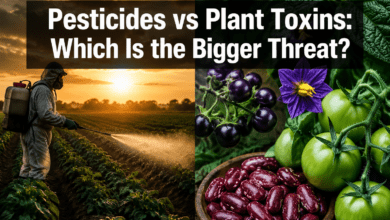
Pesticides vs Plant Toxins: Which Is the Bigger Threat to Your Health and the Environment?
Pesticides and natural plant toxins both affect health and the environment. This evidence-based guide compares the real risks and practical…
Read More » -
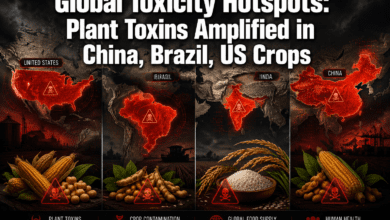
Global Toxicity Hotspots: Plant Toxins Amplified in China, Brazil, US Crops
Global crop toxicity hotspots are shaped by pesticides, plant toxins, trade and climate stress. Learn what matters most for food…
Read More » -
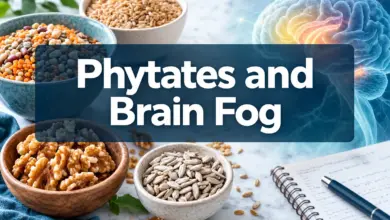
Phytates and Brain Fog: What the Evidence Actually Shows
Fresh evidence check: 26 September 2026. This article separates what is established about phytate and mineral absorption from what has…
Read More » -
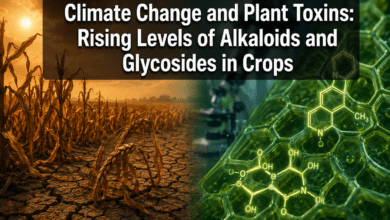
Climate Change and Plant Toxins: Rising Levels of Alkaloids and Glycosides in Crops
Last updated: May 12, 2026 Quick Answer: Climate-related stress can alter the chemical profile and food-safety risks of particular crops.…
Read More » -
Histamine Intolerance and Plant Lectins: The Overlooked Gut-Brain Connection
Last updated: May 12, 2026 Quick Answer: Histamine intolerance and plant lectins are connected through gut wall disruption and mast…
Read More » -

Antinutrients and Athletic Performance: How Plant Toxins Sabotage Endurance and Recovery
Last updated: May 12, 2026 Quick Answer Antinutrients are naturally occurring compounds in plant foods — including lectins, oxalates, phytates,…
Read More » -
Children, Antinutrients, and ADHD: What the Evidence Actually Shows
Last updated: September 2026 Quick answer: Some plant compounds can affect mineral absorption under particular conditions, and raw or insufficiently…
Read More »