Food Science & Preparation
Food Science & Preparation is where we unpack what actually happens to food when you grow it, process it and cook it – from plant toxins and antinutrients through to fermentation, home cooking methods and industrial ultra‑processing. This category covers why our ancestors soaked, sprouted, fermented and cooked plants to blunt their defence chemicals, what modern research really says about lectins, phytates, oxalates and other antinutrients, and how much you can fix (or ruin) with smart preparation. You will also find clear, evidence‑based guides to traditional fermented foods, the science of boiling, roasting, grilling and steaming, and what ultra‑processed foods are doing differently at the factory level – emulsifiers, additives, textures and flavours that your gut and brain still treat as “weird”. The goal is simple: cut through food marketing and ideology, explain the mechanisms in plain language, and give you practical ways to choose ingredients and preparation methods that genuinely improve long‑term health.
Prefer a guided reading path? Start with the Food Science & Preparation hub, then choose either Plant Toxins & Antinutrients or Modern Food Processing & Gut Chemistry.
-
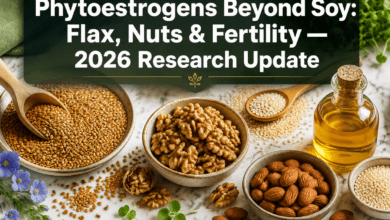

Phytoestrogens Beyond Soy: Flax, Nuts, and Fertility Impacts in 2026 Research
Last updated: May 10, 2026 Quick Answer: Phytoestrogens are plant compounds that interact with estrogen receptors in the…
Read More » -
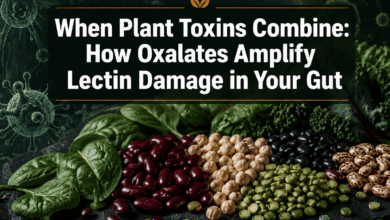
Synergistic Plant Toxin Effects: How Oxalates Amplify Lectin Damage in the Gut
Last updated: May 10, 2026 Quick Answer: Oxalates and lectins are two of the most studied plant defense compounds. When…
Read More » -
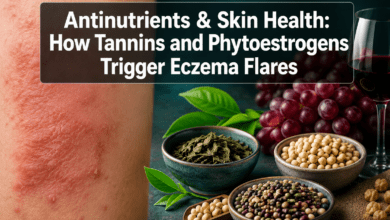
Antinutrients and Skin Health: How Tannins and Phytoestrogens Trigger Eczema Flares
Last updated: May 10, 2026 Quick Answer Certain plant compounds — particularly tannins and phytoestrogens — can contribute to eczema…
Read More » -
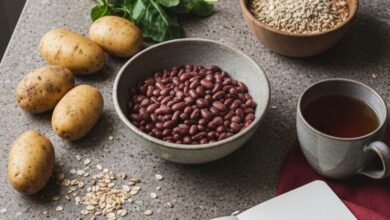
What Plant Toxins Actually Do to Your Body: Effects on Digestion, Absorption and Inflammation
Last updated: September 26, 2026 Evidence note: “Plant toxins” and “antinutrients” are broad labels, not a single diagnosis or a…
Read More » -
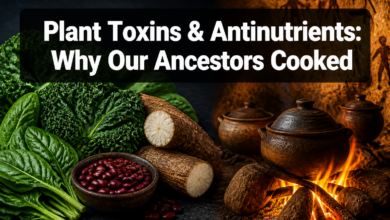
Plant Toxins, Antinutrients and Why Our Ancestors Cooked: The Complete Evidence-Based Guide
Last updated: September 26, 2026 Evidence note: “Plant toxins” and “antinutrients” are broad labels, not a single diagnosis or verdict…
Read More »