Histamine Intolerance and Plant Lectins: The Overlooked Gut-Brain Connection
Last updated: May 12, 2026
Quick Answer: Histamine intolerance and plant lectins are connected through gut wall disruption and mast cell activation. When dietary lectins damage intestinal tight junctions and trigger mast cell degranulation, histamine floods the system faster than the body can break it down. The result is a cascade of symptoms — from hives and headaches to anxiety and brain fog — that most people never trace back to the food on their plate.
Key Takeaways
- Plant lectins are proteins found in legumes, grains, nightshades, and sprouts that resist digestion and can disrupt the gut lining.
- Histamine intolerance occurs when histamine accumulates faster than the enzyme diamine oxidase (DAO) can clear it — and lectin-driven gut damage directly suppresses DAO activity.
- Lectins activate mast cells via toll-like receptors, triggering histamine release even without a true allergic reaction. [3]
- The gut-brain axis is a two-way communication highway. Lectin-induced gut inflammation can travel upstream, affecting mood, cognition, and neurological function. [4]
- A 2026 narrative review linked dietary lectins to Parkinson’s disease pathogenesis through gut-brain axis disruption, alpha-synuclein aggregation, and dopaminergic neuron damage. [2]
- A 2025 animal study found that chronic lectin exposure increased oxidative stress markers and triggered neuronal apoptosis in the substantia nigra, cerebellum, and brainstem. [1]
- Cooking methods matter significantly: pressure cooking, soaking, fermenting, and sprouting reduce lectin content by 50–99% in most legumes.
- A low-lectin elimination protocol (typically 4–8 weeks) is a sensible starting point for people with unexplained histamine symptoms, not a permanent lifestyle.
- Always rule out other causes first. Histamine intolerance overlaps with MCAS, IBS, SIBO, and true food allergy — professional diagnosis matters.
Table of Contents
- What Are Plant Lectins and Why Do They Matter?
- How Do Lectins Trigger Histamine Release?
- Understanding Histamine Intolerance and Plant Lectins: The Overlooked Gut-Brain Connection
- What Does the Research Actually Show?
- How Does This Connect to Anxiety, Brain Fog, and Mood?
- Who Is Most at Risk?
- How to Test for Histamine Intolerance and Lectin Sensitivity
- Practical Strategies: Reducing Lectin Load Without Eliminating Healthy Foods
- What the Evidence Suggests About Long-Term Management
- Frequently Asked Questions
- Conclusion: What to Do With This Information
What Are Plant Lectins and Why Do They Matter?
Plant lectins are carbohydrate-binding proteins that plants produce as part of their natural defence system. They are found in high concentrations in legumes, wheat, nightshades (tomatoes, peppers, aubergines), peanuts, and certain seeds and sprouts.
In plain English: lectins are sticky proteins that bind to sugar molecules on cell surfaces. That stickiness is exactly what makes them biologically active — and potentially disruptive in sensitive individuals.
Most people tolerate lectins without issue, especially when foods are properly cooked. But for a subset of the population, lectins resist digestion, accumulate in the gut, and begin interfering with intestinal barrier function. [3]
Key lectin-rich foods:
| Food Category | High-Lectin Examples |
|---|---|
| Legumes | Kidney beans, chickpeas, lentils, soybeans |
| Grains | Wheat (WGA), barley, rye |
| Nightshades | Tomatoes, peppers, aubergines, potatoes |
| Nuts & Seeds | Peanuts, sunflower seeds |
| Sprouts | Bean sprouts, wheat sprouts |
Common mistake: Assuming that because lectins are “natural,” they are harmless in any quantity. Context matters. Raw kidney beans contain enough lectin (phytohaemagglutinin) to cause acute poisoning within hours. Chronic low-level exposure in sensitive individuals is a different but still meaningful concern.
For a broader look at how plants protect themselves with chemical compounds, the article on plant toxins and antinutrients covers the full picture well.
How Do Lectins Trigger Histamine Release?
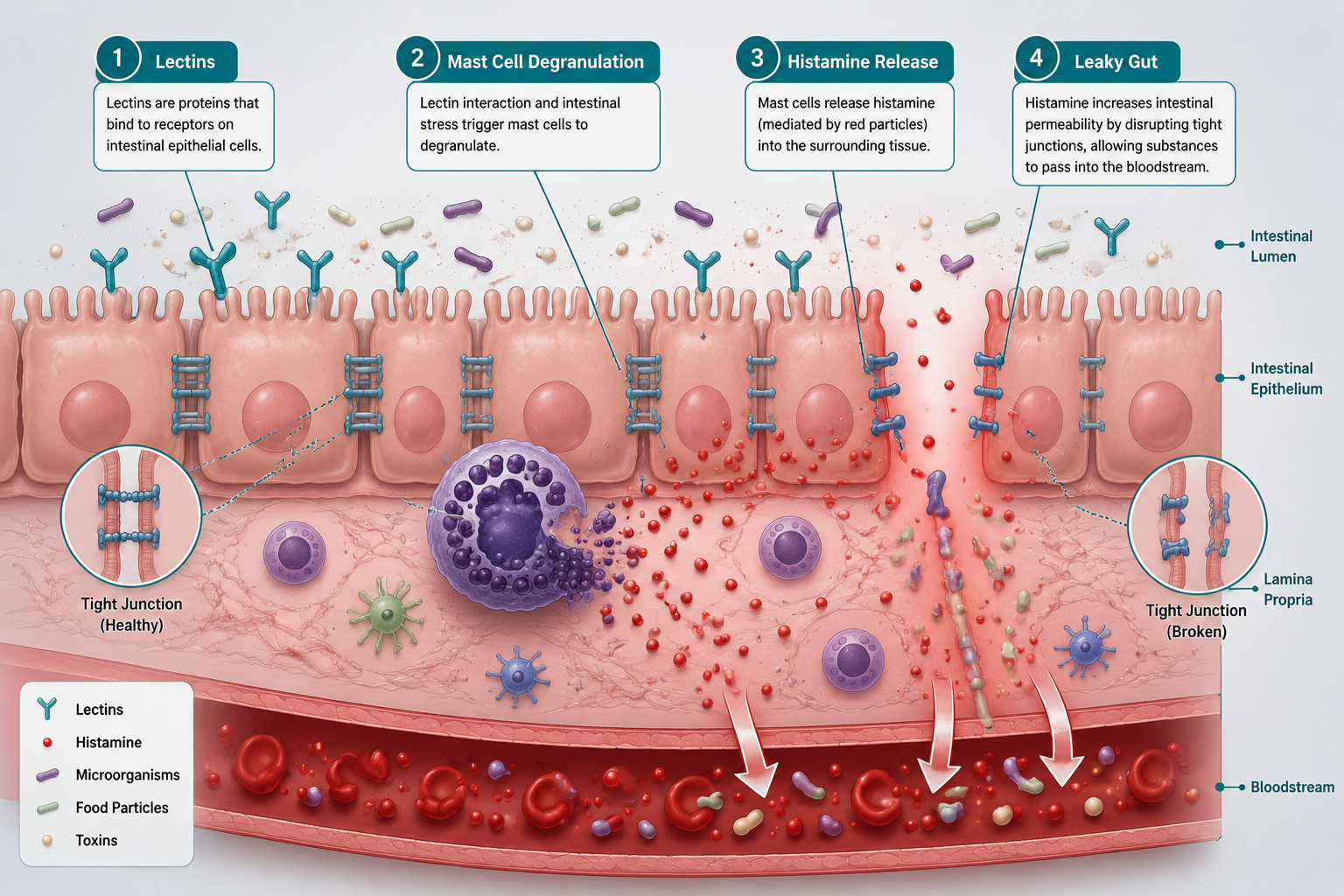
Lectins trigger histamine release through two main pathways: direct mast cell activation and gut barrier disruption. Both pathways can operate simultaneously in sensitive individuals.
Pathway 1 — Direct mast cell activation:
Plant lectins bind to toll-like receptors on mast cells, mimicking pathogen-associated molecular patterns (PAMPs). The immune system reads this as a threat. Mast cells degranulate, releasing histamine, tryptase, and other inflammatory mediators into the surrounding tissue. [3] This happens even without a true IgE-mediated allergy. The immune system is not malfunctioning — it is responding to a signal it was designed to respond to. The problem is frequency and volume.
Pathway 2 — Gut barrier disruption:
Lectins resist normal digestive enzymes and accumulate along the intestinal lining. Over time, they disrupt tight junction proteins — the molecular “seals” between intestinal cells. [3] Once those junctions loosen, three things happen that worsen histamine load:
- Lectins pass intact into the bloodstream, where they encounter more immune cells and trigger more histamine release.
- Gut bacteria shift toward dysbiotic profiles that produce histamine directly.
- Diamine oxidase (DAO), the primary enzyme that breaks down histamine, is produced by intestinal epithelial cells. Damaged epithelium means reduced DAO output. [4]
Here’s the real issue: most people with histamine intolerance focus on the histamine content of foods — aged cheese, red wine, fermented products — without ever questioning whether their gut’s ability to clear histamine has been compromised upstream. Lectin-driven gut damage is one of the more overlooked contributors to that impairment.
For more on the science of gut permeability and its downstream effects, see what the science actually says about leaky gut.
Understanding Histamine Intolerance and Plant Lectins: The Overlooked Gut-Brain Connection
The connection between histamine intolerance and the brain is more direct than most people realise. Histamine is not just a peripheral immune chemical — it is also a neurotransmitter. [4]
In the brain, histamine regulates wakefulness, appetite, cognition, and emotional processing. When peripheral histamine levels rise beyond the body’s clearance capacity, excess histamine crosses the blood-brain barrier and disrupts these functions. The result can include:
- Brain fog and poor concentration
- Anxiety and irritability
- Headaches and migraines
- Sleep disruption
- Low mood or depressive episodes
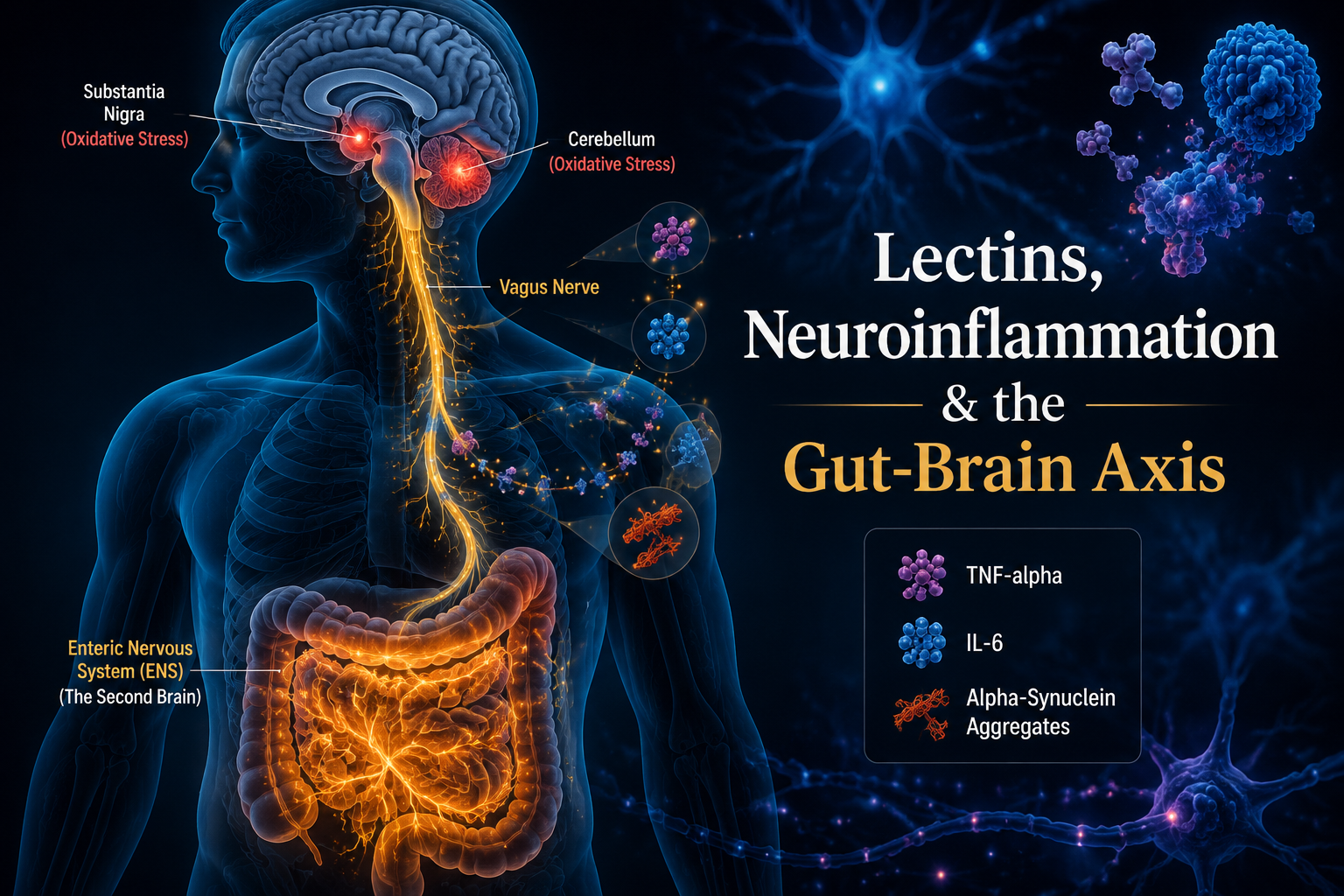
The gut-brain axis — the bidirectional communication network linking the enteric nervous system, vagus nerve, and central nervous system — is the highway through which this disruption travels. [4] Research from the NIH confirms that a weakened gut-brain connection contributes to cognitive and memory impairment, and that gut inflammation is a key driver of that weakening. [5]
What makes histamine intolerance and plant lectins: the overlooked gut-brain connection so clinically relevant is the feedback loop it creates:
Lectins damage the gut → histamine accumulates → neuroinflammation increases → gut motility and microbiome composition worsen → DAO activity drops further → histamine accumulates more.
This cycle can sustain itself for years in people who are never told to look at their lectin intake.
For a deeper dive into how the gut communicates with the brain, the article on the gut-brain axis is worth reading alongside this one.
What Does the Research Actually Show?
The evidence on lectins and neurological function is newer than most people expect, and it is worth being precise about what it does and does not say.
The 2025 bean sprout lectin study [1]:
A study published in mid-2025 examined chronic oral exposure to BS-Gal, a galactose-specific lectin from bean sprouts, in a mouse model. The findings were notable:
- Hydrogen peroxide, nitric oxide, and malondialdehyde (a marker of lipid oxidation) all increased significantly in brain tissue.
- Antioxidant enzyme activity decreased in the substantia nigra, cerebellum, and brainstem.
- Pro-apoptotic markers (Bad, Bax) rose while anti-apoptotic proteins (Bcl-2, Bcl-xL) fell — a pattern consistent with programmed neuronal death.
- Glycolytic and citric acid cycle enzymes were suppressed, disrupting cellular energy production in critical brain regions.
- NF-κB activation increased alongside proinflammatory cytokines (TNF-α, IL-6, IL-1β), while anti-inflammatory markers (IκB-α, IL-4, IL-10, TGF-β) declined. [1]
The 2026 Parkinson’s disease narrative review [2]:
A comprehensive review published in the World Journal of Biology Pharmacy and Health Sciences linked dietary plant lectins to Parkinson’s disease pathogenesis through gut-brain axis disruption. Key findings:
- Lectins found in legumes, nightshades, grains, and sprouts are increasingly implicated in neurodegeneration.
- Some lectins demonstrate direct neurotoxicity by inducing oxidative stress, mitochondrial dysfunction, and dopaminergic neuron apoptosis.
- Lectin exposure may promote alpha-synuclein aggregation and propagation from the enteric nervous system to the brain — a central mechanism in Parkinson’s pathology. [2]
What to make of this:
That is a strong claim and needs strong proof. The animal study used isolated lectin at doses that may not reflect typical dietary exposure. The Parkinson’s review is a narrative review, not a randomised controlled trial. These findings are significant enough to take seriously, but not sufficient to conclude that eating lentils causes brain damage. The evidence suggests a plausible mechanism that warrants further human research — not panic about legumes.
The stronger evidence points to high-dose, chronic exposure in individuals with compromised gut barriers, not occasional consumption of well-cooked legumes in people with healthy guts.
How Does This Connect to Anxiety, Brain Fog, and Mood?
Histamine intolerance and plant lectins: the overlooked gut-brain connection becomes most visible in the neurological and psychological symptom profile that many sufferers carry for years without explanation.
Based on current evidence, the mechanisms linking lectin-driven histamine excess to brain symptoms include:
1. Histamine as a neuromodulator
Histamine H1 and H3 receptors in the brain influence wakefulness, anxiety regulation, and working memory. Excess histamine at H1 receptors is associated with anxiety and agitation. Disruption of H3 receptors impairs cognitive function and attention. [4]
2. Mast cell activation in the gut-brain axis
Mast cells are present throughout the gut lining and in brain tissue. Lectin-triggered mast cell activation in the gut releases mediators that travel via the vagus nerve and bloodstream to the brain, promoting neuroinflammation. [3]
3. Microbiome disruption
Lectin-induced gut dysbiosis shifts the microbiome toward histamine-producing bacteria (Morganella morganii, certain Lactobacillus strains in excess) while reducing histamine-degrading species. This directly increases the histamine burden the gut must clear. [4]
4. Serotonin pathway interference
Approximately 90% of the body’s serotonin is produced in the gut. Chronic gut inflammation from lectin exposure disrupts enterochromaffin cell function, reducing serotonin output and affecting mood regulation. [6]
Symptoms that may point to this pattern:
- Anxiety that worsens after eating (particularly legumes, tomatoes, fermented foods)
- Brain fog that clears during fasting or low-lectin periods
- Headaches or migraines with no clear trigger
- Sleep disruption, particularly difficulty falling asleep
- Unexplained low mood or irritability after meals
Edge case: Some individuals report that fermented foods — often recommended for gut health — worsen their symptoms dramatically. This is consistent with histamine intolerance, since fermentation increases histamine content significantly. If probiotics or fermented foods reliably worsen symptoms, histamine intolerance (potentially lectin-driven) should be on the diagnostic list.
For more on managing gut inflammation through diet, the best anti-inflammatory foods for gut health guide is a practical companion resource.
Who Is Most at Risk?
Not everyone who eats lectins develops histamine intolerance or neurological symptoms. Several factors increase susceptibility.
Higher-risk profiles:
- People with existing gut permeability issues — IBS, Crohn’s, coeliac disease, or a history of antibiotic overuse
- Those with low DAO enzyme activity — genetic variants (AOC1 gene polymorphisms) reduce baseline DAO production
- Women in perimenopause and menopause — oestrogen stimulates mast cell activity; falling oestrogen levels can paradoxically increase mast cell reactivity in some individuals
- People under chronic stress — cortisol and stress hormones suppress DAO activity and increase gut permeability [7]
- Those with mast cell activation syndrome (MCAS) — lectins are a documented trigger for mast cell degranulation in this population [3]
- Individuals eating a high-lectin diet without adequate preparation — raw or undercooked legumes, unfermented soy, and heavily processed grain products
Lower-risk profiles:
- People with robust gut microbiomes and intact intestinal barriers
- Those who consistently use proper food preparation (pressure cooking, soaking, fermenting)
- Individuals without genetic DAO variants or MCAS
The simplest way to look at it is this: lectins are not universally harmful, but they are not universally benign either. Individual gut health status determines the outcome more than lectin intake alone.
How to Test for Histamine Intolerance and Lectin Sensitivity
There is no single gold-standard test for histamine intolerance. The diagnosis is largely clinical, based on symptom patterns and dietary response. That said, a structured approach gives the most useful information.
Step-by-step testing approach:
Step 1 — Rule out other conditions first
Before attributing symptoms to histamine or lectins, rule out: true IgE-mediated food allergy (skin prick test or specific IgE blood test), coeliac disease (anti-tTG antibody test), SIBO (breath test), and inflammatory bowel disease (colonoscopy/calprotectin). This matters because the symptom overlap is significant.
Step 2 — DAO enzyme testing
A blood test measuring serum DAO activity is available through functional medicine practitioners and some gastroenterology clinics. Low DAO activity supports a histamine intolerance diagnosis. It is not definitive on its own, but it is useful context.
Step 3 — Symptom diary (2–4 weeks)
Track food intake, symptoms, timing, and severity. Look for patterns: do symptoms worsen after high-histamine foods, high-lectin foods, or both? Does fasting improve symptoms?
Step 4 — Low-lectin, low-histamine elimination protocol (4–8 weeks)
Remove the highest-lectin foods (raw or improperly prepared legumes, wheat, nightshades, peanuts) alongside high-histamine foods (aged cheese, wine, fermented products, processed meats). A sensible starting point is 4 weeks minimum before drawing conclusions.
Step 5 — Structured reintroduction
Reintroduce food groups one at a time, every 3–5 days, monitoring for symptom return. This identifies specific triggers rather than requiring permanent avoidance of entire food categories.
Decision rule: If symptoms improve significantly during elimination and return predictably on reintroduction, that is meaningful clinical evidence — even without a definitive lab test.
Practical Strategies: Reducing Lectin Load Without Eliminating Healthy Foods
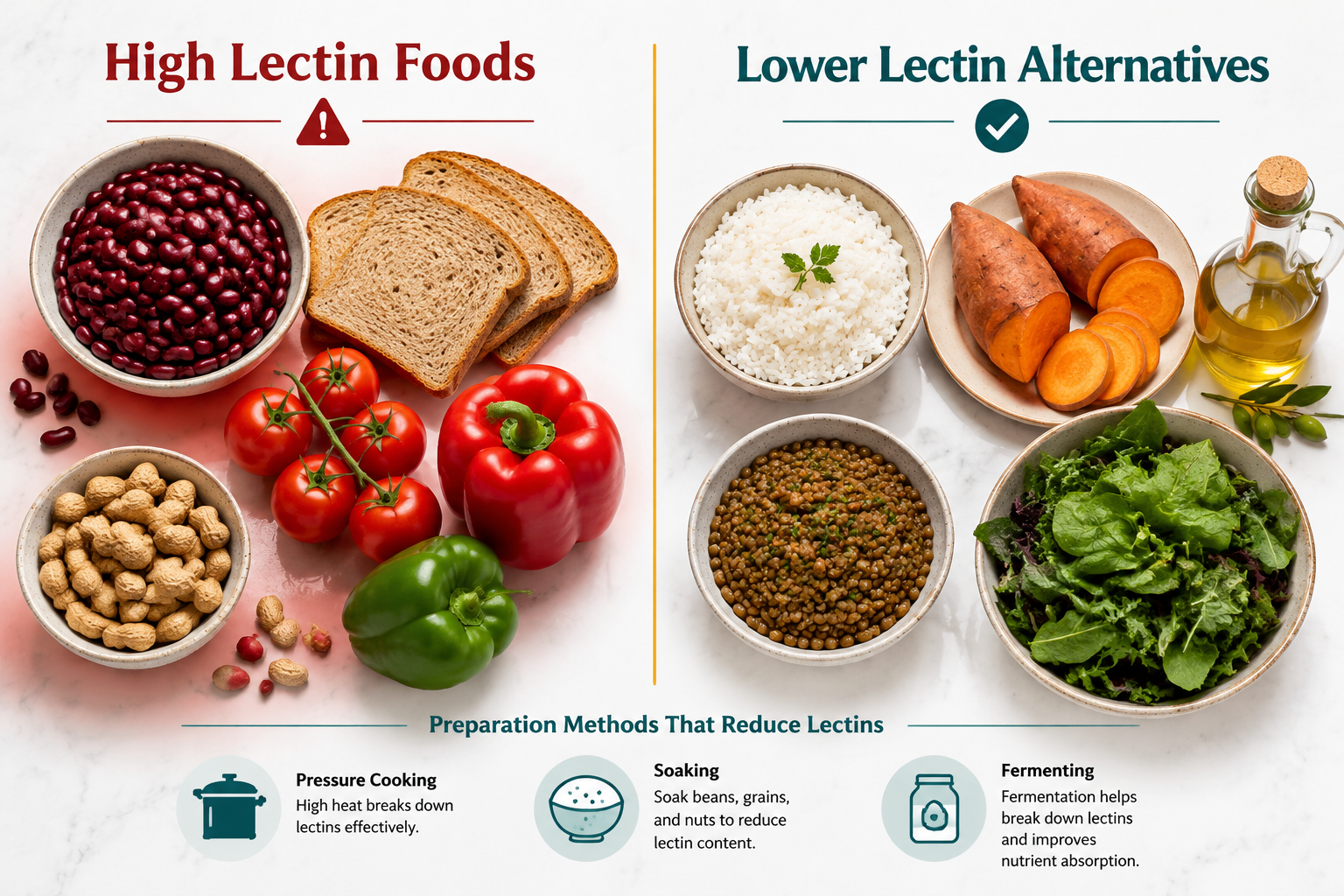
The goal is not to avoid all lectins permanently. The goal is to reduce the lectin burden enough to allow gut healing, DAO recovery, and histamine clearance to normalise. Let’s keep this practical.
Preparation methods that significantly reduce lectins:
| Method | Lectin Reduction | Best For |
|---|---|---|
| Pressure cooking | Up to 99% | Kidney beans, chickpeas, lentils |
| Soaking (12–24 hrs, change water) | 50–70% | All legumes |
| Fermenting | 50–95% | Soy (tempeh, miso), grains |
| Sprouting | Variable (can increase in some) | Use with caution for lectin-sensitive individuals |
| Peeling and deseeding | Moderate | Tomatoes, peppers, courgettes |
Lower-lectin food alternatives:
- Instead of wheat: White rice, cassava, sweet potato, sorghum
- Instead of raw legumes: Pressure-cooked lentils, white beans (well-cooked), or skip legumes temporarily during elimination
- Instead of nightshades: Courgettes (peeled/deseeded), squash, leafy greens
- Instead of peanuts: Macadamia nuts, hemp seeds, coconut
Supporting DAO enzyme activity:
- Vitamin B6, copper, and vitamin C are cofactors for DAO production — ensure dietary adequacy
- Quercetin (found in onions, capers, apples) acts as a natural mast cell stabiliser and may reduce histamine release [3]
- Gut repair support: Zinc, L-glutamine, and short-chain fatty acids from fermentable fibre support tight junction integrity
Important note: DAO enzyme supplements are available and used by some practitioners for short-term symptom management. The evidence is preliminary. They address symptoms, not the underlying cause. I would be careful with that as a long-term strategy without also addressing gut barrier function.
For practical guidance on gut health restoration, the gut health and digestive wellness guide and the 4-week gut reset protocol are both worth reviewing.
Anti-inflammatory eating also plays a direct role here — the anti-inflammatory foods ultimate guide covers the dietary side of reducing systemic inflammation that worsens both histamine load and gut permeability.
What the Evidence Suggests About Long-Term Management
Managing histamine intolerance linked to lectin sensitivity is not about permanent restriction. It is about identifying the root cause, reducing the burden during a healing phase, and rebuilding gut resilience.
The main takeaway is this: lectins are not the enemy for most people. Improperly prepared, high-dose, or chronic lectin exposure in individuals with compromised gut barriers is where the problem lives. Fix the gut, restore DAO activity, and most people can tolerate a much wider range of foods than they could during their symptomatic period.
What the evidence supports:
- Gut barrier repair through dietary and lifestyle interventions reduces lectin translocation and mast cell activation [3]
- Addressing gut dysbiosis (through prebiotic fibre, targeted probiotics, and reduced processed food intake) shifts the microbiome toward histamine-degrading profiles [4]
- Stress management is not optional — chronic stress directly impairs both gut barrier integrity and DAO activity [7]
- Sleep quality affects gut permeability and immune regulation; poor sleep worsens histamine symptoms in susceptible individuals
For stress management strategies that support gut health, the guide on managing stress for long-term health is directly relevant.
What is not yet clear:
The long-term neurological implications of chronic low-level lectin exposure in humans remain under-researched. The 2025 and 2026 studies [1][2] are significant, but they are early-stage findings. More is not always better when it comes to extrapolating from animal models to human dietary advice. Keep that in perspective.
Frequently Asked Questions
Q: Can lectins cause anxiety on their own?
Lectins do not directly cause anxiety, but they can contribute to it indirectly. By triggering mast cell activation, increasing histamine levels, and promoting neuroinflammation via the gut-brain axis, lectin exposure can worsen anxiety symptoms in sensitive individuals — particularly those with existing gut permeability issues or low DAO activity. [3][4]
Q: Is histamine intolerance the same as a histamine allergy?
No. A histamine allergy involves IgE-mediated immune responses to histamine-containing foods. Histamine intolerance is an enzyme deficiency problem — the body produces or ingests more histamine than DAO can break down. The symptoms can look similar, but the mechanism and management differ.
Q: Does cooking always remove lectins?
Pressure cooking removes up to 99% of lectins in most legumes. Standard boiling for 10–15 minutes is insufficient for high-lectin foods like kidney beans. Baking does not significantly reduce lectins in wheat. Preparation method matters enormously.
Q: Are nightshades high in lectins?
Yes, particularly in the seeds and skin. Peeling and deseeding tomatoes, peppers, and courgettes reduces lectin content substantially. Cooking also helps. For highly sensitive individuals, temporary elimination during a healing phase is reasonable.
Q: Can I take a DAO supplement instead of changing my diet?
DAO supplements may reduce acute symptoms by supporting histamine breakdown in the gut. They do not address lectin-driven gut damage or the underlying causes of reduced DAO production. Think of them as a short-term management tool, not a solution.
Q: How long does it take to see improvement on a low-lectin diet?
Most people with genuine lectin sensitivity notice meaningful symptom improvement within 4–8 weeks of reducing high-lectin foods. Gut barrier repair takes longer — typically 3–6 months of consistent dietary and lifestyle support.
Q: Should everyone go low-lectin?
No. The basics still do the heavy lifting for most people: eat a varied whole-food diet, prepare legumes properly, manage stress, and support gut health. A low-lectin approach is most relevant for people with unexplained histamine symptoms, MCAS, IBS, or suspected gut permeability issues.
Q: Are fermented foods safe with histamine intolerance?
Not always. Fermentation increases histamine content significantly. People with histamine intolerance often react badly to yoghurt, kefir, kombucha, sauerkraut, and aged cheeses — even though these foods are beneficial for most people. This is one of the more confusing aspects of managing histamine intolerance.
Q: Can children have lectin-related histamine intolerance?
Yes, though it is less commonly identified in children. Unexplained eczema, recurrent headaches, and behavioural changes after eating are sometimes linked to histamine and lectin sensitivity in paediatric populations. A paediatric dietitian should be involved in any elimination protocol for children.
Q: Is the link between lectins and Parkinson’s disease proven?
No. The 2026 narrative review [2] and 2025 animal study [1] establish plausible mechanisms, but human clinical evidence is not yet sufficient to draw firm conclusions. The research is worth watching, but it does not support avoiding all lectin-containing foods as a Parkinson’s prevention strategy at this stage.
Conclusion: What to Do With This Information
The connection between histamine intolerance and plant lectins is real, mechanistically plausible, and clinically relevant for a specific subset of people — particularly those with unexplained neurological symptoms, anxiety, brain fog, or histamine reactions that do not respond to standard low-histamine dietary advice alone.
Here is what is worth acting on:
- If you have unexplained histamine symptoms, add lectin load to your investigative checklist — not just histamine content of foods.
- Prepare legumes properly. Pressure cooking is non-negotiable for kidney beans and chickpeas. Soaking helps across the board.
- Prioritise gut barrier repair. Without addressing gut permeability, lectin avoidance alone is incomplete management.
- Use a structured elimination protocol (4–8 weeks minimum) rather than vague avoidance, so you can actually identify your triggers.
- Work with a qualified practitioner — a gastroenterologist, functional medicine doctor, or registered dietitian — before committing to long-term dietary restriction. The symptom overlap with other conditions is too significant to self-diagnose.
- Do not over-restrict permanently. The evidence does not support blanket lectin avoidance for the general population. Context matters. Individual gut health status matters more than any single dietary compound.
There is no magic in it. The basics — gut health, stress management, proper food preparation, and a varied whole-food diet — still do the heavy lifting. But for those who have been chasing histamine symptoms without resolution, the lectin connection is worth a serious look.
📂 Plant Toxins & Antinutrients
This article is part of our cluster. You are reading the featured article below.
- → Enzyme Inhibitors in Raw Plant Foods: Why Cooking Matters More Than Influencers Admit
- → Pesticides vs Plant Toxins: Which Is the Bigger Threat to Your Health and the Environment?
- → Global Toxicity Hotspots: Plant Toxins Amplified in China, Brazil, US Crops
- → Plant Toxins and Brain Fog: New 2026 Studies Linking Phytates to Cognitive Decline
- → Climate Change and Plant Toxins: Rising Levels of Alkaloids and Glycosides in Crops
- YOU ARE HERE Histamine Intolerance and Plant Lectins: The Overlooked Gut-Brain Connection
- → Antinutrients and Athletic Performance: How Plant Toxins Sabotage Endurance and Recovery
- → Kids and Plant Toxins: Antinutrient Impacts on Growth, ADHD, and Developing Brains
- → Phytoestrogens Beyond Soy: Flax, Nuts, and Fertility Impacts in 2026 Research
- → Synergistic Plant Toxin Effects: How Oxalates Amplify Lectin Damage in the Gut
- → Antinutrients and Skin Health: How Tannins and Phytoestrogens Trigger Eczema Flares
- → What Plant Toxins Actually Do to Your Body: Effects on Digestion, Absorption and Inflammation
References
[1] PubMed — Bean sprout lectin study on brain oxidative damage and neuroinflammation – https://pubmed.ncbi.nlm.nih.gov/40512724/ [2] Dietary Plant Lectins and Parkinson’s Disease: Narrative Review Gut Brain Axis Disruption and Neurodegeneration – https://wjbphs.com/content/dietary-plant-lectins-and-parkinsons-disease-narrative-review-gut-brain-axis-disruption-and [3] Lectins, Low Lectin Foods, and the Mast Cell Connection for Those with Mast Cell Activation Syndrome or Histamine Intolerance – https://mastcell360.com/lectins-low-lectin-foods-and-the-mast-cell-connection-for-those-with-mast-cell-activation-syndrome-or-histamine-intolerance/ [4] Histamine Intolerance and Its Gut-Brain Connection – https://mybrainco.com/blogs/library/histamine-intolerance-and-its-gut-brain-connection [5] NIH Research Matters — Weakened Gut-Brain Connection May Contribute to Memory Loss – https://www.nih.gov/news-events/nih-research-matters/weakened-gut-brain-connection-may-contribute-memory-loss [6] PMC12721889 — Gut serotonin and neurological function – https://pmc.ncbi.nlm.nih.gov/articles/PMC12721889/ [7] PMC8069563 — Stress, gut permeability, and DAO activity – https://pmc.ncbi.nlm.nih.gov/articles/PMC8069563/
Dave James has spent 30+ years reading health and longevity research, and has run All Perfect Health for the past five. His background is in Australian mining and industrial engineering — disciplines built on questioning claims, measuring outcomes, and respecting evidence. He writes about what the research actually says, including where the experts disagree.
More about Dave & this site →