Banana Nutrition Facts: Calories, Benefits and Best Ways to Eat Them (2026)
Last updated: April 3, 2026
Quick Answer: A medium banana (approximately 100g) provides around 105 calories, 27g of carbohydrates, 3.1g of dietary fiber, 422mg of potassium, and meaningful amounts of vitamin B6 and vitamin C. The nutrition info of banana shows that bananas have a low glycemic index (GI of 51 when ripe), making them a nutritious, energy-sustaining fruit suitable for most people — including those managing blood sugar, digestive health, or exercise recovery.
Key Takeaways
- One medium banana delivers roughly 105 calories, 27g carbs, 1.3g protein, 0.4g fat, and 3.1g fiber
- Bananas have a low GI of 51 (ripe) and 42 (slightly underripe), making them blood-sugar-friendly for most people
- Potassium content (422mg per banana) supports heart health and healthy blood pressure
- Resistant starch in underripe bananas acts as a prebiotic, feeding beneficial gut bacteria
- Vitamin B6 in bananas supports brain function, protein metabolism, and red blood cell production
- Bananas contain beneficial plant compounds including dopamine (as an antioxidant) and catechins
- They can support weight management due to their fiber content and moderate calorie load
- Over 1,000 banana varieties exist worldwide; Cavendish accounts for roughly 45% of global exports
- Banana allergies are uncommon but real — people with latex allergy have a notably higher risk of cross-reactivity
- Bananas store best at room temperature and should be consumed within a few days of ripening
What Is the Nutritional Profile of a Banana?
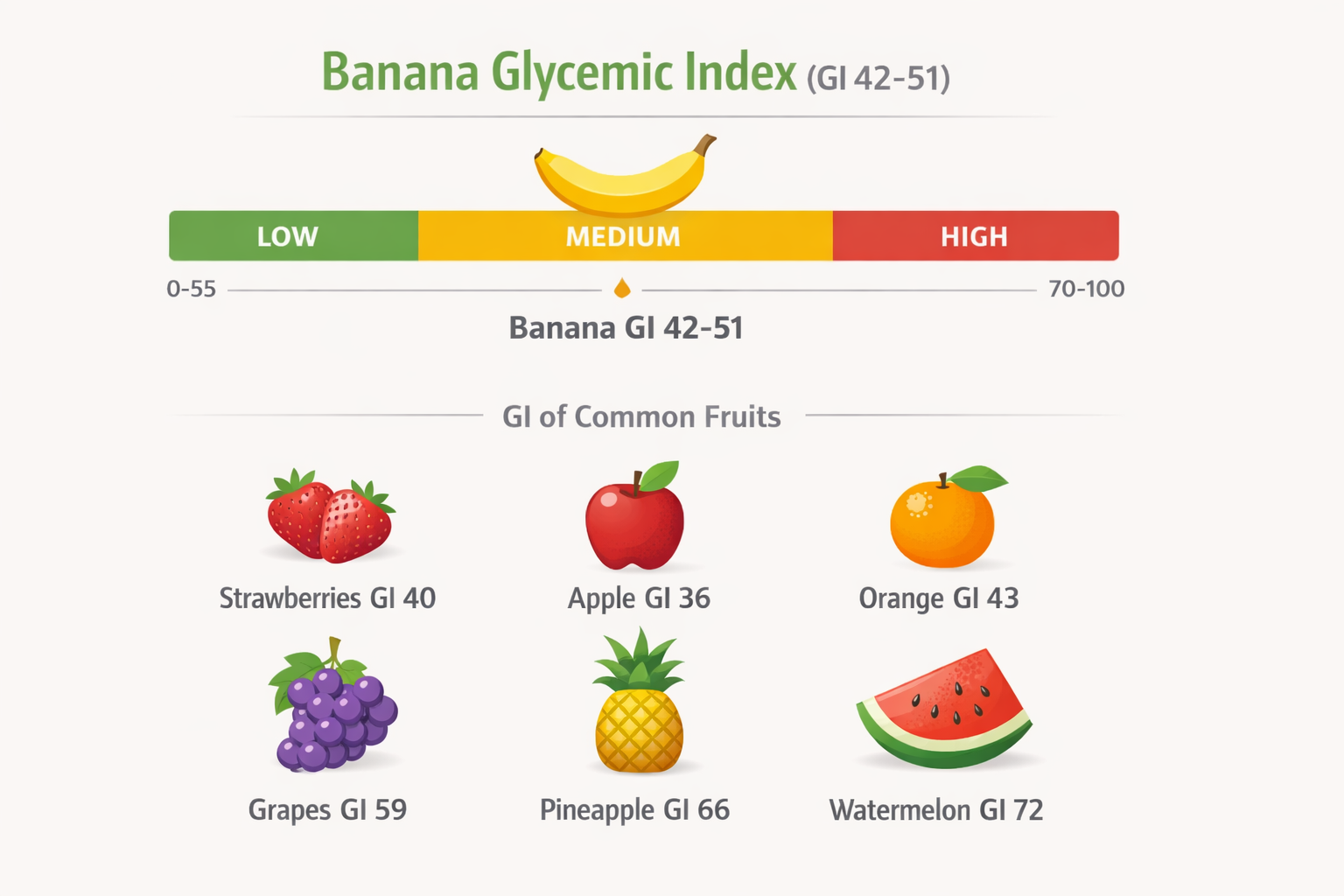
A medium banana weighing approximately 100 grams is one of the most nutrient-dense portable foods available. It delivers a balanced mix of carbohydrates for energy, fiber for digestive support, and key micronutrients — all for around 105 calories.
For detailed insights, check the nutrition info of banana to understand its health benefits and how it fits into a balanced diet.
Here is the full breakdown for one medium banana (100g):
| Nutrient | Amount |
|---|---|
| Calories | 105 kcal |
| Water | ~75% |
| Carbohydrates | 27g |
| Sugar | 14.4g |
| Dietary Fiber | 3.1g |
| Protein | 1.3g |
| Fat | 0.4g |
| Potassium | 422mg |
| Vitamin C | 10.3mg |
| Vitamin B6 | ~0.4mg |
| Magnesium | ~27mg |
| Sodium | 1.2mg |
Bananas are low in fat and sodium, making them a naturally heart-friendly snack. The combination of natural sugars and fiber means energy is released gradually rather than in a sharp spike — which is why bananas are a popular pre-workout food.
Common mistake: Many people assume bananas are “too sugary” and avoid them on weight-loss plans. In reality, the fiber content moderates sugar absorption, and at 105 calories per serving, bananas are lower in calories than most packaged snack alternatives.
Do Bananas Have a High Glycemic Index?
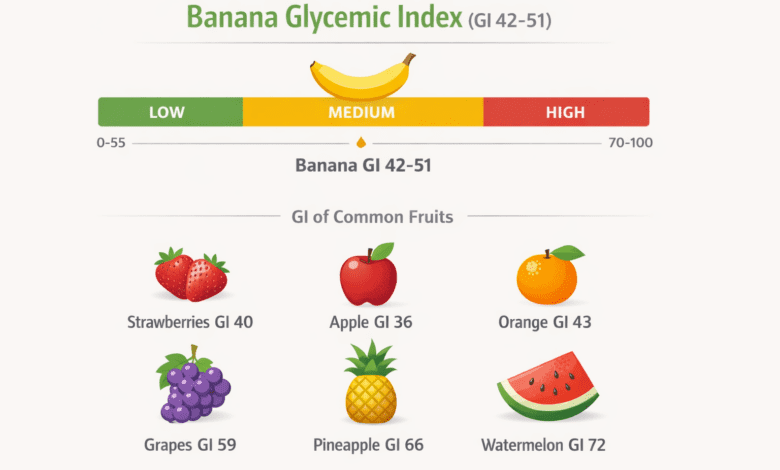
No. Bananas have a low-to-moderate glycemic index, which means they do not cause a sharp spike in blood sugar for most people. The GI of a ripe banana is approximately 51, and an underripe banana scores around 42 — both fall within the “low GI” category (55 or below).
The glycemic load (GL) — which accounts for both GI and the actual amount of carbohydrate per serving — is around 13 for a ripe banana and 11 for an underripe one. A GL of 10 or below is considered low; 11–19 is moderate. So bananas sit at the lower end of the moderate GL range, which is well within acceptable limits for most healthy diets.
What changes the GI of a banana:
- Ripeness: The riper the banana, the higher the GI, because starches convert to simple sugars as the fruit matures
- Pairing: Eating a banana with protein or fat (e.g., nut butter) lowers the overall glycemic response of the meal
- Cooking: Cooked or blended bananas may have a slightly different glycemic impact than raw
Choose underripe bananas if you are managing blood sugar more carefully, since the higher resistant starch content slows digestion and produces a lower glycemic response.
What Are the Key Vitamins and Minerals in Bananas?
Bananas are a reliable source of several micronutrients that support everyday body functions. Here is what each one does and why it matters:
Potassium
A single medium banana provides approximately 422mg of potassium — around 9% of the recommended daily intake for adults. Potassium is an electrolyte that helps regulate fluid balance, supports muscle contractions, and plays a direct role in maintaining healthy blood pressure by counteracting the effects of sodium. For people who exercise regularly, potassium also helps prevent muscle cramps.
Vitamin B6
Bananas are one of the better whole-food sources of vitamin B6, providing roughly 0.4mg per medium fruit — about 25% of the daily recommended value. Vitamin B6 supports protein metabolism, the production of neurotransmitters like serotonin and dopamine, and the formation of red blood cells. It is particularly important during pregnancy for fetal brain development.
Vitamin C
Each banana provides around 10mg of vitamin C, contributing to the body’s antioxidant defenses, immune function, and collagen synthesis. While bananas are not as high in vitamin C as citrus fruits, they still make a meaningful contribution when eaten regularly as part of a varied diet. If you’re interested in how antioxidant-rich foods support overall wellness, our guide to anti-inflammatory foods covers this in more depth.
Magnesium
Bananas contain approximately 27mg of magnesium per 100g. Magnesium supports over 300 enzymatic reactions in the body, including muscle and nerve function, blood sugar regulation, and bone formation. It also helps relax blood vessels, which may contribute to lower blood pressure over time.
Dietary Fiber
One medium banana provides about 3.1g of fiber — a mix of soluble fiber (including pectin) and insoluble fiber. Soluble fiber helps slow digestion and stabilize blood sugar, while insoluble fiber supports regular bowel movements. Underripe bananas also contain resistant starch, which behaves like fiber and feeds beneficial gut bacteria. For more on how dietary choices support gut function, see our article on gut health and digestive wellness.
Nutrition Info of Banana: Understanding Its Nutritional Benefits
How Do Bananas Support Digestive Health?
Bananas support digestive health primarily through their fiber content and the presence of resistant starch in underripe varieties. One medium banana provides around 3g of fiber, which helps maintain regular bowel movements and prevents constipation.
The key digestive benefits break down as follows:
- Pectin (found in both ripe and unripe bananas) helps soften stools and may reduce the risk of constipation. Some early laboratory research suggests pectin may have protective effects against colon cancer, though human clinical evidence is still limited.
- Resistant starch in underripe bananas acts as a prebiotic — it passes through the small intestine undigested and ferments in the large intestine, feeding beneficial bacteria like Bifidobacterium and Lactobacillus.
- Soluble fiber slows gastric emptying, which reduces the likelihood of bloating and helps maintain a steady release of nutrients into the bloodstream.
Edge case: People with irritable bowel syndrome (IBS) following a low-FODMAP diet should note that ripe bananas are higher in fructose and may trigger symptoms in sensitive individuals. Underripe bananas are generally better tolerated by those with IBS.
For additional natural strategies to support your digestive system, take a look at these ways to soothe your stomach naturally.
Can Bananas Help With Weight Management?
Bananas can support weight management when eaten as part of a calorie-conscious, balanced diet. At around 105 calories per medium fruit, they are more filling than most processed snacks of equivalent calorie count, largely because of their fiber content.
Here is why bananas work well for weight management:
- Fiber promotes satiety. The 3.1g of fiber per banana slows digestion and extends the feeling of fullness, which can reduce total calorie intake across the day.
- Resistant starch reduces appetite. Studies suggest that resistant starch (higher in underripe bananas) may increase satiety hormones and reduce appetite, though the effect is modest.
- Low energy density. Bananas are about 75% water by weight, which means they provide volume and satisfaction without a high calorie load.
- Natural sweetness reduces cravings. Choosing a banana over a processed sweet snack delivers natural sugars alongside fiber and micronutrients, rather than empty calories.
Choose a slightly underripe banana if you are focused on weight loss — the higher resistant starch content means slower digestion and a lower glycemic response, keeping you fuller for longer.
Common mistake: Treating bananas as a “high-sugar food to avoid” while continuing to eat ultra-processed snacks. Calorie for calorie, a banana is nutritionally far superior to biscuits, energy bars, or crisps.
For structured guidance on losing weight through dietary changes, our fool-proof techniques for rapid weight loss article is a practical starting point.
What Beneficial Plant Compounds Do Bananas Contain?
Beyond standard vitamins and minerals, bananas contain several bioactive plant compounds that contribute to their health benefits.
Dopamine: Bananas contain dopamine, but not in the form that crosses the blood-brain barrier to affect mood. Instead, it functions as a potent antioxidant in the body, helping to neutralize free radicals and reduce oxidative stress linked to chronic disease.
Catechins: These antioxidant flavonoids are also found in green tea and are associated with reduced risk of cardiovascular disease. In bananas, catechins may help protect against oxidative damage to cells and support immune function.
Protease inhibitors: Unripe bananas contain protease inhibitors — compounds that may help protect the stomach lining by inhibiting bacteria like Helicobacter pylori, which is associated with stomach ulcers. Research in this area is still developing.
Serotonin and norepinephrine precursors: Bananas contain tryptophan and vitamin B6, both of which are involved in serotonin synthesis. While eating a banana won’t directly boost mood in a measurable way, consistent intake of these precursors supports healthy neurotransmitter production over time.
These compounds work alongside the fiber and micronutrient content to make bananas genuinely functional food, not just a convenient calorie source. For comparison, avocados and dark chocolate are two other whole foods with similarly well-researched bioactive profiles.
How Do Bananas Affect Blood Pressure and Heart Health?
Bananas are one of the most practical dietary sources of potassium — a mineral with a well-established role in blood pressure regulation. Potassium helps the kidneys excrete excess sodium, which is a primary driver of elevated blood pressure.
The American Heart Association and numerous dietary guidelines recommend increasing potassium intake as part of a heart-healthy diet, and bananas offer a convenient, affordable way to do that. At 422mg per medium banana, eating one or two daily makes a meaningful contribution toward the general adult target of around 3,500–4,700mg per day (depending on guidelines and individual health status).
Additional heart-related benefits of bananas include:
- Magnesium supports blood vessel relaxation and may help reduce arterial stiffness
- Fiber (particularly soluble fiber) is associated with modest reductions in LDL cholesterol
- Antioxidants (dopamine, catechins) help reduce oxidative damage to blood vessel walls
Decision rule: If you are already eating a diet high in sodium (common in processed-food-heavy diets), increasing potassium-rich foods like bananas is one of the simplest dietary adjustments you can make to counterbalance that effect.
Are Bananas Good for People With Diabetes?
Bananas can be part of a diabetes-friendly diet when portion size and ripeness are managed thoughtfully. They are not off-limits for people with type 2 diabetes, but the ripeness level and pairing choices matter.
Key considerations for people with diabetes:
- Choose underripe or just-ripe bananas. These have a lower GI (around 42–51) and higher resistant starch content, resulting in a slower blood sugar response compared to very ripe bananas.
- Watch portion size. Half a medium banana (roughly 50g) is a reasonable serving for someone monitoring carbohydrate intake closely.
- Pair with protein or fat. Eating a banana with a handful of nuts or natural yogurt slows glucose absorption and reduces the overall glycemic impact of the meal.
- Green banana flour has shown promise in some research for improving insulin sensitivity and supporting weight management in people with diabetes, though this is a supplemental form rather than whole fruit.
- Potassium benefits are relevant. People with type 2 diabetes have a higher risk of hypertension, and the potassium in bananas supports blood pressure management.
Important: Anyone with diabetes should work with a registered dietitian or healthcare provider to determine appropriate fruit portions based on their individual glucose response and overall meal plan.
What Are the Main Varieties of Banana and How Do They Differ Nutritionally?
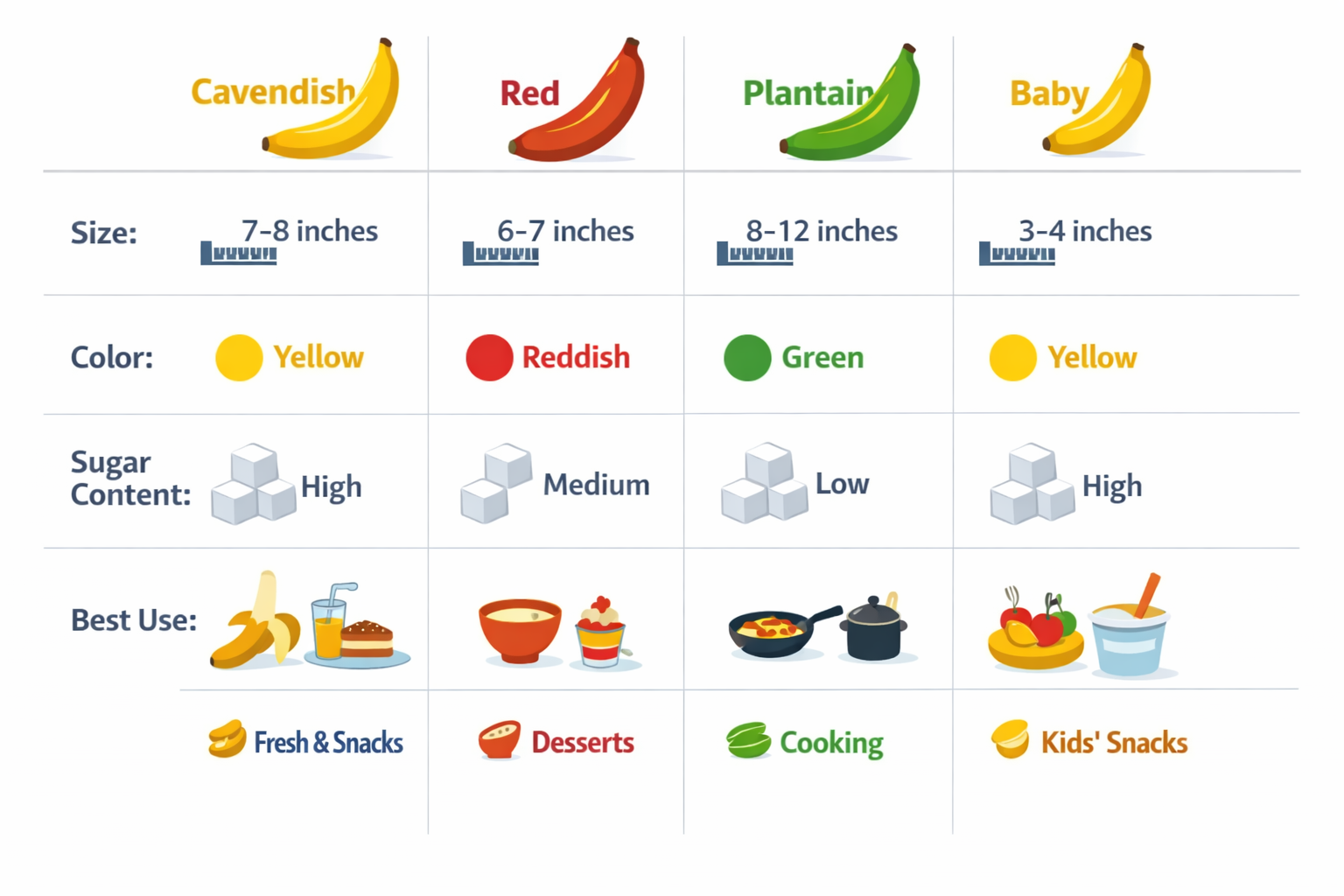
More than 1,000 banana varieties are cultivated worldwide, though most people encounter only a handful in everyday shopping. Here is a practical comparison of the most common types:
| Variety | Size | Flavor Profile | Best Use | Notes |
|---|---|---|---|---|
| Cavendish | Medium | Mild, sweet | Eating fresh, smoothies | ~45% of global exports |
| Red Banana | Smaller | Sweeter, raspberry notes | Baking, fresh eating | Higher beta-carotene than Cavendish |
| Plantain | Large | Starchy, savory | Cooking, frying | Must usually be cooked; lower sugar |
| Baby (Lady Finger) | Small | Very sweet | Snacking, baking | Higher sugar density per gram |
| Burro Banana | Medium | Tangy, lemony | Fresh eating | Firmer texture, slightly lower GI |
Plantains deserve a specific note: They are botanically bananas but are treated as a starchy vegetable in most cuisines. Raw plantains have a much higher resistant starch content and lower sugar than dessert bananas, making them closer nutritionally to a potato than a Cavendish banana.
How Should You Store Bananas and When Should You Eat Them?
Proper storage directly affects both the nutritional profile and taste of bananas.
Storage guidelines:
- Store at room temperature, away from direct sunlight and heat sources
- Do not refrigerate unripe bananas — cold temperatures interrupt the ripening process and cause the skin to blacken prematurely without the flesh fully sweetening
- Once fully ripe, bananas can be refrigerated for 2–3 days; the skin will darken but the flesh remains good
- Overripe bananas (brown-spotted or fully brown) are safe to eat and are ideal for baking — their sugar content is higher and the texture is softer
- Peeled bananas can be frozen for up to 3 months and used directly in smoothies or baking
Best time to eat a banana:
- Before exercise: The fast-releasing carbohydrates provide readily available energy, and potassium supports muscle function
- After exercise: Helps replenish glycogen stores and restore electrolytes lost through sweat
- Before bed: The magnesium and tryptophan content may support muscle relaxation and sleep quality, though the effect is modest
Are There Any Risks or Allergies Associated With Bananas?
Bananas are safe for the vast majority of people, but a few specific groups should be aware of potential issues.
Banana allergy: True banana allergy is uncommon but does occur. Symptoms can include itching or swelling around the mouth and throat, hives, nausea, or in severe cases, anaphylaxis. People with oral allergy syndrome (OAS) may react to bananas because proteins in the fruit cross-react with tree pollen allergens.
Latex-fruit syndrome: This is the most clinically significant risk group. Research indicates that approximately 30–50% of people with a latex allergy also experience reactions to bananas (along with avocado, kiwi, and chestnut). The cross-reactivity occurs because certain banana proteins are structurally similar to latex proteins.
High potassium caution: People with chronic kidney disease (CKD) are often advised to limit potassium intake because impaired kidneys cannot efficiently remove excess potassium from the blood. For this group, bananas should be consumed only as directed by a healthcare provider.
Medication interactions: Bananas are not typically a concern for drug interactions, but people taking beta-blockers (which raise potassium levels) or ACE inhibitors should discuss high-potassium food intake with their doctor.
For most healthy adults, none of these risks apply. Bananas are among the safest and most well-tolerated foods globally.
Frequently Asked Questions About the Nutrition of Banana
Q: How many calories are in a banana?
A medium banana (100g) contains approximately 105 calories. A small banana is closer to 72 calories, and a large banana can reach 121 calories or more.
Q: Is it okay to eat a banana every day?
Yes, for most healthy adults. One banana per day contributes useful amounts of potassium, fiber, and B vitamins without excessive calories or sugar. People with kidney disease or those closely managing carbohydrate intake should consult a healthcare provider.
Q: Are bananas fattening?
No, not inherently. Bananas are low in fat (0.4g per 100g) and moderate in calories. Weight gain is determined by total calorie balance, not by individual foods. Bananas are more likely to support weight management than hinder it, due to their fiber and satiety benefits.
Q: Do bananas have more sugar than other fruits?
Bananas have a moderate sugar content (14.4g per 100g when ripe), which is higher than berries but comparable to grapes and lower than dates or mangoes. The fiber content moderates the sugar’s impact on blood glucose.
Q: What is the best type of banana for blood sugar control?
Underripe (slightly green) Cavendish bananas have the lowest GI (around 42) and the highest resistant starch content, making them the best choice for people managing blood sugar levels.
Q: Can bananas help with muscle cramps?
Bananas are a popular remedy for muscle cramps due to their potassium content. While potassium deficiency can cause cramping, the evidence that eating a banana immediately resolves cramps is mixed. They are more useful as a preventive measure when eaten regularly.
Q: Are banana skins edible?
Yes. Banana skins are edible and contain fiber, potassium, and antioxidants. They are bitter and tough when raw but can be blended into smoothies or cooked. They are more commonly eaten in South and Southeast Asian cuisines.
Q: How does a banana compare nutritionally to an apple?
Bananas are higher in calories, potassium, vitamin B6, and carbohydrates than a medium apple. Apples are slightly higher in vitamin C and certain antioxidants. Both are excellent whole-food choices; the better option depends on your specific nutritional goals.
Q: Can I eat bananas if I’m on a low-carb or keto diet?
Bananas are relatively high in carbohydrates (27g per medium fruit) and are generally avoided on strict ketogenic diets. On a moderate low-carb diet, half a small banana may fit within daily carb limits. Check your specific carb target before including them.
Q: Are frozen bananas as nutritious as fresh?
Yes. Freezing preserves the nutritional content of bananas well. Frozen bananas are an excellent base for smoothies and “nice cream” (blended frozen banana as an ice cream alternative) and retain their potassium, fiber, and vitamin content.
Q: Do bananas help with sleep?
Bananas contain magnesium, potassium, and tryptophan — all of which play roles in muscle relaxation and serotonin/melatonin production. The effect on sleep is modest and indirect, but eating a banana as an evening snack is unlikely to hurt and may offer mild benefit.
Q: What is resistant starch and why does it matter in bananas?
Resistant starch is a type of carbohydrate that resists digestion in the small intestine and ferments in the large intestine, feeding beneficial gut bacteria. Underripe bananas are one of the best whole-food sources of resistant starch. It supports gut health, improves insulin sensitivity, and contributes to satiety.
-
Cleveland Clinic — Are Bananas Good for You? 6+ Health Benefits
https://health.clevelandclinic.org/benefits-of-bananas
This is probably the best all-round source because it covers digestion, blood pressure, immune support, athletic performance, and blood sugar considerations in one article.In this guide- What Is the Nutritional Profile of a Banana?
- Do Bananas Have a High Glycemic Index?
- What Are the Key Vitamins and Minerals in Bananas?
- Nutrition Info of Banana: Understanding Its Nutritional Benefits
- How Do Bananas Support Digestive Health?
- Can Bananas Help With Weight Management?
- What Beneficial Plant Compounds Do Bananas Contain?
- How Do Bananas Affect Blood Pressure and Heart Health?
- Are Bananas Good for People With Diabetes?
- What Are the Main Varieties of Banana and How Do They Differ Nutritionally?
- How Should You Store Bananas and When Should You Eat Them?
- Are There Any Risks or Allergies Associated With Bananas?
-
American Heart Association — Don’t go bananas – but maybe eat one
https://www.heart.org/en/news/2022/04/20/dont-go-bananas-but-maybe-eat-one
This is excellent if you want a heart-health angle, especially around potassium, blood pressure, fiber, and resistant starch for gut support. -
Healthline — 11 Evidence-Based Health Benefits of Bananas
https://www.healthline.com/nutrition/11-proven-benefits-of-bananas
This is useful for a blog because it is structured clearly and covers nutrients, digestive health, blood sugar, heart health, and satiety in an easy-to-read format. -
Harvard Health — Study finds bananas a good energy source for exercisers
https://www.health.harvard.edu/newsletter_article/news-briefs-study-finds-bananas-a-good-energy-source-for-exercisers
This one is a nice supporting source if you want to mention bananas as a natural workout snack and compare them with sports drinks.
The information in this article is intended for general educational purposes and does not constitute medical advice. Always consult a qualified healthcare provider before making significant dietary changes, particularly if you have a diagnosed health condition.
Calories in Egg Hard Boiled

Dave James has spent 30+ years reading health and longevity research, and has run All Perfect Health for the past five. His background is in Australian mining and industrial engineering — disciplines built on questioning claims, measuring outcomes, and respecting evidence. He writes about what the research actually says, including where the experts disagree.
More about Dave & this site →
📂 15 Proven Health Benefits of Olive Oil
This article is part of the APH cluster. Use the links below to move between the pillar and child articles.
- Read the pillar: 15 Proven Health Benefits of Olive Oil (And What the Science Actually Says)
- → 7 Evidence-Based Health Benefits of Avocados (Heart, Brain & More)
- → Health Benefits of Dark Chocolate: What the Evidence Says (2026)
- → 14 Evidence-Based Health Benefits of Coffee
- YOU ARE HERE Banana Nutrition Facts: Calories, Benefits and Best Ways to Eat Them (2026)
- → Hard-Boiled Egg Nutrition: Calories, Protein and Health Benefits