
Elimination Diet: A Step-by-Step Guide to Identifying Food Sensitivities
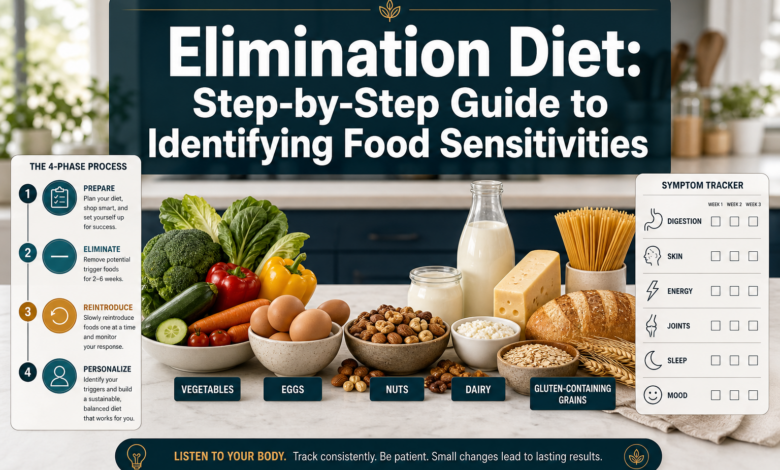
Around one in five people worldwide experience some form of food intolerance or sensitivity — yet most never identify the specific trigger [1]. They manage symptoms with medication, adjust to discomfort as a baseline, or cycle through guesswork diets without a structured method. The elimination diet offers something more reliable: a systematic, evidence-informed approach to identifying which foods are causing problems and which are not.
This guide walks through the full process — from understanding what food sensitivities actually are, through the elimination and reintroduction phases, to building a long-term eating pattern that works for the individual.
Key Takeaways
- A food sensitivity is not the same as a true allergy — the distinction matters for how you investigate and manage it.
- The elimination diet has two core phases: a 2 to 4 week removal phase, followed by a structured single-food reintroduction protocol.
- The eight most common food allergens account for roughly 90% of all food allergy reactions [2].
- Keeping a detailed symptom journal is not optional — it is the primary diagnostic tool.
- Professional guidance is strongly recommended, especially for anyone with a history of disordered eating, nutritional deficiencies, or complex health conditions.
Table of Contents
- Food Sensitivities, Intolerances, and Allergies: Getting the Terms Right
- Who Should Consider an Elimination Diet?
- Common Trigger Categories to Know Before You Start
- Phase One: Preparation
- Phase Two: The Elimination Diet in Practice
- Phase Three: Structured Reintroduction
- Sample Reintroduction Calendar and Symptom Log
- Special Considerations: Gut Health, Histamine, and Oxalates
- When to Seek Medical Guidance
- Frequently Asked Questions
- Conclusion
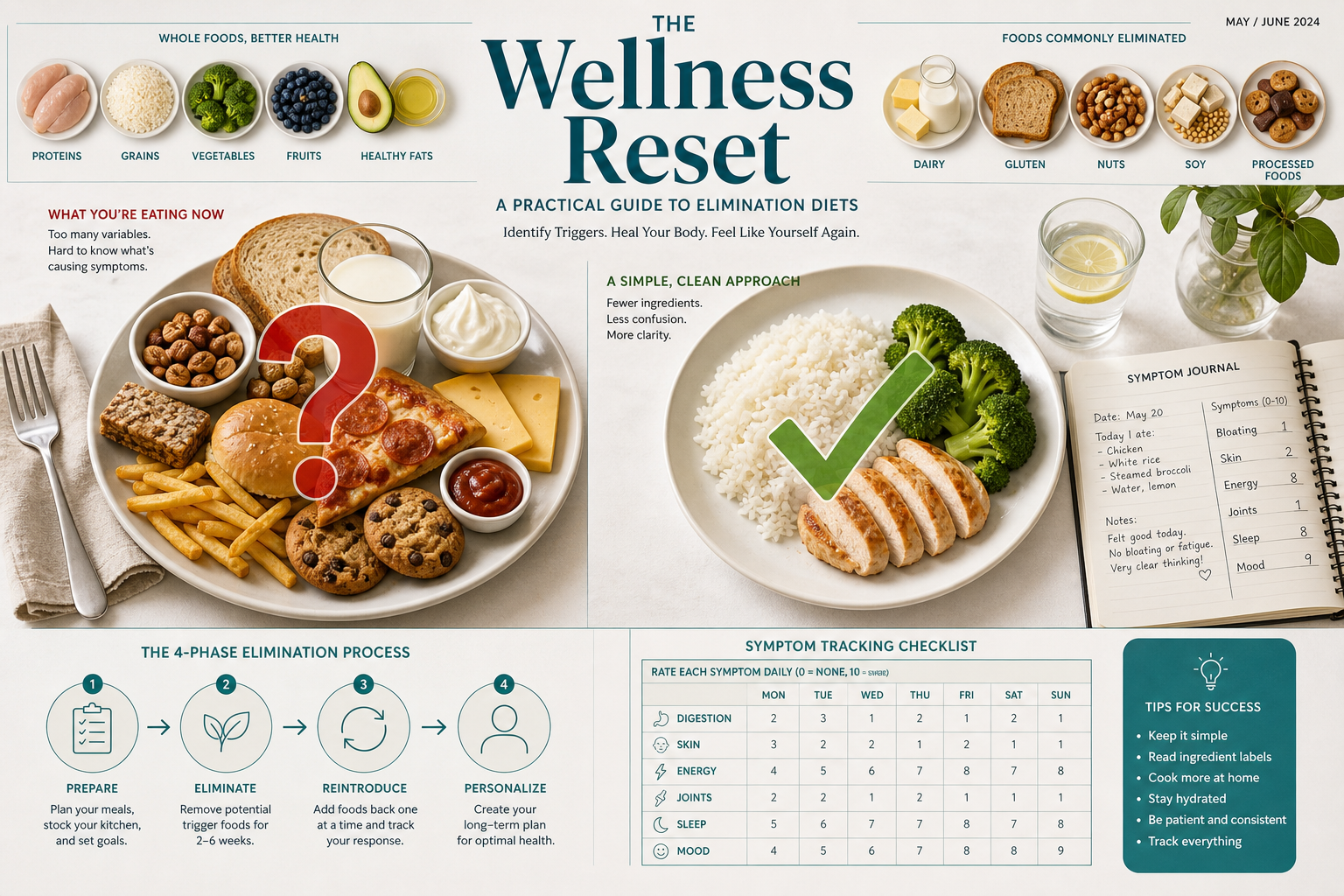
Food Sensitivities, Intolerances, and Allergies: Getting the Terms Right
Let’s keep this practical. These three terms get used interchangeably, but they describe different mechanisms.
True food allergy involves an immune response — specifically IgE antibodies — that can trigger reactions ranging from hives and swelling to anaphylaxis. These are medically serious and require formal allergy testing and clinical management.
Food intolerance is typically a digestive issue. Lactose intolerance, for example, results from insufficient lactase enzyme production, not an immune response. The symptoms are real and uncomfortable, but the mechanism is different.
Food sensitivity sits in a broader, less well-defined category. It often involves delayed reactions — sometimes appearing hours or even a day after eating the trigger food — which makes it harder to identify. Symptoms can include bloating, fatigue, joint pain, headaches, skin reactions, and changes in bowel habits [1]. Because these reactions are delayed and varied, standard allergy testing often misses them. This is where the elimination diet becomes the most practical investigative tool available.
Here’s the real issue: many people assume that because their allergy test came back clear, food is not the problem. That conclusion is too quick. Sensitivities and intolerances operate outside the IgE pathway that standard tests measure.
Who Should Consider an Elimination Diet?
The elimination diet is not a weight loss protocol. It is a diagnostic tool. It is worth considering if you have persistent, unexplained symptoms such as:
- Chronic bloating or digestive discomfort
- Recurring headaches or brain fog
- Skin issues like eczema, rashes, or acne that do not respond to topical treatment
- Fatigue that is not explained by sleep or activity levels
- Joint pain or stiffness without a clear structural cause
- Mood disruptions or anxiety that correlates with eating patterns
It is not appropriate for everyone. People with a history of disordered eating, those who are pregnant or breastfeeding, or anyone with complex medical conditions should not attempt this without working directly with a qualified healthcare professional [2].
For a broader look at how gut function connects to these symptoms, the Gut Health and Digestive Wellness Complete Guide provides useful context.
Common Trigger Categories to Know Before You Start
The eight most common allergens — eggs, fish, milk, peanuts, shellfish, soy, tree nuts, and wheat — account for approximately 90% of all food allergy reactions [2]. But food sensitivities cast a wider net. The following categories are the most clinically relevant:
| Category | Common Sources | Typical Symptoms |
|---|---|---|
| Gluten | Wheat, barley, rye, spelt | Bloating, fatigue, brain fog |
| Dairy | Milk, cheese, yogurt, butter | Digestive upset, mucus, skin issues |
| Eggs | Whole eggs, egg-based products | Skin reactions, digestive symptoms |
| Soy | Tofu, edamame, soy sauce, many processed foods | Hormonal effects, digestive issues |
| Nuts and seeds | Peanuts, tree nuts, seed oils | Inflammation, digestive reactions |
| Nightshades | Tomatoes, peppers, aubergine, potatoes | Joint pain, skin flares |
| High-histamine foods | Aged cheese, wine, fermented foods, cured meats | Headaches, flushing, itching |
| Sugar and alcohol | Refined sugar, all alcohol | Gut dysbiosis, inflammation |
| Caffeine | Coffee, tea, energy drinks | Sleep disruption, anxiety, gut irritation |
It is also worth noting that high-oxalate foods — including spinach, almonds, and beetroot — can cause issues for some individuals, particularly those with kidney concerns or gut permeability problems. This is discussed further below.
For those interested in understanding how ultra-processed foods contribute to these patterns, the article on ultra-processed foods, emulsifiers, and gut health is worth reading alongside this guide.
Phase One: Preparation
A sensible starting point is two weeks of honest preparation before removing anything. This phase has three goals.
1. Baseline symptom tracking. Begin a food and symptom diary immediately. Record everything eaten, the time, and any symptoms that follow — including timing, severity, and type. This baseline data becomes the comparison point once elimination begins [3].
2. Nutritional planning. Identify what you will eat during the elimination phase. The goal is not to eat less — it is to eat differently. Plan meals around foods with low sensitivity potential: plain rice, most vegetables (excluding nightshades if relevant), most fruits, plain meats, and olive oil. Ensure adequate protein, calories, and micronutrient coverage.
3. Household and social preparation. Read ingredient labels carefully. Gluten and soy appear in unexpected places. Inform people around you. Plan for social eating situations. Preparation reduces the chance of accidental exposure invalidating the process.
Phase Two: The Elimination Diet in Practice
The elimination phase typically runs for two to four weeks, though some practitioners extend this to three months for complex cases [3]. The standard approach removes all suspected trigger categories simultaneously.
What to remove:
- All gluten-containing grains
- All dairy products
- Eggs
- Soy and soy-derived products
- Peanuts and tree nuts
- Nightshade vegetables (tomatoes, peppers, aubergine, white potatoes)
- Alcohol
- Refined sugar and artificial sweeteners
- Caffeine (or reduce gradually to avoid withdrawal headaches)
- High-histamine foods if histamine reactions are suspected
What to eat:
- Plain animal proteins (chicken, turkey, lamb, fish — not smoked or cured)
- Most vegetables excluding nightshades
- Most fruits excluding high-histamine options (strawberries, citrus)
- Rice, quinoa, millet
- Olive oil and coconut oil
- Herbs and most spices
Some individuals opt for a more aggressive approach — essentially a carnivore-style protocol using only animal foods — to reduce variables to an absolute minimum. This can be useful for people with severe or complex presentations, but it is not necessary for most people and carries its own nutritional considerations. The evidence suggests a structured standard elimination diet is sufficient for the majority of cases [1].
For context on how food preparation affects nutrient availability during this phase, see the guide on how traditional food preparation reduces antinutrients.
Phase Three: Structured Reintroduction
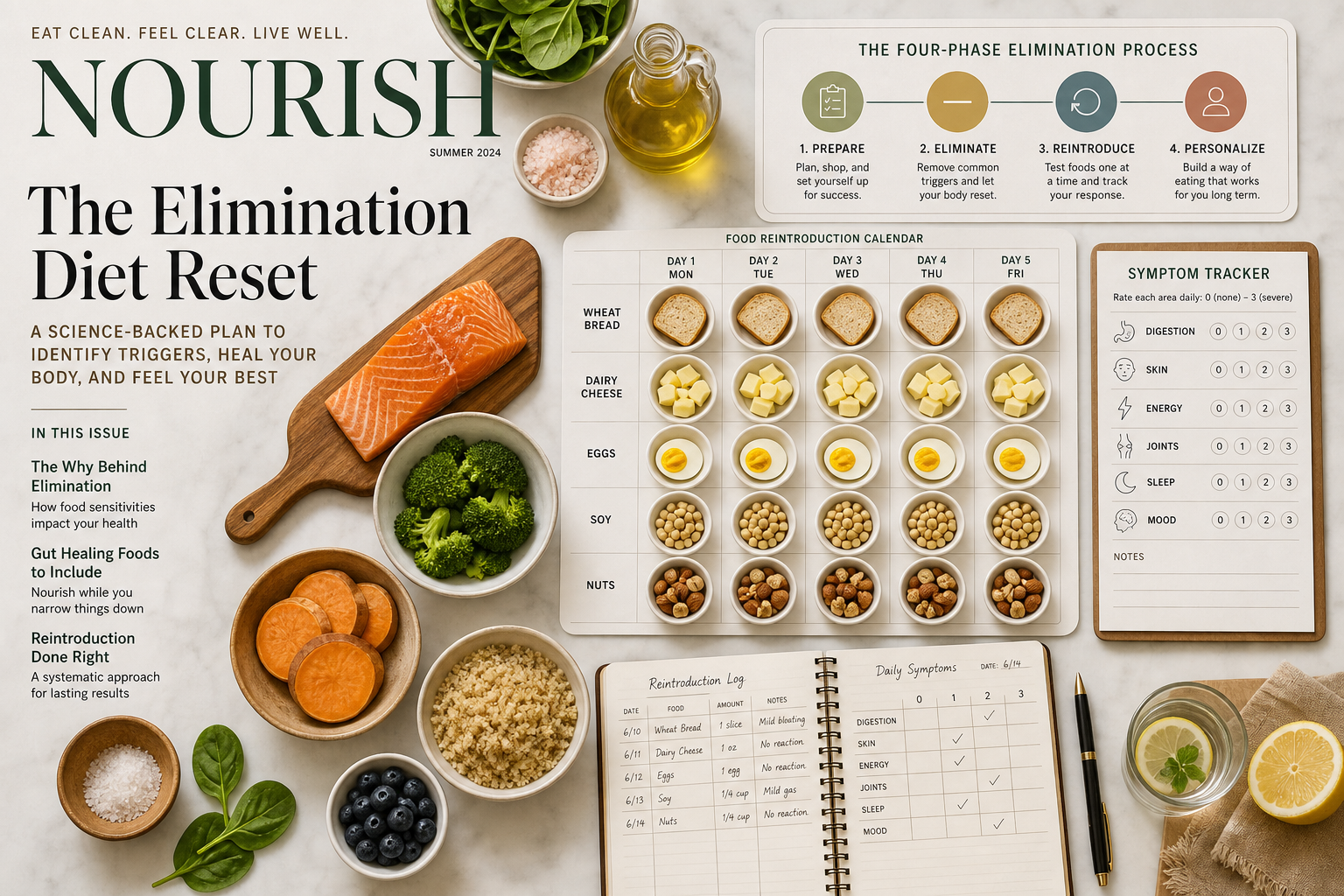
This is where the real diagnostic work happens. The reintroduction phase is methodical: one food category is reintroduced at a time, over a three-day window, while everything else remains eliminated.
The three-day protocol:
- Day 1: Eat the test food two to three times throughout the day in a normal serving size.
- Days 2 and 3: Return to the elimination diet only. Observe and record all symptoms.
- Day 4: If no symptoms appeared, that food is likely tolerated. Move to the next category.
- If symptoms appear: Stop the test food immediately. Wait until symptoms fully resolve before testing the next category.
The order of reintroduction matters less than the consistency of the method. Many practitioners suggest starting with foods least likely to cause problems — plain rice, then cooked vegetables — before moving to higher-risk categories like gluten and dairy.
The evidence is clear on one point: do not rush this phase [3]. Reintroducing foods too quickly or testing multiple foods simultaneously destroys the diagnostic value of the entire process.
Sample Reintroduction Calendar and Symptom Log
Sample 6-Week Reintroduction Schedule
| Week | Food Category Tested | Notes |
|---|---|---|
| Week 1 | Eggs | Test on Day 1, observe Days 2-3 |
| Week 2 | Dairy (start with plain yogurt) | Separate lactose from casein if possible |
| Week 3 | Gluten (plain wheat bread) | Watch for delayed reactions up to 72 hours |
| Week 4 | Soy | Check ingredient labels carefully |
| Week 5 | Nuts (one type at a time) | Start with almonds, then test others separately |
| Week 6 | Nightshades (tomatoes first) | Note joint symptoms specifically |
Symptom Log Template
| Date | Food Tested | Symptoms | Severity (1-10) | Time After Eating | Notes |
|---|---|---|---|---|---|
| Day 1 | Eggs | Bloating | 4 | 2 hours | Mild, resolved by evening |
| Day 2 | Eggs removed | No symptoms | — | — | Baseline restored |
Keeping this log consistently is not optional — it is the mechanism by which the diet actually works [3]. Without it, the process becomes subjective and unreliable.
Special Considerations: Gut Health, Histamine, and Oxalates
Gut barrier and microbiome tolerance. Food sensitivities do not always originate with the food itself. A compromised gut barrier — sometimes called leaky gut — can allow partially digested proteins to pass into the bloodstream and trigger immune responses. The science around leaky gut is still developing, but the practical implication is that gut repair — through adequate fibre, fermented foods, and removal of gut irritants — may reduce sensitivity over time. The best anti-inflammatory foods for gut health is worth reading alongside this guide for that reason.
Histamine reactions. Some people react not to a specific food protein but to histamine content. Fermented foods, aged cheeses, alcohol, and cured meats are high in histamine. Symptoms include headaches, skin flushing, nasal congestion, and itching. If these are prominent, a low-histamine variation of the elimination diet is worth considering.
Oxalate dumping. When people dramatically reduce high-oxalate foods — spinach, almonds, beets, dark chocolate — some experience a temporary worsening of symptoms as stored oxalates are released. This is sometimes called oxalate dumping. It is not dangerous, but it can be confusing if mistaken for a food reaction during reintroduction. Reduce high-oxalate foods gradually rather than all at once.
Low-FODMAP as an alternative. For people whose primary symptoms are digestive — particularly IBS-type symptoms — the low-FODMAP protocol is a well-researched alternative that targets fermentable carbohydrates rather than allergens. It operates on the same elimination-and-reintroduction logic.
For broader context on how chronic inflammation connects to these patterns, the article on chronic inflammation, glycine, and whole foods is directly relevant.
When to Seek Medical Guidance
This is not a protocol to run in isolation if any of the following apply:
- Symptoms include significant weight loss, blood in stool, or difficulty swallowing
- There is a history of eating disorders
- The individual is a child, adolescent, pregnant, or breastfeeding
- Symptoms are severe or worsening
- Previous allergy testing has identified a true IgE-mediated allergy
In these cases, professional supervision is not a recommendation — it is a requirement [2]. A registered dietitian can ensure nutritional adequacy throughout the process and help interpret results accurately. The risk of nutritional deficiency during a poorly managed elimination diet is real, particularly for calcium, vitamin D, B vitamins, and iron [4].
Frequently Asked Questions
How long does an elimination diet take in total?
The elimination phase runs two to four weeks. The reintroduction phase, done properly, takes another six to ten weeks depending on how many food categories are being tested. Allow three to four months for the complete process.
Can the elimination diet help with skin conditions like eczema?
The evidence suggests a meaningful connection between food sensitivities and eczema in some individuals, particularly reactions to dairy and eggs. An elimination diet can be a useful investigative tool, but it should be done alongside dermatological care, not instead of it [1].
What if symptoms do not improve during the elimination phase?
If symptoms persist after three to four weeks of strict elimination, food may not be the primary driver. Other factors — stress, sleep, environmental triggers, gut dysbiosis — should be investigated. In some cases, an elemental diet using amino acid-based formulas is considered when standard elimination diets do not resolve symptoms [5].
Is the elimination diet the same as a detox diet?
No. The elimination diet is a structured diagnostic protocol with a specific reintroduction methodology. A detox diet is a marketing concept with no standardised definition or reliable evidence base. These are not the same thing.
Can the elimination diet be done while exercising regularly?
Yes, but caloric and protein intake need to be managed carefully. The elimination phase can reduce variety significantly, which makes hitting protein and energy targets harder. Plan meals in advance. For practical guidance, the exercise guide for better health covers how nutrition and activity interact.
Will eliminated foods need to be avoided permanently?
Not necessarily. Many people find they can tolerate previously problematic foods after gut repair and a period of elimination. Others find that certain foods need to be permanently reduced or removed. The reintroduction phase determines this — which is why it cannot be skipped.
Conclusion
The elimination diet is one of the most practical tools available for identifying food sensitivities — but only when it is done systematically. The main takeaway is this: the process works through precision, not restriction. Removing foods without a structured reintroduction plan produces no useful information. Rushing reintroduction destroys the diagnostic value.
Actionable next steps:
- Start a food and symptom diary this week — before changing anything you eat.
- Identify which trigger categories are most relevant to your symptom pattern.
- Plan a two-week elimination phase with specific, nutritionally adequate meal options.
- Build a reintroduction calendar using the three-day protocol, one food category at a time.
- Consult a registered dietitian before starting if you have any of the risk factors listed above.
There is no magic in it. The basics still do the heavy lifting — careful observation, honest record-keeping, and patience. Done properly, the elimination diet gives individuals something genuinely valuable: clear, personalised information about how their body responds to food.
For further reading on building a nutrient-dense foundation during and after the elimination phase, the most nutrient-dense foods evidence-based guide is a practical next step.
References
- [Video] Speaker. YouTube. https://www.youtube.com/watch?v=mYSpdMjkdMM
- American Academy of Allergy, Asthma & Immunology. Food allergies: symptoms, diagnosis, and management.
- National Institute of Diabetes and Digestive and Kidney Diseases. Eating, diet, and nutrition for irritable bowel syndrome.
- Monash University. FODMAPs and irritable bowel syndrome: evidence-informed dietary guidance.
📂 Diet Frameworks
This article is part of the APH cluster. Use the links below to move between the pillar and child articles.
- Read the pillar: The Comprehensive Guide to Modern Diets: What Actually Works in 2026
- → The Carnivore Diet: A Complete Evidence-Based Guide
- YOU ARE HERE Elimination Diet: A Step-by-Step Guide to Identifying Food Sensitivities
- → Intermittent Fasting for Beginners: A Practical Evidence-Based Guide
- → Metabolic Flexibility: Train Your Body to Burn Fat for Fuel — A Practical Guide to the Metabolic Flexibility Diet
- → Vegan Diet Weight Loss: What the Evidence Actually Shows
- → The Complete Guide to Mediterranean Food: Dishes, Health Benefits, and What to Eat
- → Low Carb Diet for Weight Loss
- → The Ultimate Seasonal Eating Guide: Nourish Your Body Naturally Year-Round
- → The Ultimate Guide to the Liver Shrinking Diet (2026)