
Benefits of Dark Chocolate for Health

The Science-Backed Benefits of Dark Chocolate: What Research Actually Shows
Last updated: March 28, 2026
Quick Answer: Dark chocolate — specifically varieties containing 70% or more cacao — delivers meaningful health benefits including improved cardiovascular function, better blood sugar regulation, reduced inflammation, and enhanced cognitive performance. These effects come primarily from flavonoids and polyphenols concentrated in the cacao bean. The benefits are real, but they depend heavily on cocoa content, portion size, and how little the chocolate has been processed.
Key Takeaways
- Dark chocolate with 70–85% cacao is rich in flavonoids, polyphenols, and essential minerals including iron, magnesium, copper, and zinc
- Regular moderate consumption (roughly 20–30g per day) has been associated in multiple studies with lower blood pressure and reduced cardiovascular risk
- The antioxidants in dark chocolate — particularly epicatechin and catechin — help neutralize free radicals that contribute to cellular aging and chronic disease
- Dark chocolate acts as a prebiotic, feeding beneficial gut bacteria and supporting digestive health
- Flavanols in cacao can improve insulin sensitivity, which may reduce the risk of developing type 2 diabetes
- Dark chocolate stimulates the release of endorphins and serotonin precursors, which can genuinely improve mood
- The higher the cacao percentage, the lower the sugar content — and the greater the concentration of beneficial compounds
- Not all dark chocolate is equal: Dutch-processed cocoa loses much of its antioxidant content during alkalizing treatment
- Dark chocolate is calorie-dense (roughly 170 calories per 30g serving) and should be consumed as part of a balanced diet, not as a health food in unlimited quantities
- People sensitive to caffeine, those prone to migraines, or anyone with chocolate-specific allergies should approach consumption with appropriate caution
What Makes Dark Chocolate Different From Other Chocolate?
Dark chocolate is nutritionally distinct from milk or white chocolate because of its cacao content. The higher the percentage of cacao solids, the more flavonoids, minerals, and fiber the chocolate contains — and the less room there is for sugar and dairy fillers.
White chocolate contains no cacao solids at all, only cocoa butter, sugar, and milk. Milk chocolate typically contains 10–40% cacao, with the remainder made up of milk solids and sugar. Dark chocolate starts at roughly 50% cacao, but the meaningful health benefits begin at 70% and become more pronounced at 85% and above.
What’s actually inside a quality dark chocolate bar:
- Cacao solids — the source of flavonoids, fiber, and most of the minerals
- Cocoa butter — a natural fat containing oleic acid (the same heart-healthy fat found in olive oil), stearic acid, and palmitic acid
- Sugar — present in varying amounts; minimized in high-percentage bars
- Lecithin — usually soy or sunflower, used as an emulsifier
- Vanilla — common flavoring in quality bars
The processing method also matters. Minimally processed, non-alkalized (natural) cocoa retains far more antioxidant activity than Dutch-processed cocoa, which undergoes alkalizing treatment to reduce bitterness. If you’re buying dark chocolate specifically for health reasons, look for bars that specify “non-alkalized” or “raw cacao.”
What Are the Nutritional Facts for Dark Chocolate?
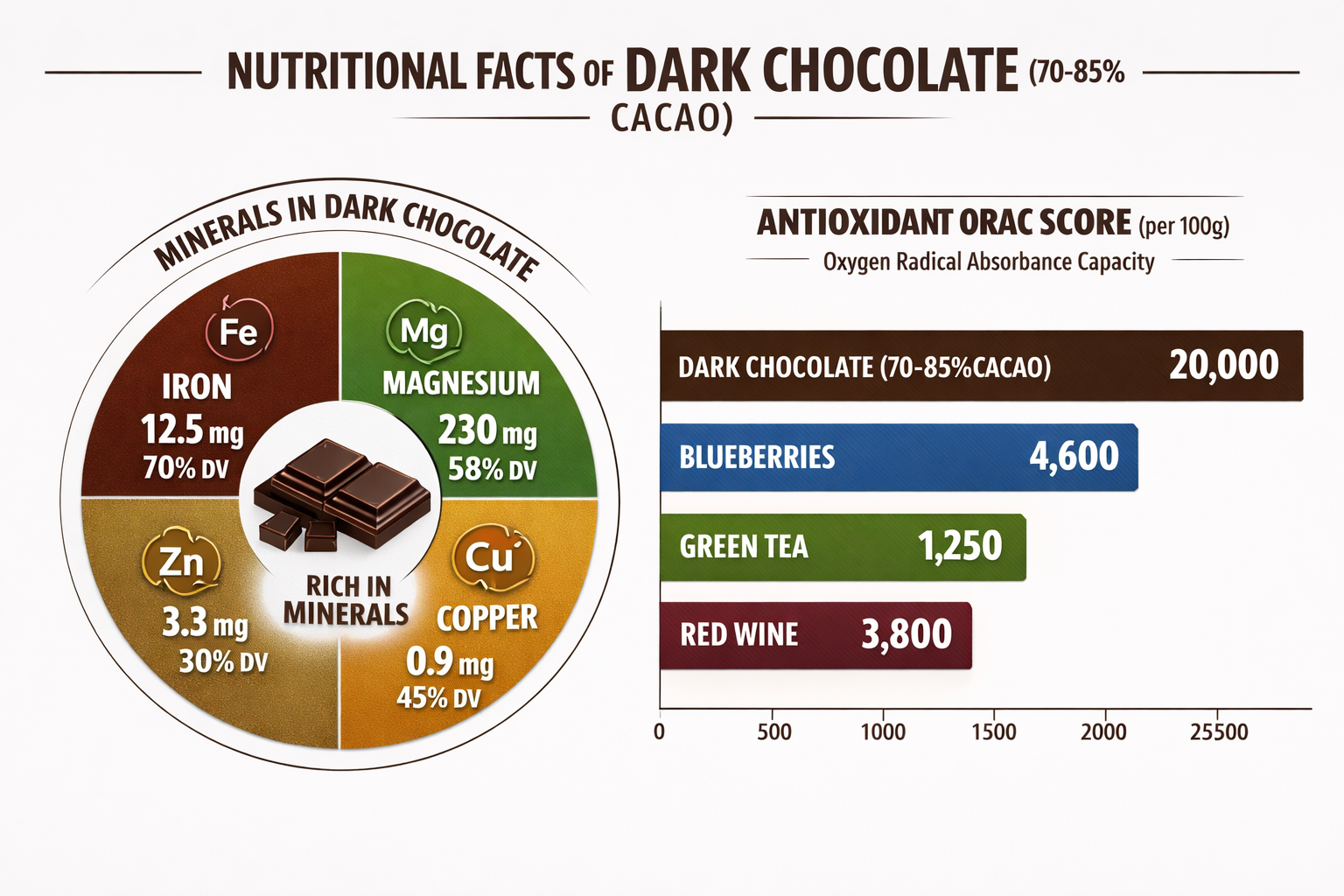
A 100-gram bar of dark chocolate with 70–85% cacao solids provides a substantial nutrient profile. According to USDA FoodData Central data, that serving contains approximately:
| Nutrient | Amount per 100g |
|---|---|
| Calories | 604 kcal |
| Protein | 7.78g |
| Total Fat | 34.06g |
| Carbohydrates | 46.36g |
| Dietary Fiber | 11g |
| Sugar | 24.23g |
| Iron | 12.02mg (67% DV) |
| Magnesium | 230mg (55% DV) |
| Zinc | 3.34mg (30% DV) |
| Copper | 1.77mg (197% DV) |
| Manganese | 1.95mg (85% DV) |
(Source: USDA FoodData Central, NDB #19904)
A realistic serving is closer to 28–30g (one square to one row of a standard bar), which delivers roughly 170 calories. That portion still provides meaningful amounts of magnesium, iron, and copper — nutrients many people fall short on.
One nutritional detail worth noting: the fat in dark chocolate is not as problematic as it might appear. Stearic acid, which makes up a large portion of cocoa butter’s saturated fat, is metabolized differently from other saturated fats and does not appear to raise LDL cholesterol in the way that palmitic acid does. Oleic acid, the monounsaturated fat also found in olive oil, actively supports cardiovascular health.
How Does Dark Chocolate Benefit Heart Health?
Dark chocolate supports heart health through several distinct mechanisms, and this is the area with the strongest body of research behind it.
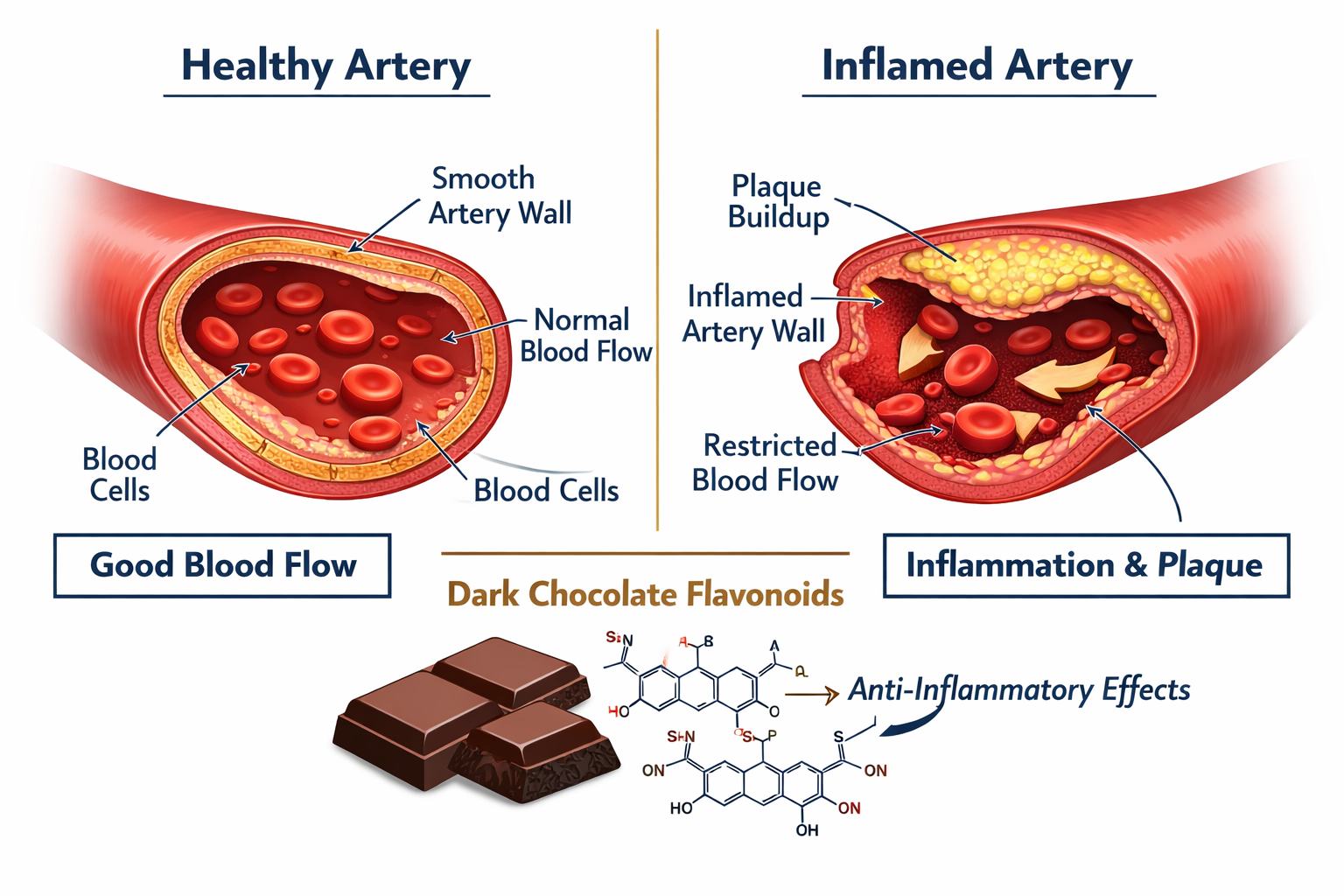
Flavonoids and blood vessel function. The flavanols in dark chocolate — primarily epicatechin — stimulate the endothelium (the inner lining of blood vessels) to produce nitric oxide. Nitric oxide signals the smooth muscle surrounding blood vessels to relax, which widens the vessels and reduces blood pressure. This effect has been observed consistently in controlled trials, particularly in people who already have elevated blood pressure or cardiovascular risk factors.
Cholesterol profile improvement. The polyphenols in dark chocolate have been shown to reduce oxidized LDL cholesterol — the form most associated with arterial plaque formation — while supporting HDL (good) cholesterol levels. Oxidized LDL is particularly damaging because it triggers inflammatory responses in arterial walls.
Anti-platelet effects. Cocoa flavanols reduce platelet aggregation (the tendency of blood cells to clump together and form clots), an effect similar in mechanism to that of low-dose aspirin, though less potent.
What the research shows: A meta-analysis published in the BMJ (Buitrago-Lopez et al.) found that higher chocolate consumption was associated with a 37% reduction in cardiovascular disease risk and a 29% reduction in stroke risk compared with lower consumption. However, this was observational data — it shows association, not causation, and the chocolate consumed in many studies included milk chocolate. The effect is likely stronger with high-cacao dark chocolate.
Choose dark chocolate for heart health if: you have mildly elevated blood pressure, your LDL is borderline high, or you’re looking for a realistic dietary addition that supports an already heart-healthy eating pattern. It works best alongside — not instead of — a diet rich in anti-inflammatory foods.
Common mistake: Assuming any chocolate labeled “dark” counts. Many commercial dark chocolate bars contain only 50–55% cacao and significant amounts of added sugar, which offsets cardiovascular benefits. Check the label.
Can Dark Chocolate Help With Blood Sugar and Diabetes Risk?
This seems counterintuitive given that chocolate contains sugar, but the evidence is reasonably consistent: the flavanols in dark chocolate can improve insulin sensitivity and support healthy blood glucose regulation.
Insulin resistance — where cells become less responsive to insulin’s signal to absorb glucose — is the core driver of type 2 diabetes. Oxidative stress plays a significant role in developing that resistance. The antioxidants in dark chocolate, particularly epicatechin and catechin, reduce oxidative stress at the cellular level, which appears to help restore insulin sensitivity.
Key points on dark chocolate and blood sugar:
- Flavanols activate pathways that improve glucose uptake in muscle cells
- The fiber content in high-cacao dark chocolate slows glucose absorption, reducing blood sugar spikes after eating
- A large prospective study (Mendelian randomization design) published in BMJ Open Diabetes Research & Care found that moderate chocolate consumption was associated with a reduced risk of type 2 diabetes over a five-year follow-up period
- The effect is specific to dark chocolate — high-sugar milk chocolate has the opposite effect on blood glucose
Important caveat: If you have existing type 2 diabetes, the sugar content in even dark chocolate needs to be accounted for in your daily carbohydrate intake. The net benefit depends on portion size and overall diet quality. This is not a replacement for medical management.
What Does Dark Chocolate Do for the Brain?
Dark chocolate has a genuine, if modest, effect on cognitive function and mood — and the mechanisms are well-understood.
Cerebral blood flow. The same nitric oxide pathway that benefits the heart also increases blood flow to the brain. Better cerebral circulation supports faster cognitive processing, improved attention, and reduced mental fatigue. Some controlled studies have shown acute improvements in working memory and processing speed following consumption of high-flavanol cocoa.
Neuroprotective effects. Flavonoids cross the blood-brain barrier and accumulate in regions associated with learning and memory, particularly the hippocampus. Animal studies suggest they promote neurogenesis (growth of new neurons) and protect existing neurons from oxidative damage. Human research is still developing in this area, but the early signals are promising.
Mood effects. Dark chocolate stimulates the release of endorphins and increases serotonin activity in the brain. It also contains small amounts of phenylethylamine (PEA), a compound associated with feelings of alertness and mild euphoria. Theobromine, a mild stimulant naturally present in cacao, contributes to the sustained, calm energy many people notice after eating dark chocolate — without the sharp spike and crash associated with caffeine.
Stress reduction. A study published in the Journal of Proteome Research found that people who ate dark chocolate daily for two weeks showed reduced levels of cortisol and other stress hormones compared with a control group. This was a small study, but it aligns with the known neurochemical effects of cacao flavanols.
For anyone interested in supporting long-term cognitive health through diet, dark chocolate pairs well with other brain-supportive foods. You might also explore what the research says about herbs for eye health and other nutritional strategies for sensory and neurological wellbeing.
How Does Dark Chocolate Support Gut Health?
Dark chocolate functions as a prebiotic, and this is one of its less-discussed but genuinely significant benefits.
Prebiotics are compounds that feed beneficial bacteria in the gut microbiome — the community of trillions of microorganisms that influence digestion, immune function, inflammation, and even mood. Dark chocolate contains both prebiotic fiber and polyphenols, and both act as fuel for beneficial bacterial strains including Lactobacillus and Bifidobacterium.
How it works:
- Polyphenols in dark chocolate are largely not absorbed in the small intestine — they pass through to the colon, where gut bacteria ferment them
- This fermentation produces short-chain fatty acids (SCFAs), particularly butyrate, which nourishes colon cells and reduces intestinal inflammation
- The fiber in dark chocolate (roughly 3–4g per 30g serving) adds bulk and feeds the same bacterial populations
- Antioxidants in cacao protect the gut lining from oxidative damage, which can reduce intestinal permeability (“leaky gut”)
Research published in the American Journal of Clinical Nutrition found that consuming high-flavanol cocoa for four weeks significantly increased populations of Lactobacillus and Bifidobacterium while reducing levels of Clostridium (a potentially harmful genus) compared with low-flavanol cocoa.
If you’re actively working on digestive health, dark chocolate can be a useful addition to a broader gut-supportive diet. For more on this topic, our guide to gut health and digestive wellness covers the full picture.
Does Dark Chocolate Have Anti-Inflammatory Properties?
Yes — and this matters because chronic low-grade inflammation is a contributing factor in cardiovascular disease, type 2 diabetes, certain cancers, and neurodegenerative conditions.
The flavonoids in dark chocolate, particularly epicatechin, catechin, and procyanidins, inhibit several inflammatory signaling pathways. They reduce the production of pro-inflammatory cytokines (chemical messengers that trigger and sustain inflammation) and lower levels of C-reactive protein (CRP), a standard blood marker of systemic inflammation.
Practical context: The anti-inflammatory effect of dark chocolate is real but modest compared with, say, a diet built around vegetables, fatty fish, and olive oil. Think of it as a contributing factor in an anti-inflammatory diet, not a standalone treatment.
Who benefits most: People with elevated inflammatory markers, those recovering from exercise-induced muscle inflammation, and individuals whose diet is otherwise low in polyphenol-rich foods.
Who should be cautious: People with inflammatory conditions who are on immunosuppressive medications should check with their physician, as high polyphenol intake can theoretically interact with certain drug pathways.
What Does Dark Chocolate Do for Skin Health?
The antioxidants in dark chocolate offer measurable skin benefits, primarily through UV protection, improved circulation, and reduced oxidative damage to skin cells.
UV protection. Flavanols in cacao have been shown in controlled studies to increase the skin’s resistance to UV-induced redness (erythema). A study published in the Journal of Nutrition found that women who consumed high-flavanol cocoa daily for 12 weeks had significantly higher UV tolerance than those who consumed low-flavanol cocoa. This is not a replacement for sunscreen, but it represents a genuine internal protective effect.
Circulation and skin texture. Improved blood flow from nitric oxide production means better delivery of oxygen and nutrients to skin cells. This contributes to a healthier complexion and can support skin repair processes.
Hydration. The same study found improvements in skin hydration and density in the high-flavanol group, suggesting that cacao flavanols may support the skin’s structural integrity.
Collagen protection. Polyphenols in dark chocolate help neutralize free radicals that break down collagen and elastin — the proteins responsible for skin firmness. This is the mechanism behind the “anti-aging” claims sometimes made about dark chocolate, and while the evidence is preliminary, it’s biologically plausible.
For a broader approach to skin nutrition, combining dark chocolate’s internal benefits with external care strategies makes sense. Our guide to skin care tips and best oil for dry skin covers complementary approaches.
Can Dark Chocolate Help With Weight Management?
Dark chocolate can support weight management indirectly, but it won’t cause weight loss on its own — and the calorie content means it can easily work against you if portions aren’t controlled.
Where it genuinely helps:
- Satiety. The combination of fat, fiber, and protein in dark chocolate is more satiating than most sweet snacks. A small portion (20–30g) can reduce cravings for other, less nutritious sweets
- Reduced sugar cravings. The intense flavor of high-cacao dark chocolate tends to satisfy sweet cravings more effectively than milk chocolate, meaning you’re less likely to keep eating
- Gut microbiome support. A healthier gut microbiome is associated with better metabolic function and more stable appetite regulation
- Blood sugar stability. By improving insulin sensitivity and slowing glucose absorption, dark chocolate may reduce the blood sugar swings that drive hunger and overeating
Where it doesn’t help: Dark chocolate is calorie-dense. A 100g bar contains over 600 calories. If you’re eating it as an addition to your current diet without reducing something else, it will contribute to weight gain, not loss.
The sensible approach: Treat dark chocolate as a portion-controlled substitute for less nutritious desserts, not as a supplement to your existing food intake. For structured guidance on weight management, our rapid weight loss techniques guide offers practical, evidence-based strategies.
What Are the Risks and Considerations of Eating Dark Chocolate?
Dark chocolate is safe for most healthy adults when consumed in reasonable amounts, but several considerations are worth knowing.
Calorie and fat content. At roughly 170 calories per 30g serving, dark chocolate needs to fit within your overall daily intake. The fat content is substantial — though largely from less harmful fatty acid types, it still contributes to total calorie load.
Caffeine sensitivity. A 30g serving of dark chocolate contains roughly 20–30mg of caffeine (compared with 80–100mg in a standard cup of coffee). For most people this is inconsequential, but those who are highly caffeine-sensitive — particularly in the evening — may notice disrupted sleep.
Theobromine. This mild stimulant is present in higher concentrations in dark chocolate than caffeine. It can cause increased heart rate, headaches, or restlessness in sensitive individuals. People prone to migraines sometimes find chocolate to be a trigger.
Heavy metal content. This is a legitimate concern that emerged prominently in 2022–2023 when Consumer Reports testing found elevated levels of lead and cadmium in several popular dark chocolate brands. Cadmium is absorbed by the cacao plant from soil, and lead contamination can occur during drying and processing. Choosing brands that test for and publish their heavy metal results is advisable, particularly for people who eat dark chocolate daily or in large amounts.
Oxalates. Dark chocolate is moderately high in oxalates, which can contribute to kidney stone formation in people who are prone to calcium oxalate stones. If you have a history of kidney stones, discuss dietary oxalate intake with your physician.
Drug interactions. The flavonoids in dark chocolate can mildly inhibit certain liver enzymes involved in drug metabolism. If you take medications metabolized by the CYP450 enzyme system (including some statins, blood thinners, and antidepressants), large daily amounts of dark chocolate are worth mentioning to your prescriber.
Allergies and intolerances. Most dark chocolate bars contain traces of dairy, tree nuts, or soy from shared manufacturing facilities. Always check labels if you have relevant allergies.
How Much Dark Chocolate Should You Eat Per Day?
The evidence supports a moderate, consistent intake rather than large occasional amounts.
Most studies that found cardiovascular and metabolic benefits used doses equivalent to 20–40g of dark chocolate per day (roughly one to one and a half standard squares to a small row of a 100g bar). This provides a meaningful dose of flavanols without excessive calories or sugar.
Practical guidelines:
- Minimum cacao percentage: 70% for noticeable health benefits; 85%+ for maximum flavanol content and minimum sugar
- Daily amount: 20–30g is the sweet spot supported by most research
- Timing: There’s no strong evidence that timing matters significantly, but consuming it mid-afternoon may help with energy and mood without disrupting sleep
- Quality indicators: Look for bars with short ingredient lists (cacao mass, cocoa butter, sugar, vanilla — that’s it), non-alkalized cocoa, and ideally third-party heavy metal testing
- Avoid: Bars with hydrogenated oils, artificial flavors, or milk solids if you want the full benefit of high-cacao chocolate
Comparison: Dark Chocolate vs. Milk Chocolate vs. Raw Cacao
| Feature | Raw Cacao Powder | Dark Chocolate (85%) | Dark Chocolate (70%) | Milk Chocolate |
|---|---|---|---|---|
| Cacao content | ~100% | ~85% | ~70% | ~10–40% |
| Flavanol content | Very high | High | Moderate-high | Low |
| Sugar per 30g | None | ~3g | ~7g | ~14g |
| Calories per 30g | ~120 | ~165 | ~170 | ~155 |
| Fiber per 30g | ~4g | ~3.5g | ~3g | ~0.5g |
| Processing level | Minimal | Low-moderate | Moderate | High |
| Best for | Smoothies, baking | Maximum health benefit | Balance of taste/benefit | Taste only |
Raw cacao powder delivers the highest flavanol concentration, but it’s bitter and impractical as a snack. For most people, an 85% dark chocolate bar is the most realistic way to get consistent flavanol intake with an enjoyable eating experience.
Frequently Asked Questions
Is it okay to eat dark chocolate every day?
Yes, for most healthy adults, 20–30g of dark chocolate (70% cacao or higher) daily is considered safe and may provide cumulative cardiovascular and metabolic benefits. The key is consistency and portion control — daily small amounts appear more beneficial than occasional large servings.
What percentage of dark chocolate is actually healthy?
The meaningful threshold starts at 70% cacao. At this level, flavanol content is high enough to produce measurable effects on blood pressure and antioxidant status. 85% and above maximizes these benefits while minimizing sugar. Below 70%, the ratio of sugar and fillers to beneficial compounds shifts unfavorably.
Does dark chocolate raise blood pressure or lower it?
In most studies, dark chocolate lowers blood pressure modestly, particularly in people with elevated readings. The flavanols trigger nitric oxide production, which relaxes blood vessel walls. The effect is small — typically a reduction of 2–4 mmHg systolic — but meaningful as part of a broader heart-healthy lifestyle.
Is dark chocolate good for anxiety?
Dark chocolate may help reduce physiological stress markers (including cortisol) and supports serotonin activity, which can improve mood. However, the caffeine and theobromine it contains can worsen anxiety symptoms in people who are sensitive to stimulants. If anxiety is a concern, start with a small portion and observe your response.
Can dark chocolate cause acne?
The evidence here is mixed. Some people with acne-prone skin report flare-ups after eating chocolate, but controlled studies have not consistently confirmed chocolate as a direct cause. High-sugar chocolate is more likely to be problematic (via insulin spikes that increase sebum production) than high-cacao dark chocolate. If you notice a pattern, an elimination approach can help you determine your personal response.
Is dark chocolate safe during pregnancy?
In moderate amounts (one to two small squares per day), dark chocolate is generally considered safe during pregnancy. The caffeine content is low enough that it falls well within recommended limits. However, the heavy metal concern (lead and cadmium) is worth factoring in — choosing brands with verified low heavy metal content is particularly sensible during pregnancy.
Does dark chocolate help with sleep?
This depends on individual caffeine sensitivity. For most people, the caffeine in a 30g serving of dark chocolate is too low to significantly affect sleep. Theobromine, however, is a mild stimulant with a longer half-life than caffeine and may affect sleep quality if consumed in the evening by sensitive individuals. If you’re trying dark chocolate as an evening treat and noticing disrupted sleep, move your consumption to earlier in the day.
What’s the difference between cacao and cocoa?
Cacao refers to the raw bean and minimally processed products made from it. Cocoa typically refers to cacao that has been roasted and processed, often at higher temperatures that reduce flavanol content. Raw cacao powder retains more antioxidants than standard cocoa powder, particularly compared with Dutch-processed (alkalized) cocoa. For maximum health benefit, look for products labeled “raw cacao” or “natural (non-alkalized) cocoa.”
Can children eat dark chocolate?
Yes, in small amounts and age-appropriate portions. The caffeine and theobromine content means very young children (under 2) should avoid it, and for older children, a square or two is reasonable. High-cacao dark chocolate is significantly less sweet than milk chocolate, so many children prefer lower-percentage options.
Does dark chocolate interact with medications?
Potentially, in large amounts. The flavonoids in dark chocolate mildly inhibit CYP1A2 and CYP3A4 liver enzymes, which are involved in metabolizing certain medications including some statins, blood pressure drugs, and antidepressants. At typical snack-sized portions (20–30g/day), this interaction is unlikely to be clinically significant, but if you take medications in these categories and plan to eat dark chocolate daily, it’s worth a brief conversation with your pharmacist.
The Bottom Line
The benefits of dark chocolate are real, specific, and well-supported by a growing body of research — but they come with clear conditions. The chocolate needs to be high in cacao (70% minimum, 85% preferred), consumed in moderate daily amounts (20–30g), and chosen from brands that minimize processing and added sugars.
At its best, dark chocolate is a genuinely functional food: it supports cardiovascular health, improves insulin sensitivity, feeds beneficial gut bacteria, reduces inflammation, and offers modest but real benefits for skin, cognition, and mood. At its worst — in the form of highly processed, low-cacao, high-sugar bars — it’s a confection with minimal health value and real caloric cost.
The practical takeaway: replace your current dessert or sweet snack with a small portion of quality dark chocolate rather than adding it on top of your existing diet. Choose bars with 85% cacao when possible, check for non-alkalized processing, and be aware of the emerging heavy metal testing issue when selecting brands.
Dark chocolate won’t fix a poor diet, but as part of a balanced, whole-food eating pattern — alongside healthy meal choices and an active lifestyle — it’s one of the more enjoyable additions you can make to a health-conscious routine.
Sources
- USDA FoodData Central — Dark Chocolate, 70–85% Cacao Solids (NDB #19904)
- Buitrago-Lopez A et al., “Chocolate consumption and cardiometabolic disorders,” BMJ, 2011
- Grassi D et al., “Cocoa reduces blood pressure and insulin resistance,” Hypertension, 2005
- Tzounis X et al., “Prebiotic evaluation of cocoa-derived flavanols,” American Journal of Clinical Nutrition, 2011
- Neukam K et al., “Consumption of flavanol-rich cocoa acutely increases microcirculation in human skin,” European Journal of Nutrition, 2007
- Consumer Reports, “Lead and Cadmium Could Be in Your Dark Chocolate,” December 2022
Related reading:
- Anti-Inflammatory Foods: The Ultimate Guide
- Gut Health and Digestive Wellness
- Foods That Are Anti-Inflammatory
- Health Benefits of Olive Oil
- How to Live a Healthy Lifestyle