
Top Skin Care Tips for Men: Unlocking Healthy & Glowing Skin
In this guide
- Why Do Men Need a Different Skin Care Approach?
- How Do You Build a Basic Men’s Skin Care Routine?
- What Cleanser Should Men Use — and How Often?
- Why Is Sunscreen the Most Important Skin Care Product for Men?
- How Should Men Handle Shaving Without Damaging Their Skin?
- What Role Does Diet Play in Men’s Skin Health?
- How Do Sleep and Stress Affect Men’s Skin?
- Does Exercise Actually Improve Skin Health?
- What Are the Most Common Skin Care Mistakes Men Make?
Last updated: April 8, 2026
Quick Answer
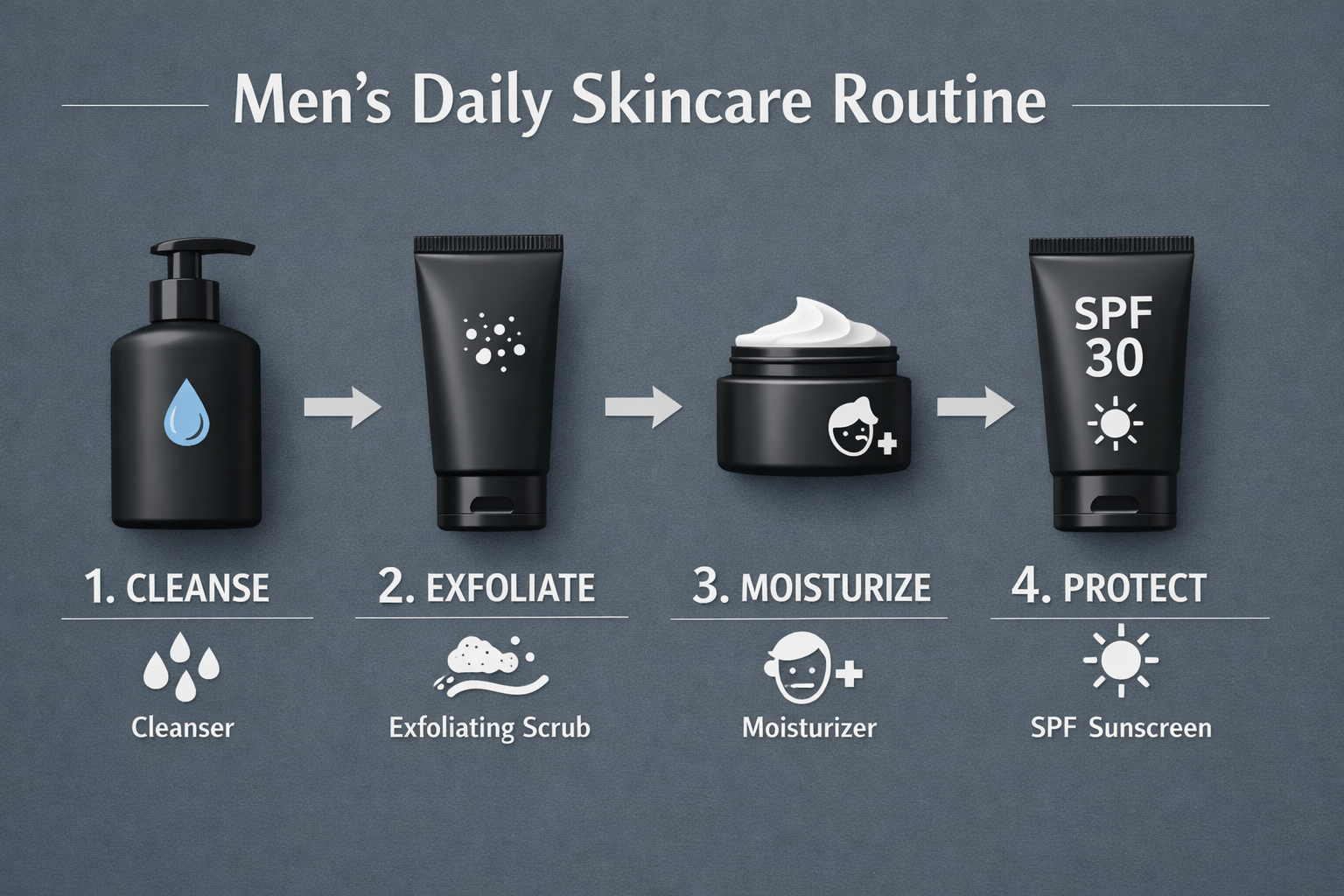
Men’s skin care comes down to four non-negotiable daily habits: cleansing, moisturizing, applying SPF, and protecting the skin barrier from lifestyle damage. Men’s skin is structurally different from women’s — it’s about 25% thicker, produces more sebum, and ages differently — which means it needs a targeted approach, not just borrowed advice. A consistent routine using the right products for your skin type will visibly improve your skin within four to six weeks.
In this article, we will explore the Top Skin Care Tips for Men to help achieve healthier skin.
Key Takeaways
- Men’s skin produces more oil than women’s due to higher testosterone levels, making the right cleanser selection critical
- Daily SPF 30 or higher is the single most effective anti-aging step any man can take
- Shaving causes micro-trauma to the skin; a proper pre- and post-shave routine prevents chronic irritation and premature aging
- Moisturizing is not optional — even oily skin needs hydration, just from a lighter, oil-free formula
- Diet directly affects skin quality: foods high in antioxidants support collagen production, while excess sugar accelerates skin aging through a process called glycation
- Sleep deprivation elevates cortisol, which breaks down collagen and worsens inflammatory skin conditions like acne and eczema
- Regular exercise improves circulation and helps clear pores through sweat, but always cleanse your face after a workout
- Stress management is a legitimate skin care strategy — chronic stress is a documented trigger for acne, psoriasis, and rosacea flare-ups
- You don’t need 10 products; a focused three-to-five step routine done consistently beats an elaborate one done occasionally
- Knowing your skin type (oily, dry, combination, sensitive) is the starting point for every product decision
Why Do Men Need a Different Skin Care Approach?
Men’s skin is biologically distinct, and that distinction matters when choosing products and building a routine.
Testosterone causes the sebaceous glands to produce significantly more sebum than in female skin. This makes men more prone to clogged pores, blackheads, and acne well into adulthood. Men’s skin is also denser in collagen at a younger age, but collagen loss accelerates more sharply after 40.
Key structural differences in men’s skin:
- Thickness: Men’s skin is roughly 25% thicker due to higher collagen density
- Oiliness: Sebum production is consistently higher, which increases shine and pore congestion
- Shaving impact: Regular shaving removes the top layer of dead skin cells (a form of daily exfoliation) but also causes micro-cuts, razor burn, and chronic low-grade inflammation if not managed properly
- Pore size: Men generally have larger pores, which are more visible and more prone to blockage
- Sweat production: Men sweat more, which can disrupt the skin’s pH balance if not cleansed regularly
Understanding these differences means you can choose products that work with your skin’s biology rather than against it.
How Do You Build a Basic Men’s Skin Care Routine?
A functional men’s skin care routine doesn’t need to be complicated. Three steps in the morning and three at night cover the essentials for most men.
Morning Routine (3–4 minutes)
- Cleanse — Wash your face with a gentle, pH-balanced facial cleanser. Avoid bar soap; it’s too alkaline and strips the skin’s protective acid mantle.
- Moisturize — Apply a lightweight moisturizer suited to your skin type while your skin is still slightly damp to lock in hydration.
- Apply SPF — Use a broad-spectrum sunscreen with SPF 30 or higher. This is non-negotiable, even on cloudy days. UV radiation penetrates cloud cover and causes cumulative damage year-round.
Evening Routine (3–5 minutes)
- Double cleanse if needed — If you’ve been outdoors, sweating, or wearing SPF, a first cleanse with a cleansing oil or micellar water removes surface buildup; a second cleanse with your regular cleanser cleans the skin itself.
- Treat (optional but effective) — This is where targeted products go: a retinol serum for anti-aging, a niacinamide serum for oiliness and pore size, or a benzoyl peroxide spot treatment for acne.
- Moisturize — Night moisturizers can be richer than daytime formulas since you’re not layering SPF over them.
Common mistake: Using the same product for body and face. Body lotions and bar soaps are formulated for thicker skin and will clog facial pores or disrupt the skin’s pH.
What Cleanser Should Men Use — and How Often?
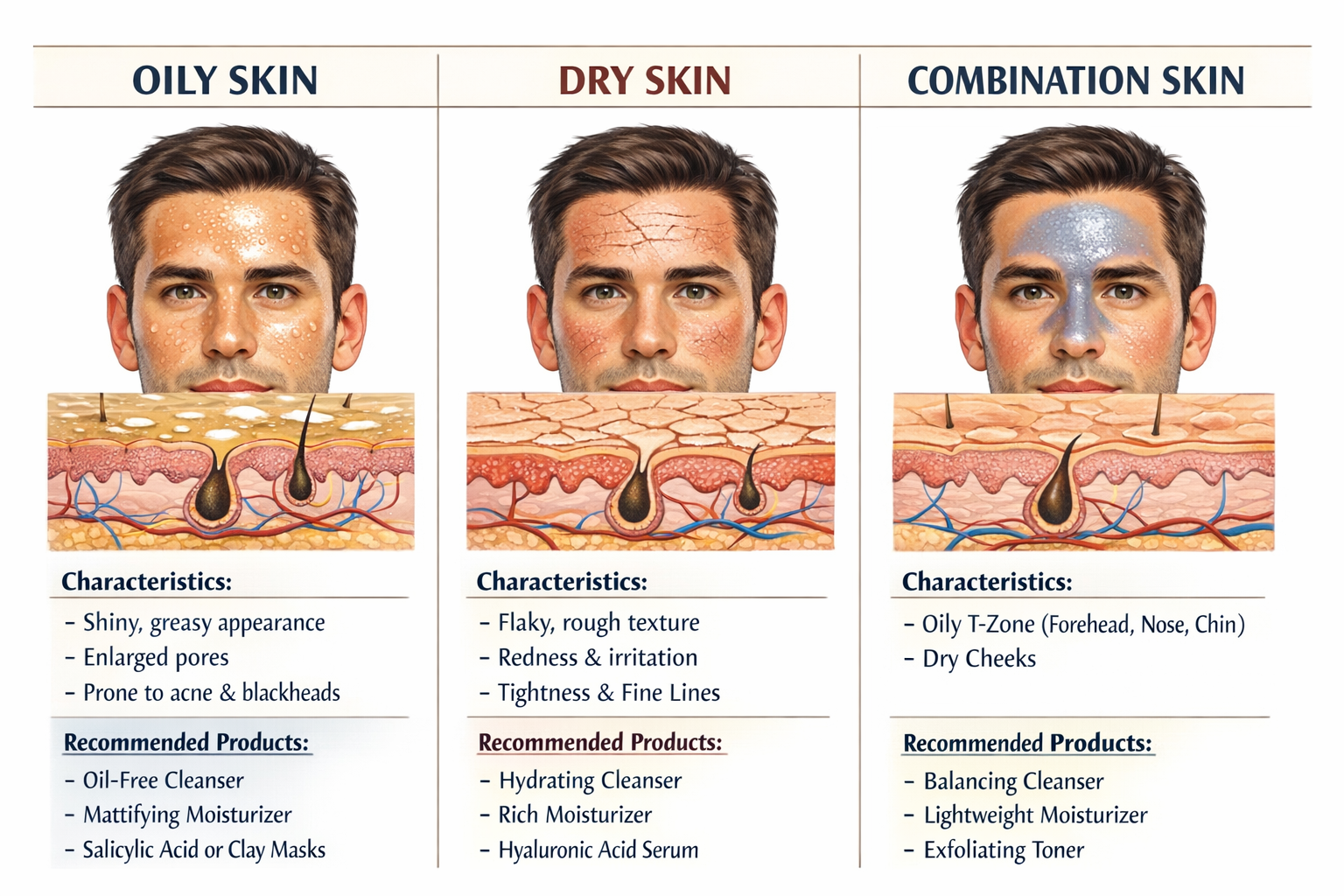
The right cleanser depends entirely on your skin type. Cleansing too aggressively strips the skin barrier and triggers more oil production as a compensatory response — which makes oily skin worse, not better.
| Skin Type | Cleanser Type | Frequency |
|---|---|---|
| Oily | Foaming or gel cleanser with salicylic acid | Twice daily |
| Dry | Cream or hydrating cleanser with ceramides | Once daily (morning or evening) |
| Combination | Gentle gel cleanser, balanced pH | Once or twice daily depending on season |
| Sensitive | Fragrance-free, sulfate-free cream cleanser | Once daily; twice only if very sweaty |
| Acne-prone | Salicylic acid (2%) or benzoyl peroxide cleanser | Twice daily, with a moisturizer to prevent over-drying |
Exfoliation: Use a chemical exfoliant (like a salicylic acid toner) or a gentle physical scrub two to three times per week — not daily. Over-exfoliation damages the skin barrier and causes redness and sensitivity. Men who shave regularly are already exfoliating mechanically, so be conservative with additional scrubbing.
Decision rule: If your skin feels tight and dry after cleansing, your cleanser is too harsh. Switch to something gentler before adding any other products.
Why Is Sunscreen the Most Important Skin Care Product for Men?
Daily SPF use is the most evidence-backed anti-aging intervention available without a prescription. UV radiation is the primary driver of photoaging — the wrinkles, dark spots, rough texture, and loss of elasticity that most men associate with “just getting older.”
According to the Skin Cancer Foundation, men are significantly less likely than women to use sunscreen regularly, yet they have higher rates of melanoma diagnosis and melanoma-related mortality. This gap is largely behavioral, not biological.
What to look for in a men’s sunscreen:
- Broad-spectrum protection — covers both UVA (aging) and UVB (burning) rays
- SPF 30 minimum — SPF 30 blocks about 97% of UVB rays; SPF 50 blocks about 98%. The difference is small, but SPF 30 is the baseline
- Non-comedogenic formula — won’t clog pores, important for men with oily or acne-prone skin
- Lightweight texture — mineral sunscreens (zinc oxide, titanium dioxide) sit on the skin and can feel heavy; chemical sunscreens absorb into the skin and tend to feel lighter for daily wear
- Tinted options — tinted mineral SPF doubles as light coverage and reduces the white cast that puts many men off sunscreen entirely
Application: Apply generously to the face, neck, and ears — the ears and back of the neck are frequently missed and are common sites for skin cancer in men. Reapply every two hours if you’re outdoors.
How Should Men Handle Shaving Without Damaging Their Skin?
Shaving is the most skin-disruptive part of most men’s daily routine. Done correctly, it’s manageable. Done carelessly, it causes razor burn, ingrown hairs, post-inflammatory hyperpigmentation, and chronic skin sensitivity.
Pre-Shave Preparation
- Shave after showering when the hair is soft and the skin is warm and hydrated
- Apply a shaving cream or gel — never shave dry. Dry shaving causes significant friction and micro-trauma
- Use a clean, sharp blade. A dull razor requires more pressure, increasing the risk of cuts and irritation
During the Shave
- Shave with the grain (in the direction of hair growth) on the first pass to reduce irritation
- If a closer shave is needed, a second pass across the grain is acceptable, but avoid going against the grain if you have sensitive skin or are prone to ingrown hairs
- Use short, light strokes. Don’t press hard
Post-Shave Care
- Rinse with cool water to close pores
- Apply an alcohol-free aftershave balm or toner. Alcohol-based aftershaves feel refreshing but are drying and irritating for daily use
- Follow with moisturizer
For men with ingrown hairs or razor bumps (pseudofolliculitis barbae): Salicylic acid products used between shaves help keep follicles clear. In persistent cases, switching to an electric razor or reducing shaving frequency can help significantly.
What Role Does Diet Play in Men’s Skin Health?
What you eat directly affects your skin’s appearance, texture, and rate of aging. This isn’t a vague wellness claim — there are clear mechanisms connecting specific dietary patterns to specific skin outcomes.
Foods that support healthy skin:
- Fatty fish (salmon, mackerel, sardines): Rich in omega-3 fatty acids, which reduce inflammation and maintain the skin’s lipid barrier. Omega-3 deficiency is associated with dry, flaky skin
- Berries and dark leafy greens: High in antioxidants like vitamin C and polyphenols, which protect against oxidative stress — a key driver of skin aging
- Avocado: Contains healthy monounsaturated fats and vitamin E, both of which support skin elasticity. The health benefits of avocado extend well beyond skin health
- Nuts and seeds: Zinc (found in pumpkin seeds) plays a role in wound healing and acne regulation; selenium (in Brazil nuts) protects against UV damage
- Olive oil: Extra-virgin olive oil contains oleocanthal, a natural anti-inflammatory compound. The health benefits of olive oil make it one of the most skin-friendly cooking fats available
Foods that worsen skin:
- High-glycemic foods (white bread, sugary drinks, processed snacks): Spike blood sugar rapidly, triggering insulin release and increasing androgen activity — which stimulates sebum production and worsens acne
- Dairy (for some men): Some research suggests a link between dairy consumption and acne, possibly due to hormones present in milk. This varies significantly by individual
- Excess alcohol: Dehydrates the skin, depletes B vitamins and zinc, and causes chronic facial flushing that can worsen rosacea over time
- Excess sodium: Causes water retention and puffiness, particularly around the eyes
Incorporating anti-inflammatory foods into your diet is one of the most effective long-term strategies for maintaining clear, healthy-looking skin.
How Do Sleep and Stress Affect Men’s Skin?
Sleep and stress are two of the most underestimated factors in skin health — and they’re directly connected through cortisol, the body’s primary stress hormone.
Sleep
During deep sleep, the body enters a repair mode: growth hormone is released, collagen synthesis increases, and skin cells regenerate at a faster rate. Chronic sleep deprivation disrupts this process.
What happens to your skin when you consistently get less than six hours of sleep:
- Elevated cortisol levels break down collagen and elastin
- Increased inflammatory markers worsen acne, eczema, and psoriasis
- Reduced blood flow to the skin causes dullness and uneven tone
- Dark circles and puffiness develop from poor lymphatic drainage
Aim for seven to nine hours per night. It’s not a luxury — it’s when a significant portion of your skin’s structural maintenance happens.
Stress
Chronic psychological stress triggers the same cortisol response as sleep deprivation. High cortisol increases oil production, impairs the skin barrier, and prolongs healing time for blemishes and wounds.
Practical stress management strategies that have a documented effect on skin include regular aerobic exercise, consistent sleep schedules, and reducing alcohol consumption. Mindfulness practices and social connection also reduce cortisol levels, though the effect size varies by individual.
Does Exercise Actually Improve Skin Health?

Yes, and the mechanism is straightforward. Aerobic exercise increases heart rate and blood flow, delivering more oxygen and nutrients to skin cells while accelerating the removal of metabolic waste products. This is why consistent exercisers often have a visible “glow” that isn’t just a fitness cliché.
Specific benefits of exercise for skin:
- Improved microcirculation keeps skin cells nourished and functioning well
- Sweat helps flush debris from pores (though you must cleanse afterward to prevent breakouts)
- Endorphin release reduces stress hormones, indirectly reducing cortisol-driven skin problems
- Research published in the Journal of Applied Physiology (2014) found that regular moderate exercise may help reverse skin aging at the cellular level, even in older adults — though this research is still developing
Important: Always cleanse your face after exercising. Sweat mixed with environmental pollutants and residual sunscreen sitting on the skin post-workout is a reliable recipe for breakouts. If you can’t shower immediately, at minimum use a gentle facial wipe or rinse with water.
For men looking to build a consistent fitness habit, exploring best home workouts without equipment is a practical starting point that removes the barrier of gym access.
What Are the Most Common Skin Care Mistakes Men Make?
Knowing what not to do is as useful as knowing what to do. These are the mistakes that consistently undermine men’s skin health.
1. Skipping moisturizer because skin feels oily
Oily skin is often dehydrated skin. When the skin lacks water (not oil), it overproduces sebum to compensate. A lightweight, oil-free moisturizer hydrates without adding grease.
2. Using hot water to wash the face
Hot water strips the skin’s natural oils and disrupts the moisture barrier. Use lukewarm water for cleansing and cool water as a final rinse.
3. Popping pimples
This pushes bacteria deeper into the skin, increases inflammation, and significantly raises the risk of permanent scarring. Use a targeted benzoyl peroxide or salicylic acid spot treatment instead.
4. Ignoring the neck and chest
These areas age at the same rate as the face but receive a fraction of the care. Extend your cleanser, moisturizer, and SPF application down to your neck and décolletage.
5. Switching products too frequently
Most skin care products need four to six weeks of consistent use to show results. Changing products every two weeks makes it impossible to know what’s working.
6. Not patch-testing new products
Apply any new product to a small area (inner arm or behind the ear) for 24 to 48 hours before using it on your face. This is especially important for men with sensitive or reactive skin.
7. Drinking insufficient water
Skin hydration is partly a function of overall body hydration. Chronic mild dehydration shows up in the skin as dullness, fine lines, and reduced elasticity. Aim for roughly two liters of water per day, more if you exercise heavily or live in a hot climate.
Frequently Asked Questions
Q: At what age should men start a skin care routine?
A: The earlier, the better — but it’s never too late. Starting in your 20s focuses on prevention (SPF, cleansing, moisturizing). In your 30s and 40s, add targeted treatments like retinol for collagen support. Men in their 50s and beyond benefit most from rich moisturizers, consistent SPF, and professional dermatology check-ups.
Q: Is it okay for men to use women’s skin care products?
A: Yes, in most cases. The core ingredients (hyaluronic acid, retinol, niacinamide, SPF) work the same regardless of how the product is marketed. The main practical difference is that men’s skin tends to be oilier, so lighter textures are often more comfortable. Avoid products with heavy floral fragrances if you have sensitive skin.
Q: How do I know my skin type?
A: Wash your face with a gentle cleanser and wait 30 minutes without applying anything. If your skin looks shiny all over, it’s oily. If it feels tight or flaky, it’s dry. If it’s shiny in the T-zone (forehead, nose, chin) but normal or dry on the cheeks, it’s combination. If it reacts with redness or burning to most products, it’s sensitive.
Q: Can men use retinol?
A: Yes. Retinol (a vitamin A derivative) is one of the most well-researched anti-aging ingredients available over the counter. Start with a low concentration (0.025% to 0.05%) two nights per week and build up gradually. Always apply SPF the following morning, as retinol increases photosensitivity.
Q: Does drinking more water improve skin?
A: Staying adequately hydrated supports overall skin function, but drinking large amounts of water beyond normal hydration needs won’t dramatically transform your skin on its own. It works best as part of a broader routine that includes topical moisturizers and a healthy diet.
Q: How long before I see results from a new skin care routine?
A: Most men notice initial improvements in skin texture and hydration within two to four weeks. More significant changes — reduced acne, smaller-looking pores, improved tone — typically take six to twelve weeks of consistent use. Anti-aging results from retinol can take three to six months.
Q: Is sunscreen necessary on cloudy days or in winter?
A: Yes. UVA rays (the ones responsible for aging and skin cancer) penetrate cloud cover and glass year-round. Up to 80% of UV radiation reaches the skin on overcast days, according to the World Health Organization. Daily SPF is a year-round habit, not a summer-only one.
Q: What’s the best way to treat razor bumps?
A: Razor bumps (ingrown hairs) respond well to salicylic acid applied between shaves, shaving with the grain using a sharp blade, and keeping the skin well-moisturized. In persistent or severe cases, a dermatologist can prescribe topical retinoids or antibiotics.
Q: Can diet really cause acne in men?
A: For some men, yes. High-glycemic foods and, for some individuals, dairy products have been associated with increased acne severity in peer-reviewed research. The effect varies significantly between individuals. Tracking your diet alongside breakouts for four to six weeks can reveal personal triggers.
Q: Do I need a separate eye cream?
A: Not necessarily. The skin around the eyes is thinner and more delicate, so it benefits from gentle, fragrance-free formulas. A lightweight moisturizer applied carefully around the eye area works for most men. Dedicated eye creams with caffeine can help with puffiness; those with retinol or peptides address fine lines over time.
Sources
- American Academy of Dermatology Association — Skin care for men: aad.org
- Skin Cancer Foundation — Men and melanoma statistics: skincancer.org
- World Health Organization — UV radiation and cloud cover data: who.int
- Crane JD et al., “Exercise rejuvenates quiescent skeletal muscle stem cells in old mice through restoration of Cyclin D1,” Nature Metabolism, 2019 (referenced for exercise and cellular aging context)
- Zouboulis CC et al., “Sebaceous gland activity and skin aging,” Dermato-Endocrinology, 2014

Dave James has spent 30+ years reading health and longevity research, and has run All Perfect Health for the past five. His background is in Australian mining and industrial engineering — disciplines built on questioning claims, measuring outcomes, and respecting evidence. He writes about what the research actually says, including where the experts disagree.
More about Dave & this site →
📂 Modern Skin Care
This article is part of the Modern Skin Care cluster. The pillar and supporting guides are listed below.