
Toner for Dry Skin: How to Choose a Hydrating Formula
In this guide
Last updated: March 28, 2026
Quick Answer
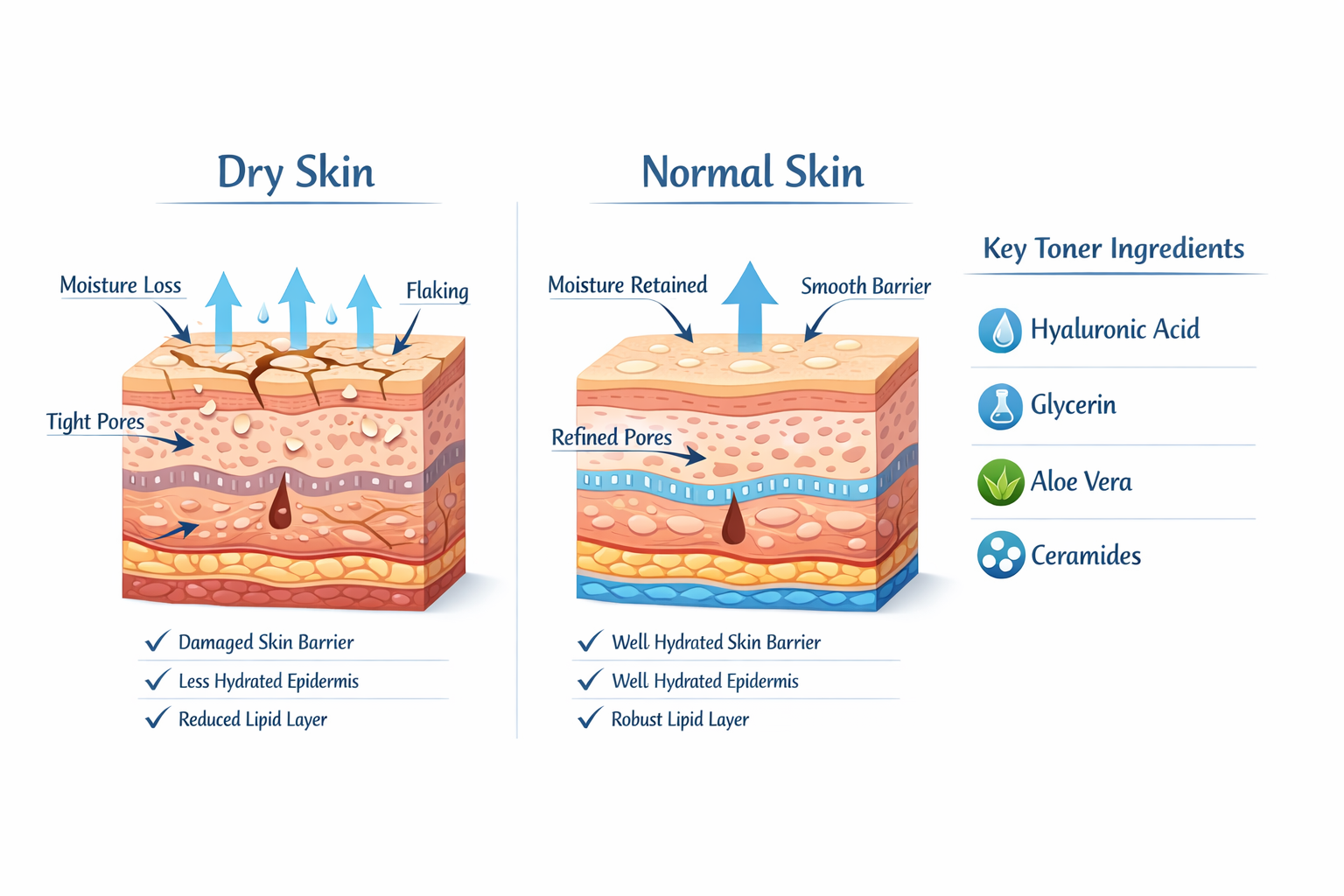
The best toner for dry skin are hydrating, alcohol-free formulas that contain ingredients like hyaluronic acid, glycerin, aloe vera, or ceramides. Avoid toners with denatured alcohol or high concentrations of witch hazel, as these strip moisture from an already compromised skin barrier.
Key Takeaways
- Dry skin needs toners that add moisture, not remove oil — look for humectants and emollients, not astringents
- The most effective ingredients for dry skin toners are hyaluronic acid, glycerin, aloe vera, ceramides, and plant-based waters
- Alcohol-based and astringent toners (designed for oily skin) will worsen dryness, tightness, and flaking
- Apply toner immediately after cleansing, while skin is still slightly damp, to maximize moisture absorption
- Patting toner directly onto skin with clean hands is often more effective than using a cotton pad, which can absorb product
- Not all “hydrating” toners are equal — some marketed for dry skin still contain drying fragrance or harsh preservatives
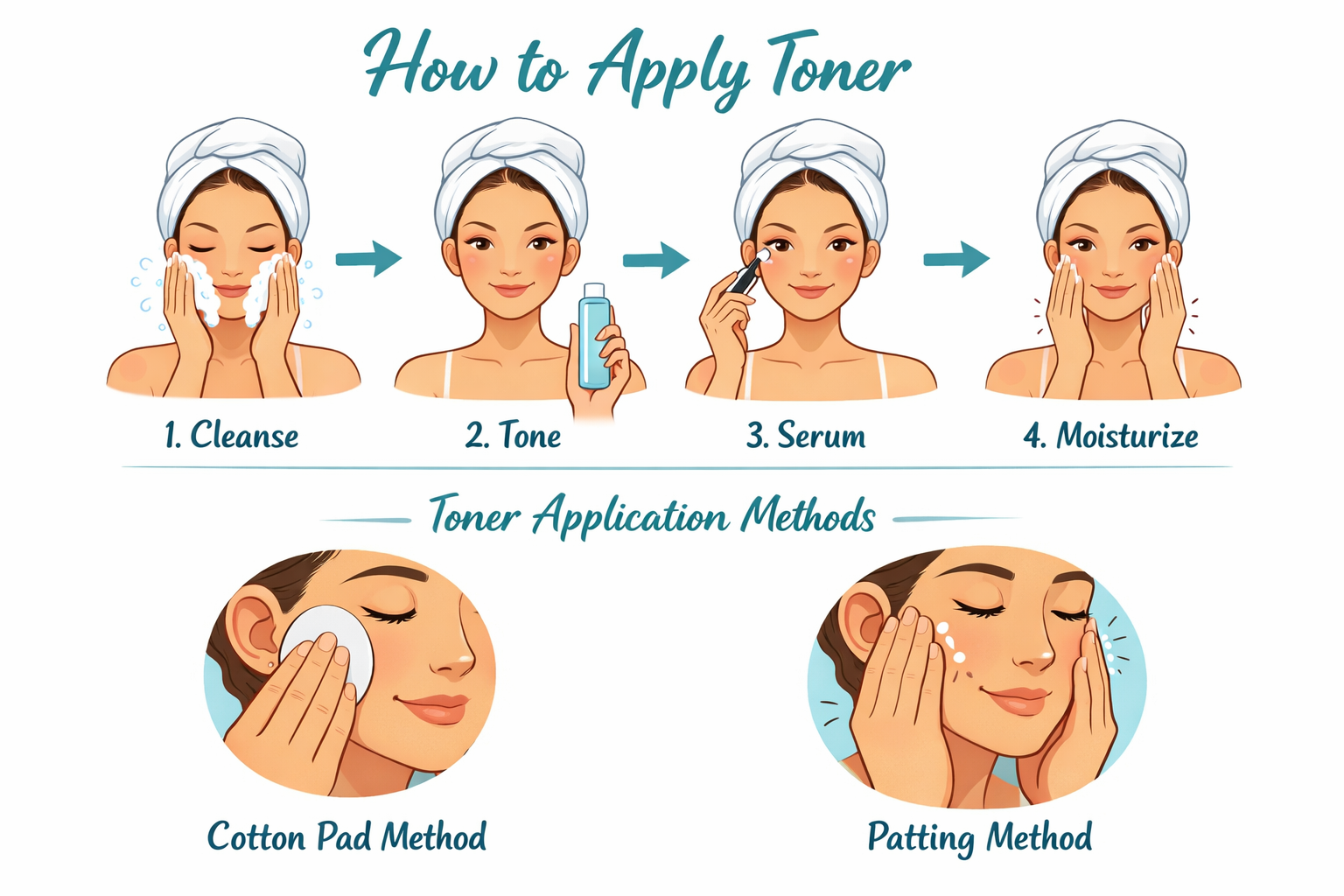
- Toners work best as part of a complete routine: cleanser → toner → serum → moisturizer
- People with dry and sensitive skin overlap should prioritize fragrance-free, minimal-ingredient formulas
- Exfoliating toners (like papaya enzyme) can benefit dry skin, but limit use to 2–3 times per week to avoid irritation
- Consistency matters more than product switching — give any new toner 4–6 weeks before evaluating results
What Makes a Toner Good for Dry Skin?
A toner is good for dry skin when it replenishes moisture, supports the skin barrier, and does not contain ingredients that cause further water loss. This narrows the field significantly — many classic toners were formulated for oily skin and rely on alcohol or salicylic acid to reduce sebum, which is the opposite of what dry skin needs.
What to look for:
- Humectants (draw water into skin): hyaluronic acid, glycerin, sodium PCA, panthenol
- Emollients (soften and smooth): plant oils, shea butter, squalane
- Soothing agents: aloe vera, centella asiatica, niacinamide, thermal spring water
- Barrier-supporting ingredients: ceramides, fatty acids, peptides
What to avoid:
- Denatured alcohol (listed as “alcohol denat.” or “SD alcohol”)
- High-percentage witch hazel without other hydrating ingredients
- Synthetic fragrance (a common irritant for dry, sensitive skin)
- Menthol or eucalyptus (create a cooling sensation but disrupt the barrier)
The basic rule: If the toner feels tight or tingly 30 seconds after application, it is not right for dry skin.
How to Evaluate a Toner for Dry Skin
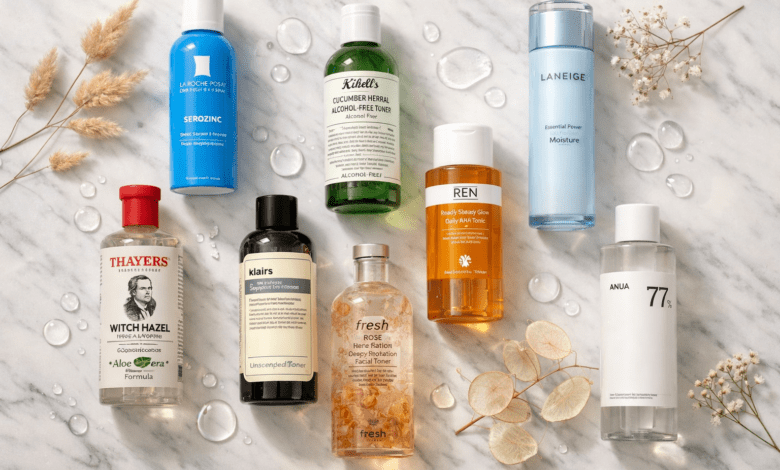
Product formulas and availability change. Rather than treating a list as a universal ranking or endorsement, compare the current ingredient list and instructions with your skin needs. For dry skin, favour a gentle, fragrance-free formula with humectants or barrier-supporting ingredients, and avoid products that leave your skin stinging, tight, or more irritated.
Patch-test new products, especially if you have eczema, rosacea, allergies, or a damaged skin barrier. A dermatologist can help if dryness is persistent, painful, or accompanied by a rash.
How Should You Apply Toner If You Have Dry Skin?
The application method matters as much as the product itself. For dry skin specifically, technique can significantly affect how much hydration the skin actually retains.
Step-by-step application guide:
- Cleanse your face with a gentle, sulfate-free cleanser
- Pat skin lightly with a clean towel — leave it slightly damp, not fully dry
- Pour a small amount of toner into clean palms (or onto a cotton pad for mist-style toners)
- Press and pat the toner gently into skin — do not rub or drag
- Allow it to absorb for 20–30 seconds
- Follow immediately with a serum or moisturizer to seal in the hydration
Cotton pad vs. hands: Cotton pads absorb a significant portion of the product before it reaches your skin. For dry skin, applying with clean hands and pressing gently is more efficient and less wasteful.
Morning vs. evening: Follow the product directions and stop using a toner if it causes stinging, redness, or worsening dryness. Exfoliating toners can be irritating for dry or sensitive skin, so introduce them cautiously and avoid using them more often than the label directs.
What Ingredients Should You Avoid in a Toner If You Have Dry Skin?
Dry skin types should avoid toners containing denatured alcohol, synthetic fragrance, and high-concentration astringents. These ingredients are effective for oily skin but actively worsen dryness by disrupting the skin’s natural lipid barrier.
| Ingredient to Avoid | Why It’s Problematic for Dry Skin | Common Aliases |
|---|---|---|
| Denatured alcohol | Strips lipids, increases water loss | Alcohol denat., SD alcohol, ethanol |
| Synthetic fragrance | Triggers inflammation, irritation | “Fragrance,” “parfum” |
| High-dose witch hazel | Astringent effect dries out skin | Hamamelis virginiana water |
| Menthol / eucalyptus | Disrupts barrier, causes irritation | Mentha piperita, eucalyptol |
| Salicylic acid (daily) | Exfoliates aggressively, not suitable for daily dry skin use | BHA, beta hydroxy acid |
How Long Does It Take to See Results from a Toner?
Most people notice an immediate improvement in skin feel — less tightness, softer texture — within the first few uses of a good hydrating toner. Visible improvements in skin tone, texture, and overall hydration typically take 4–6 weeks of consistent use.
- Week 1–2: Skin feels less tight after cleansing; surface dryness begins to improve
- Week 3–4: Texture becomes smoother; moisturizer absorbs more evenly
- Week 5–6+: Complexion appears more even and hydrated; fine lines from dehydration become less visible
If your skin does not improve or worsens after 2–3 weeks, reconsider the formula. Persistent stinging, redness, or increased flaking are signs the toner is not compatible with your skin.
Can Diet and Lifestyle Affect How Dry Your Skin Is?
Yes — toners help manage dry skin externally, but hydration, nutrition, and environment play a significant role in how dry your skin becomes in the first place. A toner cannot fully compensate for a diet low in essential fatty acids or chronic dehydration.
Factors that worsen dry skin:
- Low water intake
- Diets low in omega-3 fatty acids (found in oily fish, flaxseed, walnuts)
- Prolonged exposure to heated or air-conditioned environments
- Hot showers and harsh soaps
- Certain medications (retinoids, antihistamines, diuretics)
Supporting your skin from the inside matters. Exploring anti-inflammatory foods and understanding how environmental factors affect your health can give you a more complete picture of what’s driving your skin’s dryness.
Frequently Asked Questions
Q: What is the single best toner for very dry, flaky skin?
A: La Roche-Posay Thermal Spring Water or Kiehl’s Ultra Facial Toner are the top choices. Both are alcohol-free, contain skin-barrier-supporting ingredients, and are gentle enough for daily use on severely dry skin.
Q: Can I use a toner if I have dry and sensitive skin?
A: Yes, but choose a fragrance-free, alcohol-free formula with minimal ingredients. Caudalie Grape Water and La Roche-Posay Thermal Spring Water are both suitable for dry-sensitive combinations.
Q: Should I use toner morning and night if I have dry skin?
A: A hydrating toner can be used twice daily. Exfoliating toners should be used at night only, 2–3 times per week at most.
Q: Is witch hazel bad for dry skin?
A: High-concentration witch hazel is too astringent for dry skin. However, some formulas (like Dr. Jart+ Dermaclear Micro Water) use it at low concentrations alongside hydrating ingredients, which can be tolerable for mild dryness.
Q: Do I need a toner if I already use a hydrating serum?
A: Not strictly. However, a toner applied before a serum can improve absorption by preparing the skin’s surface. Think of it as priming the skin to receive the next step more effectively.
Q: Can toner replace moisturizer for dry skin?
A: No. Toners hydrate and prepare the skin but do not provide the occlusive or emollient barrier that a moisturizer does. Always follow a toner with a moisturizer, especially if you have dry skin.
Q: How much toner should I use per application?
A: A 5–10 cent coin-sized amount is enough for the full face when applied with hands. If using a cotton pad, you may need slightly more to saturate the pad adequately.
Q: Are natural or “clean” toners better for dry skin?
A: Not necessarily. “Natural” does not automatically mean gentle or effective. Some natural ingredients (like citrus extracts or essential oils) can irritate dry skin. Focus on the ingredient list, not the marketing label.
Q: What is the difference between a toner and an essence for dry skin?
A: Essences are typically more concentrated and have a slightly thicker consistency than toners. Both can be used for dry skin — some routines include both, applied in order from thinnest to thickest consistency.
Q: Can I use cinnamon-based skincare products alongside a toner for dry skin?
A: Cinnamon has antioxidant properties but can be irritating for dry or sensitive skin. If you’re curious about its uses, read more about cinnamon benefits for skin before incorporating it into your routine.
This article is for informational purposes only and does not constitute medical or dermatological advice. If you experience persistent skin concerns, consult a licensed dermatologist.

Dave James has spent 30+ years reading health and longevity research, and has run All Perfect Health for the past five. His background is in Australian mining and industrial engineering — disciplines built on questioning claims, measuring outcomes, and respecting evidence. He writes about what the research actually says, including where the experts disagree.
More about Dave & this site →
📂 Modern Skin Care
This article is part of the Modern Skin Care cluster. The pillar and supporting guides are listed below.