
The Most Nutrient-Dense Foods: An Evidence-Based Guide for 2026
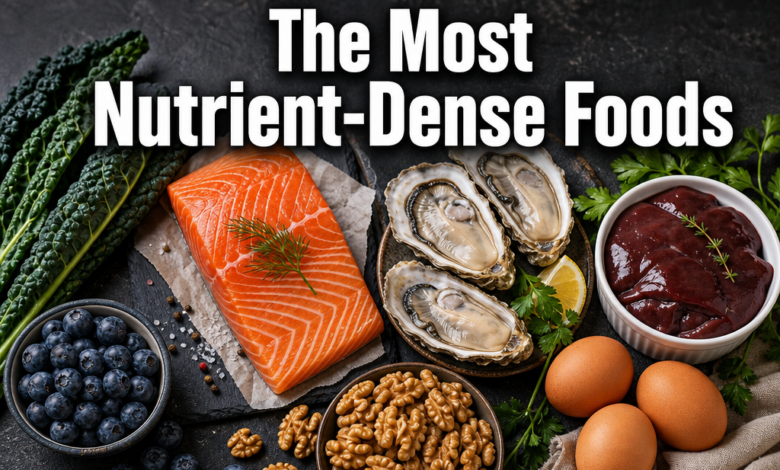
Roughly one in three American adults is deficient in at least one essential micronutrient, even among people who consider themselves healthy eaters. That is not a supplement-industry talking point — it is a consistent finding across national nutrition surveys, and it points to a straightforward problem: most people are eating enough calories but not enough nutrition.
That gap is exactly what the concept of the most nutrient-dense foods is designed to close. Not by chasing exotic ingredients or expensive powders, but by understanding which everyday foods deliver the widest range of vitamins, minerals, protein, and essential fats relative to what they cost you in calories, money, and effort.
This guide covers what nutrient density actually means, which foods score highest by the evidence, and how to build a practical eating pattern around them. The framework used here is APH’s 70/30 model — roughly 70 percent of the plate anchored by animal foods for their bioavailable micronutrients, and 30 percent built from the most useful plant foods for fiber, polyphenols, and mineral diversity.
Key Takeaways
- Nutrient density means the amount of useful nutrition a food delivers relative to its calories and serving size — not just whether a food is “healthy.”
- Animal foods — particularly organ meats, shellfish, fatty fish, and eggs — provide the most concentrated, bioavailable sources of hard-to-get micronutrients like B12, iron, zinc, choline, and vitamin D.
- Plant foods earn their place through fiber, polyphenols, vitamin C, potassium, magnesium, and microbial diversity — not as a replacement for animal nutrition, but as a complement to it.
- No single food covers every nutrient. The goal is a pattern, not a perfect food.
- The 70/30 animal/plant model is a practical starting point for most healthy adults — not a rigid rule, but a useful structure.
Table of Contents
- What Does “Nutrient-Dense” Actually Mean?
- The Best Nutrient-Dense Foods Overall
- The 70/30 Nutrient-Density Framework
- Organ Meats: The Most Concentrated Source of Many Micronutrients
- Shellfish: Oysters, Clams, Mussels, and Scallops
- Fatty Fish and Small Fish: Omega-3s, Vitamin D, Calcium, and Protein
- Eggs: A Simple Nutrient-Dense Food Most People Can Use
- High-Quality Meat and Dairy: Nutrient-Dense, but Context Matters
- The Most Nutrient-Dense Plant Foods
- Animal Foods vs. Plant Foods: Which Are More Nutrient-Dense?
- How to Build a Nutrient-Dense Meal
- Sample 70/30 Nutrient-Dense Day of Eating
- Common Nutrient-Density Mistakes to Avoid
- Who Should Be More Careful With Nutrient-Dense Foods?
- Frequently Asked Questions About Nutrient-Dense Foods
- Final Takeaway: Eat Foods That Earn Their Place on the Plate
What Does “Nutrient-Dense” Actually Mean?
In plain English, a nutrient-dense food gives you a lot of useful nutrition for the calories it contains. But that definition needs unpacking, because it is more nuanced than a simple ratio.
There are two ways to measure nutrient density:
- Nutrients per calorie — how much nutrition you get per 100 calories consumed
- Nutrients per serving — how much nutrition you get from a realistic portion of food
Both matter. Spinach scores extremely well on nutrients per calorie, but a realistic serving is small. Beef liver scores well on both measures. Oysters score well on nutrients per serving even though they are relatively low in calories.
Bioavailability is the third factor, and it is the one most people overlook. A food can be rich in a nutrient on paper but deliver very little of it to your body. Iron in spinach, for example, is non-heme iron — the form humans absorb poorly compared to the heme iron in red meat. Zinc in legumes is partially blocked by phytic acid. Vitamin A in carrots is beta-carotene, which the body must convert to retinol — a conversion that is inefficient in many people.
This is not an argument against plant foods. It is an argument for understanding what you are actually getting, not just what the label says.
The simplest way to look at it is this: the most nutrient-dense foods are those that score well on nutrient breadth (covering many nutrients), nutrient depth (high amounts of specific nutrients), bioavailability (how much the body actually absorbs), and practical usability (foods people will actually eat regularly).
No single food ticks every box. That is why a pattern matters more than any individual ingredient.
The Best Nutrient-Dense Foods Overall
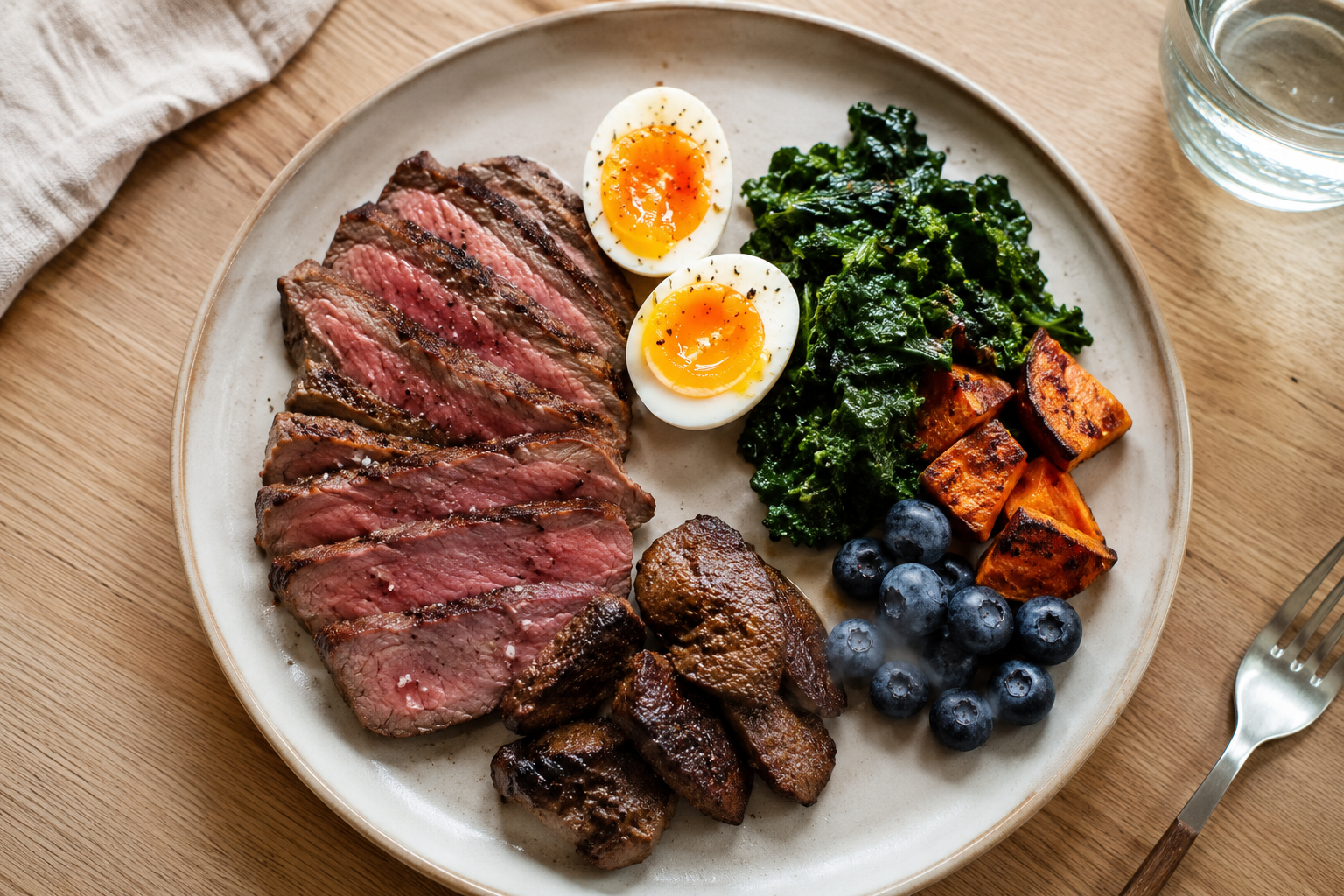
The table below covers the most nutrient-dense foods across both animal and plant categories. The goal is not a ranked list — it is a practical reference showing what each food actually delivers and how to use it.
| Food | Key Nutrients | Practical Use |
|---|---|---|
| Liver (beef/chicken) | Vitamin A, B12, folate, iron, copper, zinc, choline, riboflavin | 1-2 servings per week; pan-fried, in pate, or mixed into ground meat |
| Oysters | Zinc, B12, copper, iron, selenium, omega-3s | Raw, steamed, or canned; 6-12 oysters is a meaningful serving |
| Clams | B12 (exceptional), iron, selenium, zinc | Steamed, in chowder, or canned in water |
| Mussels | B12, selenium, manganese, omega-3s, iron | Steamed with garlic; affordable and widely available |
| Sardines | Omega-3s, calcium (bone-in), B12, vitamin D, selenium | Canned in water or olive oil; eat the bones for calcium |
| Salmon | Omega-3s (EPA/DHA), vitamin D, B12, selenium, protein | Baked, poached, or pan-seared; 2+ servings per week |
| Eggs | Choline, B12, vitamin D, selenium, high-quality protein, lutein | Whole eggs, any preparation; 2-4 daily is reasonable for most adults |
| Beef (grass-fed) | B12, zinc, iron (heme), creatine, carnosine, selenium | Grilled, slow-cooked, or as ground beef; 3-5 servings per week |
| Lamb | B12, zinc, iron, selenium, omega-3s (higher in grass-fed) | Roasted or grilled; similar profile to beef with slightly higher fat |
| Greek yogurt | Calcium, protein, B12, phosphorus, probiotics | Plain, full-fat; as a base for meals or snacks |
| Kefir | Calcium, B12, probiotics, phosphorus, vitamin K2 | Fermented dairy; good for gut diversity alongside nutrient density |
| Leafy greens | Vitamin K1, folate, vitamin C, magnesium, nitrates, fiber | Raw or lightly cooked; daily inclusion is low-effort and high-return |
| Seaweed | Iodine, magnesium, folate, vitamin K | Nori sheets, dried flakes; small amounts go a long way for iodine |
| Berries | Vitamin C, anthocyanins, fiber, manganese | Fresh or frozen; blueberries and strawberries are among the best studied |
| Legumes | Fiber, folate, iron, potassium, plant protein | Lentils, black beans, chickpeas; pair with vitamin C to improve iron absorption |
| Tubers | Potassium, vitamin C, B6, fiber (sweet potato adds vitamin A as beta-carotene) | Roasted or boiled; sweet potatoes and potatoes are both useful |
| Nuts | Magnesium, vitamin E, healthy fats, selenium (Brazil nuts) | Small portions; 1-2 Brazil nuts covers selenium needs |
| Seeds | Omega-3s (ALA in flax/chia), magnesium, zinc, fiber | Ground flaxseed, chia seeds; useful additions to meals |
| Mushrooms | Vitamin D (if UV-exposed), B vitamins, selenium, ergothioneine | Cooked; UV-exposed varieties meaningfully raise vitamin D content |
| Fermented vegetables | Probiotics, vitamin K2, fiber, B vitamins | Sauerkraut, kimchi; small daily servings support gut diversity |
| Cacao (dark) | Magnesium, iron, flavanols, fiber | High-percentage dark chocolate or raw cacao; small amounts count |
For a deeper look at how , many of the foods in this table overlap directly with that evidence base.
4 Foods to Make New Mitochondria
A strong food-based video for readers interested in nutrient density, mitochondrial health, and cellular repair. Watch on YouTube →
Speaker shout-out: Dr. William Li
Dr. William Li is a physician, scientist, author of Eat to Beat Disease, and president of the Angiogenesis Foundation. His work focuses on how food influences angiogenesis, metabolism, immunity, regeneration, and cellular health.
The 70/30 Nutrient-Density Framework
The 70/30 model is not a strict macronutrient ratio or a named diet. It is a practical structure for building meals around the foods that deliver the most nutrition per bite.
The idea is straightforward:
- Roughly 70 percent of the plate, by food weight or meal composition, comes from animal-sourced foods — meat, fish, shellfish, eggs, and dairy. These anchor the hard-to-get, highly bioavailable nutrients: B12, heme iron, zinc, choline, vitamin D, omega-3 EPA/DHA, vitamin A (retinol), and complete protein.
- The remaining 30 percent comes from the most useful plant foods — leafy greens, berries, legumes, tubers, fermented vegetables, nuts, seeds, and herbs. These contribute fiber, polyphenols, vitamin C, potassium, magnesium, and microbial diversity.
Here is the real issue with most modern diets: they are heavy in processed carbohydrates and seed oils, light on organ meats and shellfish, and missing the nutrient breadth that whole-food animal and plant combinations provide. The 70/30 model is a correction to that pattern — not a rejection of plant foods.
Context matters. Someone eating a Mediterranean-style diet with regular fish, eggs, and dairy may already be close to this ratio without labeling it. Someone eating a highly plant-forward diet may need to pay more deliberate attention to B12, zinc, iron, and choline.
A sensible starting point is to ask: does every meal contain a high-quality protein source with meaningful micronutrient coverage? If the answer is yes most of the time, the rest of the plate can be flexible.
Organ Meats: The Most Concentrated Source of Many Micronutrients
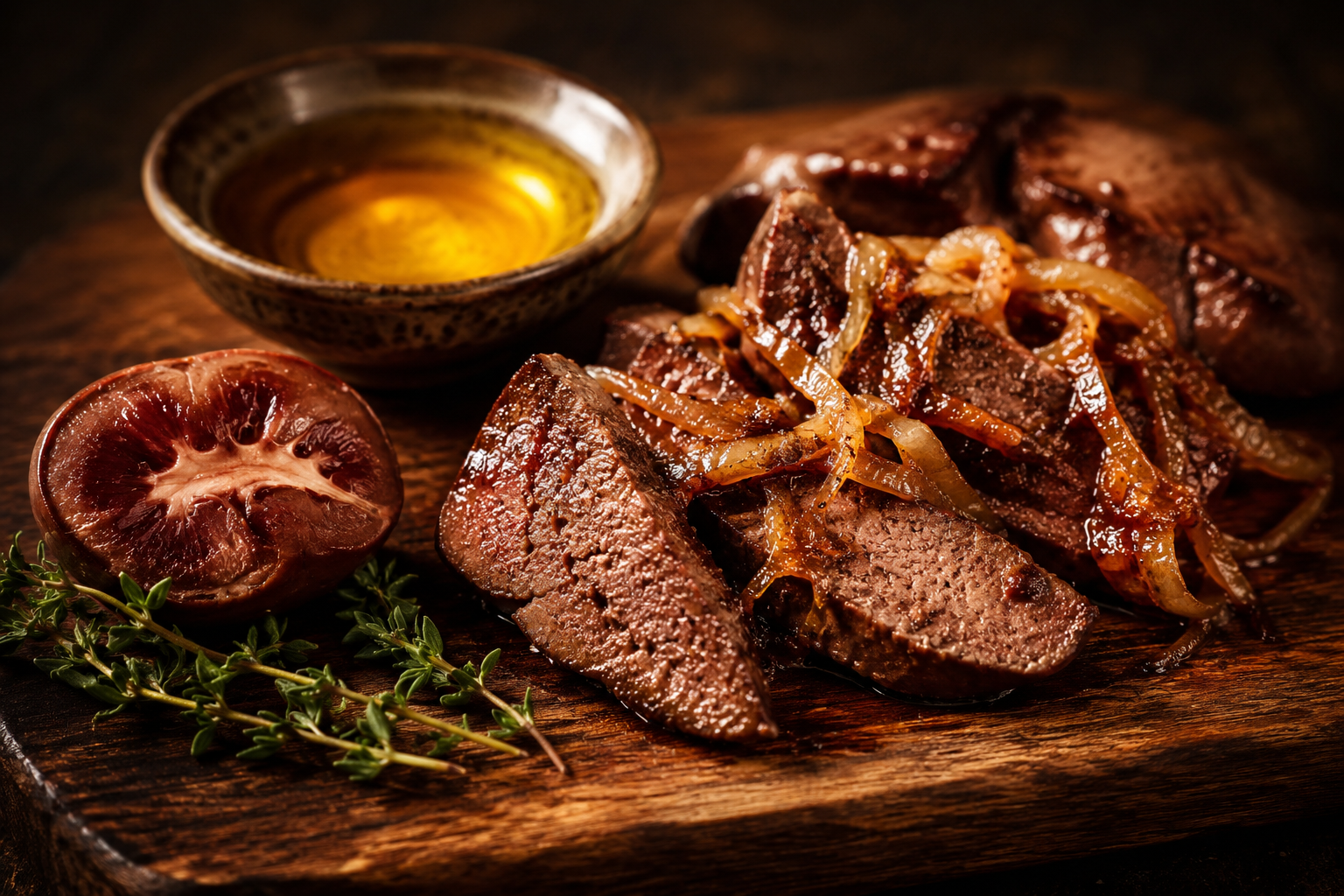
Organ meats are, by most objective measures, the most nutrient-dense foods available. Beef liver alone provides more vitamin A, B12, folate, copper, iron, and choline per 100 grams than almost any other food on earth. A 100g serving covers more than the daily requirement for B12 by a factor of ten, provides substantial retinol (pre-formed vitamin A), and delivers meaningful amounts of riboflavin, zinc, and selenium.
The main organ meats worth knowing:
- Beef liver — the gold standard for micronutrient density; high in retinol, B12, copper, iron, choline, and folate
- Chicken liver — similar profile to beef liver, slightly milder flavour, easier to source
- Heart (beef or chicken) — rich in CoQ10, B12, zinc, and iron; more muscle-like in texture
- Kidney — high in B12, selenium, and riboflavin
- Spleen — one of the richest sources of heme iron available
- Cod liver — provides preformed vitamin A and vitamin D together, which is a rare combination in food
One important note on liver: because it is so concentrated in retinol (preformed vitamin A), more is not always better. Consuming large amounts daily over time can lead to vitamin A accumulation, which carries real risk. One to two servings per week is a reasonable, evidence-consistent approach for most healthy adults. Pregnant women should be particularly careful with high-dose retinol — this is an area where professional guidance matters.
There is no magic in organ meats beyond their nutrient content. They are simply the parts of the animal that accumulate the most micronutrients. The liver, in particular, is the nutrient storage organ of the body — which is exactly why it is so dense.
Protein Trick: Eat This at Night to Lose Stubborn Fat
A practical companion video on protein timing, body composition, and late-day nutrition strategy. Watch on YouTube →
Speaker shout-out: The Primal Podcast
The Primal Podcast features long-form conversations with health researchers, clinicians, and nutrition specialists, with a focus on ancestral health, protein, metabolic function, body composition, and practical diet strategies.
Shellfish: Oysters, Clams, Mussels, and Scallops
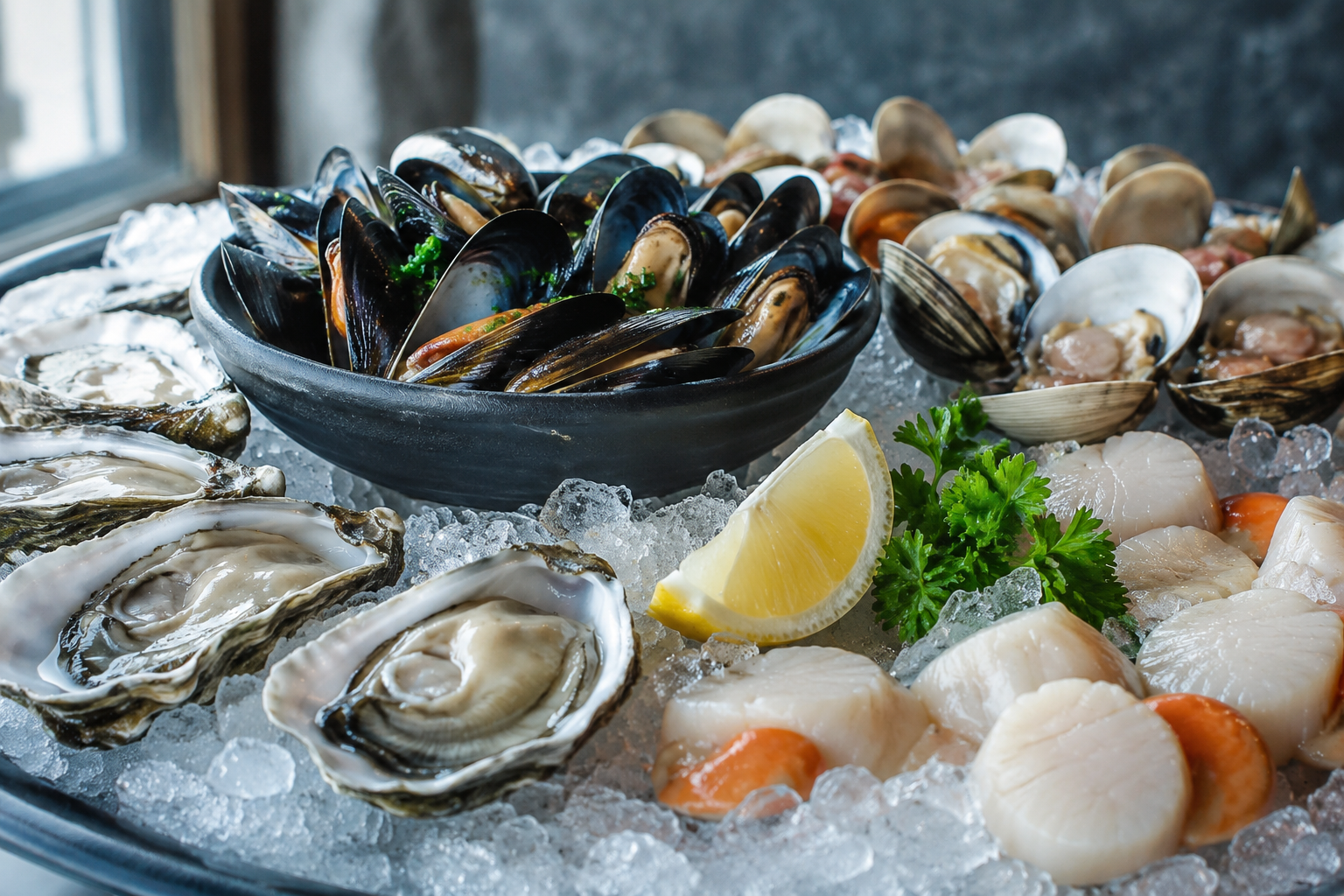
If organ meats are the most nutrient-dense land foods, shellfish are their ocean equivalent. Oysters, in particular, are among the most concentrated sources of zinc available in any food. A serving of six oysters can provide more than the entire daily requirement for zinc, along with meaningful amounts of B12, copper, selenium, and omega-3 fatty acids.
Shellfish by nutrient profile:
- Oysters — exceptional for zinc, B12, copper, selenium, and iron; also provide omega-3s
- Clams — extraordinary source of B12 (one of the highest in any food), plus iron, selenium, and zinc
- Mussels — rich in B12, selenium, manganese, and omega-3s; affordable and widely available
- Scallops — good source of B12, phosphorus, selenium, and lean protein
Shellfish are also relatively low in calories, which means they score well on nutrients per calorie as well as nutrients per serving. Canned versions — particularly clams and mussels — retain most of their nutritional value and are a practical, affordable option.
The evidence suggests that regular shellfish consumption is one of the most efficient ways to address common micronutrient gaps, particularly zinc and B12, without relying on supplements. For people eating a predominantly plant-based diet, even one or two shellfish servings per week can make a meaningful difference to mineral status.
Fatty Fish and Small Fish: Omega-3s, Vitamin D, Calcium, and Protein
Fatty fish and small oily fish represent one of the clearest examples of foods that earn their place on the plate through multiple nutrient pathways simultaneously.
The American Heart Association’s guidelines recommend at least two servings of fatty fish per week, primarily for their EPA and DHA omega-3 content. But the nutrient story goes well beyond omega-3s.
Key fish by nutrient contribution:
- Sardines (bone-in, canned) — omega-3s, vitamin D, B12, selenium, and calcium from the soft edible bones; one of the most complete single foods available
- Salmon — high EPA/DHA, vitamin D, B12, selenium, and high-quality protein; wild-caught tends to have a better omega-3 profile
- Mackerel — very high omega-3 content, vitamin D, B12; Atlantic mackerel is well-regarded
- Herring — comparable to mackerel; common in pickled or smoked form
- Anchovies — small, bone-in, high in omega-3s and calcium; used in small amounts as a flavour base
- Trout — similar profile to salmon; freshwater farmed trout is a reliable option
Bone-in canned fish deserves special mention. Sardines and salmon canned with bones are one of the few non-dairy food sources of calcium that actually delivers meaningful amounts in a realistic serving. For people who do not consume much dairy, this matters. For more on dietary calcium sources and absorption, see the foods rich in calcium guide.
The numbers matter here: a 100g serving of canned sardines with bones provides roughly 350mg of calcium — about a third of the daily requirement — alongside omega-3s, vitamin D, and B12. That is a strong return for a food that costs very little.
Eggs: A Simple Nutrient-Dense Food Most People Can Use
Eggs are one of the most practical and consistently underrated entries on any list of the most nutrient-dense foods. A 2025 study in the Journal of Nutrition confirmed what nutritional science has been pointing toward for years: whole eggs provide high-quality complete protein, all essential amino acids, and a broad range of vitamins and minerals in a single, affordable package.
What a whole egg actually contains:
- Choline — one of the best dietary sources; essential for liver function, brain health, and fetal development
- Vitamin D — modest but meaningful, especially in pasture-raised eggs
- B12 — significant contribution toward daily needs
- Selenium — important antioxidant mineral
- Lutein and zeaxanthin — carotenoids concentrated in the yolk; associated with eye health
- High-quality protein — eggs have one of the highest protein digestibility scores of any food
The yolk is where most of the nutrition lives. Egg whites are a good protein source, but eating only whites means missing choline, fat-soluble vitamins, and the carotenoids. Whole eggs are the nutrient-dense choice.
The question of eggs and cholesterol is worth addressing directly. The evidence has shifted considerably over the past decade. For most healthy adults, dietary cholesterol from whole eggs does not appear to meaningfully raise cardiovascular risk. The relationship is more complex than early research suggested, and current evidence does not support strict egg limits for the general population. That said, individual responses vary, and people with specific lipid conditions should discuss this with their doctor. For a detailed breakdown, see the hard-boiled egg nutrition guide.
Two to four eggs daily is a reasonable range for most healthy adults. There is no magic number — context matters.
High-Quality Meat and Dairy: Nutrient-Dense, but Context Matters
Fresh, unprocessed meat and full-fat dairy are nutrient-dense foods. This is not a controversial position — it is what the data shows. The important distinction is between fresh, whole-food versions and processed products.
Beef and lamb provide heme iron (the most bioavailable form), zinc, B12, creatine, carnosine, and selenium. Grass-fed beef has a modestly better omega-3 to omega-6 ratio than grain-fed, though the absolute omega-3 amounts are still lower than fatty fish. The practical point is that beef and lamb are reliable, nutrient-dense foods worth including regularly.
Dairy — particularly Greek yogurt, kefir, and aged cheeses — contributes calcium, B12, phosphorus, and protein. Fermented dairy products like kefir also provide live cultures that support gut microbial diversity. The evidence on full-fat dairy has shifted in recent years; current research does not consistently support the idea that full-fat dairy increases cardiovascular risk in the context of a whole-food diet.
What this section is not saying: processed meats — bacon, hot dogs, deli meats with nitrates, sausages made with fillers — are not equivalent to fresh meat in nutrient density or health profile. They should not be treated as interchangeable. This is where hype gets in the way of clear thinking: “meat is good” does not mean all meat products are equal.
The basics still do the heavy lifting. Fresh beef, lamb, chicken, and whole-food dairy are practical, affordable, and nutritionally solid. They do not need to be organic or premium to be useful.
The Most Nutrient-Dense Plant Foods
Plant foods earn their place in a nutrient-dense diet through what animal foods do not provide in sufficient amounts: fiber, polyphenols, vitamin C, potassium, magnesium, and microbial substrate for gut bacteria.
The strongest plant foods by evidence:
Leafy greens (spinach, kale, Swiss chard, arugula)
According to a 2025 USDA report, leafy greens are among the richest sources of vitamins A (as beta-carotene), C, K1, and folate. They also provide magnesium, nitrates (which support blood flow), and prebiotic fiber. Cooking increases the bioavailability of some nutrients while reducing oxalate content, which can interfere with mineral absorption in large raw quantities.
Berries (blueberries, strawberries, blackberries)
A 2025 study in the Journal of Agricultural and Food Chemistry confirmed that berries have among the highest antioxidant capacities of any commonly eaten fruit. Their anthocyanin content — the compounds responsible for their deep colour — is associated with reduced oxidative stress and inflammation markers. Frozen berries retain most of their polyphenol content and are a practical year-round option. For more on polyphenol-rich foods, see .
Legumes (lentils, black beans, chickpeas)
The 2025 Dietary Guidelines for Americans highlight legumes as nutrient-dense foods rich in fiber, folate, iron, potassium, and plant protein. The iron in legumes is non-heme and less bioavailable than heme iron, but pairing legumes with vitamin C-rich foods significantly improves absorption. Legumes also serve as excellent prebiotic fiber sources. For a detailed look at how fiber-rich foods support health, see the .
Tubers (sweet potato, potato, cassava)
Sweet potatoes provide substantial beta-carotene, vitamin C, potassium, and B6. Regular potatoes are often dismissed, but they are a good source of potassium, vitamin C, and resistant starch — particularly when cooled after cooking. The USDA’s 2025 nutrient database confirms sweet potatoes as one of the most nutrient-dense starchy vegetables available.
Nuts and seeds
A 2025 meta-analysis in Nutrients found regular nut and seed consumption associated with reduced chronic disease risk, attributed to their healthy fat, protein, fiber, and mineral content. Brazil nuts are notable for selenium — one or two per day covers the daily requirement. Walnuts have the best omega-3 ALA profile among nuts. Ground flaxseed and chia seeds provide ALA omega-3s, fiber, and magnesium.
Seaweed and mushrooms
Seaweed is one of the few plant sources of iodine — a nutrient that is genuinely difficult to obtain outside of dairy, seafood, and iodised salt. Small amounts of nori or dried seaweed flakes go a long way. UV-exposed mushrooms are one of the few plant foods that provide meaningful vitamin D. Ergothioneine, a compound found in mushrooms, is increasingly studied for its antioxidant properties.
Fermented vegetables (sauerkraut, kimchi)
Fermented vegetables contribute live cultures, vitamin K2, and B vitamins alongside their base fiber and mineral content. They are not a primary nutrient source, but they add microbial diversity and support gut health in ways that align with the broader evidence. For more on how fermented foods compare to probiotic supplements, see fermented foods vs probiotics vs postbiotics.
One practical note on plant foods and antinutrients: some plant foods contain compounds — phytates, oxalates, lectins, enzyme inhibitors — that can reduce mineral absorption or cause digestive issues in sensitive individuals. Cooking, soaking, and fermenting reduce most of these significantly. This is not a reason to avoid plant foods; it is a reason to prepare them thoughtfully. For a balanced look at this topic, see the guide to plant toxins and antinutrients.
Animal Foods vs. Plant Foods: Which Are More Nutrient-Dense?
This is a question that generates more heat than light in online nutrition discussions. Let’s keep this practical.
Animal foods generally win on:
- Bioavailability of iron, zinc, B12, vitamin A (retinol), and vitamin D
- Complete protein with all essential amino acids in optimal ratios
- Choline, creatine, carnosine, and taurine — compounds difficult or impossible to obtain adequately from plants
- Omega-3 EPA and DHA (not just ALA, which requires inefficient conversion)
Plant foods generally win on:
- Fiber (soluble, insoluble, and prebiotic)
- Polyphenols and flavonoids
- Vitamin C and folate (though liver is also high in folate)
- Potassium and magnesium
- Microbial diversity and gut substrate
The stronger evidence points to a combined approach rather than an either/or position. Populations with the best long-term health outcomes tend to eat diets that include both — varied whole foods, regular fish and animal protein, and substantial vegetable and fiber intake.
The idea that plant foods are inherently more nutrient-dense than animal foods is not supported by the data when bioavailability is factored in. The reverse claim — that animal foods make plant foods unnecessary — is also not accurate. Both positions oversimplify a more useful truth: different foods cover different gaps, and the goal is coverage, not ideological purity.
How to Build a Nutrient-Dense Meal
Building a nutrient-dense meal does not require meal planning software or a nutrition degree. It requires a simple mental framework applied consistently.
The three-part structure:
- Anchor with a high-quality protein source — this is the nutrient foundation of the meal. Eggs, fish, meat, shellfish, or quality dairy. This covers protein, B12, zinc, iron, and often vitamin D.
- Add a fiber and polyphenol layer — leafy greens, cooked vegetables, legumes, or fermented foods. This covers fiber, vitamin C, folate, potassium, and gut substrate.
- Include a fat source that adds micronutrients — olive oil, avocado, nuts, or fatty fish. This supports fat-soluble vitamin absorption and adds magnesium, vitamin E, or omega-3s depending on the source.
What matters most is this: the protein anchor determines most of your micronutrient coverage. If that is solid — a piece of salmon, three eggs, a serving of beef, or a bowl of mussels — the rest of the meal fills in gaps rather than trying to carry the full nutritional load.
For a practical look at how anti-inflammatory eating overlaps with nutrient density, see the .
Sample 70/30 Nutrient-Dense Day of Eating
This is a realistic, practical example — not a perfect prescription. Adjust portions for your own calorie needs.
Breakfast
Three whole eggs scrambled in butter with a large handful of spinach and half an avocado. Optional: a small portion of smoked salmon on the side.
- Covers: choline, B12, vitamin D, lutein, vitamin K1, folate, healthy fats
Lunch
A tin of sardines in olive oil over a bed of mixed leafy greens with sliced cucumber, cherry tomatoes, and a squeeze of lemon. A small portion of cooked lentils on the side.
- Covers: omega-3s, calcium (from bones), B12, vitamin D, fiber, folate, vitamin C, iron
Dinner
Grass-fed beef (150-200g) with roasted sweet potato and a generous portion of steamed broccoli or kale. A small side of sauerkraut.
- Covers: heme iron, zinc, B12, creatine, beta-carotene, vitamin C, vitamin K, fiber, probiotics
Snacks (optional)
Plain full-fat Greek yogurt with a handful of blueberries and a small portion of walnuts.
- Covers: calcium, protein, probiotics, anthocyanins, ALA omega-3s, magnesium
One or two times per week: replace one of the above protein sources with liver, oysters, or mussels to cover copper, zinc, and B12 in higher concentrations.
This pattern is not restrictive, expensive, or complicated. It is built around whole foods that are widely available and, in most cases, affordable.
Common Nutrient-Density Mistakes to Avoid
1. Focusing on single “superfoods” instead of patterns
Blueberries are excellent. Kale is useful. But no single food solves a nutrient gap. The pattern across meals and days is what matters.
2. Ignoring organ meats and shellfish
These are the most nutrient-dense foods available, yet most people eat them rarely or never. Even one serving of liver or oysters per week makes a measurable difference to micronutrient status.
3. Treating all plant iron as equivalent to heme iron
Non-heme iron from spinach, legumes, and fortified foods is absorbed at a fraction of the rate of heme iron from meat. This matters particularly for women of reproductive age, athletes, and older adults.
4. Eating egg whites and discarding yolks
The yolk is where choline, vitamin D, lutein, and fat-soluble nutrients live. Egg-white-only eating sacrifices most of the nutritional value of eggs.
5. Relying on fortified foods as a nutrient-density strategy
Fortified cereals and plant milks can fill specific gaps, but they do not replicate the nutrient matrix of whole foods. The evidence for whole-food nutrition is more robust than for isolated fortification.
6. Assuming “organic” or “premium” equals more nutrient-dense
For most foods, the nutrient difference between standard and premium versions is small. A regular tin of sardines outperforms an expensive organic protein powder on almost every micronutrient measure.
7. Overlooking preparation methods
How food is prepared affects nutrient availability. Cooking leafy greens reduces oxalates and increases magnesium absorption. Soaking legumes reduces phytates. Eating fatty fish with the bones provides calcium. These details are worth knowing.
Who Should Be More Careful With Nutrient-Dense Foods?
Most healthy adults benefit from eating the most nutrient-dense foods without restriction. But certain groups need to apply more care.
Pregnant women
Liver is very high in preformed vitamin A (retinol). Excessive retinol intake during pregnancy is associated with birth defects. Current UK and Australian guidelines advise pregnant women to avoid liver and liver products. This is a genuine risk, not overcaution. Discuss dietary vitamin A with a midwife or doctor.
People with kidney disease
High-potassium foods (sweet potatoes, legumes, leafy greens) and high-phosphorus foods (dairy, fish, meat) may need to be moderated depending on kidney function. This is individual and requires medical guidance.
People with iron overload (haemochromatosis)
High heme iron intake from red meat and organ meats can worsen iron accumulation in people with this genetic condition. Regular monitoring and dietary adjustment are needed.
People with gout or high uric acid
Organ meats and shellfish are high in purines, which can trigger gout flares in susceptible individuals. This does not mean avoiding them entirely, but portion size and frequency matter.
People on blood thinners (warfarin)
High vitamin K1 intake from leafy greens can interact with warfarin dosing. This does not mean avoiding greens — it means keeping intake consistent and communicating with a prescribing doctor.
The main takeaway is this: for most healthy adults, eating a broad range of the most nutrient-dense foods is beneficial and low-risk. For people with specific medical conditions, the details matter, and professional guidance is worth seeking.
Frequently Asked Questions About Nutrient-Dense Foods
What is the single most nutrient-dense food?
Beef liver is frequently cited as the most nutrient-dense single food by nutritional analysis, due to its exceptional concentration of vitamin A, B12, folate, iron, copper, zinc, and choline. Oysters are a close second, particularly for zinc and B12. In practice, no single food is sufficient on its own — the question is useful for understanding relative density, not for building a diet around one food.
Are the most nutrient-dense foods expensive?
Not necessarily. Canned sardines, eggs, lentils, frozen spinach, and chicken livers are among the most affordable foods in any grocery store and also among the most nutrient-dense. Expense is not a reliable indicator of nutritional value.
Can you get all your nutrients from plant foods alone?
A well-planned plant-based diet can meet most nutrient needs, but B12, heme iron, zinc, vitamin D, omega-3 EPA/DHA, and preformed vitamin A are genuinely harder to obtain in sufficient, bioavailable amounts from plants alone. Supplementation or fortified foods are typically required. This is not an argument against plant-based eating — it is an honest description of where the gaps are.
How often should liver be eaten?
One to two servings per week is a reasonable, evidence-consistent frequency for most healthy adults. More frequent consumption is not necessary and, due to the high retinol content, is not advisable for pregnant women or those at risk of vitamin A toxicity.
Do cooking methods affect nutrient density?
Yes, significantly. Boiling vegetables leaches water-soluble vitamins (B vitamins, vitamin C) into the cooking water. Steaming and roasting preserve more. Cooking leafy greens reduces oxalates, improving mineral absorption. Bone-in canned fish retains calcium because the bones soften during processing. How you prepare food affects what you actually get from it.
Is nutrient density the same as being “healthy”?
Nutrient density is one important dimension of food quality, but it is not the only one. Calorie balance, food processing level, glycaemic impact, allergen status, and individual tolerance all matter. A food can be nutrient-dense and still be inappropriate for a specific person in a specific context. The goal is informed choice, not a universal ranking.
Final Takeaway: Eat Foods That Earn Their Place on the Plate
The most nutrient-dense foods are not exotic, expensive, or difficult to find. They are liver, oysters, sardines, eggs, salmon, beef, leafy greens, berries, legumes, and a handful of other whole foods that have been part of human diets for a very long time.
What makes them valuable is not marketing or trend cycles — it is their nutrient breadth, bioavailability, and practical usability. They deliver real nutrition in realistic portions, and they cover the gaps that most modern diets leave open.
The 70/30 framework is a practical structure, not a rigid rule. Start with a high-quality animal protein at most meals, build in the most useful plant foods for fiber and polyphenols, and rotate organ meats and shellfish into the week at least once or twice. That pattern, applied consistently, covers most of what the body needs from food.
There is no magic in it. The basics still do the heavy lifting. Start with what gives the biggest return — eggs, fatty fish, and leafy greens — and build from there.
For a broader look at the evidence on whole foods and their health effects, see the .

About the Author: Dave James
Dave James is the writer and editor behind All Perfect Health. He isn’t a doctor. His career is in applied health research and content, and his goal with this site is to make useful information easier to find and act on, without the usual industry spin.
📂 The Most Nutrient-Dense Foods
This article is part of the APH cluster. Use the links below to move between the pillar and child articles.
- YOU ARE HERE The Most Nutrient-Dense Foods: An Evidence-Based Guide for 2026
- → Health Benefits of Natural Foods and Herbs
- → Foods Rich in Calcium: Best Sources, Daily Needs and Absorption Tips
- → Magnesium-Rich Foods: The Complete Guide for Sleep, Stress, and Muscle Recovery
References
- [Video] Speaker. YouTube. https://www.youtube.com/watch?v=mYSpdMjkdMM
- U.S. Department of Agriculture. (2025). USDA FoodData Central: Nutrient database for standard reference. USDA Agricultural Research Service.
- American Heart Association. (2025). Fish and omega-3 fatty acids: AHA dietary guidelines update. Circulation.
- Dietary Guidelines Advisory Committee. (2025). Scientific report of the 2025 Dietary Guidelines Advisory Committee. U.S. Department of Health and Human Services.
- Kris-Etherton, P. M., et al. (2025). Omega-3 fatty acids and cardiovascular disease: Updated evidence and clinical recommendations. Journal of the American College of Cardiology.