
The Ultimate Seasonal Eating Guide: Nourish Your Body Naturally Year-Round
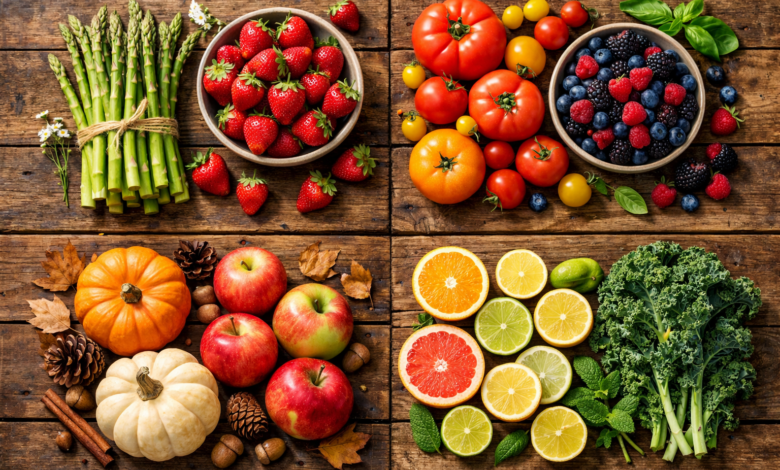
Eating in harmony with the seasons is one of the oldest, most intuitive approaches to nutrition — and one of the most scientifically supported. A well-structured seasonal eating guide gives you a practical roadmap for choosing the freshest, most nutrient-dense foods available at any given time of year, while simultaneously supporting local agriculture, reducing your environmental footprint, and saving money at the grocery store.
This isn’t a restrictive diet. It’s a flexible, sustainable framework for eating that aligns your plate with nature’s calendar. Whether you’re just beginning your wellness journey or looking to deepen an already-healthy lifestyle, understanding what to eat — and when to eat it — can transform the way food makes you feel.
In this comprehensive guide, we’ll walk through every season in detail, explore the science-backed health benefits, address common challenges, and give you actionable strategies to make seasonal eating a lasting habit.
What Is Seasonal Eating — And Why Does It Matter?
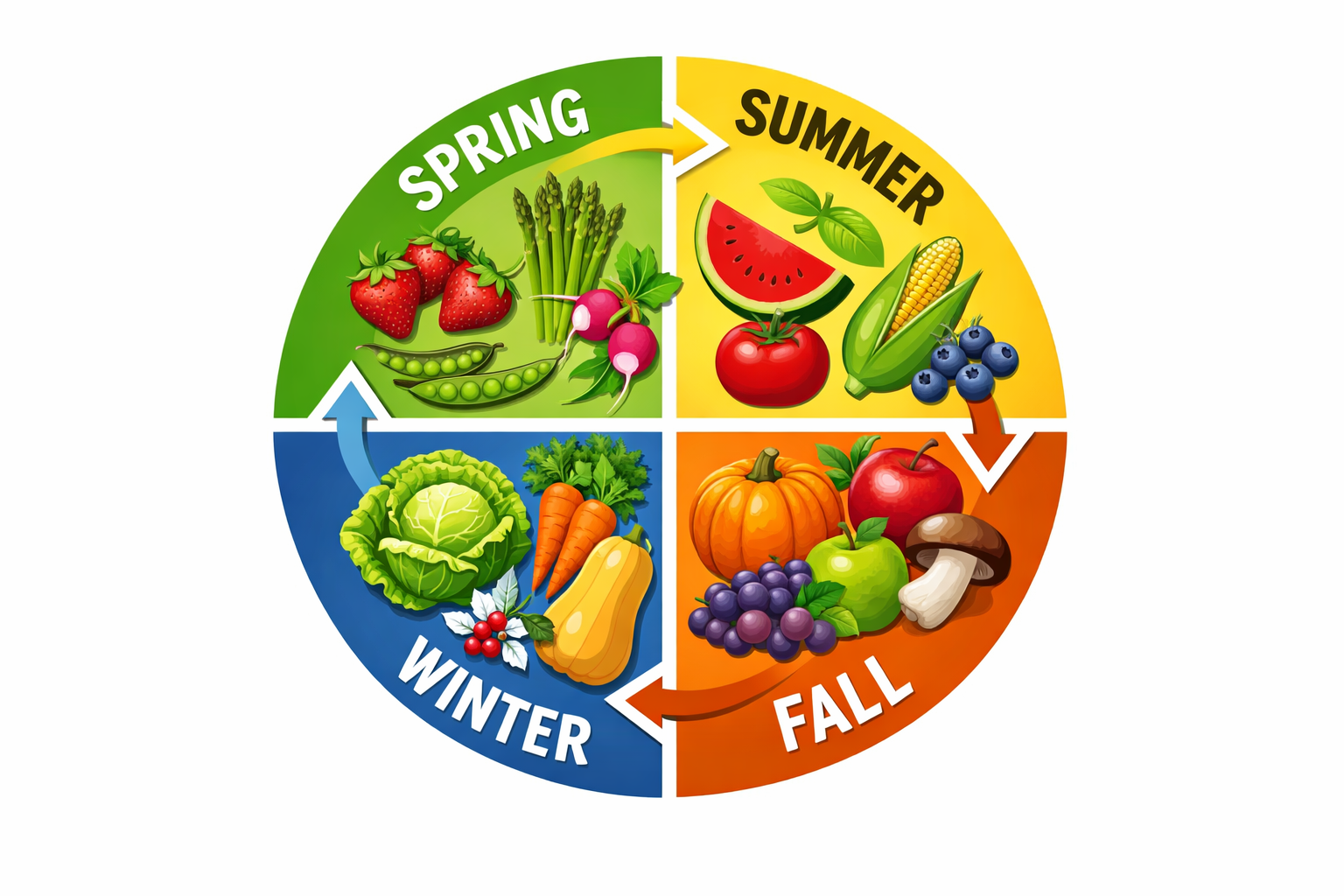
Seasonal eating means prioritizing fruits, vegetables, and other whole foods that are naturally harvested during the time of year you’re consuming them. Instead of buying imported tomatoes in January or asparagus in November, you choose produce that is at its biological peak in your region right now.
This concept isn’t new. For most of human history, eating seasonally wasn’t a lifestyle choice — it was simply reality. But modern global supply chains have made it possible (and normal) to buy almost any food at any time of year, often at the cost of flavor, nutrition, and environmental sustainability.
The renewed interest in seasonal eating is backed by compelling data. According to a 2024 report from the Food and Agriculture Organization (FAO), locally sourced seasonal produce travels an average of 27 times fewer miles than imported out-of-season equivalents. Research published in the Journal of Agricultural and Food Chemistry confirms that many fruits and vegetables lose between 15–50% of key nutrients within days of harvest — meaning the sooner you eat them after picking, the more nutritional value you receive.
Beyond nutrition, seasonal eating connects to broader themes of environmental factors that affect our health, from soil biodiversity to food system resilience. When you eat seasonally, you’re participating in a food ecosystem that benefits your body, your community, and the planet.
The Core Benefits of a Seasonal Eating Guide
Before diving into the season-by-season breakdown, it’s worth understanding exactly why this approach to eating deserves a place in your lifestyle.
1. Superior Nutritional Value
Seasonal produce is harvested at peak ripeness and typically sold within days. Out-of-season produce, by contrast, is often harvested early, stored for weeks or months in controlled-atmosphere warehouses, and transported thousands of miles — all of which degrade nutritional content.
A landmark study from the University of California found that fresh spinach loses up to 47% of its folate within a week of harvest under standard refrigeration. Eating spinach in season, sourced locally, means you’re getting dramatically more of what your body needs.
Key nutrients that degrade fastest post-harvest include:
- Vitamin C — highly sensitive to light, heat, and time
- Folate — degrades rapidly during storage
- Beta-carotene — diminishes in produce stored too long
- Antioxidant polyphenols — peak at natural ripeness
2. Better Flavor
There’s a simple reason why a July tomato tastes nothing like a January tomato: sugar and acid development requires time on the vine in natural sunlight. Produce picked at full ripeness develops complex flavor compounds that simply cannot be replicated in cold storage or artificial ripening environments.
When food tastes better, you naturally eat more of it — which is one of the most underrated benefits of seasonal eating for long-term dietary adherence.
3. Lower Cost
Supply and demand economics work in your favor when eating seasonally. When a crop is at peak harvest, supply is high and prices drop. Strawberries in June cost a fraction of what they do in December. Butternut squash in October is far cheaper than in March.
A 2025 consumer food pricing analysis found that seasonal produce purchased at farmers’ markets or local grocers can cost 20–40% less than the same item purchased out of season from a national supermarket chain.
4. Environmental Sustainability
The carbon footprint of your food is heavily influenced by how far it travels and how it’s grown. Seasonal, locally grown produce:
- Requires less refrigerated transport
- Needs fewer pesticides and artificial inputs
- Supports crop rotation that maintains soil health
- Reduces reliance on energy-intensive greenhouse growing
Choosing seasonal foods is one of the most impactful individual dietary changes you can make for the environment — more significant, in some analyses, than switching to organic alone.
5. Support for Local Farmers and Food Systems
When you buy seasonal produce from local farms, farmers’ markets, or Community Supported Agriculture (CSA) programs, a larger percentage of your food dollar stays in your local economy. This supports small-scale agriculture, preserves farmland from development, and helps maintain agricultural biodiversity.
6. Gut Health and Digestive Diversity
Rotating your diet with the seasons naturally introduces a wider variety of fiber types, prebiotics, and phytonutrients throughout the year. This diversity is one of the most important factors in maintaining a healthy gut microbiome. For a deeper look at the connection between food diversity and digestive wellness, explore our guide to gut health and digestive wellness.
Your Complete Season-by-Season Produce Guide
The following seasonal eating guide is organized by the four primary seasons. While exact timing varies by region and climate, these windows provide a reliable general framework for most temperate climates in the Northern Hemisphere.
Spring Seasonal Eating Guide (March – May)
Spring is a season of renewal — in nature and on your plate. After the heavier, root-vegetable-dominated diet of winter, spring brings an explosion of tender, bright green produce that is naturally detoxifying, light, and packed with folate, iron, and vitamin K.
Spring Vegetables:
- Asparagus
- Artichokes
- Peas (snap, snow, and shelling)
- Radishes
- Spinach and baby spinach
- Arugula
- Butter lettuce and romaine
- Fava beans
- Spring onions and ramps
- Watercress
- Fennel
- Broccolini
Spring Fruits:
- Strawberries (early to mid-spring in warmer climates)
- Rhubarb
- Apricots (late spring)
- Cherries (late spring)
- Loquats
Why Spring Produce Is So Powerful
Spring greens like spinach, arugula, and watercress are among the most nutrient-dense foods available at any time of year. They’re rich in chlorophyll, which supports liver function and natural detoxification. Asparagus is a prebiotic powerhouse, feeding beneficial gut bacteria. Fava beans deliver plant-based protein and dopamine precursors that support mood.
Spring Cooking Ideas:
- Shaved asparagus salad with lemon and parmesan
- Pea and mint risotto
- Spring green frittata with ramps and feta
- Strawberry rhubarb compote over Greek yogurt
- Arugula and radish salad with a honey-mustard vinaigrette
Spring Health Focus: This is an ideal time to incorporate anti-inflammatory foods like leafy greens and early berries to reset after winter’s heavier eating patterns.
Summer Seasonal Eating Guide (June – August)
Summer is the most abundant season for fresh produce. Warm temperatures, long days, and ample sunshine create ideal conditions for a dazzling variety of fruits and vegetables — many of which are loaded with antioxidants, lycopene, and hydrating water content.
Summer Vegetables:
- Tomatoes (all varieties)
- Cucumbers
- Zucchini and summer squash
- Bell peppers and hot peppers
- Sweet corn
- Green beans and wax beans
- Eggplant
- Okra
- Basil and fresh herbs
Summer Fruits:
- Blueberries, raspberries, blackberries, strawberries
- Watermelon, cantaloupe, honeydew
- Peaches and nectarines
- Plums and pluots
- Cherries
- Figs (early summer)
- Apricots
- Mangoes (in warmer regions)
Why Summer Produce Is So Powerful
Summer fruits are among the richest sources of antioxidants available in whole food form. Blueberries contain anthocyanins linked to improved cognitive function and reduced inflammation. Tomatoes provide lycopene, a carotenoid associated with reduced risk of cardiovascular disease. Watermelon delivers citrulline, an amino acid that supports blood flow and muscle recovery.
The high water content of summer produce — cucumbers are 96% water, watermelon 92% — also supports hydration during hot months, which directly impacts energy levels, skin health, and kidney function.
Summer Cooking Ideas:
- Heirloom tomato gazpacho
- Grilled corn and black bean salad
- Zucchini noodles with fresh basil pesto
- Peach and arugula flatbread
- Mixed berry smoothie bowls
- Cucumber and watermelon agua fresca
Summer Preservation Tip: Freeze blueberries, raspberries, and sliced peaches on a baking sheet before transferring to bags — they’ll retain their texture and nutrition for up to 12 months.
Fall Seasonal Eating Guide (September – November)
As temperatures drop, fall produce shifts toward denser, more complex flavors. Root vegetables, winter squashes, and cruciferous vegetables take center stage — offering an impressive nutritional profile that supports immune function, gut health, and sustained energy heading into winter.
Fall Vegetables:
- Butternut, acorn, delicata, and kabocha squash
- Pumpkin
- Sweet potatoes and yams
- Brussels sprouts
- Cauliflower
- Broccoli
- Cabbage (red and green)
- Leeks
- Mushrooms (wild and cultivated)
- Parsnips
- Turnips
- Beets
Fall Fruits:
- Apples (dozens of varieties)
- Pears
- Grapes
- Figs (second crop)
- Pomegranates
- Persimmons
- Cranberries
- Quince
Why Fall Produce Is So Powerful
Fall’s cruciferous vegetables — broccoli, cauliflower, Brussels sprouts, and cabbage — are among the most studied foods for cancer-preventive compounds, particularly sulforaphane and indole-3-carbinol. Sweet potatoes provide an exceptional source of beta-carotene, vitamin B6, and potassium. Pomegranates deliver punicalagins, antioxidants shown to reduce inflammation and support heart health.
Mushrooms deserve special mention: fall is peak season for wild varieties like chanterelles, porcini, and hen-of-the-woods. These fungi are among the only non-animal food sources of vitamin D and contain beta-glucans that actively modulate immune function.
Fall Cooking Ideas:
- Roasted butternut squash soup with ginger and coconut milk
- Brussels sprouts with balsamic glaze and toasted walnuts
- Apple and fennel slaw
- Mushroom and leek grain bowl
- Spiced pumpkin oatmeal
- Pomegranate-glazed roasted beets
Fall Health Focus: This is the perfect time to build your immune system ahead of winter. Pair fall produce with foods that are anti-inflammatory to create a powerful seasonal defense strategy.
Winter Seasonal Eating Guide (December – February)
Winter may seem like the leanest season for fresh produce, but it offers a surprisingly rich selection of nutrient-dense foods. Root vegetables, hardy greens, and citrus fruits form the backbone of a winter seasonal diet — providing warmth, immune support, and critical vitamins during the coldest months.
Winter Vegetables:
- Kale (flavor actually improves after frost)
- Collard greens
- Swiss chard
- Carrots
- Parsnips
- Turnips and rutabagas
- Beets
- Potatoes (all varieties)
- Winter squash (stored from fall)
- Brussels sprouts
- Celeriac
Winter Fruits:
- Navel oranges and blood oranges
- Grapefruits
- Lemons and limes
- Pomelos
- Clementines and mandarins
- Persimmons
- Kiwi fruit
- Pomegranates
Why Winter Produce Is So Powerful
Citrus fruits are nature’s winter pharmacy. A single medium navel orange provides over 80mg of vitamin C — nearly the full daily recommended intake. Vitamin C is critical for immune function, collagen synthesis, and iron absorption. Kale, which becomes sweeter after a frost (cold converts starches to sugars), is one of the most nutrient-dense leafy greens on earth, delivering vitamins A, C, K, and significant amounts of calcium.
Beets in winter provide nitrates that support cardiovascular health and exercise performance. Root vegetables like parsnips and celeriac offer prebiotic fiber that feeds beneficial gut bacteria through the cold months.
Winter Cooking Ideas:
- Slow-cooked white bean and kale soup
- Roasted root vegetable medley with rosemary
- Blood orange and fennel salad with olive oil
- Citrus-glazed roasted carrots
- Beet and walnut salad with goat cheese
- Celeriac and potato gratin
Winter Health Focus: Vitamin C from citrus, zinc from legumes and seeds, and vitamin D from mushrooms form a powerful nutritional trio for winter immune support. Complement these with high-fiber foods to maintain gut health through the season.
The Health Science Behind Seasonal Eating
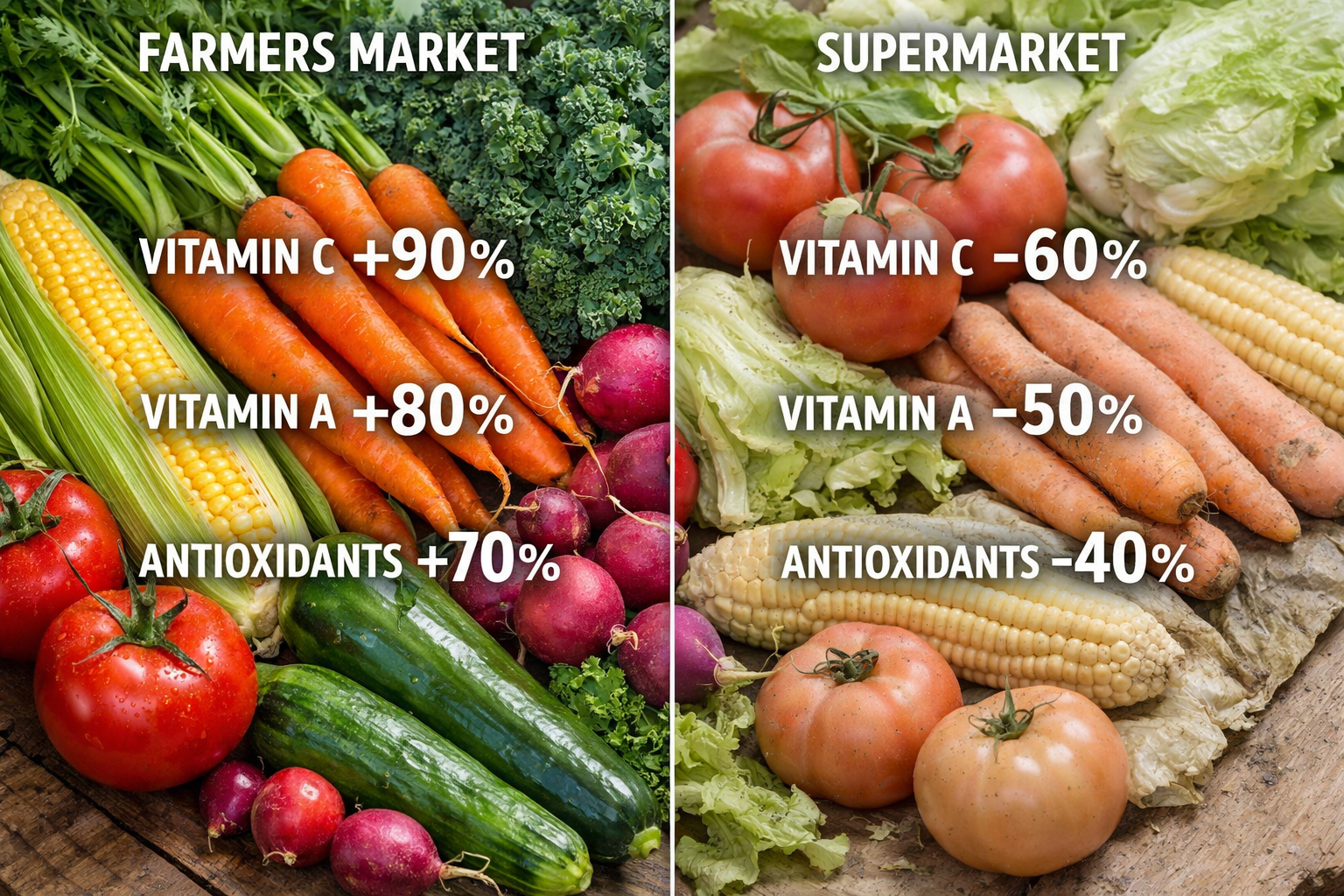
The health benefits of following a seasonal eating guide extend well beyond simply getting fresher produce. Here’s what the research tells us:
Micronutrient Density
A 2023 meta-analysis in Nutrients found that locally grown, in-season vegetables contained an average of 34% more vitamin C, 22% more folate, and 18% more beta-carotene compared to the same vegetables purchased out of season from supermarket chains. These differences are clinically meaningful — they translate to real impacts on immune function, cellular repair, and chronic disease risk.
Gut Microbiome Diversity
The human gut microbiome thrives on dietary diversity. Research from the American Gut Project found that individuals who eat 30 or more different plant foods per week have significantly more diverse gut microbiomes than those eating fewer varieties. Seasonal eating naturally promotes this kind of variety — you’re eating different plants every three months, which continuously introduces new fiber types and phytonutrients that feed different microbial species.
Reduced Toxic Load
Out-of-season produce often requires more pesticide applications to grow in suboptimal conditions, and more post-harvest treatments (waxes, fungicides, ethylene gas for artificial ripening) to survive long-distance transport. A 2024 Environmental Working Group report found that conventionally grown out-of-season produce carried 2–3x more pesticide residues on average than in-season equivalents from the same growing regions. Seasonal eating, especially when combined with local sourcing, meaningfully reduces your cumulative pesticide exposure.
Hormonal and Circadian Alignment
Emerging research in chrononutrition — the study of how meal timing and food composition interact with biological clocks — suggests that eating foods aligned with seasonal light and temperature cycles may support hormonal regulation. For example, the natural melatonin content in summer cherries may support sleep quality during long summer days. The high carbohydrate density of fall root vegetables may support serotonin production as light decreases heading into winter.
Anti-Inflammatory Effects
Many of the most potent anti-inflammatory compounds in food are found in seasonal produce at peak ripeness. Quercetin in apples (fall), anthocyanins in berries (summer), sulforaphane in cruciferous vegetables (fall/winter), and lutein in spring greens all demonstrate significant anti-inflammatory activity in clinical research. Combining seasonal eating with a broader anti-inflammatory diet approach creates a powerful nutritional foundation for long-term health.
Practical Strategies for Making Seasonal Eating a Habit
Understanding the theory is one thing — building lasting habits is another. Here are concrete, actionable strategies to embed seasonal eating into your daily life.
Shop at Farmers’ Markets
Farmers’ markets are the most direct window into what’s actually in season in your region. Unlike supermarkets, which stock produce from global supply chains year-round, farmers’ market vendors sell what they grew — which means what’s available is what’s in season.
Tips for farmers’ market success:
- Go early for the best selection, or late for end-of-day discounts
- Ask vendors directly: “What’s at its absolute best right now?”
- Look for “seconds” — slightly imperfect produce sold at 30–50% discount
- Bring a reusable bag and cash for smaller vendors
Join a CSA Program
Community Supported Agriculture (CSA) programs allow you to purchase a “share” of a local farm’s harvest, delivered weekly or bi-weekly throughout the growing season. You receive a box of whatever the farm is harvesting that week — which keeps your diet naturally seasonal and introduces you to vegetables you might never have chosen yourself.
As of 2025, there are over 12,500 active CSA farms operating in the United States alone, with many offering flexible share sizes for individuals and small households.
Master Seasonal Food Preservation
Learning to preserve food at peak season extends your access to seasonal nutrition year-round:
- Freezing: Blanch vegetables briefly before freezing to preserve color and nutrition. Berries, corn, peas, and leafy greens freeze exceptionally well.
- Fermentation: Lacto-fermented vegetables (sauerkraut, kimchi, pickles) preserve summer and fall produce while adding probiotic benefits that support gut health.
- Canning: Water bath canning works well for high-acid foods like tomatoes, jams, and pickles.
- Drying/Dehydrating: Herbs, mushrooms, tomatoes, and fruit slices dehydrate beautifully and store for 12+ months.
Build a Seasonal Meal Planning System
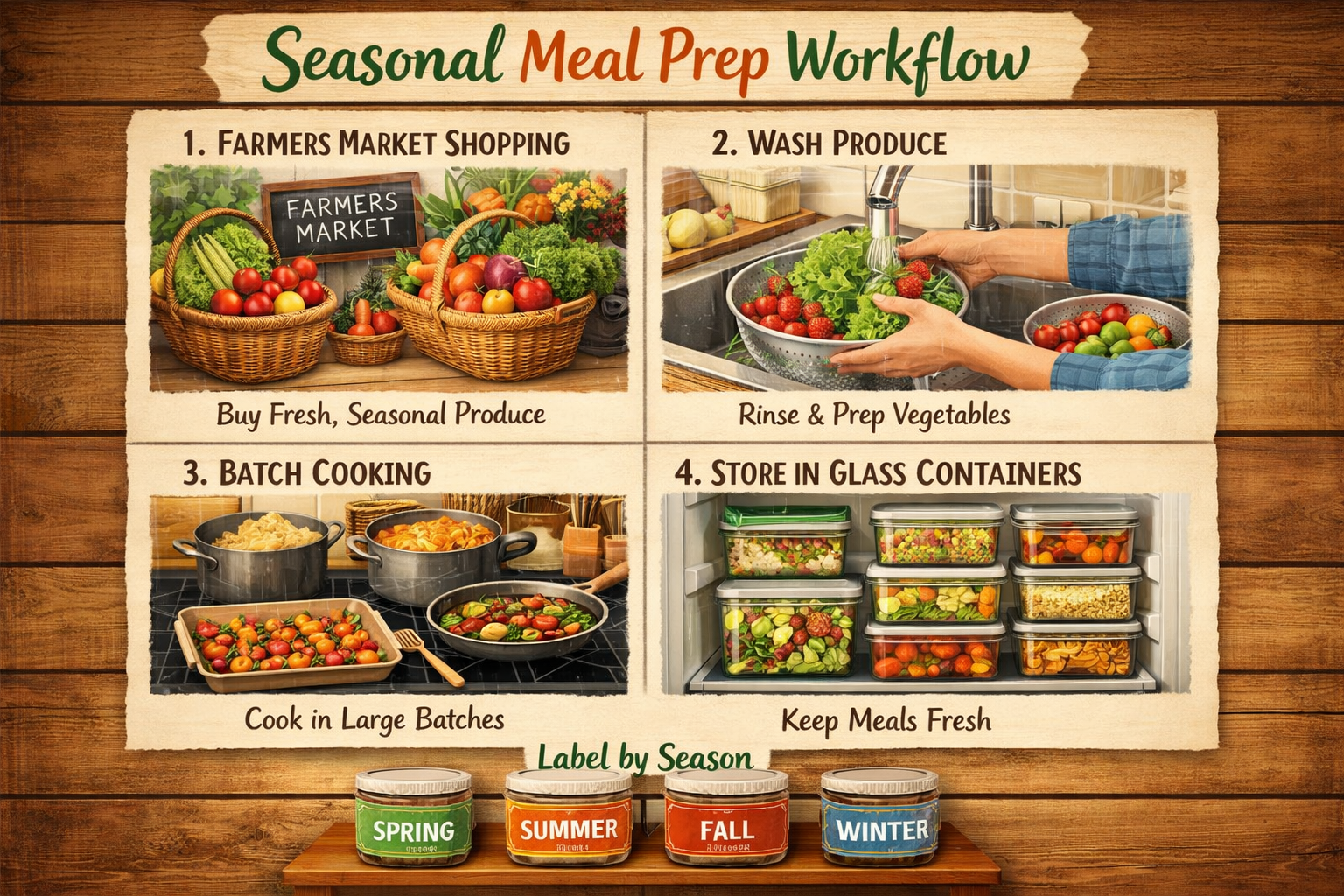
Rather than planning meals and then shopping for ingredients, reverse the process: shop first, then plan meals around what you find.
A simple weekly framework:
- Visit your farmers’ market or check your CSA box
- Identify 3–4 hero ingredients for the week
- Build 5–7 meals around those ingredients
- Batch-cook grains and legumes on Sunday to pair with seasonal vegetables throughout the week
Grow Something — Anything
Even a single pot of fresh herbs on a windowsill connects you to the seasonal growing cycle. If you have outdoor space, starting with easy crops like tomatoes, zucchini, lettuce, or herbs builds a tangible relationship with seasonal food that no amount of reading can replicate.
A 2024 survey by the National Gardening Association found that 35% of American households grew some food at home — a figure that has increased steadily since 2020. Home gardeners consistently report higher vegetable consumption and greater dietary variety than non-gardeners.
Overcoming Common Seasonal Eating Challenges
“I Don’t Know What’s In Season”
Start with a simple resource: your local agricultural extension office, a seasonal food guide app, or a quick search for “[your state/region] seasonal produce calendar.” Bookmark it. Refer to it before shopping. Within a few months, you’ll internalize the seasonal rhythm naturally.
“Seasonal Produce Is More Expensive”
This is often a misconception. In-season produce is typically cheaper than out-of-season equivalents. The perception of higher cost often comes from shopping at specialty stores or buying organic. To manage costs:
- Buy in bulk at peak season and preserve the excess
- Choose conventional over organic for thick-skinned produce (less pesticide absorption)
- Use farmers’ market “seconds” for cooking and preserving
“My Family Won’t Eat New Vegetables”
Introduce new seasonal produce gradually alongside familiar favorites. Roasting almost any vegetable with olive oil, garlic, and salt makes it more palatable to hesitant eaters. Involve children in shopping and cooking — research consistently shows that kids eat more vegetables when they’ve participated in preparing them.
“I Don’t Have Time for Elaborate Seasonal Cooking”
Seasonal eating doesn’t require complex recipes. Some of the best seasonal meals are the simplest: roasted vegetables with olive oil and herbs, a grain bowl topped with whatever produce is in season, or a simple soup made from whatever root vegetables are available. Batch cooking on weekends — roasting a large tray of seasonal vegetables, cooking a pot of grains — makes weeknight meals fast and easy.
“I Travel or Eat Out Frequently”
Focus on what you can control. Eat seasonally at home and be flexible when dining out. When eating at restaurants, look for menus that highlight local and seasonal ingredients — an increasing number of restaurants now feature seasonal rotating menus as a point of culinary pride.
Seasonal Eating and Weight Management
Following a seasonal eating guide can naturally support healthy weight management — not through restriction, but through food quality and variety. Seasonal produce is typically:
- Higher in fiber — which promotes satiety and reduces overall caloric intake
- Lower in added sugars and processed ingredients — compared to packaged convenience foods
- More nutrient-dense per calorie — meaning your body gets more of what it needs from less food
If weight management is a specific goal, combining seasonal eating with strategies from our comprehensive guide to modern diets or our guide to healthy meals for weight loss can create a powerful, sustainable nutritional approach.
Quick-Reference Seasonal Eating Chart
| Season | Key Vegetables | Key Fruits | Primary Nutrients | Health Focus |
|---|---|---|---|---|
| Spring | Asparagus, spinach, peas, arugula | Strawberries, rhubarb, apricots | Folate, iron, vitamin K | Detoxification, energy |
| Summer | Tomatoes, zucchini, corn, peppers | Berries, peaches, watermelon | Lycopene, anthocyanins, vitamin C | Antioxidant protection, hydration |
| Fall | Squash, sweet potatoes, Brussels sprouts, mushrooms | Apples, pears, pomegranates | Beta-carotene, sulforaphane, vitamin D | Immune building, gut health |
| Winter | Kale, carrots, beets, celeriac | Citrus, kiwi, persimmons | Vitamin C, vitamin K, nitrates | Immune defense, circulation |
Final Thoughts: Start Where You Are
The most important thing to understand about seasonal eating is that it doesn’t require perfection. You don’t need to overhaul your entire diet overnight, shop exclusively at farmers’ markets, or grow your own food to benefit from this approach.
Start with one simple shift: the next time you’re at the grocery store or market, ask yourself, “What’s in season right now?” Choose one or two seasonal items and build a meal around them. Notice how they taste compared to what you usually buy. Pay attention to how you feel.
Over time, these small choices accumulate into a genuinely different relationship with food — one that’s more connected to nature, more varied in nutrition, more supportive of your local food community, and ultimately more enjoyable.
Seasonal eating isn’t a diet. It’s a way of living that honors the natural cycles of the world around you, and responds to them with intention. That’s a practice worth building — one season at a time.
References
- Seasonal Food Guide
https://www.seasonalfoodguide.org/
A very useful practical reference for checking what produce is in season. Good for supporting the idea that seasonal eating helps people choose fresher local foods through the year. - USDA SNAP-Ed Seasonal Produce Guide
https://snaped.fns.usda.gov/resources/nutrition-education-materials/seasonal-produce-guide
A solid government-backed source that explains seasonal produce and gives seasonal browsing by time of year. Handy if you want an authoritative link for readers looking for fruit and vegetable ideas each season. - Harvard Nutrition Source – Vegetables and Fruits
https://nutritionsource.hsph.harvard.edu/what-should-you-eat/vegetables-and-fruits/
This supports the health side of your article. It explains the benefits of eating plenty of vegetables and fruit, including support for heart health, digestion, and blood sugar control. - Harvard Health – Phytonutrients: Paint your plate with the colours of the rainbow
https://www.health.harvard.edu/blog/phytonutrients-paint-your-plate-with-the-colors-of-the-rainbow-2019042516501
For more evidence-based nutrition guides, whole-food recipes, and practical wellness strategies, explore the full resource library at All Perfect Health.
📂 Diet Frameworks
This article is part of the APH cluster. Use the links below to move between the pillar and child articles.
- Read the pillar: The Comprehensive Guide to Modern Diets: What Actually Works in 2026
- → The Carnivore Diet: A Complete Evidence-Based Guide
- → Elimination Diet: A Step-by-Step Guide to Identifying Food Sensitivities
- → Intermittent Fasting for Beginners: A Practical Evidence-Based Guide
- → Metabolic Flexibility: Train Your Body to Burn Fat for Fuel — A Practical Guide to the Metabolic Flexibility Diet
- → Vegan Diet Weight Loss: What the Evidence Actually Shows
- → The Complete Guide to Mediterranean Food: Dishes, Health Benefits, and What to Eat
- → Low Carb Diet for Weight Loss
- YOU ARE HERE The Ultimate Seasonal Eating Guide: Nourish Your Body Naturally Year-Round
- → The Ultimate Guide to the Liver Shrinking Diet (2026)