Vegan Diet Weight Loss: What the Evidence Actually Shows
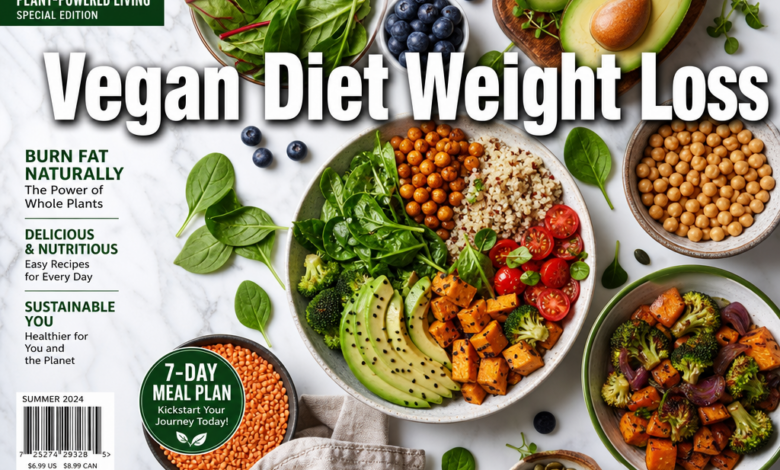
People who switch to a plant-based diet lose an average of 5 to 10 pounds more over 18 weeks than those following conventional diets, according to research published in the Journal of General Internal Medicine. That is not a trivial difference. But the headline number alone does not tell you why it happens, whether it will happen for you, or what you actually need to do to make it work. Vegan diet weight loss is a real and well-documented phenomenon — but it is not magic, and it is not automatic.
This article replaces an older piece on this site that leaned heavily on “belly fat melting” language and recipe hooks. That framing was not useful, and frankly, it was not honest. What follows is a straightforward, evidence-aware look at how a vegan diet can support weight loss, what the mechanisms are, where the evidence is strong, and where it gets more complicated.
Medical disclaimer: This article is for informational purposes only and does not constitute medical advice. If you have a health condition, are taking medication, or are considering a significant dietary change, consult your clinician before making adjustments.
Key Takeaways
- A well-structured vegan diet tends to support weight loss primarily through lower calorie density and higher fibre intake, not through any single “fat-burning” food.
- The evidence for plant-based diets and weight management is solid, but results vary considerably depending on food quality and overall calorie intake.
- Protein planning matters more on a vegan diet than many people expect, especially for preserving lean muscle during weight loss.
- Nutrient gaps — particularly B12, iron, zinc, and omega-3s — need active management, not passive hope.
- Sustainable vegan diet weight loss comes from consistent habits, not short-term elimination strategies.
Table of Contents
- Why a Vegan Diet Supports Weight Loss: The Actual Mechanisms
- What the Research Shows About Plant-Based Diets and Body Weight
- Building a Vegan Diet for Weight Loss That Actually Works
- Common Pitfalls That Undermine Vegan Weight Loss
- Nutritional Gaps to Watch Closely
- FAQ
- Conclusion
Why a Vegan Diet Supports Weight Loss: The Actual Mechanisms
Let’s keep this practical. When researchers look at why people on vegan diets tend to weigh less, a few consistent mechanisms come up. Understanding these is more useful than following a list of “superfoods.”
Calorie Density Is the Core Driver
In plain English, plant foods — vegetables, legumes, whole grains, fruits — pack fewer calories into the same volume of food compared to meat and dairy. A large bowl of lentil soup with vegetables might deliver 350 calories. A similar-sized bowl of creamy pasta with beef might deliver 700 or more. You feel equally full, but you have consumed half the calories.
This is not about willpower. It is about the physical volume of food signalling satiety to the brain before excess calories are consumed. The evidence suggests this is one of the most reliable passive calorie-reduction mechanisms available.
Fibre Does More Than You Think
Most people eating a standard Western diet consume around 15 grams of fibre per day. A well-structured vegan diet can deliver 35 to 50 grams. That gap matters for weight loss in several ways:
- Slows digestion, which smooths out blood sugar spikes and reduces hunger rebound
- Feeds gut bacteria that produce short-chain fatty acids, which influence appetite-regulating hormones
- Increases meal satisfaction without adding calories
The stronger evidence points to dietary fibre as one of the most consistent predictors of healthy body weight across population studies. It is not glamorous, but it works.
Reduced Dietary Fat From Saturated Sources
Animal products are the primary source of saturated fat in most Western diets. Reducing these automatically lowers total fat intake for most people making the switch, which contributes to a lower overall calorie load. This is not an argument that all dietary fat is bad — it is a straightforward observation about where the calories are coming from.
Hormonal and Metabolic Effects
There is growing evidence that plant-based diets influence insulin sensitivity and metabolic rate, though this area is more complex. Some studies suggest that vegans have a slightly elevated resting metabolic rate compared to omnivores, possibly related to the thermic effect of higher fibre and protein processing. It depends on the conditions — diet quality, activity level, and individual metabolic variation all play a role. I would be careful with any claim that a vegan diet “boosts metabolism” in a clinically meaningful way for everyone. The effect exists but is modest.
What the Research Shows About Plant-Based Diets and Body Weight
The evidence base here is reasonably strong, though not without limitations. Let’s call it what it is: good observational data, supported by a growing number of controlled trials, with some important caveats.
What the studies consistently show:
| Study Type | Finding |
|---|---|
| Large observational cohorts | Vegans have lower average BMI than omnivores |
| Randomised controlled trials | Plant-based diets produce greater short-term weight loss than control diets |
| Meta-analyses | Vegan diets outperform other dietary patterns for weight loss over 18-24 weeks |
| Long-term follow-up data | Weight regain is similar to other diets without sustained behaviour change |
The last row is the one most people skip over. Vegan diet weight loss results in trials are real, but they are not permanent by default. The same rules that apply to every other dietary approach apply here: sustained change requires sustained habits.
Where the evidence gets more complicated:
- Most trials are relatively short (under 6 months)
- Participant dropout is high in dietary intervention studies
- “Vegan diet” in research covers an enormous range of actual food quality — from whole food plant-based eating to a diet of chips, white bread, and plant-based processed foods
- Confounding factors (exercise, baseline health, socioeconomic status) are difficult to fully control
That is a strong claim and needs strong proof — and when people say “a vegan diet cures obesity,” the evidence does not support that framing. What the evidence does support is that a well-structured, whole-food vegan diet is an effective tool for weight management in most adults.
Building a Vegan Diet for Weight Loss That Actually Works
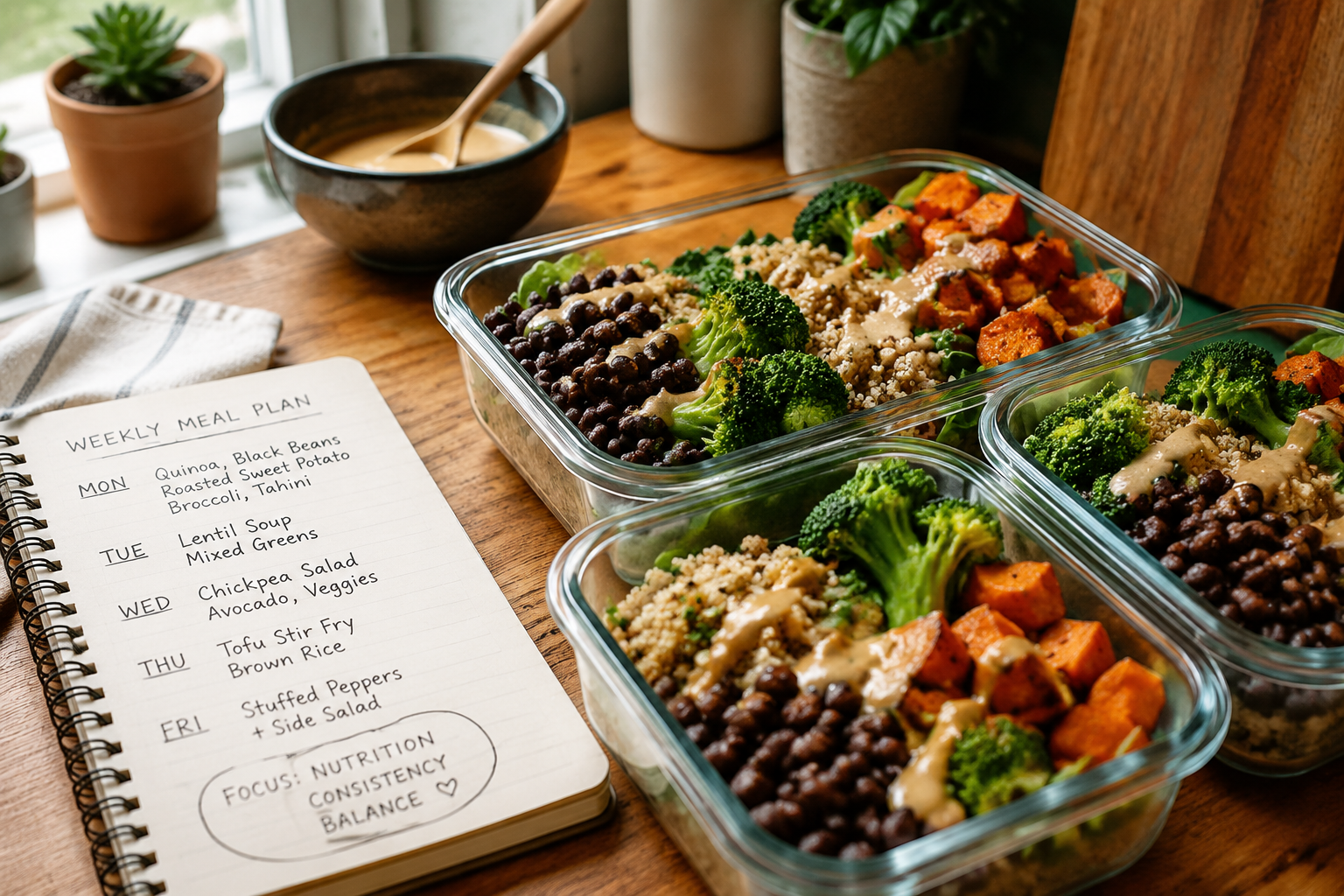
From a practical point of view, the structure of the diet matters more than the label. “Vegan” alone does not guarantee weight loss. Oreos are vegan. So is white bread, fried potato chips, and most sugary soft drinks. The basics still do the heavy lifting here.
Start With Food Quality, Not Calorie Counting
A sensible starting point is building meals around whole plant foods:
- Legumes (lentils, chickpeas, black beans, edamame)
- Whole grains (oats, quinoa, brown rice, barley)
- Vegetables (prioritise non-starchy varieties for volume)
- Fruits (whole fruit, not juice)
- Nuts and seeds (in moderate portions — calorie-dense but nutritionally important)
This is not a complicated framework. Keep it simple and consistent, and the calorie density advantage largely takes care of itself.
Protein Planning Is Non-Negotiable
Here is the real issue with many vegan weight loss attempts: inadequate protein. When you lose weight, you lose both fat and lean muscle. Adequate protein intake helps preserve muscle mass, which matters for metabolic rate and long-term weight management.
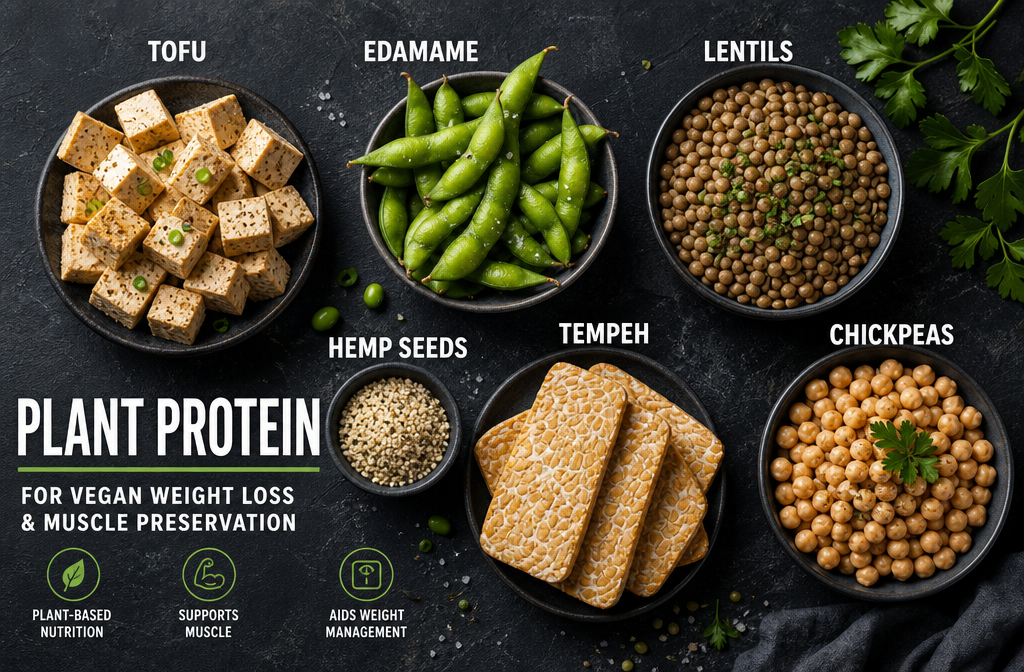
The evidence suggests that 1.2 to 1.6 grams of protein per kilogram of body weight per day is a reasonable target for adults trying to lose weight while preserving muscle. On a vegan diet, that requires deliberate planning.
Reliable plant protein sources:
| Food | Protein per 100g (cooked) |
|---|---|
| Tempeh | 19g |
| Edamame | 11g |
| Lentils | 9g |
| Black beans | 8.9g |
| Tofu (firm) | 8g |
| Quinoa | 4.4g |
| Hemp seeds | 32g (raw) |
Combining sources across the day — rather than obsessing over “complete proteins” at every meal — is sufficient for most healthy adults.
Portion Awareness Still Matters
Even on a whole-food vegan diet, calories matter. Nuts, seeds, avocado, tahini, and coconut products are all nutritionally valuable but calorie-dense. The numbers matter. A handful of almonds is around 160 calories. Four handfuls is 640. Neither is wrong, but awareness helps when weight loss is the goal.
Meal Timing and Eating Patterns
The evidence on meal timing for weight loss is less clear-cut than some advocates suggest. What does appear consistently useful is:
- Eating regular, structured meals rather than grazing
- Not skipping meals to the point of excessive hunger (which tends to lead to overeating)
- Minimising late-night eating, which some research links to poorer weight outcomes
Common Pitfalls That Undermine Vegan Weight Loss
This is where hype gets in the way. Many people switch to a vegan diet expecting automatic results and are surprised when the scale does not move. Context matters.
The most common reasons vegan diet weight loss stalls:
- Replacing animal products with processed vegan alternatives — plant-based burgers, vegan cheese, and meat substitutes are often high in sodium, refined oils, and calories. They have a place, but they should not be the foundation.
- Underestimating liquid calories — plant milks, smoothies, and juices can add several hundred calories per day without registering as “food.”
- Insufficient protein leading to muscle loss — which slows metabolic rate over time and makes sustained weight loss harder.
- Overeating “healthy” calorie-dense foods — nuts, seeds, avocado, and whole grains are genuinely nutritious, but portion size still applies.
- Not addressing the reason for overeating in the first place — diet type does not resolve emotional eating, stress eating, or disordered eating patterns. Those need separate attention.
Nutritional Gaps to Watch Closely
It is not that simple to go vegan and assume all nutritional needs are covered. A well-planned vegan diet is nutritionally adequate for most adults, but “well-planned” is doing a lot of work in that sentence.
Nutrients that require active management:
| Nutrient | Risk Level | Primary Sources / Action |
|---|---|---|
| Vitamin B12 | High — not found in plant foods | Supplement is essential |
| Vitamin D | Moderate | Sunlight, fortified foods, supplement |
| Omega-3 (DHA/EPA) | Moderate | Algae-based supplement recommended |
| Iron | Moderate | Legumes, seeds, leafy greens + vitamin C to aid absorption |
| Zinc | Moderate | Legumes, nuts, seeds, whole grains |
| Calcium | Moderate | Fortified plant milks, tofu, leafy greens |
| Iodine | Moderate | Iodised salt, seaweed (variable), supplement |
The main takeaway is this: B12 supplementation is not optional on a vegan diet. Every other gap on this list can be managed through food choices with reasonable effort. B12 cannot. Deficiency develops slowly and can cause serious neurological harm before symptoms are obvious. Consult your clinician about appropriate dosing and monitoring.
FAQ
Does a vegan diet guarantee weight loss?
No. A vegan diet creates conditions that make weight loss easier for many people — lower calorie density, higher fibre, reduced saturated fat — but it does not override a calorie surplus. Food quality and overall intake still determine outcomes.
How quickly can you expect results from vegan diet weight loss?
In controlled trials, meaningful weight differences between vegan and omnivore diets tend to emerge within 4 to 12 weeks. Real-world results vary considerably based on starting point, food choices, and activity level. Expecting 1 to 2 pounds per week is a reasonable and sustainable target.
Is a vegan diet safe for long-term weight management?
Based on current evidence, yes — provided nutritional gaps (particularly B12) are actively managed and the diet is built around whole plant foods rather than processed alternatives. Long-term safety and adequacy are well-supported in the research literature for most healthy adults.
Do you need to count calories on a vegan diet to lose weight?
Not necessarily. Many people lose weight on a whole-food vegan diet without formal calorie counting, because the calorie density of the food naturally reduces intake. However, if weight loss has stalled, tracking calories for a period can be a useful diagnostic tool.
What about protein — can you build or maintain muscle on a vegan diet?
Yes, with deliberate planning. The evidence suggests that adequate total protein intake matters more than protein source. Athletes and older adults may need to pay closer attention to leucine-rich plant sources (edamame, soy, lentils) and consider protein timing around exercise.
Should I consult a doctor before starting a vegan diet for weight loss?
If you have any existing health conditions, are on medication (particularly for diabetes, thyroid conditions, or cardiovascular disease), or are pregnant or breastfeeding, yes — speak with your clinician first. Dietary changes can affect medication requirements and nutrient status in ways that need professional monitoring.
Conclusion
The evidence for vegan diet weight loss is real, reasonably consistent, and grounded in mechanisms that make physiological sense. Lower calorie density, higher fibre intake, and reduced saturated fat create conditions in which weight loss becomes more achievable for many people. That is worth taking seriously.
But there is no magic in it. A poorly planned vegan diet — heavy on processed alternatives, low on protein, and nutritionally incomplete — will not produce the results that a well-structured one will. The basics still do the heavy lifting: whole plant foods, adequate protein, managed portion sizes, and consistent habits over time.
Practical next steps:
- Build meals around legumes, whole grains, and non-starchy vegetables as the foundation
- Plan protein deliberately — aim for at least two to three protein-rich plant sources per day
- Start B12 supplementation immediately if you have not already, and discuss dosing with your clinician
- Track your food for one to two weeks if weight loss has stalled — the numbers often reveal the answer
- Treat this as a long-term eating pattern, not a short-term intervention
If you are considering a significant dietary change, a registered dietitian with plant-based nutrition experience is a genuinely useful investment. The information here is a starting point, not a substitute for personalised clinical guidance.
References
- Dinu M, et al. Vegetarian, vegan diets and multiple health outcomes: a systematic review and meta-analysis. Critical Reviews in Food Science and Nutrition.
- Huang RY, et al. Vegetarian diet and weight reduction: a meta-analysis of randomized controlled trials. Journal of General Internal Medicine.
- Melina V, Craig W, Levin S. Position of the Academy of Nutrition and Dietetics: vegetarian diets. Journal of the Academy of Nutrition and Dietetics.
- National Institutes of Health, Office of Dietary Supplements. Vitamin B12: Fact Sheet for Health Professionals.
📂 Diet Frameworks
This article is part of the APH cluster. Use the links below to move between the pillar and child articles.
- Read the pillar: The Comprehensive Guide to Modern Diets: What Actually Works in 2026
- → The Carnivore Diet: A Complete Evidence-Based Guide
- → Elimination Diet: A Step-by-Step Guide to Identifying Food Sensitivities
- → Intermittent Fasting for Beginners: A Practical Evidence-Based Guide
- → Metabolic Flexibility: Train Your Body to Burn Fat for Fuel — A Practical Guide to the Metabolic Flexibility Diet
- YOU ARE HERE Vegan Diet Weight Loss: What the Evidence Actually Shows
- → The Complete Guide to Mediterranean Food: Dishes, Health Benefits, and What to Eat
- → Low Carb Diet for Weight Loss
- → The Ultimate Seasonal Eating Guide: Nourish Your Body Naturally Year-Round
- → The Ultimate Guide to the Liver Shrinking Diet (2026)