Can You Eat Bananas on a Bland Diet? When They Fit, How to Serve Them, and What to Pair Them With

This article answers one specific question: does a banana belong in your bland diet, and if so, how should you serve it and what should you pair it with? For the wider picture, see APH’s bland diet food list, complete guide to gentle foods, and bland diet recipes.
Last updated: November 2026
Key Takeaways
- A ripe banana is commonly listed as a suitable bland diet food because its soft texture and mild flavour are commonly included on bland-diet food lists [1][2].
- The old BRAT diet (bananas, rice, applesauce, toast) is no longer recommended as a stand-alone treatment; current guidance favors a normal diet plus hydration once you can eat [3][4].
- A banana does not treat, cure, or speed recovery from diarrhea, nausea, or any illness; it is simply a gentle food option [3][4].
- People with chronic kidney disease or potassium restrictions should check with their clinician before relying on bananas, since bananas can be relatively high in potassium [5].
- If symptoms last more than a couple of days, worsen, or involve fever, blood, or dehydration signs, that calls for medical advice, not more banana.
Table of Contents
- Can You Eat Bananas on a Bland Diet?
- Why Bananas Are Often Included in a Bland Diet
- When a Bland Diet Banana Makes Sense, and When It Does Not
- How to Serve a Bland Diet Banana
- How to Test Whether a Banana Suits You
- What to Pair a Bland Diet Banana With
- Can a Banana Help During Diarrhea?
- Safety, Uncertainty, and When to See a Clinician
- FAQ
- Conclusion
Can You Eat Bananas on a Bland Diet?
In plain English: yes, a ripe banana usually fits a bland diet, for most adults, for a short period of time, when the goal is a gentle, low-fiber, non-irritating food. That is the quick answer. The longer answer depends on why you are eating gently in the first place, how your body tolerates bananas normally, and whether you have a condition, like kidney disease, that changes the picture.
MedlinePlus includes bananas among foods generally allowed on a bland diet [1]. But the same source, along with national digestive health guidance, is clear that no single food, including banana, is a treatment. We need to separate fact from hype here: a banana is a food choice, not a remedy.
Why Bananas Are Often Included in a Bland Diet
A bland diet typically centres on foods that are soft in texture, mild in flavour, and lower in fat or irritants when those foods are better tolerated [1][2]. A ripe banana checks several of those boxes at once. It is naturally soft, requires no chewing effort, has a mild taste, and contains no added fat or spice.
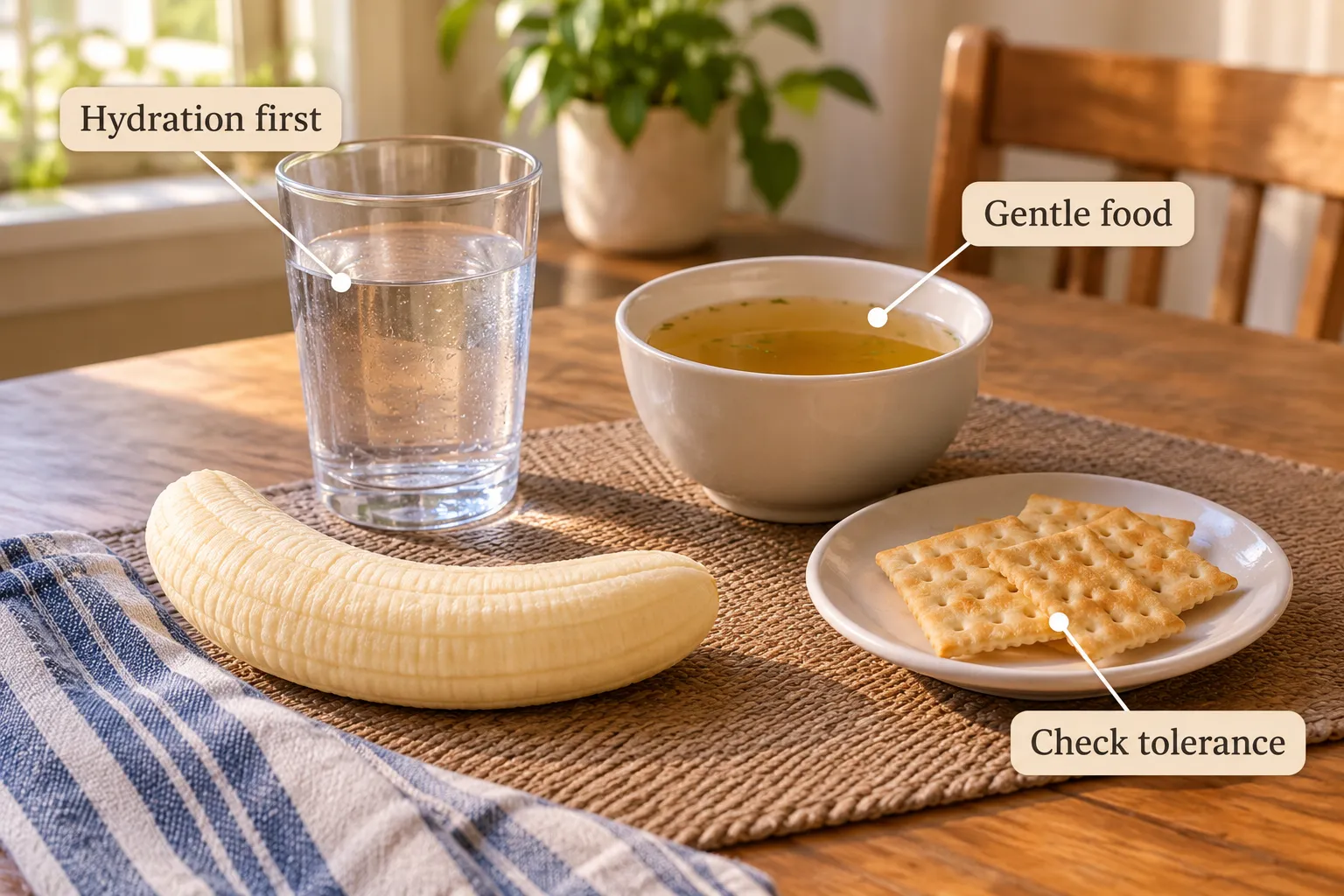
Bananas contain potassium, but that does not mean a banana corrects an electrolyte imbalance. Fluids and, when appropriate, oral rehydration solutions remain the primary tools for replacing fluid and electrolytes during diarrheal illness [3]. A banana can be a convenient food alongside that fluid strategy, not a substitute for it.
When a Bland Diet Banana Makes Sense, and When It Does Not
Here’s the real issue: whether a banana “fits” depends on the reason you are eating a bland diet, not on the banana itself.
It generally makes sense when:
- You have mild nausea and heavier foods feel unappealing
- You are easing back into eating after a short stomach bug
- You want a low-effort, low-fat, low-fiber snack between more normal meals
- Your appetite is low but you can tolerate some food
It is less straightforward when:
- You have chronic kidney disease or a clinician-set potassium limit, bananas can be relatively high in potassium, and NIDDK material for people with CKD includes them among fruits that may need individual attention [5]
- You are managing a medically prescribed restricted diet for another condition, where fruit sugar or fiber content matters
- Symptoms have lasted more than two to three days, because food adjustments alone are no longer the sensible response
- The eating pattern you are considering is the full BRAT diet as a long-term plan, because current guidance does not recommend it as a stand-alone approach [3][4]
Context matters. A 50-year-old with a 24-hour stomach bug and no other health conditions is in a very different position than someone with kidney disease or someone whose symptoms have dragged on for a week. Current guidance supports a flexible return to normal eating as appetite and tolerance improve, rather than a rigid prolonged restriction [4][6].
How to Serve a Bland Diet Banana
Keep it simple and consistent. There is no special preparation required, and more complexity does not make it more effective. A few practical options:
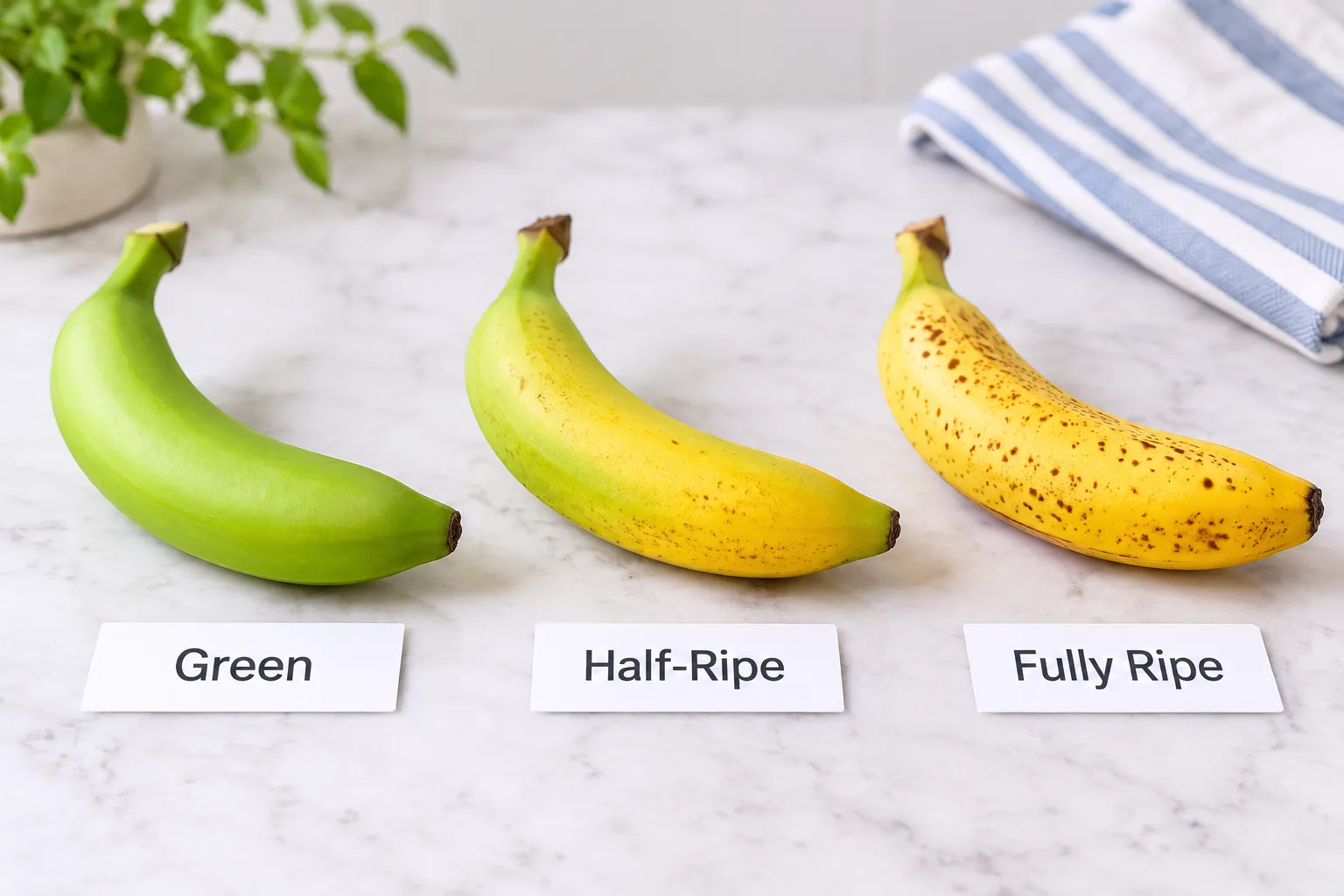
- Plain, ripe, at room temperature. Fully ripe bananas (yellow with light brown speckling) are softer than greener, starchier ones; individual tolerance still matters.
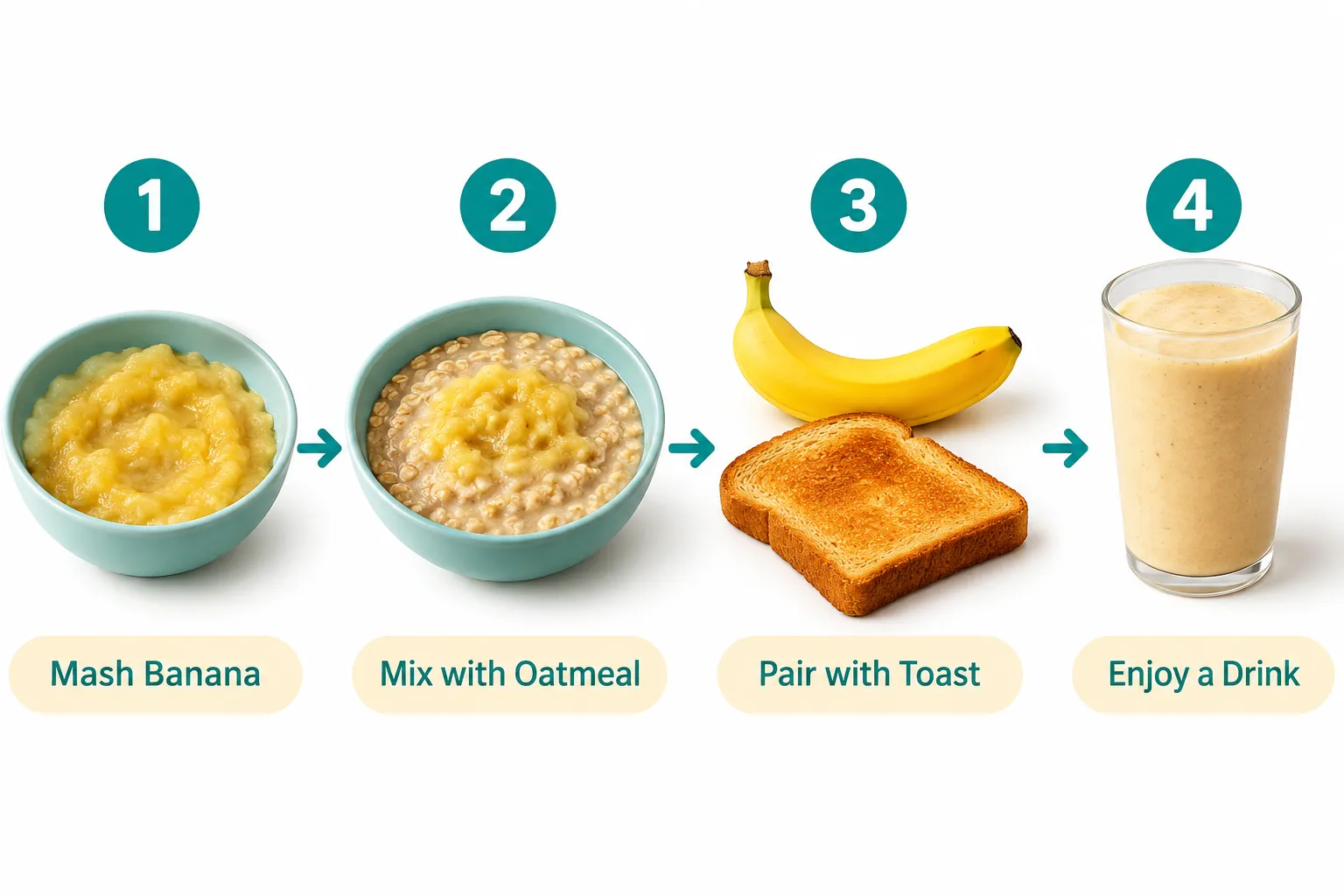
- Mashed. Useful if chewing or appetite is limited; also blends easily into oatmeal or plain yogurt if dairy is tolerated.
- Sliced into room-temperature water or herbal tea, eaten alongside. This is about comfort and pacing, not a functional combination.
- Blended into a simple smoothie with water or a tolerated liquid, if solid food still feels like too much.
There is no magic serving size. Start with an amount you feel able to tolerate, pause if it makes symptoms worse, and widen your food choices again as you feel ready.
What to Pair a Bland Diet Banana With
The simplest way to look at it is this: pair a bland diet banana with other gentle, low-fiber, low-fat foods, and avoid pairing it with anything greasy, spicy, or heavily seasoned while your stomach is still settling.
\n
There is no required combination. A banana beside dry toast may be enough for one person; another may prefer plain rice at one meal and a banana later. The useful pattern is mild food, modest portions, and enough fluid—not trying to make every bite nutritionally perfect while your appetite is still returning. Once you are comfortably eating again, move back toward the range of foods you normally tolerate.
What matters most is this: once you feel ready, the goal is to widen your diet again, not to stay on banana-and-toast indefinitely. NIDDK is explicit that most adults with acute diarrhea can return to their normal diet once appetite comes back, rather than remaining on a restricted plan [4]. The same logic applies to viral gastroenteritis recovery, a prolonged restricted diet is not generally recommended once appetite returns [6].
How to Test Whether a Banana Suits You
There is no need to turn this into a strict protocol. The useful question is simply whether a small amount of ripe banana feels comfortable for you at that moment. A food that is usually easy to eat can still be unappealing during active nausea, and a food that works today may not be the first thing you want tomorrow.
- Start with texture. A ripe, soft banana is usually the most practical option. If you dislike the texture, mashing it into a small serving of plain oatmeal or having it beside toast may be easier than forcing it down whole.
- Keep the first combination plain. Avoid using the banana as an excuse for a heavy smoothie, fried food, large amount of nut butter, or strongly flavoured add-on while your stomach is unsettled. You are testing tolerance, not building the perfect snack.
- Pay attention to the next few hours. If you feel comfortable, move toward normal meals as appetite returns. If it seems to make nausea, cramping, or loose stools worse, leave it aside and choose another gentle food instead.
- Do not stay restricted by default. A banana, rice, toast, crackers, broth, or yogurt can be useful stepping stones, but the aim is a varied diet again when it is tolerated—not a long-term banana-and-toast routine [4][6].
This is a practical comfort check rather than a diagnosis. Persistent or severe symptoms deserve medical assessment instead of a longer self-imposed bland diet.
Can a Banana Help During Diarrhea?
A ripe banana may be one manageable food during a short bout of diarrhea, but it is not the thing that fixes the illness. The central job is maintaining fluids; oral rehydration solution may be useful when fluid loss is significant, particularly for people at higher risk of dehydration [3].
That distinction matters because the old BRAT label can make the food list sound like a treatment plan. Bananas, rice, applesauce, and toast can all be mild choices, yet current guidance does not ask adults to eat only those foods. When appetite returns, normal food can usually return too, with choices adjusted to what is comfortable [4][6].
For a broader look at food choices while recovering, see APH’s gentle food list and simple bland diet recipes. If diarrhea is prolonged, severe, bloody, or paired with fever, dehydration, or significant pain, food experimentation should give way to professional advice.
Safety, Uncertainty, and When to See a Clinician
Let’s call it what it is: a banana is a mild, generally well-tolerated food, not a medical intervention. That is a strong claim-free way to describe it, and it needs to stay that way. We would be careful with any source that suggests otherwise.
A few honest limits to flag:
- No strong evidence supports the full BRAT diet as treatment. Major digestive-health guidance does not recommend BRAT as a stand-alone treatment [3][4].
- Suitability is individual. Some people tolerate bananas easily; others, particularly those with certain gut sensitivities, find fruit sugars harder to manage during an active flare. If a banana makes symptoms worse, stop and try something plainer, or speak with a clinician.
- Potassium content matters for some people. If you have kidney disease, heart failure with potassium restrictions, or take medications that affect potassium levels, check with your clinician before using bananas as a regular gentle-food choice [5].
- Children need age-appropriate guidance, not an adult bland diet applied to them. Infants should continue breast milk or formula, and children generally should continue a normal diet during diarrhea unless a clinician advises otherwise [7].
See a clinician if you or someone you are caring for has: diarrhea or vomiting lasting more than two to three days, fever, blood in stool or vomit, signs of dehydration (very low urination, dizziness, dry mouth), severe abdominal pain, or if symptoms occur in someone elderly, pregnant, or managing a chronic condition like kidney disease, diabetes, or heart failure. These situations call for professional assessment rather than food adjustments alone.
FAQ
Is a banana part of the official bland diet?
Yes, MedlinePlus and hospital nutrition guidance generally list bananas among acceptable bland diet foods, usually alongside other soft, low-fiber options [1][2].
Does eating a banana stop diarrhea?
No. There is no reliable evidence that a ripe banana treats or stops diarrhea on its own. Hydration and electrolyte replacement are the primary recommended approach for acute diarrhea [3].
Is the BRAT diet still recommended?
Not as a stand-alone treatment. Current guidance favours fluids and a return to normal eating as tolerated rather than an extended, nutritionally limited BRAT-only approach [3][4].
Can I eat a banana every day while recovering from a stomach bug?
For most healthy adults, a banana is a reasonable short-term food choice during recovery, but the broader goal is returning to a varied, normal diet once appetite improves, not relying on one food long-term [4][6].
Are bananas safe if I have kidney disease?
Not automatically. Bananas are relatively high in potassium, and people with chronic kidney disease may need to limit potassium intake based on individual lab values and clinician guidance [5].
What should I eat instead if a banana does not sit well?
Plain crackers, plain white rice, or small sips of broth and water are reasonable alternatives. If nothing seems to settle well after a day or two, that is a sign to check in with a clinician rather than continuing to experiment.
Conclusion
The main takeaway is this: a bland diet banana is a reasonable, low-effort food choice for many adults easing through a short bout of nausea or digestive upset, not a remedy, not a rule, and not something to lean on indefinitely. The evidence suggests hydration matters more than any single food, and a return to your normal, varied diet once you feel able to eat is better supported than a prolonged restricted one [3][4]. Start with what gives the biggest return: fluids first, small amounts of gentle food like banana or toast next, and a normal diet as soon as your appetite allows. If symptoms persist, worsen, or you manage a condition like kidney disease, a conversation with your clinician is the sensible next step, not another day of bland food alone.
For related reading, see APH’s broader guides on the bland diet food list, bland diet meal planning, and managing diarrhea with diet.
References
- MedlinePlus. Bland diet.
- Memorial Sloan Kettering Cancer Center. Bland or BRAT Diet.
- National Institute of Diabetes and Digestive and Kidney Diseases. Treatment of Diarrhea.
- National Institute of Diabetes and Digestive and Kidney Diseases. Eating, Diet, and Nutrition for Diarrhea.
- National Institute of Diabetes and Digestive and Kidney Diseases. Potassium Tips for People with Chronic Kidney Disease.
- National Institute of Diabetes and Digestive and Kidney Diseases. Treatment of Viral Gastroenteritis.
- National Institute of Diabetes and Digestive and Kidney Diseases. Diarrhea.
Medical Disclaimer
This article is for general information and does not replace personalized medical advice. If you have ongoing symptoms, a chronic condition, or are unsure whether a bland diet is appropriate for you, speak with a doctor, dietitian, or other qualified clinician.

Dave James founded All Perfect Health and writes practical, evidence-aware guides on nutrition, digestive health, exercise, and longevity. He is not a doctor; this article is educational and does not replace individual medical advice.
📂 Bland Diet & Digestive Recovery
This article is part of the All Perfect Health Bland Diet cluster. Use the links below to move between the pillar and supporting guides.
YOU ARE HERECan You Eat Bananas on a Bland Diet? When They Fit, How to Serve Them, and What to Pair Them With
→ Bland Diet for Diarrhea: What to Eat, What to Avoid, and When to Get Help
→ Stomach Flu (Gastroenteritis): Symptoms, Causes, Treatment, and When to Get Help
→ BRAT Diet for Nausea: What to Eat, What to Avoid, and What Works Better
→ Bland Diet Food List: Gentle Foods to Eat, Foods to Avoid and a Simple Grocery List
→ Bland Diet Meal Plan: A Gentle 1-Day Plan for Breakfast, Lunch, Dinner and Snacks
→ 15 Bland Diet Recipes for Breakfast, Soups, Dinners & Snacks (2026)
→ Bland Diet Breakfast: 15 Satisfying Recipes That Won’t Upset Your Stomach
→ Bland Food Diet Guide: Gentle Foods, Meal Ideas and What to Avoid
→ Can a Bland Diet Cause Constipation? What to Know and When to Change Course