Bland Diet for Diarrhea: What to Eat, What to Avoid, and When to Get Help
Last updated: October 4, 2026
Quick Answer
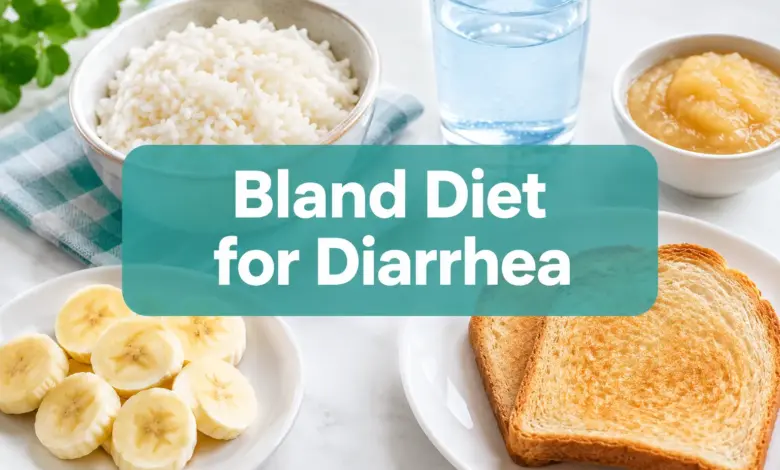
A bland diet for diarrhea means choosing low-fiber, easy-to-digest foods, plain rice, bananas, toast, boiled chicken, crackers, while avoiding anything fatty, spicy, or high in fiber until your gut settles. Hydration comes first: replacing fluids and electrolytes lost through diarrhea is more urgent than any specific food choice. Food choices can broaden as appetite and tolerance return; a restrictive diet does not treat the underlying cause.
Key Takeaways
- A bland diet for diarrhea is a short-term symptom-management tool, not a treatment or cure for the underlying cause.
- Replacing fluids and electrolytes is the most important step, food choices come second.
- The BRAT diet (bananas, rice, applesauce, toast) is familiar, but it is limited and should not be presented as a required protocol.
- As appetite returns, a broader range of tolerable foods may be more practical than extending a highly restrictive pattern.
- Avoid fatty foods, fried foods, high-fiber vegetables, dairy, caffeine, alcohol, and artificial sweeteners during acute diarrhea.
- Recovery depends on the cause; children, older adults, and people with health conditions need a lower threshold for clinical advice.
- Seek medical attention for blood or black stool, high fever, signs of dehydration, severe abdominal pain, or symptoms lasting more than 2 days.
- A bland diet does not diagnose, treat, or cure any condition, it supports comfort while your body recovers.
Medical note: A bland diet may provide short-term comfort during mild diarrhea, but it does not treat the underlying cause. Focus on hydration and seek medical care for blood or black stools, severe pain, high fever, repeated vomiting, dehydration, or symptoms that persist.
Table of Contents
- What Is a Bland Diet and Why Does It Help With Diarrhea?
- What to Eat and Drink When You Have Diarrhea
- Gentle Meal and Snack Ideas
- What Foods Should You Avoid With Diarrhea?
- Bland Diet vs. the BRAT Diet: What Is Still Recommended?
- Hydration, Electrolytes, and Oral Rehydration Solutions
- How Long Should You Stay on a Bland Diet?
- When Diarrhea Needs Medical Attention
- Special Considerations: Children, Older Adults, Pregnancy, and Chronic Conditions
- FAQ
- References
- Medical Disclaimer
What Is a Bland Diet and Why Does It Help With Diarrhea?
People sometimes choose simpler foods they find easier to tolerate while diarrhea is active. That can be practical, but it does not treat the cause or reliably stop diarrhea. Replacing lost fluids and electrolytes is usually the more immediate priority.
When appetite returns, the National Institute of Diabetes and Digestive and Kidney Diseases notes that people can most often return to their normal diet, even if diarrhea is still present.
What to Eat and Drink When You Have Diarrhea
The best foods to eat during diarrhea are low-fiber, low-fat, and easily digested. Start with small amounts and increase portions as your stomach tolerates them. [2][5]
Recommended bland foods for diarrhea:
- Plain white rice, low fiber, easy to digest, helps firm up stool
- Bananas, contain pectin (a soluble fiber that may help slow stool transit) and potassium, which is lost through diarrhea
- Plain toast or white bread, low fiber, gentle on the stomach
- Applesauce (unsweetened), contains pectin, easier to digest than raw apples
- Plain boiled or baked chicken (no skin), lean protein that does not stimulate the gut
- Plain crackers (saltines or water crackers), easy to keep down, especially if nausea is also present
- Plain pasta or noodles, cooked soft, no heavy sauces
- Boiled or baked potatoes, without butter, sour cream, or toppings
- Plain oatmeal, cooked with water, no added sugar or milk
- Low-fat broth or clear soup, adds fluid, sodium, and some calories
What to drink:
- Water (small, frequent sips if nausea is present)
- Oral rehydration solutions (ORS), the most effective option for replacing electrolytes
- Diluted fruit juice (small amounts, avoid high-sugar versions)
- Clear broths
- Weak herbal tea (ginger or peppermint may ease nausea)
For a detailed breakdown of gentle foods and their role in recovery, the Bland Diet Food List: What To Eat And Avoid at All Perfect Health covers this in full.
Gentle Meal and Snack Ideas
Knowing what to eat is one thing. Putting it together when you feel unwell is another. Here are practical, low-effort meal ideas that fit a bland diet for diarrhea. [2][9]
Breakfast:
- Plain white rice with a small amount of salt
- Banana with plain crackers
- Oatmeal cooked in water, no toppings
Lunch:
- Plain chicken broth with soft white rice or plain noodles
- Boiled chicken breast (shredded) with plain toast
- Saltine crackers with a small amount of unsweetened applesauce
Dinner:
- Baked potato (no skin, no toppings) with boiled chicken
- Plain pasta with a small amount of low-sodium broth
- Soft white rice with a small portion of steamed carrots (well-cooked, not raw)
Snacks:
- Bananas
- Plain crackers
- Unsweetened applesauce
- A small bowl of plain broth
Keep portions small at first. Eating large amounts too soon can trigger another bout of cramping or loose stools. The goal is to give the gut something to work with without overwhelming it.
For more structured guidance, the Bland Diet Meal Plan: 1-Day Gentle Recovery Guide walks through a full day of eating in practical terms. If breakfast is the hardest meal to manage, Bland Diet Breakfast Ideas offers additional options that are easy to prepare.
What Foods Should You Avoid With Diarrhea?
Certain foods and drinks make diarrhea worse by stimulating gut motility, drawing more water into the intestines, or irritating an already-sensitive gut lining. [3][6][10]
Avoid these foods during acute diarrhea:
| Category | Examples | Why It Worsens Diarrhea |
|---|---|---|
| Fatty or fried foods | Fries, bacon, greasy takeout | Stimulate gut contractions |
| High-fiber vegetables | Broccoli, beans, cabbage, onions | Speed gut transit, cause gas |
| Raw fruits (most) | Apples, pears, berries | High fiber, some contain sorbitol |
| Dairy products | Milk, cheese, ice cream | Temporary lactase reduction worsens symptoms |
| Spicy foods | Hot sauce, chili, curries | Irritate gut lining |
| Caffeine | Coffee, energy drinks, some teas | Stimulates bowel motility |
| Alcohol | Beer, wine, spirits | Irritates gut, worsens dehydration |
| Artificial sweeteners | Sorbitol, mannitol, xylitol | Osmotic effect draws water into colon |
| Sugary drinks | Soda, fruit punch, sports drinks (high sugar) | Osmotic effect worsens loose stools |
A note on dairy: Acute diarrhea, especially from a stomach bug or food poisoning, can temporarily reduce the gut’s ability to produce lactase, the enzyme that breaks down lactose. This means dairy that you normally tolerate well can suddenly worsen symptoms. This effect is usually temporary and resolves as the gut heals. [3][8]
Bland Diet vs. the BRAT Diet: What Is Still Recommended?
The BRAT diet is limited and should not be presented as a required protocol or treatment. Adequate fluids and a broader range of tolerable foods are generally more useful than extending a restrictive pattern.
Hydration, Electrolytes, and Oral Rehydration Solutions
Replacing lost fluids and electrolytes is an early priority during diarrhea because dehydration can become serious. Water, broths, and oral rehydration solutions can all have a role; people with kidney disease, heart failure, diabetes, or fluid restrictions should ask their clinician what is appropriate.
How Long Should You Stay on a Bland Diet?
There is no fixed bland-diet duration. For a short-term illness, food choices can broaden as appetite and tolerance return. Do not use a restrictive diet to delay care for persistent, worsening, or concerning symptoms.
When Diarrhea Needs Medical Attention
A bland diet is appropriate for mild, short-term diarrhea in otherwise healthy adults. It is not a substitute for medical care when warning signs are present. [1][3]
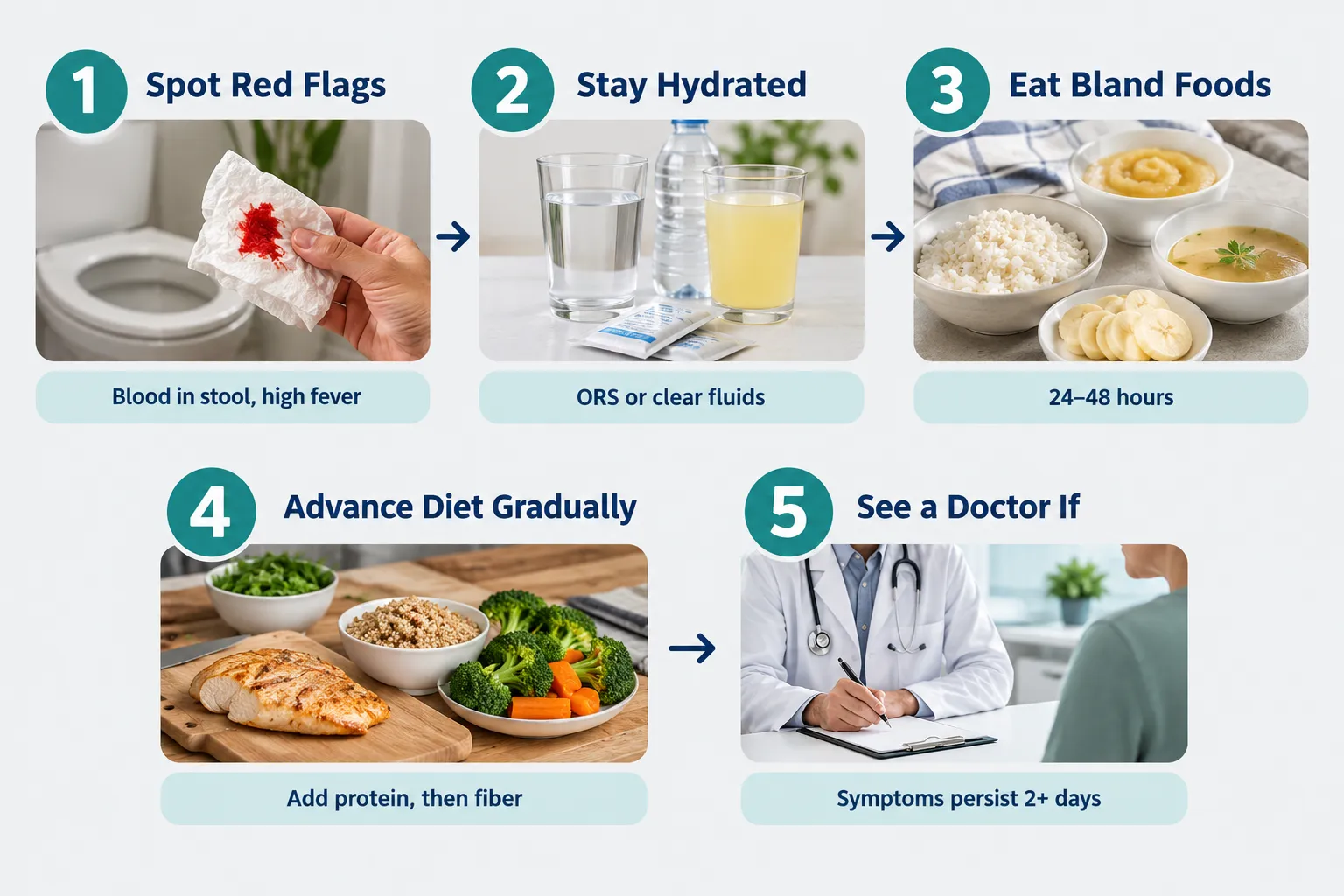
Seek medical attention promptly if you experience:
- Blood or black, tarry stools, this is a red flag that requires immediate evaluation
- High fever (above 102°F / 38.9°C)
- Signs of dehydration: extreme thirst, dark urine, dizziness, dry mouth, rapid heartbeat, or no urination for 8 or more hours
- Severe or persistent abdominal pain or cramping that does not ease
- Repeated vomiting that prevents you from keeping fluids down
- Confusion or altered mental status, especially in older adults, this can indicate severe dehydration or another serious cause
- Diarrhea lasting more than 2 days in adults, or more than 24 hours in infants and young children
- Suspected food poisoning, especially if multiple people who ate the same food are ill
- Recent travel to an area with high rates of waterborne illness
Let’s call it what it is: dehydration from diarrhea is a medical emergency in vulnerable individuals. Do not wait to see if it resolves on its own if the above signs are present.
Bland Diet for Diarrhea Caused by Food Poisoning vs. Stomach Bug
The bland diet approach is similar for both food poisoning and viral gastroenteritis (stomach bug), but there are a few practical differences worth knowing.
Viral gastroenteritis (stomach bug):
- Caused by viruses such as norovirus or rotavirus
- Typically resolves within 1 to 3 days
- Bland diet and hydration are the main tools
- Antibiotics are not effective and not appropriate
Food poisoning:
- Caused by bacteria, toxins, or parasites in contaminated food
- Can range from mild (resolves in 24 hours) to severe (requires hospitalization)
- Symptoms may include vomiting, diarrhea, and fever
- Some bacterial causes (such as Salmonella, E. coli O157:H7, or Listeria) require medical evaluation and may need specific treatment
- If symptoms are severe, involve blood in stool, or affect vulnerable individuals (pregnant women, older adults, immunocompromised people), seek care immediately
In both cases, the bland diet for diarrhea is a supportive measure, it manages discomfort but does not address the underlying cause. The distinction matters because food poisoning from certain bacteria can worsen quickly and should not be managed at home alone if symptoms are significant.
Special Considerations: Children, Older Adults, Pregnancy, and Chronic Conditions
The bland diet approach works differently depending on who is using it. Context matters, and the standard adult guidance does not apply uniformly across all groups.
Children:
Current pediatric guidance discourages prolonged dietary restriction during diarrhea. For children who are not dehydrated, early refeeding with age-appropriate foods is recommended. ORS is the preferred hydration tool for children, not sports drinks or juice. Infants with diarrhea should continue breastfeeding or formula. Diarrhea lasting more than 24 hours in a child under 2, or more than 2 days in older children, warrants medical evaluation. [3][5]
Older adults (65 and above):
Older adults dehydrate faster and may not feel thirst as acutely. They are also more likely to be on medications that interact with diarrhea or dehydration. Confusion, dizziness, or rapid heart rate in an older adult with diarrhea should be treated as a medical emergency. Do not delay seeking care.
Pregnancy:
Diarrhea during pregnancy should be evaluated by a healthcare provider, particularly if it is severe, prolonged, or accompanied by fever. Dehydration during pregnancy carries additional risks. Bland foods and ORS are generally safe, but medication decisions must be made in consultation with an OB-GYN or midwife.
Chronic conditions (IBD, IBS, diabetes, kidney disease):
People with inflammatory bowel disease, irritable bowel syndrome, diabetes, or kidney disease may need individualized guidance. Standard bland diet recommendations may conflict with their existing dietary management. A registered dietitian or gastroenterologist is the right resource here.
For a broader look at how diet frameworks support digestive health, the Bland Diet Recipes section at All Perfect Health offers practical options that fit different recovery stages.
FAQ
Can you eat chicken and rice for diarrhea?
Yes. Plain boiled or baked chicken (no skin) with plain white rice is one of the most practical bland diet meals for diarrhea. It provides easy-to-digest carbohydrates, lean protein, and minimal gut irritation. It is a significant step up from the BRAT diet alone because it includes protein, which supports gut repair. [2][7]
Is bread okay to eat with diarrhea?
Plain white toast or white bread is generally fine during diarrhea. It is low in fiber, easy to digest, and can help settle an upset stomach. Avoid whole-grain bread, seeded bread, or bread with added fats or sweeteners during the acute phase. [4][10]
Is the BRAT diet still recommended for diarrhea?
The BRAT diet is still a reasonable starting point for the first 24 hours, but it is no longer recommended as a complete diet for more than a day or two. It is too low in protein and nutrients for sustained recovery. Current guidance favors expanding to a broader bland diet, including lean protein and a wider range of gentle foods, as soon as symptoms allow. [4][7]
How quickly does a bland diet help stop diarrhea?
A bland diet does not stop diarrhea directly. It can be a practical way to choose food that feels tolerable while the underlying cause is addressed or settles.
Can dairy make diarrhea worse?
Yes, temporarily. Acute diarrhea, particularly from a viral infection, can reduce the gut’s production of lactase, the enzyme that digests lactose in dairy. This makes dairy harder to tolerate even in people who are normally fine with it. Avoiding dairy for 2 to 3 days during and after diarrhea is a sensible precaution. [3][8]
What drinks are safe for diarrhea?
The safest options are oral rehydration solutions, water, clear broth, and weak herbal teas. Avoid caffeine, alcohol, high-sugar drinks, and full-strength fruit juice. Sports drinks like Gatorade are sometimes used but contain more sugar and less sodium than a proper ORS, they are a second-best option. [1][6]
When should I see a doctor instead of managing diarrhea with diet?
Seek medical advice promptly for black, tarry or bloody stools; severe pain; frequent vomiting; signs of dehydration; high fever; six or more loose stools a day; or diarrhea lasting more than 2 days in adults. Children, older adults, pregnant people, and people with a weakened immune system or chronic conditions need earlier, individualized advice.
Conclusion
A bland diet for diarrhea is a practical, low-risk way to manage an upset stomach while your body does the real work of recovery. The approach is straightforward: start with gentle, low-fiber foods, prioritize fluids and electrolytes above everything else, and expand back toward a normal diet within 48 hours as symptoms ease.
The BRAT diet is a useful reference point, but it is a starting line, not a finish line. Plain chicken, broth, crackers, and soft cooked vegetables belong on the plate as soon as you can tolerate them. Staying on a very restricted diet longer than necessary slows recovery rather than helping it.
Keep it simple and consistent: sip fluids often, eat small amounts of bland foods, avoid the obvious irritants (fatty food, caffeine, dairy, alcohol, spicy food), and watch for warning signs that need medical attention.
If you want to go deeper on any part of this, the Bland Diet Complete Guide: Foods, Meal Plans and Recovery is a good next step, and the Bland Food Diet Guide covers the broader principles of gentle eating for digestive recovery.
Most importantly: if something does not feel right, if symptoms are severe, worsening, or outside the range of a typical stomach bug, get professional medical advice. Diet is a support tool, not a substitute for care.
References
[1] What To Eat When You Have Diarrhea – https://health.clevelandclinic.org/what-to-eat-when-you-have-diarrhea [2] What To Eat When You Have Diarrhea – https://www.healthline.com/health/what-to-eat-when-you-have-diarrhea [3] Medical News Today: Diarrhea Diet – https://www.medicalnewstoday.com/articles/318255 [4] BRAT Diet Info – https://www.nrmedcenter.com/wp-content/uploads/2023/01/BRAT-Diet-Info.pdf [5] Diarrhea Nutrition – https://www.verywellhealth.com/diarrhea-nutrition-1944666 [6] Diet and Diarrhea – https://www.imodium.com/manage-prevent-diarrhea/diet [7] BRAT Diet – Oregon Clinic – https://www.oregonclinic.com/resource/diets-brat/ [8] Medical News Today: Bland Diet – https://www.medicalnewstoday.com/articles/320027 [9] Foods That Help With Diarrhea – https://blog.walgreens.com/health/digestive-health/foods-that-help-with-diarrhea.html [10] Bland Diet – Healthline – https://www.healthline.com/health/food-nutrition/bland-dietMedical Disclaimer
The information in this article is provided for general educational purposes only. It is not intended to diagnose, treat, cure, or prevent any disease or medical condition. A bland diet is a temporary dietary support measure and does not replace professional medical advice, diagnosis, or treatment. Always consult a qualified healthcare provider before making changes to your diet, particularly if you have an existing medical condition, are pregnant, are taking medications, or if symptoms are severe, worsening, or persistent. If you experience signs of dehydration, blood in stool, high fever, severe abdominal pain, or any other concerning symptoms, seek medical attention promptly. All Perfect Health does not provide individualized medical advice.

Dave James is a health researcher and writer specialising in evidence-aware nutrition, digestive health, exercise and longevity. He founded All Perfect Health to provide clear, practical health guidance rooted in current research and real-world experience. He writes about what the evidence does — and does not — show.
📂 Bland Diet & Digestive Recovery
This article is part of the All Perfect Health Bland Diet cluster. Use the links below to move between the pillar and supporting guides.
YOU ARE HEREBland Diet for Diarrhea: What to Eat, What to Avoid, and When to Get Help
→ Stomach Flu (Gastroenteritis): Symptoms, Causes, Treatment, and When to Get Help
→ BRAT Diet for Nausea: What to Eat, What to Avoid, and What Works Better
→ Bland Diet Food List: Gentle Foods to Eat, Foods to Avoid and a Simple Grocery List
→ Bland Diet Meal Plan: A Gentle 1-Day Plan for Breakfast, Lunch, Dinner and Snacks
→ 6 Best Bland Diet Recipes for Digestive Recovery (2026)
→ Bland Diet Breakfast: 15 Satisfying Recipes That Won’t Upset Your Stomach
→ Bland Food Diet Guide: Gentle Foods, Meal Ideas and What to Avoid
→ Can a Bland Diet Cause Constipation? What to Know and When to Change Course