
How to Soothe Your Stomach Naturally: 10 Evidence-Based Remedies That Work
Last updated: April 8, 2026
Quick Answer
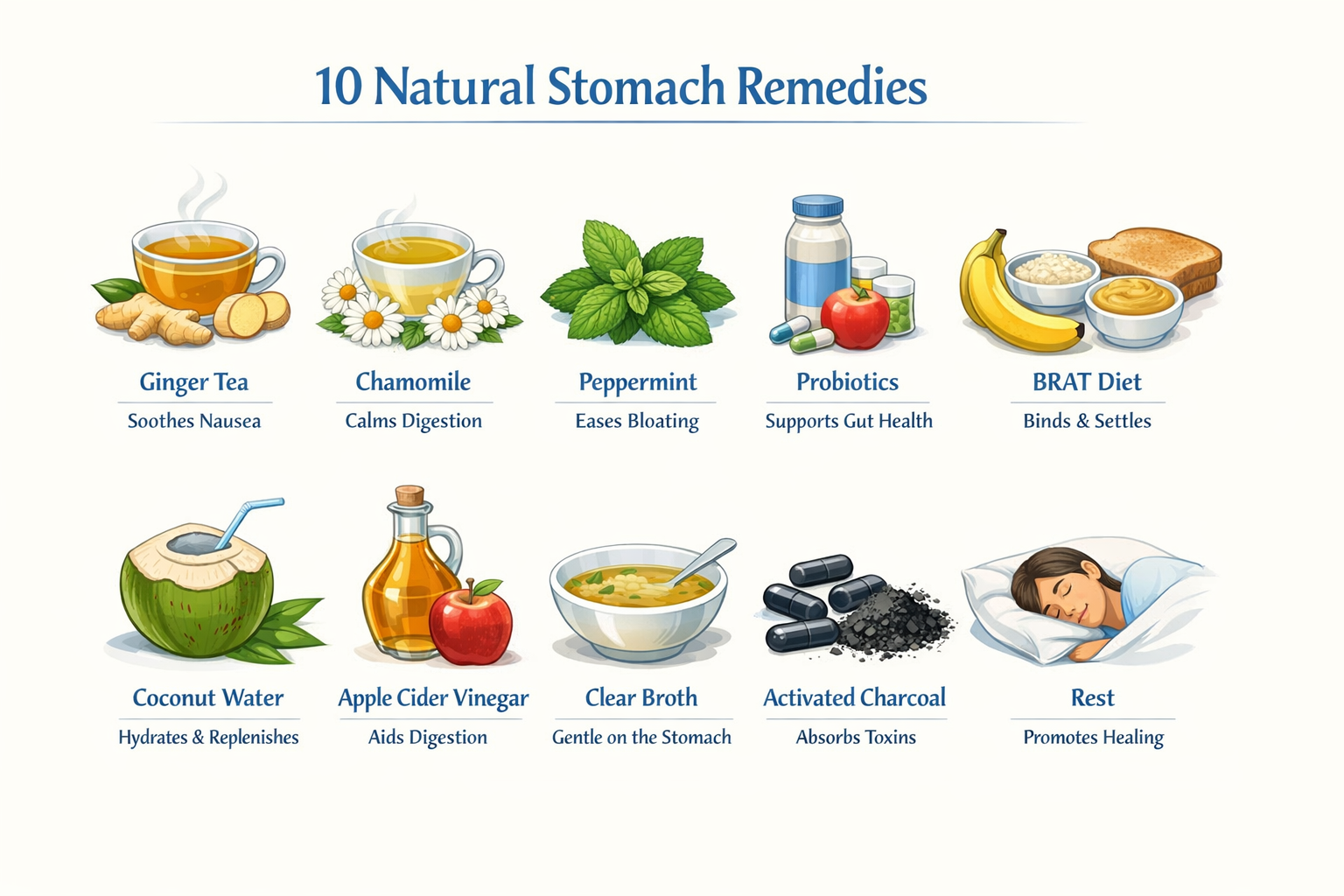
To soothe your stomach naturally, start with proven anti-nausea and anti-inflammatory options: ginger tea, peppermint tea, or chamomile tea for immediate relief; the BRAT diet (bananas, rice, applesauce, toast) for upset stomach and loose stools; and probiotics for ongoing gut balance. Most mild stomach discomfort — bloating, indigestion, nausea, or a stomach bug — responds well to these remedies within 24 to 48 hours. If symptoms persist beyond 72 hours or include blood, severe pain, or high fever, see a doctor.
Key Takeaways
- Ginger tea contains gingerol and shogaols, compounds shown in multiple clinical reviews to reduce nausea and support digestion
- Peppermint’s active compound, menthol, relaxes smooth muscle in the digestive tract and relieves gas and bloating
- Chamomile tea has anti-inflammatory and antispasmodic properties that ease stomach cramps and stress-related digestive upset
- The BRAT diet (bananas, rice, applesauce, toast) is especially effective during recovery from stomach bugs or diarrhea
- Probiotics — found in yogurt, kefir, sauerkraut, and kimchi — help restore healthy gut bacteria after illness or antibiotic use
- Coconut water replenishes electrolytes gently without the sugar load of sports drinks, making it ideal during stomach upset
- Apple cider vinegar may support digestion in small doses, but it is not suitable for everyone, especially those with acid reflux or ulcers
- Activated charcoal can absorb gas and toxins short-term but should not be used regularly or alongside medications
- Rest and stress reduction are underestimated tools: the gut-brain axis means anxiety and fatigue directly worsen digestive symptoms
- Clear broth soups provide hydration, sodium, and easy-to-absorb nutrients without taxing an inflamed digestive system
Why Does Your Stomach Get Upset in the First Place?
Stomach discomfort is rarely random. It usually traces back to one of several well-defined causes, and knowing which one applies to you helps you choose the right remedy faster.
Common causes of stomach upset include:
- Indigestion (dyspepsia): Triggered by eating too fast, fatty or spicy foods, or excess stomach acid. Symptoms include bloating, fullness, and a burning sensation in the upper abdomen.
- Gastroenteritis (stomach bug): A viral or bacterial infection that inflames the stomach and intestines, causing nausea, vomiting, diarrhea, and cramps. According to the CDC, norovirus alone causes an estimated 19 to 21 million illnesses per year in the United States.
- Irritable Bowel Syndrome (IBS): A chronic functional disorder affecting an estimated 10–15% of the global population (Rome Foundation, 2021), characterized by cramping, bloating, and alternating constipation and diarrhea.
- Food intolerances: Lactose and gluten are the most common, but reactions to FODMAPs (fermentable carbohydrates) are increasingly recognized as a widespread trigger.
- Stress and anxiety: The gut-brain axis is a bidirectional communication network. Psychological stress directly alters gut motility, increases intestinal permeability, and can trigger or worsen symptoms.
- Antibiotic use: Antibiotics disrupt the gut microbiome, often causing diarrhea or bloating as a side effect.
Choose your remedy based on the cause:
- Nausea or stomach bug → ginger tea, BRAT diet, coconut water
- Bloating and gas → peppermint tea, activated charcoal, probiotics
- Indigestion → apple cider vinegar (in small doses), chamomile tea
- Stress-related symptoms → chamomile tea, rest, mindful eating
- Post-antibiotic recovery → probiotics, fermented foods
What Makes Natural Remedies Worth Trying Before Medication?
Natural remedies are not a replacement for medical treatment when symptoms are serious. But for mild to moderate stomach discomfort, they offer a practical first line of response with a low risk of side effects.
Over-the-counter antacids and anti-diarrheal medications can mask symptoms without addressing the underlying cause. Some, like bismuth subsalicylate (Pepto-Bismol), interact with certain medications. Others, like loperamide, are not appropriate if a bacterial infection is the cause.
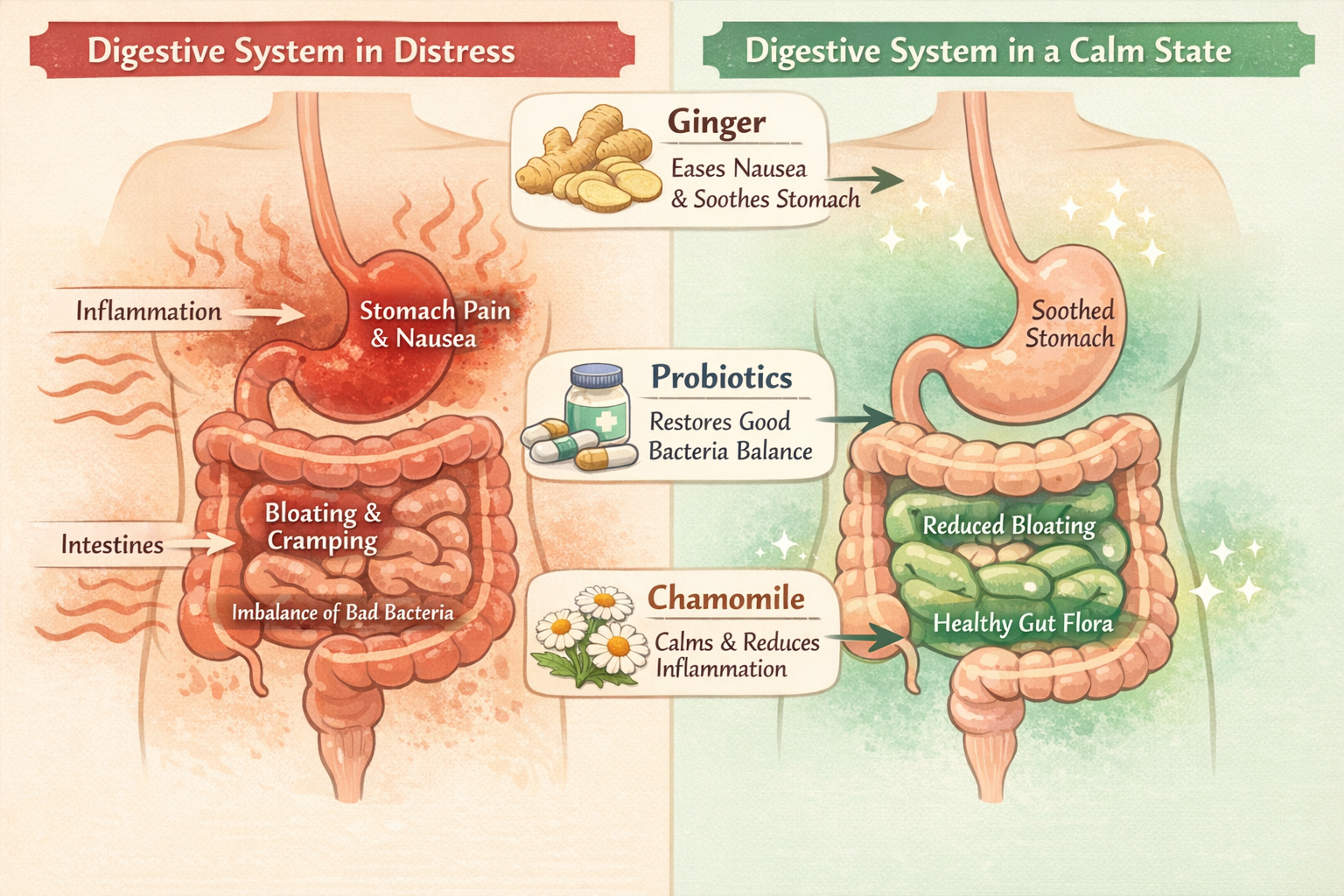
Natural remedies work differently. Ginger, for example, acts on serotonin receptors in the gut to reduce nausea. Probiotics address the microbial imbalance that often underlies digestive dysfunction. Chamomile reduces inflammation and muscle spasm. These are targeted mechanisms, not just symptom suppression.
That said, natural remedies work best when:
- Symptoms are mild to moderate
- There is no underlying condition requiring diagnosis
- You are not taking medications that could interact (especially with apple cider vinegar or activated charcoal)
- You are willing to combine dietary changes with the remedy
For deeper reading on gut health and digestive wellness, including how the microbiome affects overall health, that resource is worth bookmarking alongside this guide.
How Does Ginger Tea Soothe the Stomach?
Ginger is one of the most studied natural remedies for digestive complaints. It works quickly, it’s widely available, and the evidence behind it is more substantial than most herbal remedies.
The active compounds in ginger — gingerol (in fresh ginger) and shogaols (more concentrated in dried ginger) — have demonstrated anti-nausea, anti-inflammatory, and prokinetic effects. Prokinetic means they help move food through the digestive tract more efficiently, which reduces the stagnation that causes bloating and discomfort.
A 2014 review published in the British Journal of Anaesthesia found ginger to be significantly more effective than placebo for postoperative nausea. Separate research has supported its use in pregnancy-related nausea (morning sickness), chemotherapy-induced nausea, and motion sickness.
How to make effective ginger tea:
- Peel and thinly slice 1–2 inches of fresh ginger root (about 5–6 slices)
- Simmer in 2 cups of water for 10 minutes
- Strain, then add a squeeze of lemon and a small amount of honey if desired
- Drink warm, sipping slowly — not gulping
Dosage guidance: Most studies use 1–1.5 grams of ginger per day for nausea. One cup of properly brewed fresh ginger tea delivers roughly 250–500 mg, so 2–3 cups daily is a reasonable range.
Common mistake: Using ginger ale as a substitute. Most commercial ginger ales contain negligible amounts of real ginger and are high in sugar, which can worsen bloating. Stick to real ginger root or high-quality ginger tea bags that list ginger extract as the primary ingredient.
Edge case: Ginger may interact with blood-thinning medications like warfarin. If you’re on anticoagulants, check with your doctor before using ginger therapeutically.
Does Peppermint Tea Actually Relieve Bloating and Gas?
Yes — and peppermint is one of the better-supported herbal remedies for digestive symptoms, particularly for IBS and upper GI discomfort.
Menthol, peppermint’s primary active compound, relaxes the smooth muscle of the gastrointestinal tract. This antispasmodic effect reduces the cramping and spasms that cause pain and the trapped gas sensation that causes bloating. It also has a mild anesthetic effect on the gut lining, which can reduce the perception of pain.
A 2014 meta-analysis in the Journal of Clinical Gastroenterology found that peppermint oil (the concentrated form) was significantly more effective than placebo for IBS symptom relief. Peppermint tea, while less concentrated, provides similar benefits for milder symptoms.
Best uses for peppermint tea:
- Post-meal bloating and gas
- Mild stomach cramps
- Nausea (especially travel-related)
- Upper abdominal discomfort after eating
Important caveat: Peppermint relaxes the lower esophageal sphincter (the valve between the esophagus and stomach). For people with acid reflux or GERD, this can actually worsen heartburn. If reflux is your issue, chamomile or ginger tea is a better choice.
Brew peppermint tea with water just below boiling (about 90°C / 195°F) and steep for 5–7 minutes. Covering the cup while steeping helps retain the volatile menthol compounds that would otherwise evaporate.
What Is the BRAT Diet and When Should You Use It?
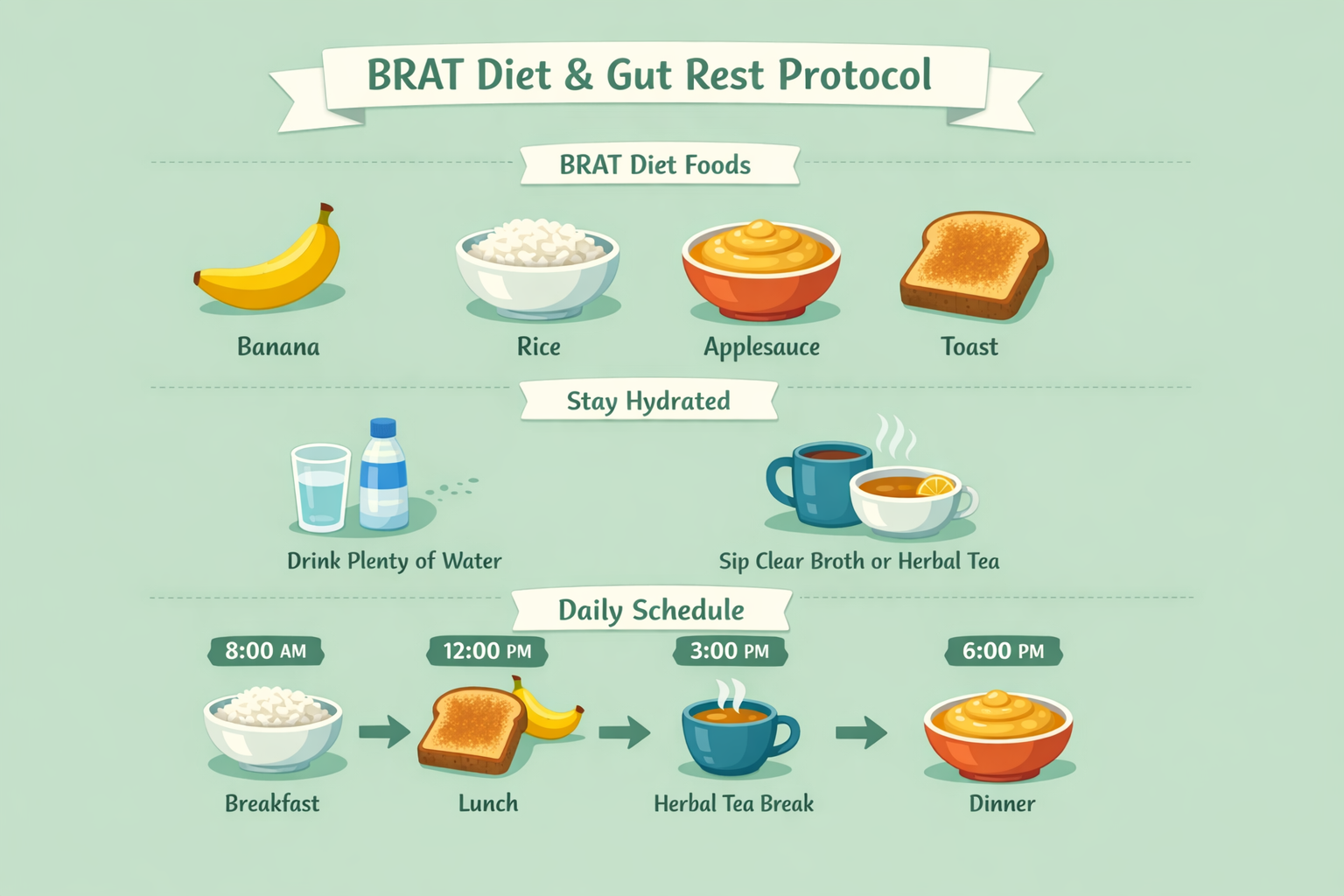
The BRAT diet — Bananas, Rice, Applesauce, Toast — is a short-term dietary protocol designed to rest the digestive system during acute stomach illness. It’s particularly useful during and immediately after a stomach bug, food poisoning, or a bout of diarrhea.
Each food in the BRAT diet was selected for a specific reason:
| Food | Why It Helps |
|---|---|
| Bananas | Soft, easy to digest; rich in potassium to replace electrolytes lost through vomiting or diarrhea; contains pectin, a soluble fiber that firms loose stools |
| Rice (white, plain) | Binding effect on the gut; low in fiber so it doesn’t stimulate bowel movements; provides quick, easy-to-absorb carbohydrates for energy |
| Applesauce | Gentler than whole apples; pectin content helps regulate bowel movements; provides mild sweetness without straining digestion |
| Toast (plain white) | Bland, low-fat carbohydrate; easy on a sensitive stomach; provides calories without triggering nausea |
How long to follow it: The BRAT diet is intended for 24–48 hours of acute illness, not as a long-term eating plan. It is low in protein, fat, and several key nutrients. Once symptoms improve, gradually reintroduce a normal, balanced diet.
What to add as you recover: Boiled chicken, cooked carrots, plain crackers, and low-fat yogurt are good transitional foods before returning to your regular diet.
For practical meal ideas during recovery, bland diet breakfast ideas offers specific recipes that fit within these guidelines without being boring.
How Do Probiotics Help Soothe the Stomach Naturally?
Probiotics are live microorganisms — primarily bacteria and some yeasts — that support a healthy gut microbiome when consumed in adequate amounts. They are not a quick fix for acute stomach pain, but they are one of the most effective long-term tools for digestive health.
The gut microbiome contains an estimated 38 trillion microbial cells (Sender et al., Cell, 2016). When this community is disrupted — by illness, antibiotics, poor diet, or stress — the resulting imbalance (dysbiosis) contributes to bloating, irregular bowel movements, increased gut permeability, and immune dysfunction.
Probiotics help by:
- Competing with and suppressing harmful bacteria
- Producing short-chain fatty acids (SCFAs) like butyrate, which nourish the gut lining
- Reducing intestinal inflammation
- Regulating bowel transit time (helpful for both constipation and diarrhea)
- Supporting immune function, since roughly 70% of the immune system is located in the gut
Best food sources of probiotics:
- Plain yogurt with live active cultures
- Kefir (higher bacterial count than yogurt)
- Sauerkraut (unpasteurized, refrigerated)
- Kimchi
- Miso
- Tempeh
- Kombucha (lower bacterial count but still beneficial)
When to consider a probiotic supplement: After a course of antibiotics, during or after a stomach illness, or if you have IBS. Look for strains like Lactobacillus rhamnosus GG or Saccharomyces boulardii, which have the strongest clinical evidence for digestive applications.
Probiotics pair well with anti-inflammatory foods — combining both approaches supports the gut lining and reduces the chronic low-grade inflammation that underlies many digestive conditions.
Can Chamomile Tea Calm Digestive Cramps and Stress-Related Stomach Issues?
Chamomile is one of the oldest documented medicinal herbs, and its use for digestive complaints is well-supported by both traditional use and modern research. It works on two levels: directly on the gut, and indirectly through the nervous system.
Direct gut effects: Chamomile contains apigenin and other flavonoids with anti-inflammatory and antispasmodic properties. These compounds reduce smooth muscle contractions in the intestinal wall, which is why chamomile is effective for stomach cramps, colic, and irritable bowel-type symptoms.
Nervous system effects: Apigenin also binds to GABA receptors in the brain, producing a mild anxiolytic (anti-anxiety) effect. Because stress and anxiety are major triggers for digestive symptoms — through the gut-brain axis — chamomile’s calming effect on the nervous system translates directly into digestive relief.
Best uses for chamomile tea:
- Stress-triggered stomach cramps or diarrhea
- Indigestion and bloating after meals
- Difficulty sleeping due to stomach discomfort
- Mild nausea
Steep chamomile tea for at least 5 minutes (longer steeping extracts more of the active compounds). Drink one cup 20–30 minutes before meals to support digestion, or one cup before bed to ease overnight discomfort.
Who should be cautious: People with allergies to plants in the Asteraceae family (ragweed, chrysanthemums, daisies) may react to chamomile. It also has mild blood-thinning properties, so caution is warranted alongside anticoagulant medications.
What Role Do Hydration and Electrolytes Play in Stomach Recovery?
Dehydration makes almost every stomach symptom worse. Vomiting and diarrhea accelerate fluid loss significantly, and even mild dehydration impairs gut motility and makes nausea more intense.
The goal during stomach illness isn’t just to drink water — it’s to replace both fluids and electrolytes (sodium, potassium, magnesium) that are lost through vomiting or diarrhea.
Best hydration options during stomach upset:
- Coconut water: Naturally contains potassium, sodium, and magnesium. Lower in sugar than sports drinks and gentle on the stomach. A good option for mild dehydration.
- Clear broth (chicken or vegetable): Provides sodium, which is critical for fluid retention at the cellular level. Also delivers easily absorbed nutrients without taxing digestion.
- Oral rehydration solution (ORS): The gold standard for moderate dehydration from gastroenteritis. Can be made at home with 1 liter of clean water, 6 teaspoons of sugar, and half a teaspoon of salt.
- Herbal teas (ginger, chamomile, peppermint): Contribute to fluid intake while providing additional therapeutic benefits.
- Water with a pinch of salt and squeeze of lemon: A simple DIY electrolyte boost.
What to avoid: Caffeinated drinks (stimulate the gut), alcohol (dehydrating and irritating), full-sugar sodas (osmotic effect worsens diarrhea), and undiluted fruit juices (high fructose content can worsen loose stools).
Clear broth soups deserve special mention here. A simple homemade chicken or vegetable broth is easy to digest, provides sodium and trace minerals, and is warm enough to be soothing. It’s one of the most practical things you can consume in the first 12–24 hours of stomach illness.
Should You Try Apple Cider Vinegar or Activated Charcoal?
Both apple cider vinegar (ACV) and activated charcoal are popular natural remedies for stomach issues, but both come with important caveats that most articles gloss over.
Apple Cider Vinegar
What it may do: ACV contains acetic acid, which may support digestion by slightly lowering stomach pH, potentially helping those whose indigestion stems from low stomach acid rather than excess acid. It also contains small amounts of beneficial enzymes.
What the evidence actually shows: The clinical evidence for ACV as a digestive remedy is limited. Most claims are based on anecdote or small, low-quality studies. One small study (Johnston et al., Diabetes Care, 2004) found ACV slowed gastric emptying, which could theoretically reduce post-meal blood sugar spikes — but this is not the same as treating stomach upset.
Who should avoid it:
- People with acid reflux or GERD (ACV can worsen esophageal irritation)
- People with stomach ulcers or gastritis
- Anyone taking medications affected by acidity changes (including some diuretics and insulin)
If you try it: Dilute 1–2 teaspoons in a full glass of water. Never drink it undiluted — the acidity can erode tooth enamel and irritate the esophagus.
Activated Charcoal
What it does: Activated charcoal has an enormous surface area that allows it to bind gas molecules, toxins, and some drugs in the gut, preventing their absorption. It is used medically in emergency settings for certain types of poisoning.
For everyday stomach use: It can reduce bloating and gas in the short term. However, it binds indiscriminately — meaning it can also bind to medications, vitamins, and nutrients, reducing their absorption.
Important rules:
- Do not take activated charcoal within 2 hours of any medication
- Do not use it regularly — it is a short-term, occasional tool
- It will turn stools black, which is harmless but can be alarming if unexpected
- Not appropriate for children without medical guidance
How Does Rest and Stress Reduction Support Digestive Healing?
Rest is not a passive remedy — it’s an active requirement for digestive recovery. The gut-brain axis is a well-established bidirectional communication pathway between the central nervous system and the enteric nervous system (the “second brain” in the gut). When you’re stressed, anxious, or sleep-deprived, this axis sends signals that alter gut motility, increase intestinal permeability, and amplify pain sensitivity.
Chronic stress is associated with increased risk of IBS, functional dyspepsia, and inflammatory bowel conditions. Even acute stress — a difficult day, poor sleep, an argument — can trigger stomach cramps, diarrhea, or nausea in people with sensitive digestive systems.
Practical rest and relaxation strategies for digestive health:
- Diaphragmatic breathing: Slow, deep belly breathing activates the parasympathetic nervous system (rest-and-digest mode), directly reducing gut spasm and pain. Even 5 minutes before or after meals can make a difference.
- Gentle walking: Light movement after meals supports gastric emptying and reduces bloating. A 10–15 minute walk after eating is more effective than lying down.
- Avoid eating under stress: Eating while distracted, rushed, or emotionally upset impairs digestion. The body cannot fully activate digestive enzymes and stomach acid when the stress response is dominant.
- Adequate sleep: Poor sleep disrupts gut microbiome composition (research from the Karolinska Institute, 2019, found sleep restriction altered gut bacteria within days) and increases gut inflammation.
- Warm compress: Applying a warm heating pad or hot water bottle to the abdomen relaxes intestinal muscles and provides genuine pain relief for cramps.
Stress management also connects to broader lifestyle factors. If you’re looking at the full picture of how daily habits affect your health, the guide on how to live a healthy lifestyle covers the interconnection between sleep, stress, diet, and physical health in practical terms.
What Foods Should You Eat (and Avoid) When Your Stomach Is Upset?
Choosing the right foods during stomach upset can shorten recovery time. Choosing the wrong ones can extend it significantly.
Foods That Help Soothe the Stomach
- Bananas: Soft, easily digested, rich in potassium and pectin
- Plain white rice: Binding, low-fiber, easy on the gut
- Boiled or steamed chicken (no skin): Lean protein that doesn’t stimulate excess stomach acid
- Plain crackers (saltines): Absorb excess stomach acid; helpful for nausea
- Cooked carrots: Soft, low-fiber, provide beta-carotene without irritating the gut
- Plain oatmeal: Soluble fiber that soothes the gut lining; avoid adding milk or sweeteners initially
- Boiled eggs: Easy to digest; good protein source during recovery (see calories in hard-boiled eggs for nutritional detail)
- Herbal teas: Ginger, chamomile, peppermint (with the reflux caveat noted above)
Foods to Avoid During Stomach Upset
- Dairy products (except plain yogurt with live cultures) — lactose can worsen diarrhea
- Fatty, fried, or greasy foods — slow gastric emptying and worsen nausea
- Spicy foods — irritate the gut lining
- Raw vegetables and high-fiber foods — increase bowel motility when the gut needs rest
- Caffeinated beverages — stimulate gut contractions
- Alcohol — dehydrating and directly irritating to the stomach lining
- Artificial sweeteners (sorbitol, xylitol, mannitol) — have a laxative effect and worsen diarrhea
Decision rule: If you’re unsure whether a food is safe to eat during stomach upset, ask: “Is it soft, bland, low in fat, low in fiber, and easy to digest?” If the answer is yes to all five, it’s probably fine. If it fails two or more of those criteria, wait until you’re feeling better.
For a broader look at how food choices affect your overall health and weight, the comprehensive guide to modern diets covers the evidence behind different dietary approaches in a balanced, practical way.
Frequently Asked Questions
Q: How quickly do natural stomach remedies work?
Ginger and peppermint tea can provide noticeable relief within 20–30 minutes for nausea and bloating. The BRAT diet typically shows improvement within 24 hours. Probiotics take days to weeks to shift gut flora meaningfully.
Q: Can I use multiple remedies at the same time?
Yes, most can be combined safely. For example, drinking ginger tea while following the BRAT diet is fine. The main exception is activated charcoal, which should be taken separately from other remedies, supplements, or medications.
Q: Is ginger tea safe during pregnancy?
Ginger is widely used for morning sickness and is generally considered safe in food amounts during pregnancy. Most guidelines suggest keeping ginger intake below 1 gram per day during pregnancy. Always confirm with your midwife or OB-GYN.
Q: What’s the difference between indigestion and a stomach bug?
Indigestion (dyspepsia) is typically triggered by food and causes upper abdominal discomfort, bloating, and heartburn without fever. A stomach bug (gastroenteritis) involves nausea, vomiting, diarrhea, and often fever or body aches. The remedies overlap, but gastroenteritis also requires aggressive hydration.
Q: Can children use these natural remedies?
Many can, with adjustments. Ginger tea in small amounts and the BRAT diet are generally safe for children over 1 year. Activated charcoal, apple cider vinegar, and high-dose probiotic supplements should only be used in children under medical guidance.
Q: How do I know when to stop using home remedies and see a doctor?
See a doctor if: symptoms last more than 72 hours, you cannot keep fluids down for more than 24 hours, there is blood in vomit or stool, you have severe abdominal pain, you have a fever above 38.5°C (101.3°F), or you are immunocompromised or pregnant.
Q: Does apple cider vinegar help with acid reflux?
No — and it may make it worse. Apple cider vinegar is acidic and can irritate an already inflamed esophagus. For acid reflux, chamomile tea, small frequent meals, and avoiding lying down after eating are safer approaches.
Q: Are probiotic supplements better than probiotic foods?
Not necessarily. Fermented foods like kefir and sauerkraut contain diverse strains of bacteria that supplements often don’t. Supplements are useful when you need a specific, high-dose strain (like Lactobacillus rhamnosus GG after antibiotics). For general gut maintenance, food sources are equally effective and more affordable.
Q: Can stress alone cause physical stomach pain?
Yes. The gut-brain axis means psychological stress activates the enteric nervous system, increases gut motility, and lowers pain thresholds in the gut. This is a physiological process, not “imagined” discomfort. Stress management is a legitimate part of digestive health care.
Q: Is coconut water better than sports drinks for stomach upset?
For most cases of mild stomach upset, yes. Coconut water has a more balanced electrolyte profile and less sugar than most commercial sports drinks. For severe dehydration from prolonged vomiting or diarrhea, an oral rehydration solution (ORS) is more effective than either.
Q: What is the fastest natural remedy for nausea?
Ginger tea is the best-evidenced option. Peppermint tea or peppermint aromatherapy (inhaling peppermint essential oil) can also provide rapid relief. Eating a plain saltine cracker can help settle nausea caused by low blood sugar or an empty stomach.
Q: How do I prevent stomach upset from coming back?
Long-term prevention involves eating slowly, avoiding trigger foods, managing stress, staying hydrated, maintaining a diverse diet rich in fiber and fermented foods, and getting adequate sleep. Identifying your personal triggers — whether food-based, stress-based, or related to a specific condition like IBS — is the most effective prevention strategy.
Related Reading
- Gut health and digestive wellness: a complete overview
- Anti-inflammatory foods: the ultimate guide
- Bland diet breakfast ideas for a sensitive stomach
- High-fiber foods: the complete list, benefits, and how much you need
- How to live a healthy lifestyle
Sources
Sender R, Fuchs S, Milo R. “Revised Estimates for the Number of Human and Bacteria Cells in the Body.” PLOS Biology, 2016.
https://pubmed.ncbi.nlm.nih.gov/27541692/
Johnston CS, Kim CM, Buller AJ. “Vinegar Improves Insulin Sensitivity to a High-Carbohydrate Meal in Subjects With Insulin Resistance or Type 2 Diabetes.” Diabetes Care, 2004.
https://pubmed.ncbi.nlm.nih.gov/14694010/
Chaiyakunapruk N, et al. “The efficacy of ginger for the prevention of postoperative nausea and vomiting: a meta-analysis.” American Journal of Obstetrics and Gynecology, 2006.
https://pubmed.ncbi.nlm.nih.gov/16389016/
Ford AC, et al. “Effect of fibre, antispasmodics, and peppermint oil in the treatment of irritable bowel syndrome.” BMJ, 2008.
https://pmc.ncbi.nlm.nih.gov/articles/PMC2583392/
Rome Foundation. “Rome IV Criteria.”
https://theromefoundation.org/rome-iv/rome-iv-criteria/
Centers for Disease Control and Prevention. “Norovirus.”
https://www.cdc.gov/norovirus/index.html