The Ultimate Guide to the Liver Shrinking Diet (2026)
Last updated: July 2026
In this guide
- What Is the Liver Shrinking Diet and Why Does It Exist?
- How Does the Liver Shrinking Diet Actually Work?
- What Are the Three Phases of the Liver Shrinking Diet?
- What Foods Should You Eat (and Avoid) on the Liver Shrinking Diet?
- What Does a 7-Day Liver Shrinking Meal Plan Look Like?
- What Are the Real Benefits of the Liver Shrinking Diet?
- What Are the Risks and Limitations of the Liver Shrinking Diet?
- How Does the Liver Shrinking Diet Compare to Other Low-Carb Diets?
- Practical Tips for Making the Liver Shrinking Diet Work
Quick Answer
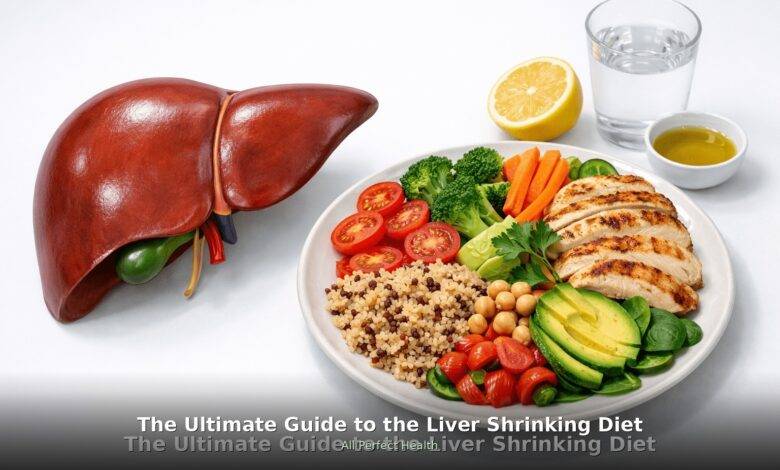
The liver shrinking diet is a structured, low-carbohydrate, low-fat eating plan designed to reduce liver size — primarily by depleting glycogen stores and reducing fat accumulation in liver tissue. It’s most commonly prescribed before bariatric surgery to make the procedure safer, but it’s also used as a general weight-loss and liver-health protocol. Most people follow it for two to four weeks under medical supervision, though a modified version can be sustained longer.
Key Takeaways
- The liver shrinking diet works by cutting carbohydrates and calories sharply, which forces the liver to burn through its glycogen reserves and shrink in physical size.
- It is most often prescribed before weight-loss surgery (bariatric procedures) to reduce surgical risk — a smaller liver is easier for surgeons to work around.
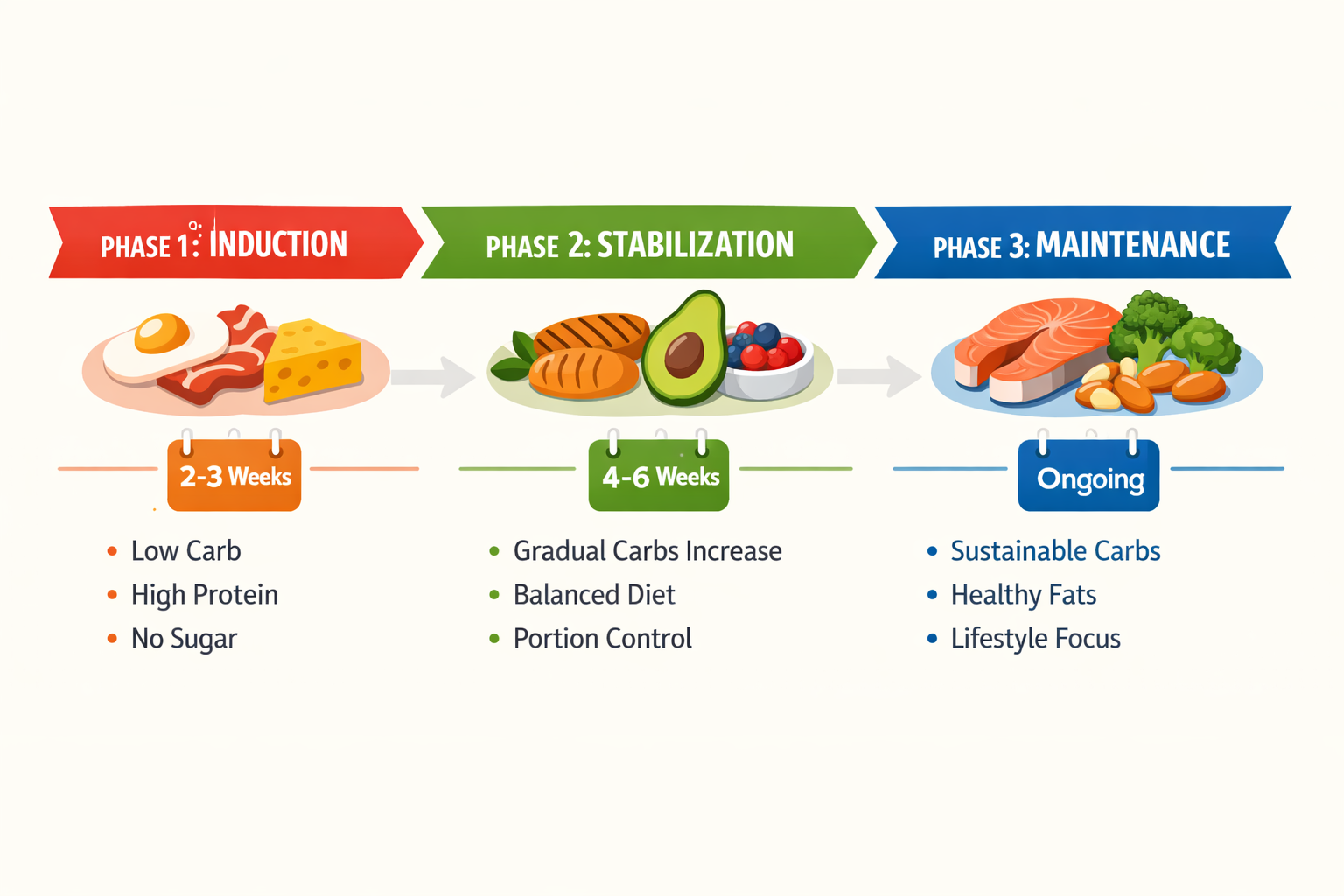
- The diet is typically divided into three phases: Induction (strict), Stabilization (gradual reintroduction), and Maintenance (long-term habits).
- Foods to prioritize include lean proteins, non-starchy vegetables, low-fat dairy, and healthy fats like those found in avocado and olive oil.
- Foods to avoid include refined carbohydrates, added sugars, alcohol, full-fat dairy, and processed meats.
- Weight loss of 5–10 pounds in the first one to two weeks is common, though results vary significantly by individual.
- This diet is not appropriate for everyone — people with certain liver conditions, kidney disease, or metabolic disorders should only follow it under a doctor’s guidance.
- A 7-day meal plan can help beginners structure their approach without guesswork.
- Hydration, consistent meal timing, and adequate protein intake are the three most overlooked factors in making this diet work.
- Always consult a healthcare provider before starting, especially if you have a pre-existing condition.
What Is the Liver Shrinking Diet and Why Does It Exist?
The liver shrinking diet is a calorie-controlled, low-carbohydrate eating plan specifically designed to reduce the physical size of the liver by depleting fat and glycogen stored within it. It was originally developed in the context of bariatric (weight-loss) surgery preparation, where a large or fatty liver creates serious complications during laparoscopic procedures.
The liver sits directly above the stomach. During bariatric surgery, surgeons must retract it to access the stomach — and a liver that is enlarged due to excess fat (a condition called hepatic steatosis, or fatty liver disease) is heavier, more fragile, and harder to move safely. A pre-surgical liver shrinking protocol, typically lasting two to four weeks, can meaningfully reduce liver volume and surgical risk.
Beyond surgery prep, the diet has gained traction as a general liver-health and weight-loss approach, particularly among people with non-alcoholic fatty liver disease (NAFLD). According to the American Liver Foundation, NAFLD affects an estimated 80–100 million people in the United States, making dietary interventions for liver health increasingly relevant.
Who it’s for:
- People preparing for bariatric surgery (most common clinical use)
- Individuals diagnosed with NAFLD or elevated liver enzymes
- People pursuing structured short-term weight loss with a liver-health focus
Who should be cautious:
- People with advanced liver disease (cirrhosis) — caloric restriction can worsen their condition
- Those with kidney disease, as high-protein phases may increase kidney load
- Anyone with a history of disordered eating
- Pregnant or breastfeeding women
How Does the Liver Shrinking Diet Actually Work?
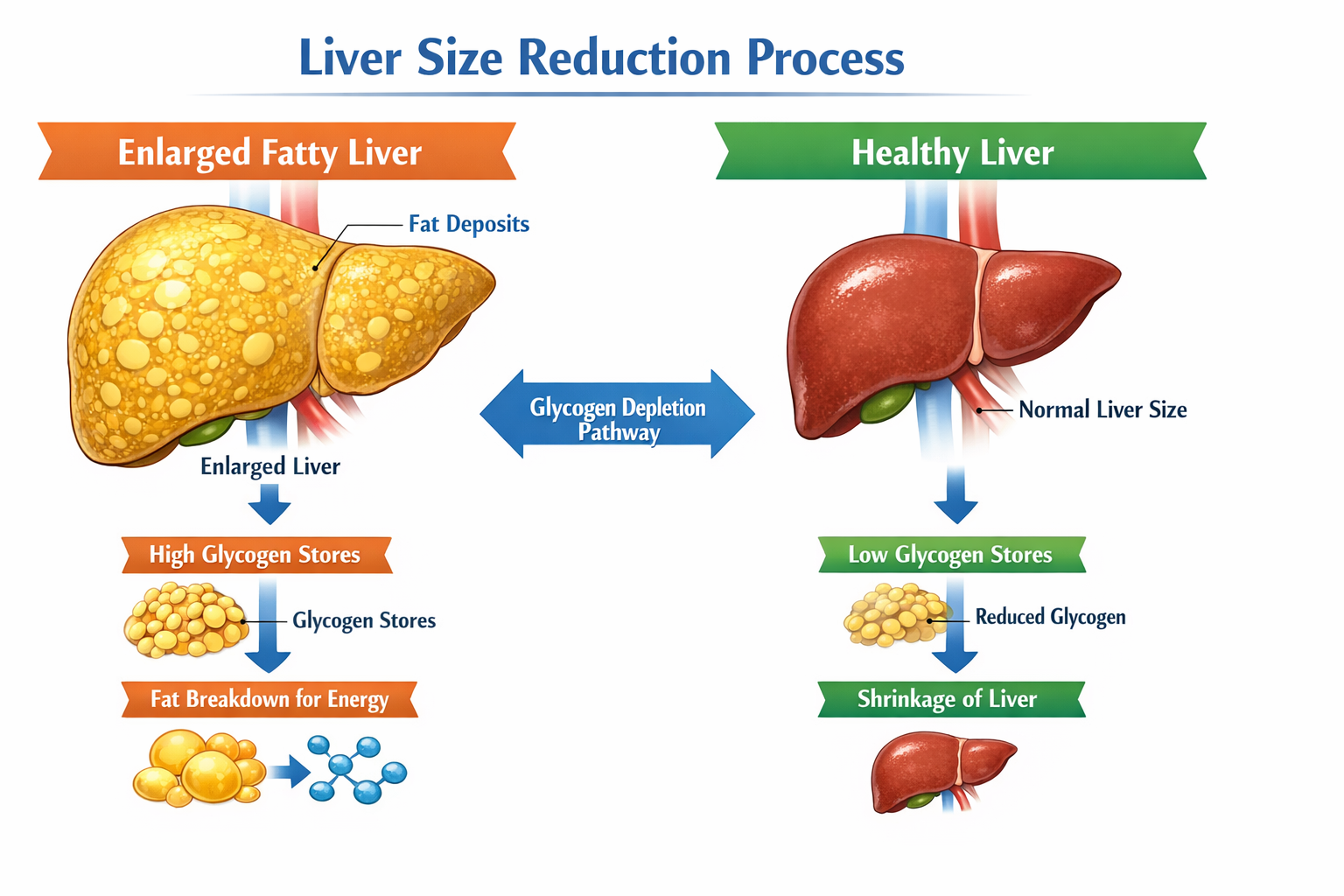
The mechanism is straightforward: the liver stores glucose as glycogen, and glycogen molecules bind to water. When you drastically reduce carbohydrate and calorie intake, the liver burns through those glycogen stores within 24–72 hours. As glycogen depletes, water is released, and the liver physically shrinks.
Simultaneously, a calorie deficit forces the body to draw on stored fat — including fat deposited within the liver itself. This dual process (glycogen depletion + fat reduction) is what makes the liver shrinking diet effective at reducing liver volume relatively quickly compared to general dieting.
The key mechanisms, in plain terms:
- Glycogen depletion: Cutting carbohydrates below roughly 50–100g per day triggers rapid glycogen burn-off in the liver, reducing its water content and size.
- Fat mobilization: A sustained calorie deficit (typically 800–1,200 calories per day in clinical protocols) prompts the body to metabolize stored fat, including intrahepatic (within-liver) fat.
- Reduced insulin load: Lower carbohydrate intake reduces insulin spikes. Since insulin promotes fat storage in the liver, lower insulin levels support fat release from liver tissue.
- Inflammation reduction: Eliminating processed foods, added sugars, and saturated fats reduces hepatic inflammation, which is a separate but related benefit.
Common mistake: Many people assume the diet works only through calorie restriction. In fact, the type of food matters as much as the quantity. Replacing refined carbs with lean protein and fiber-rich vegetables accelerates glycogen depletion in a way that simple calorie cutting alone does not.
What Are the Three Phases of the Liver Shrinking Diet?
The liver shrinking diet is structured in three distinct phases, each with a specific purpose. Moving through them in order matters — skipping ahead typically undermines results.
Phase 1: Induction (Weeks 1–2)
This is the strictest phase. The goal is rapid glycogen depletion and initial fat loss. Carbohydrate intake is kept very low (often under 50g per day), calories are restricted to around 800–1,200 per day depending on body size and medical guidance, and protein intake is kept high to preserve muscle mass.
What to eat during induction:
- Lean proteins: chicken breast, turkey, white fish, egg whites, low-fat cottage cheese
- Non-starchy vegetables: spinach, broccoli, cauliflower, zucchini, cucumber, leafy greens
- Low-fat dairy: plain Greek yogurt (unsweetened), skim milk in small amounts
- Healthy fats in moderation: a small amount of avocado or olive oil
- Plenty of water and unsweetened herbal teas
What to strictly avoid:
- All added sugars and sweetened beverages
- Refined carbohydrates: white bread, pasta, white rice, pastries
- Alcohol (the liver prioritizes metabolizing alcohol over fat, which directly counteracts the diet’s goals)
- Full-fat dairy and processed meats
- Fruit juices and high-sugar fruits
Phase 2: Stabilization (Weeks 3–4)
The stabilization phase reintroduces some carbohydrates in controlled amounts. The liver has shrunk significantly by this point, and the goal shifts to sustaining that reduction while building a more maintainable eating pattern.
What changes:
- Whole grains can be reintroduced in small portions: oats, brown rice, whole-wheat bread
- A wider variety of fruits (particularly low-sugar options like berries) can be added
- Calorie targets rise slightly to a more sustainable range
- Protein remains a dietary priority
What stays the same:
- No added sugars, alcohol, or processed foods
- Continued emphasis on vegetables and lean protein
- Consistent hydration
Phase 3: Maintenance (Ongoing)
Maintenance is about long-term liver health and weight stability. This phase is not a strict diet but a set of sustainable eating principles derived from phases one and two.
- Continue prioritizing lean protein, vegetables, and whole grains
- Limit saturated fat, added sugar, and alcohol on an ongoing basis
- Monitor portion sizes rather than obsessively tracking every calorie
- Regular physical activity becomes increasingly important here
For practical meal inspiration that aligns with these principles, healthy meals for weight loss can help you build a varied, sustainable menu.
What Foods Should You Eat (and Avoid) on the Liver Shrinking Diet?
The liver shrinking diet is built around foods that reduce hepatic fat and inflammation while providing enough protein to prevent muscle loss. Here’s a practical breakdown.
Best Foods for Liver Shrinking
| Food Category | Examples | Why It Helps |
|---|---|---|
| Lean protein | Chicken breast, turkey, white fish, tofu, egg whites | Preserves muscle, keeps you full, low in saturated fat |
| Non-starchy vegetables | Spinach, broccoli, kale, zucchini, bell peppers | High fiber, low calorie, anti-inflammatory |
| Low-fat dairy | Greek yogurt (plain), cottage cheese, skim milk | Protein-rich, low in liver-stressing saturated fat |
| Healthy fats | Avocado, olive oil (small amounts) | Monounsaturated fats support liver function |
| Berries | Blueberries, strawberries, raspberries | High in antioxidants that protect liver cells |
| Legumes | Lentils, chickpeas, black beans | Fiber and plant protein without refined carbs |
| Water and herbal teas | Plain water, green tea, chamomile | Hydration supports liver detox processes |
Olive oil’s health benefits extend specifically to liver health — research has linked its polyphenols to reduced liver fat accumulation.
Foods to Avoid
- Sugary foods and drinks: Soda, fruit juice, candy, pastries, sweetened cereals — fructose in particular is processed almost entirely by the liver and contributes directly to hepatic fat.
- Refined carbohydrates: White bread, white pasta, white rice, crackers — these spike insulin and replenish glycogen quickly, counteracting the diet’s core mechanism.
- Alcohol: Even moderate alcohol consumption significantly burdens the liver and should be eliminated entirely during the diet.
- Processed and fatty meats: Bacon, sausage, hot dogs, deli meats — high in saturated fat and sodium.
- Full-fat dairy: Cheese, butter, cream, full-fat yogurt.
- Fried foods: Any deep-fried item, regardless of the protein source.
What Does a 7-Day Liver Shrinking Meal Plan Look Like?
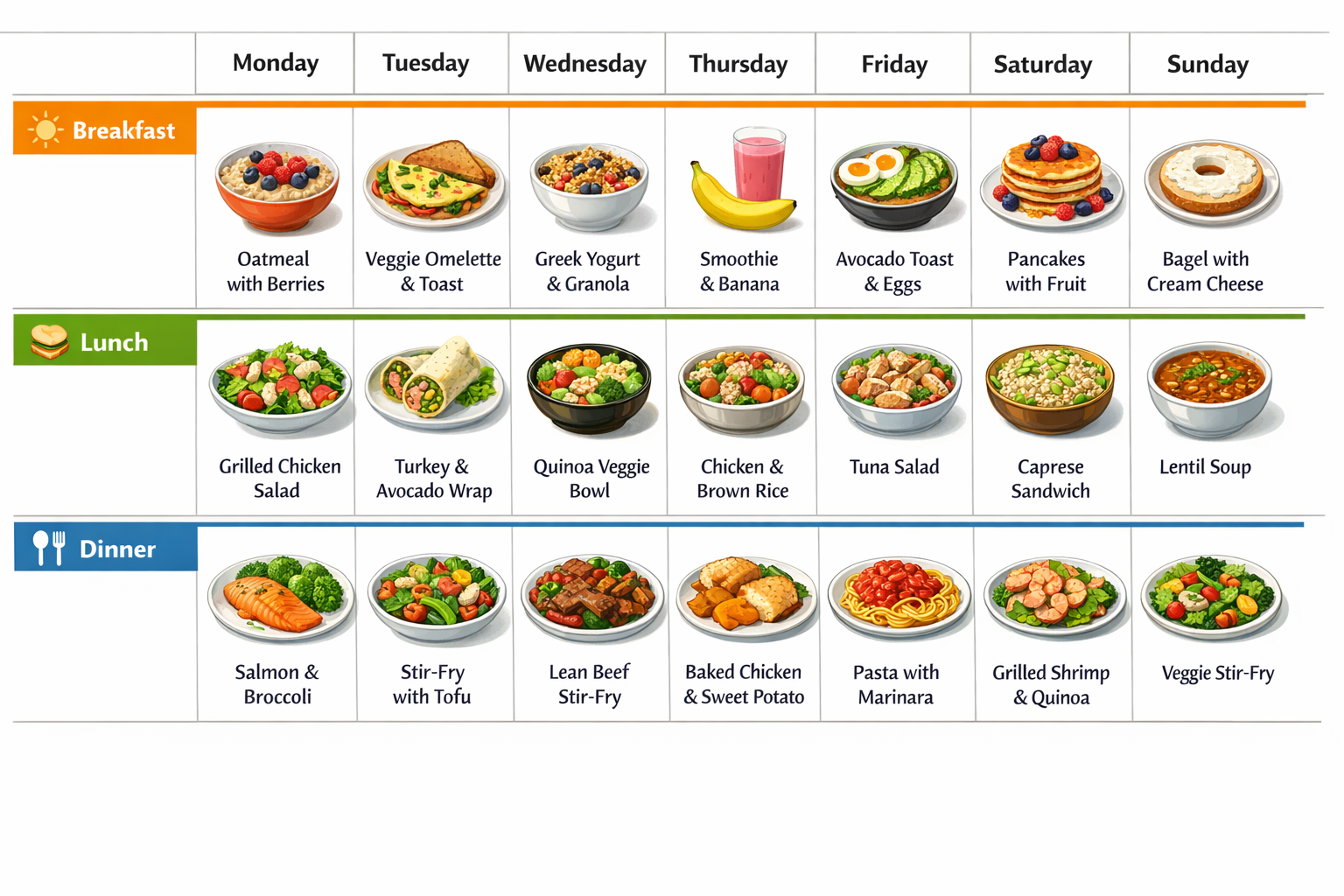
A structured 7-day plan removes decision fatigue and helps you stay consistent during the strictest phase of the diet. The plan below reflects Phase 1 principles — high protein, very low refined carbs, abundant vegetables, and controlled portions.
Day 1
- Breakfast: Scrambled egg whites with spinach and a small portion of plain Greek yogurt
- Lunch: Large mixed-green salad with grilled chicken breast, cucumber, tomato, and a drizzle of olive oil and lemon
- Dinner: Baked white fish with steamed broccoli and zucchini
- Snack: A small handful of blueberries or a celery stick with a tablespoon of almond butter
Day 2
- Breakfast: Overnight oats made with skim milk, chia seeds, and a few raspberries (small portion)
- Lunch: Lentil soup with a side of leafy greens
- Dinner: Grilled turkey breast with roasted cauliflower and green beans
Day 3
- Breakfast: Plain Greek yogurt with a small serving of mixed berries
- Lunch: Chicken and vegetable stir-fry (no added sugar sauces) over a small portion of cauliflower rice
- Dinner: Baked salmon with asparagus and a side salad
Day 4
- Breakfast: Two boiled eggs with sliced cucumber and tomato
- Lunch: Turkey and vegetable soup (homemade, low sodium)
- Dinner: Grilled chicken breast with roasted bell peppers and a side of steamed spinach
Day 5
- Breakfast: Smoothie made with unsweetened almond milk, spinach, frozen berries, and a scoop of plain protein powder
- Lunch: Large salad with canned tuna (in water), mixed greens, avocado (small amount), and lemon dressing
- Dinner: Baked cod with roasted broccoli and a small serving of lentils
Day 6
- Breakfast: Egg white omelet with mushrooms, onion, and bell pepper
- Lunch: Chicken broth-based vegetable soup with a side of cucumber slices
- Dinner: Grilled chicken thigh (skin removed) with steamed green beans and a tomato salad
Day 7
- Breakfast: Plain Greek yogurt with chia seeds and a few strawberries
- Lunch: Mixed-green salad with grilled shrimp, cherry tomatoes, and olive oil dressing
- Dinner: Baked turkey meatballs with zucchini noodles and a light tomato sauce (no added sugar)
Daily non-negotiables throughout the week:
- Drink at least 8–10 glasses of water
- Avoid all alcohol, sugary drinks, and processed snacks
- Keep dinner portions moderate — the liver is more metabolically active in the morning and midday
What Are the Real Benefits of the Liver Shrinking Diet?
The liver shrinking diet delivers several documented benefits, particularly for people with fatty liver disease or those preparing for bariatric surgery. Here’s what the evidence and clinical practice actually support.
1. Reduced liver volume before surgery
Multiple studies cited in bariatric surgery literature confirm that a pre-operative low-calorie, low-carbohydrate diet significantly reduces liver volume within two to four weeks, improving surgical access and reducing operative complications.
2. Reduction in liver fat (hepatic steatosis)
Calorie restriction and carbohydrate reduction are among the most effective dietary interventions for reducing intrahepatic fat. This is particularly relevant for the estimated 25% of the global adult population living with NAFLD (World Journal of Gastroenterology, 2022).
3. Weight loss
The combination of calorie restriction and glycogen depletion produces rapid initial weight loss — partly water weight in the first week, followed by genuine fat loss. Sustainable fat loss typically follows in subsequent weeks.
4. Improved insulin sensitivity
Reducing refined carbohydrate intake lowers chronic insulin exposure, which can improve insulin sensitivity over time. This is meaningful for people with prediabetes or type 2 diabetes, who also tend to have higher rates of NAFLD.
5. Reduced liver inflammation
Eliminating processed foods, added sugars, and alcohol reduces inflammatory load on the liver, which supports long-term liver function.
For a broader look at how diet affects systemic inflammation, the anti-inflammatory foods guide covers the evidence in useful detail.
What Are the Risks and Limitations of the Liver Shrinking Diet?
The liver shrinking diet is not without drawbacks, and it’s not appropriate for everyone. Understanding the limitations helps you approach it safely.
Potential risks:
- Nutrient deficiencies: Severely restricted calorie intake over multiple weeks can lead to deficiencies in B vitamins, iron, magnesium, and zinc if the diet isn’t carefully planned.
- Muscle loss: Without adequate protein intake (typically 60–80g per day minimum, though individual needs vary), calorie restriction can cause muscle breakdown alongside fat loss.
- Fatigue and brain fog: The first few days of carbohydrate restriction often produce fatigue, headaches, and difficulty concentrating as the body adapts to lower glycogen availability.
- Gallstone risk: Rapid weight loss is a known risk factor for gallstone formation. People with a history of gallbladder issues should discuss this with their doctor.
- Not suitable for long-term strict adherence: The induction phase is intentionally short-term. Staying in a severe calorie deficit indefinitely is neither safe nor sustainable.
Edge case: People with advanced cirrhosis or liver failure have different nutritional needs — they often require more calories and protein, not less. The liver shrinking diet as described here is not appropriate for this group without significant medical modification.
If you’re looking for sustainable long-term weight management strategies beyond the initial phase, these proven weight-loss techniques offer practical approaches that complement the maintenance phase.
How Does the Liver Shrinking Diet Compare to Other Low-Carb Diets?
The liver shrinking diet shares features with several popular eating plans but has a distinct clinical focus. Here’s how it compares.
| Feature | Liver Shrinking Diet | Keto Diet | Intermittent Fasting | Mediterranean Diet |
|---|---|---|---|---|
| Primary goal | Reduce liver size/fat | Ketosis for fat burning | Calorie control via timing | Long-term heart/metabolic health |
| Carb restriction | Moderate to high | Very high (under 20–50g/day) | Varies | Moderate |
| Fat intake | Low to moderate | Very high | Varies | Moderate (healthy fats) |
| Protein | High | Moderate | Varies | Moderate |
| Alcohol | Eliminated | Mostly avoided | Varies | Small amounts permitted |
| Clinical use | Pre-bariatric surgery, NAFLD | Weight loss, epilepsy management | Weight loss, metabolic health | Cardiovascular disease prevention |
| Duration | 2–6 weeks (strict phase) | Ongoing | Ongoing | Lifelong |
Choose the liver shrinking diet if: You’re preparing for bariatric surgery, you’ve been diagnosed with fatty liver disease, or you want a structured short-term protocol with a specific clinical rationale.
Choose a Mediterranean-style approach if: You’re looking for a long-term sustainable eating pattern with strong evidence for heart and metabolic health.
Practical Tips for Making the Liver Shrinking Diet Work
These are the details that most guides skip over — and they make a significant difference in outcomes.
Meal prep on Sundays. The biggest obstacle to staying on this diet is convenience. Grilled chicken, roasted vegetables, and pre-washed salad greens stored in the fridge remove the temptation to grab something processed when you’re hungry and short on time.
Prioritize protein at every meal. Protein is the most satiating macronutrient and the most important for preventing muscle loss during calorie restriction. Aim for a palm-sized portion of lean protein at breakfast, lunch, and dinner.
Don’t underestimate hydration. The liver uses water to process and eliminate toxins. Dehydration slows this process. Eight to ten glasses of water daily is a reasonable target, and herbal teas count toward that total. Pairing hydration with detox teas can support the process, though water remains the foundation.
Track your food for the first week. Not obsessively, but enough to understand where hidden sugars and carbohydrates are sneaking in. Many people are surprised to find sugar in salad dressings, condiments, and flavored yogurts.
Manage the first-week fatigue. The transition into low-carbohydrate eating often causes temporary fatigue, headaches, and irritability — sometimes called “carb flu.” This typically resolves within three to five days. Staying hydrated and maintaining electrolyte intake (sodium, potassium, magnesium) helps.
Don’t skip meals to accelerate results. Skipping meals often leads to overeating later and can increase cortisol levels, which promotes fat storage. Three structured meals with one small snack is more effective than irregular eating.
For guidance on building a healthier relationship with food alongside dietary changes, mindful eating strategies address the behavioral side of sustainable diet change.
Frequently Asked Questions
How long does the liver shrinking diet take to work?
Most people see measurable liver size reduction within two to four weeks of following the diet consistently. The first week produces the most dramatic change due to glycogen and water depletion, followed by slower but more sustained fat loss in subsequent weeks.
Can I do the liver shrinking diet without a doctor’s supervision?
For healthy adults without liver disease or other metabolic conditions, a modified version of the diet is generally safe for short periods. However, if you have any diagnosed health condition — especially liver disease, diabetes, or kidney issues — medical supervision is strongly recommended before starting.
How much weight can I expect to lose?
Weight loss varies considerably. In the first week, 4–8 pounds is common, though a significant portion is water weight from glycogen depletion. Over a full two to four week protocol, 8–15 pounds of total weight loss is a reasonable estimate for many people, though individual results depend on starting weight, adherence, and metabolic factors.
Is the liver shrinking diet the same as a detox diet?
No. The liver shrinking diet has a specific clinical mechanism (glycogen depletion and hepatic fat reduction) and is used in medical contexts. “Detox diets” are a broad, often unscientific category. The liver shrinking diet is more structured and evidence-informed than most commercial detox programs.
Can I exercise while on the liver shrinking diet?
Light to moderate exercise — walking, swimming, gentle cycling — is generally fine and beneficial. Intense exercise during the induction phase may be difficult due to reduced carbohydrate availability for energy. Listen to your body and reduce intensity if you feel lightheaded or excessively fatigued.
What happens if I cheat during the induction phase?
A single deviation won’t ruin the diet, but it does partially refill glycogen stores, which slows liver shrinkage. The more significant concern is that cheating during the induction phase often makes cravings worse, not better. Consistency in the first two weeks produces the best results.
Is alcohol ever allowed on this diet?
No — not during the active phases. The liver prioritizes metabolizing alcohol above all other functions, including fat breakdown. Even small amounts of alcohol directly counteract the diet’s mechanism. Alcohol should be reintroduced only cautiously, if at all, during maintenance.
Can vegetarians or vegans follow the liver shrinking diet?
Yes, with planning. Plant-based protein sources like tofu, tempeh, legumes, and edamame can replace animal proteins. The key is ensuring adequate protein intake (at least 60g per day) and avoiding high-carbohydrate plant foods like starchy legumes in large quantities during the induction phase.
Does the liver shrinking diet help with non-alcoholic fatty liver disease (NAFLD)?
Yes. Calorie restriction, carbohydrate reduction, and elimination of added sugars are among the most evidence-supported dietary interventions for reducing liver fat in NAFLD. However, NAFLD management should be overseen by a hepatologist or gastroenterologist, as the condition exists on a spectrum of severity.
What should I eat after completing the liver shrinking diet?
Transition into the maintenance phase gradually. Reintroduce whole grains, a wider variety of fruits, and slightly higher calorie intake. Avoid returning to the processed food, added sugar, and alcohol patterns that likely contributed to liver fat accumulation in the first place. A Mediterranean-style eating pattern is a sensible long-term framework for many people after completing the diet.
References
- [Video] 5 Simple Ways to Nourish and Protect Your Liver. YouTube.
- Hodson L, et al. Dietary interventions for non-alcoholic fatty liver disease. Annual Review of Nutrition, 2022.
- Schwenger KJP, et al. The role of diet in non-alcoholic fatty liver disease. Current Opinion in Clinical Nutrition, 2019.
- Romero-Gomez M, et al. Diet and fatty liver: current evidence. Nutrients, 2019.
- NIDDK. Eating, Diet, and Nutrition for NAFLD and NASH. NIH, 2021.
📂 Diet Frameworks
This article is part of the APH cluster. Use the links below to move between the pillar and child articles.
- Read the pillar: The Comprehensive Guide to Modern Diets: What Actually Works in 2026
- → The Carnivore Diet: A Complete Evidence-Based Guide
- → Elimination Diet: A Step-by-Step Guide to Identifying Food Sensitivities
- → Intermittent Fasting for Beginners: A Practical Evidence-Based Guide
- → Metabolic Flexibility: Train Your Body to Burn Fat for Fuel — A Practical Guide to the Metabolic Flexibility Diet
- → Vegan Diet Weight Loss: What the Evidence Actually Shows
- → The Complete Guide to Mediterranean Food: Dishes, Health Benefits, and What to Eat
- → Low Carb Diet for Weight Loss
- → The Ultimate Seasonal Eating Guide: Nourish Your Body Naturally Year-Round
- YOU ARE HERE The Ultimate Guide to the Liver Shrinking Diet (2026)