How Food Additives Affect Your Gut Microbiome Health
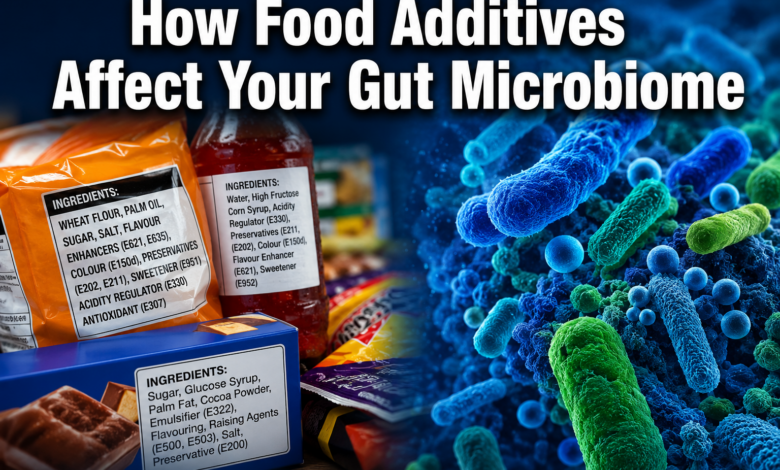
The average American consumes over 60 pounds of food additives each year—chemicals that didn’t exist in our food supply just decades ago. While these substances keep our processed foods stable, colorful, and shelf-stable, emerging research reveals they may be quietly reshaping the trillions of bacteria living in our digestive tract. Understanding how food additives gut microbiome health connections work isn’t just academic curiosity—it’s becoming essential knowledge for anyone who wants to make informed choices about what they eat.
Let’s keep this practical. Your gut microbiome—the complex ecosystem of bacteria, fungi, and other microorganisms in your digestive system—plays a crucial role in everything from immune function to mood regulation. When certain food additives disrupt this delicate balance, the effects can ripple through your entire body in ways we’re only beginning to understand. This article is part of our Modern Food Processing & Gut Chemistry cluster, where we explore how modern food processing affects gut health and nutrient quality.
In this article
Key Takeaways
- Emulsifiers like polysorbate 80 and carboxymethylcellulose can thin the protective mucus layer in your gut, potentially allowing harmful bacteria to reach intestinal walls
- Artificial sweeteners may alter gut bacteria composition, with some studies showing reduced beneficial bacteria populations after regular consumption
- Thickeners and stabilizers such as carrageenan have been linked to intestinal inflammation in animal studies, though human data remains limited
- Reading ingredient labels becomes essential—many additives appear under multiple names, making identification challenging
- The strongest evidence points to cumulative effects rather than single-exposure problems, making consistent dietary choices more important than perfect avoidance
Emulsifiers: What They Do and Why They Matter
Emulsifiers keep oil and water mixed together in processed foods—think of how mayonnaise stays creamy or how ice cream maintains its smooth texture. The most common ones you’ll encounter are polysorbate 80, carboxymethylcellulose, and soy lecithin. In plain English, these chemicals act like molecular glue, binding ingredients that would naturally separate.
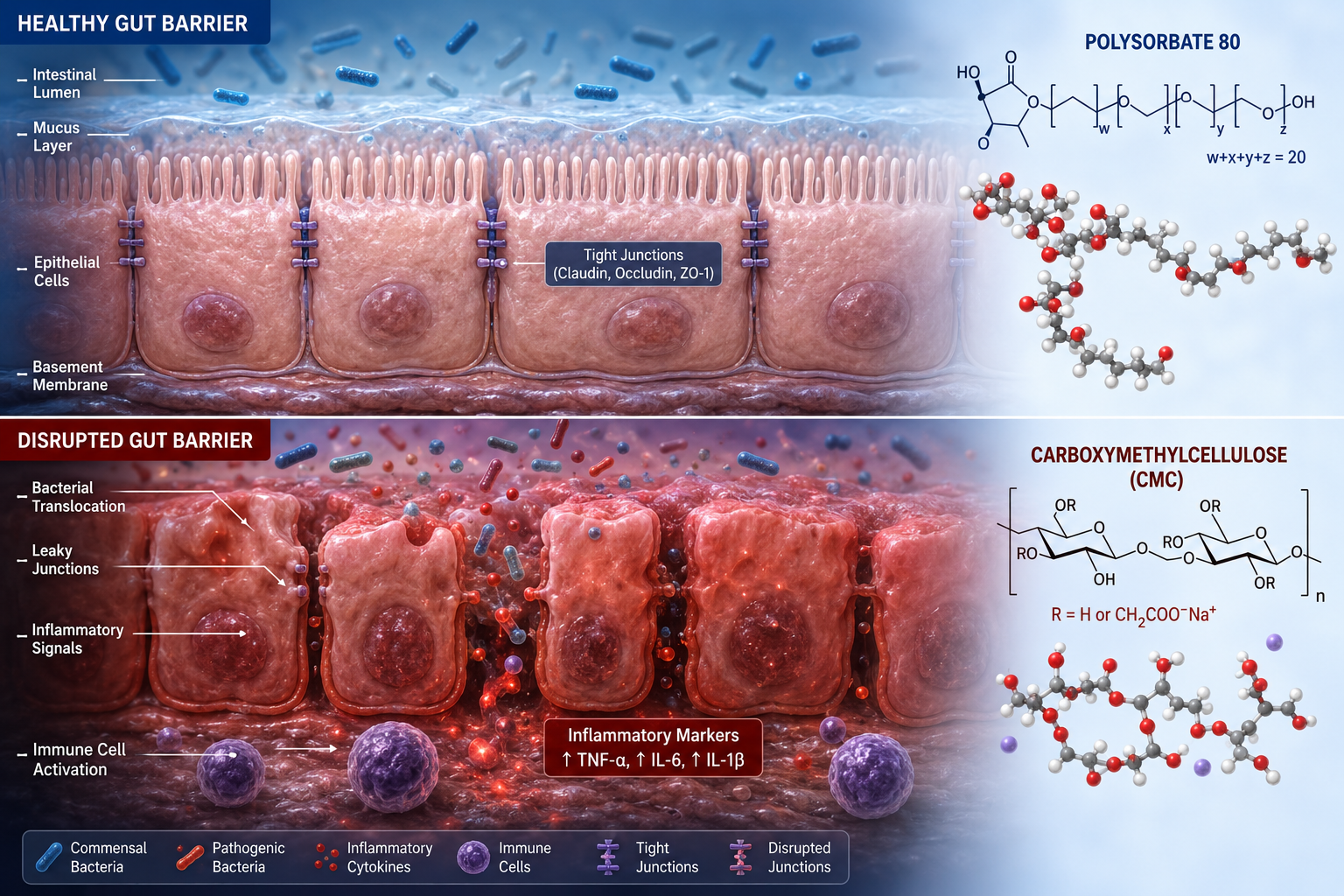
Here’s the real issue: your gut wasn’t designed to handle these synthetic emulsifiers in the quantities we now consume. Research suggests they can thin the protective mucus layer that lines your intestinal wall. This mucus barrier normally keeps harmful bacteria at a safe distance from your gut lining. When emulsifiers compromise this barrier, bacteria can migrate closer to intestinal cells, potentially triggering inflammatory responses.
Polysorbate 80 appears in everything from ice cream to vitamins. Studies in mice show it can reduce beneficial bacteria like Lactobacillus while increasing potentially harmful species. The mechanism appears to involve changes in bacterial metabolism and increased intestinal permeability.
Carboxymethylcellulose (CMC) serves as a thickener in many processed foods. Laboratory research indicates it may promote the growth of bacteria that can degrade the protective mucus layer, essentially weakening your gut’s first line of defense.
Soy lecithin is perhaps the most ubiquitous emulsifier, found in chocolate, baked goods, and supplements. While generally considered safer than synthetic alternatives, some individuals report digestive sensitivity, and its effects on gut bacteria populations remain under investigation.
What matters most is this: these additives don’t just pass through your system unchanged. They interact with your gut bacteria in ways that can shift the entire microbial ecosystem. The evidence suggests that regular consumption may gradually alter which bacterial species thrive in your digestive tract.
The connection between how processed food affects gut health extends beyond just emulsifiers, but these compounds represent some of the most concerning additives when it comes to microbiome disruption.
Artificial Sweeteners: Calorie-Free but Not Consequence-Free
Artificial sweeteners promise the sweetness of sugar without the calories, but the bargain may come with hidden costs to your gut microbiome health. The main players—sucralose, saccharin, and aspartame—each interact with gut bacteria in distinct ways that researchers are still mapping out.
Sucralose (found in Splenda and many “sugar-free” products) has shown the most concerning effects in recent studies. Research indicates it can reduce beneficial bacteria populations by up to 50% in some individuals. The mechanism isn’t fully understood, but sucralose appears to have antimicrobial properties that don’t discriminate between harmful and helpful bacteria.
Saccharin (Sweet’N Low) was one of the first artificial sweeteners to show clear microbiome effects in controlled studies. Participants who consumed saccharin for just one week showed measurable changes in gut bacteria composition, with some developing glucose intolerance—ironically, the very condition these sweeteners are meant to help avoid.
Aspartame (Equal, NutraSweet) breaks down into several compounds during digestion, including methanol and aspartic acid. While the direct effects on gut bacteria appear less dramatic than sucralose or saccharin, some studies suggest it may still alter bacterial diversity over time.
The numbers matter here. Most studies showing significant microbiome changes used doses equivalent to consuming 2-4 diet sodas daily or multiple artificially sweetened products. Occasional use likely poses minimal risk, but regular consumption may gradually shift your bacterial ecosystem in ways that could affect metabolism and immune function.
I would be careful with the claim that artificial sweeteners are completely safe simply because they’re calorie-free. The gut microbiome represents a complex system where even small changes can have cascading effects. Based on current evidence, if you’re trying to support gut health and digestive wellness, minimizing artificial sweetener consumption appears to be a sensible approach.
More is not always better when it comes to sweet taste, whether from sugar or substitutes. Your taste buds can adapt to less sweetness over time, potentially reducing cravings for both sugar and artificial alternatives.
Thickeners and Stabilisers: Carrageenan, Xanthan Gum, Maltodextrin
Food manufacturers use these additives to create the textures we expect in processed foods—the creaminess in non-dairy milk, the smooth consistency in sauces, and the satisfying mouthfeel in low-fat products. While they serve clear functional purposes, their effects on food additives gut microbiome health deserve closer examination.
Carrageenan comes from seaweed and appears in many organic and “natural” products, which can create a false sense of security. The problem isn’t its natural origin—it’s how your gut bacteria respond to it. Animal studies consistently show that carrageenan can trigger intestinal inflammation, even at doses similar to typical human consumption levels.
The inflammatory response appears to involve both direct irritation of intestinal cells and changes in bacterial populations. Some gut bacteria can break down carrageenan into compounds that may promote inflammation. While human studies remain limited, the animal data is concerning enough that some researchers recommend avoiding it, particularly for individuals with existing digestive issues.
Xanthan gum presents a more complex picture. This fermentation-derived thickener can actually serve as a prebiotic for some beneficial bacteria, potentially supporting gut health. However, it can also cause digestive upset in sensitive individuals, particularly at higher doses. The key seems to be individual tolerance and consumption levels.
Maltodextrin deserves special attention because it’s everywhere—sports drinks, processed snacks, even some supplements. Despite being derived from starch, maltodextrin can significantly alter gut bacteria composition. Studies suggest it may reduce beneficial bacteria like Bifidobacterium while promoting the growth of potentially harmful species like certain E. coli strains.
The mechanism involves maltodextrin’s rapid absorption in the small intestine, which can create an environment that favors fast-growing, potentially problematic bacteria over the slower-growing beneficial species that support long-term health.
From a practical point of view, these additives rarely appear alone. A single processed food might contain multiple thickeners and stabilizers, creating additive effects that haven’t been well studied. The research typically examines one compound at a time, but real-world exposure involves complex mixtures.
Understanding how these compounds affect your gut becomes more important when you consider their connection to anti-inflammatory foods for health. While you’re working to include beneficial foods, these additives may be working against those efforts by promoting inflammation and bacterial imbalance.
How These Additives Affect the Gut Barrier
Your intestinal lining represents one of your body’s most important barriers—a single layer of cells that must allow nutrients to pass through while keeping harmful substances out. When food additives compromise this barrier function, the consequences extend far beyond digestive discomfort.
The gut barrier consists of several components working together: the mucus layer, tight junctions between cells, and the immune system stationed just beneath the intestinal lining. Food additives can disrupt each of these protective mechanisms through different pathways.
Mucus layer disruption represents the most immediate concern. Emulsifiers like polysorbate 80 can thin this protective coating, allowing bacteria to migrate closer to intestinal cells. Think of it like removing the protective coating from your stomach lining—suddenly, things that should stay at a safe distance can cause direct irritation.
Tight junction compromise occurs when additives affect the proteins that seal the spaces between intestinal cells. When these junctions become “leaky,” larger molecules that normally can’t cross the barrier may enter the bloodstream, potentially triggering immune responses. Some research suggests certain emulsifiers and artificial sweeteners may contribute to this increased permeability.
Bacterial translocation becomes possible when barrier function fails. Normally, gut bacteria stay confined to the intestinal tract. When the barrier weakens, bacteria or bacterial components may cross into sterile areas of the body, activating immune responses that can contribute to systemic inflammation.
The evidence suggests these effects build over time rather than occurring immediately. A single exposure to problematic additives likely won’t cause lasting harm, but regular consumption may gradually weaken barrier function in susceptible individuals.
Individual variation plays a crucial role here. Some people appear more sensitive to additive-induced barrier disruption, possibly due to genetic differences, existing gut bacteria composition, or underlying health conditions. This helps explain why some individuals report significant digestive improvements when avoiding certain additives while others notice little difference.
The connection to the gut brain axis becomes relevant because barrier dysfunction can affect the signals traveling between your digestive system and brain. When the gut barrier is compromised, inflammatory compounds may influence mood, cognitive function, and stress responses.
Context matters when evaluating these risks. If you’re already dealing with digestive issues, autoimmune conditions, or chronic inflammation, protecting gut barrier function becomes more critical. For healthy individuals, occasional exposure to these additives within a generally whole-food diet likely poses minimal risk.
Practical Guide: Reading Labels and Making Choices
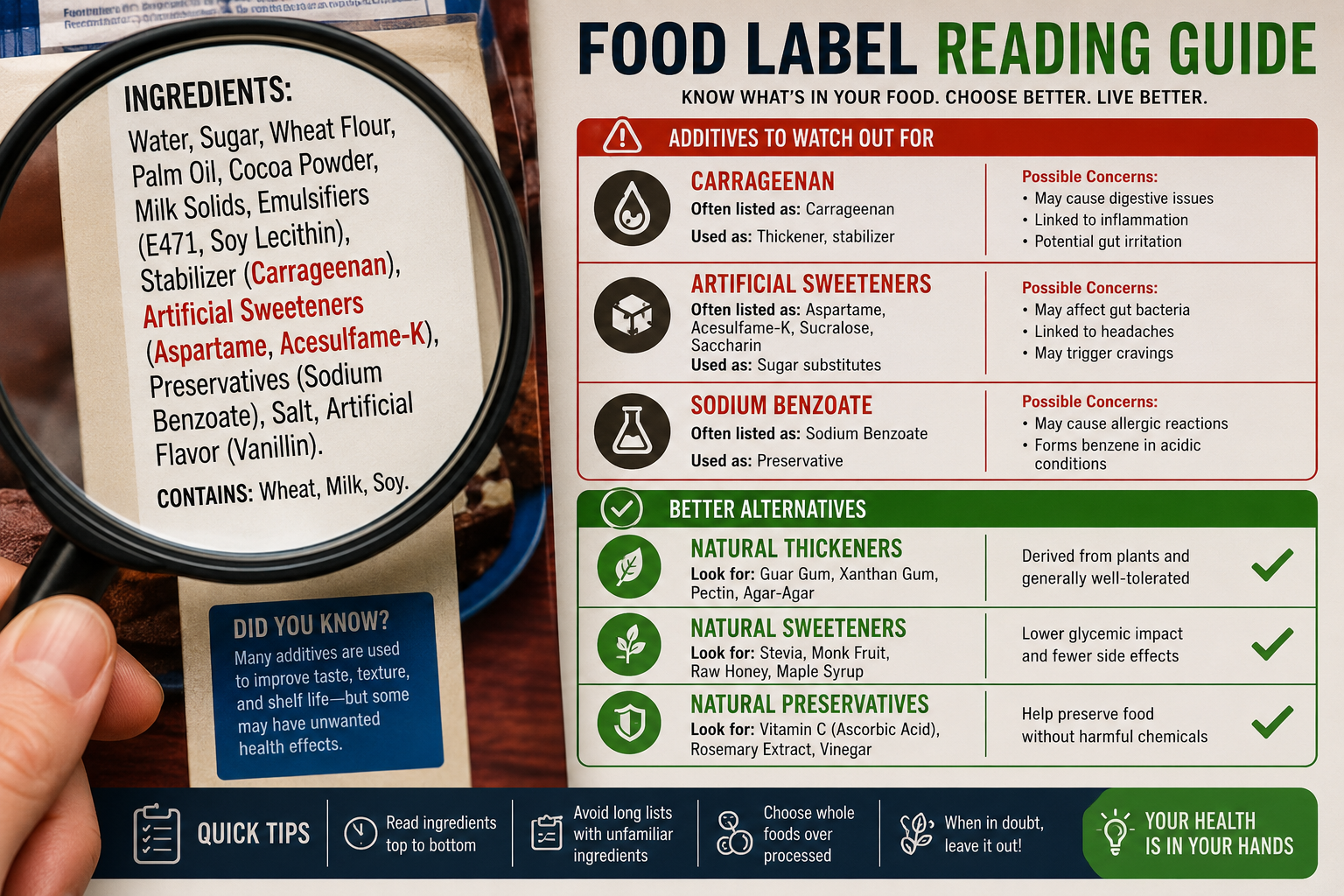
Navigating food labels requires understanding that additives often hide behind multiple names and that “natural” doesn’t automatically mean gut-friendly. Let’s keep this practical with strategies that actually work in real-world shopping situations.
Start with the ingredient list length. Foods with more than 10-15 ingredients typically contain multiple additives. While this isn’t a hard rule, it’s a useful screening tool when you’re short on time. The longer the list, the more likely you’ll encounter gut-disrupting compounds.
Learn the common names and aliases:
- Emulsifiers: Polysorbate 80, carboxymethylcellulose, mono- and diglycerides, soy lecithin
- Artificial sweeteners: Sucralose, saccharin, aspartame, acesulfame potassium
- Thickeners: Carrageenan, xanthan gum, guar gum, maltodextrin
Watch for “natural flavor” listings. This catch-all term can include dozens of compounds, some of which may affect gut bacteria. While not all natural flavors are problematic, their vague labeling makes it impossible to know what you’re actually consuming.
Prioritize your efforts. You don’t need to achieve perfect avoidance to see benefits. Focus on the foods you eat most frequently—your daily coffee creamer, regular snacks, or go-to convenience foods. Small changes in high-frequency items often matter more than occasional indulgences.
Consider the dose and frequency. A small amount of xanthan gum in an occasional gluten-free treat likely won’t disrupt your gut microbiome. Regular consumption of multiple additive-containing foods throughout the day presents a different risk profile.
Simple substitution strategies:
- Replace artificially sweetened beverages with sparkling water and fresh fruit
- Choose plain yogurt and add your own fruit instead of pre-flavored versions
- Select minimally processed alternatives when available—real butter instead of margarine, whole foods instead of “health” bars
The simplest way to look at it is this: the closer your food is to its original form, the fewer additives it will contain. This doesn’t mean you need to avoid all processed foods, but it does mean being more selective about which ones you choose regularly.
Supporting your gut health goes beyond just avoiding problematic additives. Including prebiotic foods to feed your gut microbiome can help maintain bacterial diversity even when some additive exposure is unavoidable.
Budget-friendly approaches work just as well as expensive alternatives. Dried beans cost less than canned versions with additives. Plain oats beat flavored instant packets. Frozen vegetables without sauces provide the same nutrition as fresh at a lower cost.
A sensible starting point is replacing one heavily processed item per week with a simpler alternative. This gradual approach allows your taste preferences to adapt while making the changes sustainable long-term.
📂 Modern Food Processing & Gut Chemistry
This article is part of the APH cluster. Use the links below to move between the pillar and child articles.
- Read the pillar: Modern Food Processing and Gut Health: How Processed Food Affects Gut Chemistry
- → Ultra-Processed Foods, Emulsifiers, and Microplastics: What They Really Do to Your Gut
- → Fermented Foods vs Probiotics vs Postbiotics: What Actually Survives Digestion?
- → Resistant Starch and Prebiotic Fiber: How Carbs Feed Your Gut Microbiome
- → The Hidden Dangers of Reusing Cooking Oil: What You Need to Know This August 2026
- → Beef Tallow vs. Seed Oil: Which is Healthier for Cooking in 2026?
- → Industrial Seed Oil Processing: What Happens Before It Hits the Shelf
- YOU ARE HERE How Food Additives Affect Your Gut Microbiome Health
- → What Modern Processing Does to Food Proteins and Starches
- → Food Preservatives Health Effects: What’s Really in Your Food and Why It Matters
- → Major US Study Links Ultra-Processed Foods to Heart Attack Risk in July 2026
FAQ
Do all food additives harm gut bacteria?
No, not all additives affect gut bacteria equally. Some, like certain fiber-based thickeners, may actually support beneficial bacteria. The main concerns center on specific emulsifiers, artificial sweeteners, and inflammatory compounds like carrageenan. Natural additives aren’t automatically safer, but synthetic emulsifiers and sweeteners show the most consistent negative effects in research.
How quickly can I expect to see changes if I reduce additive consumption?
Gut bacteria populations can shift within days to weeks, but noticeable health improvements typically take 2-4 weeks of consistent dietary changes. Some people report digestive improvements within a few days of avoiding problematic additives, while others need several weeks to notice differences in energy, mood, or digestive comfort.
Are organic processed foods better for gut health?
Organic processed foods avoid synthetic additives but may still contain natural ones that affect gut bacteria. Carrageenan, for example, appears in many organic products. Organic certification focuses on pesticide and GMO avoidance rather than gut microbiome impact. Read labels carefully regardless of organic status.
Can probiotics offset the negative effects of food additives?
Probiotics may help maintain bacterial diversity, but they’re not a complete solution for additive-induced gut disruption. Some additives directly damage the intestinal barrier, which probiotics alone can’t repair. Think of probiotics as supportive rather than protective—they work best alongside dietary improvements rather than as a substitute for them.
Which additives should I prioritize avoiding if I can’t eliminate them all?
Focus on artificial sweeteners (especially sucralose), emulsifiers like polysorbate 80 and carboxymethylcellulose, and carrageenan. These show the most consistent negative effects on gut bacteria and barrier function. Occasional exposure to other additives like xanthan gum or natural flavors likely poses less risk for most people.
Is it worth switching to additive-free foods if they’re more expensive?
Start with the foods you consume most frequently rather than trying to replace everything at once. Often, simple whole foods cost less than processed alternatives—dried beans versus canned, plain yogurt versus flavored, or whole fruits versus fruit snacks. Focus your budget on replacing high-frequency processed items first, where you’ll get the biggest impact for your investment.
Conclusion
The relationship between food additives gut microbiome health represents one of the most important nutritional discoveries of recent decades. While we don’t yet understand every mechanism, the evidence clearly shows that certain additives—particularly emulsifiers, artificial sweeteners, and inflammatory compounds—can significantly alter the bacterial ecosystem in your digestive tract.
The main takeaway is this: you don’t need perfect avoidance to protect your gut health, but you do need awareness. Understanding which additives pose the greatest risks allows you to make informed choices about where to focus your efforts and budget.
Start with what gives the biggest return—replacing the processed foods you eat most frequently with simpler alternatives. Read ingredient lists with new eyes, looking specifically for the compounds we’ve discussed. Remember that small, consistent changes often matter more than dramatic overhauls that prove unsustainable.
Your gut microbiome represents a complex ecosystem that responds to the cumulative effects of your dietary choices over time. By reducing exposure to problematic additives while including foods that support beneficial bacteria, you’re investing in long-term health benefits that extend far beyond digestion.
The basics still do the heavy lifting here—choose whole foods when possible, read labels carefully, and prioritize consistency over perfection. Your gut bacteria will adapt to support the dietary pattern you maintain most consistently, making your everyday choices more important than occasional indulgences.
About the author
Dave James is a health researcher and writer specialising in evidence-based nutrition, exercise, and longevity. He founded All Perfect Health to provide clear, practical health guidance rooted in current research and real-world experience.