The Best Weight Loss Diet in 2026: A Science-Backed Guide to Every Major Approach
Last updated: April 8, 2026
Quick Answer: The best weight loss diet is the one you can sustain long enough to see results — but that’s not a cop-out. Research consistently shows that diets high in protein and low in ultra-processed foods produce the most reliable fat loss across different body types. The right choice depends on your metabolic health, food preferences, lifestyle, and whether you have any underlying conditions. This guide breaks down every major approach so you can make an informed decision.
Key Takeaways
- No single diet works for everyone, but high-protein, whole-food approaches have the strongest evidence base for sustained fat loss.
- Protein is the most important macronutrient for weight loss — it reduces hunger, preserves muscle, and stabilizes blood sugar.
- The Mediterranean diet has the most consistent long-term health evidence, including reduced cardiovascular risk and metabolic improvement.
- Ketogenic and low-carb diets produce faster initial weight loss, largely from water and glycogen depletion, but long-term results depend on adherence.
- Intermittent fasting works primarily by reducing overall calorie intake, not through any metabolic “magic window.”
- The carnivore diet eliminates most processed food, which explains many reported benefits — but it carries real nutritional risks if not managed carefully.
- Vegan and vegetarian diets can support weight loss but require deliberate planning to avoid protein and micronutrient deficiencies.
- The biggest predictor of diet failure is not the diet itself — it’s poor adherence caused by restriction, hunger, or social incompatibility.
- Before starting any restrictive diet, consult a healthcare provider, especially if you have diabetes, heart disease, or kidney conditions.
- Combining a sustainable diet with regular physical activity produces significantly better outcomes than diet alone.
Why There Is No Single “Best” Weight Loss Diet
Expert insight: Dave Asprey. Dave Asprey is the founder of Bulletproof and host of The Human Upgrade. His evidence-based approach to protein quality, seed oil avoidance, and metabolic flexibility has helped redefine what makes a diet effective.
The honest answer is that no universally superior weight loss diet exists. What works depends on your starting point.
Your body composition matters significantly. According to research in the field of obesity medicine, people with a higher proportion of lean muscle mass tend to lose fat more efficiently than those with a higher fat-to-muscle ratio, because muscle tissue burns more calories at rest. This means two people eating the exact same diet can experience very different rates of weight loss.
Beyond body composition, your hormonal profile, gut microbiome, sleep quality, stress levels, and genetic variants all influence how your body responds to different macronutrient ratios. A 2020 study published in Cell found meaningful individual variation in blood sugar response to identical foods — meaning the “right” carbohydrate level genuinely differs from person to person.
What the evidence does agree on:
- Diets that reduce ultra-processed food intake consistently improve health markers, regardless of macronutrient split.
- Calorie balance remains the fundamental driver of fat loss — but hunger, hormones, and food quality all influence how easy or hard it is to maintain that balance.
- Protein intake above 1.2g per kilogram of body weight per day is consistently associated with better satiety and preserved muscle mass during weight loss.
- Adherence over 12+ months predicts outcome more reliably than any specific dietary protocol.
The sections below break down each major diet approach — what the evidence actually says, who it suits, and where it falls short.
How Does Protein Affect Weight Loss, and How Much Do You Need?
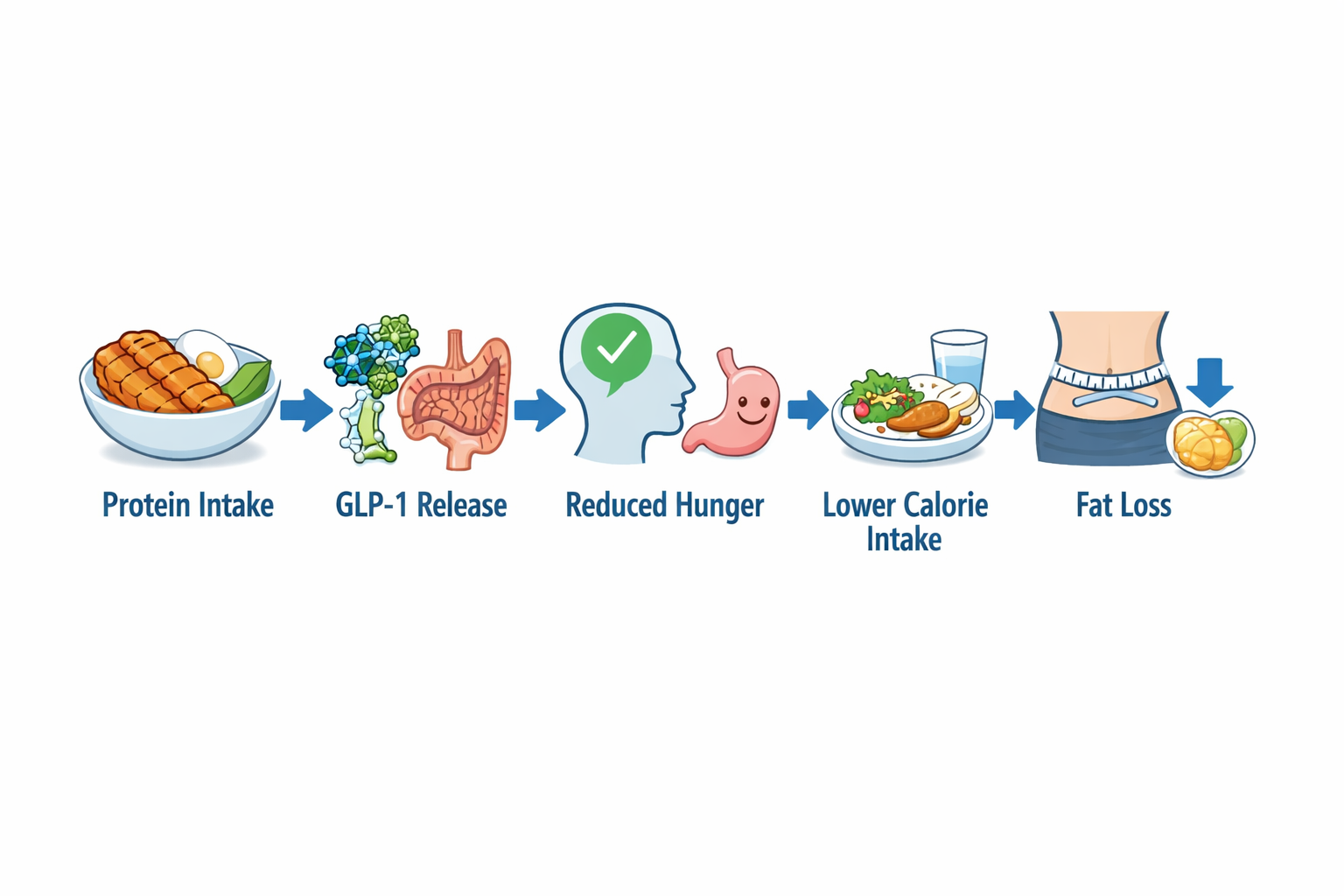
Protein is the single most important dietary lever for weight loss. It reduces appetite, preserves lean muscle during a calorie deficit, and has a higher thermic effect than carbohydrates or fat — meaning your body burns more calories just digesting it.
Here’s how the mechanism works: protein stimulates the release of satiety hormones including GLP-1 (glucagon-like peptide-1) and peptide YY, while suppressing ghrelin, the primary hunger hormone. The practical result is that higher-protein meals keep you fuller for longer, making it easier to eat less without feeling deprived.
How much protein do you actually need for weight loss?
- The general population baseline is 0.8g per kilogram of body weight per day — but this is a minimum for health, not an optimal target for fat loss.
- For active weight loss, most sports nutrition and dietetics guidelines recommend 1.2–1.6g per kilogram of body weight per day.
- For people doing resistance training while losing weight, 1.6–2.2g per kilogram is commonly recommended to preserve muscle mass.
- A 75kg (165lb) person aiming to lose fat should target roughly 90–120g of protein per day as a practical starting range.
Good protein sources across different diet types:
- Animal-based: chicken breast, eggs, Greek yogurt, salmon, lean beef, cottage cheese
- Plant-based: lentils, chickpeas, tofu, tempeh, edamame, hemp seeds, seitan
- Mixed: eggs remain one of the most complete and affordable protein sources regardless of dietary approach
For a deeper look at protein-focused eating, the high-protein diet for weight loss guide covers practical meal planning in detail.
Common mistake: People on low-calorie diets often under-eat protein while cutting calories, which leads to muscle loss rather than fat loss. The scale may move, but body composition worsens — and metabolic rate drops as a result.
What Is the Ketogenic Diet and Does It Actually Work for Weight Loss?
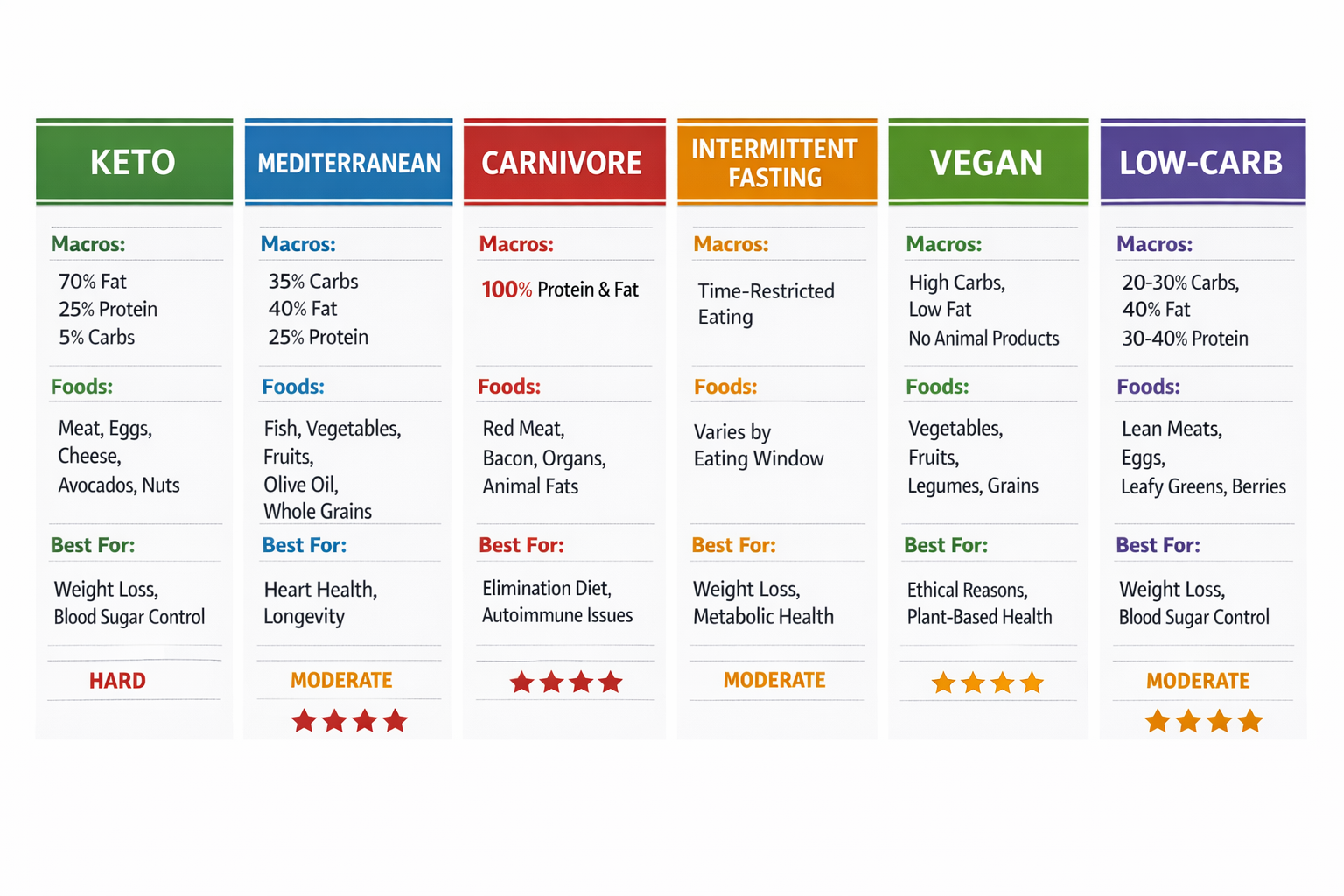
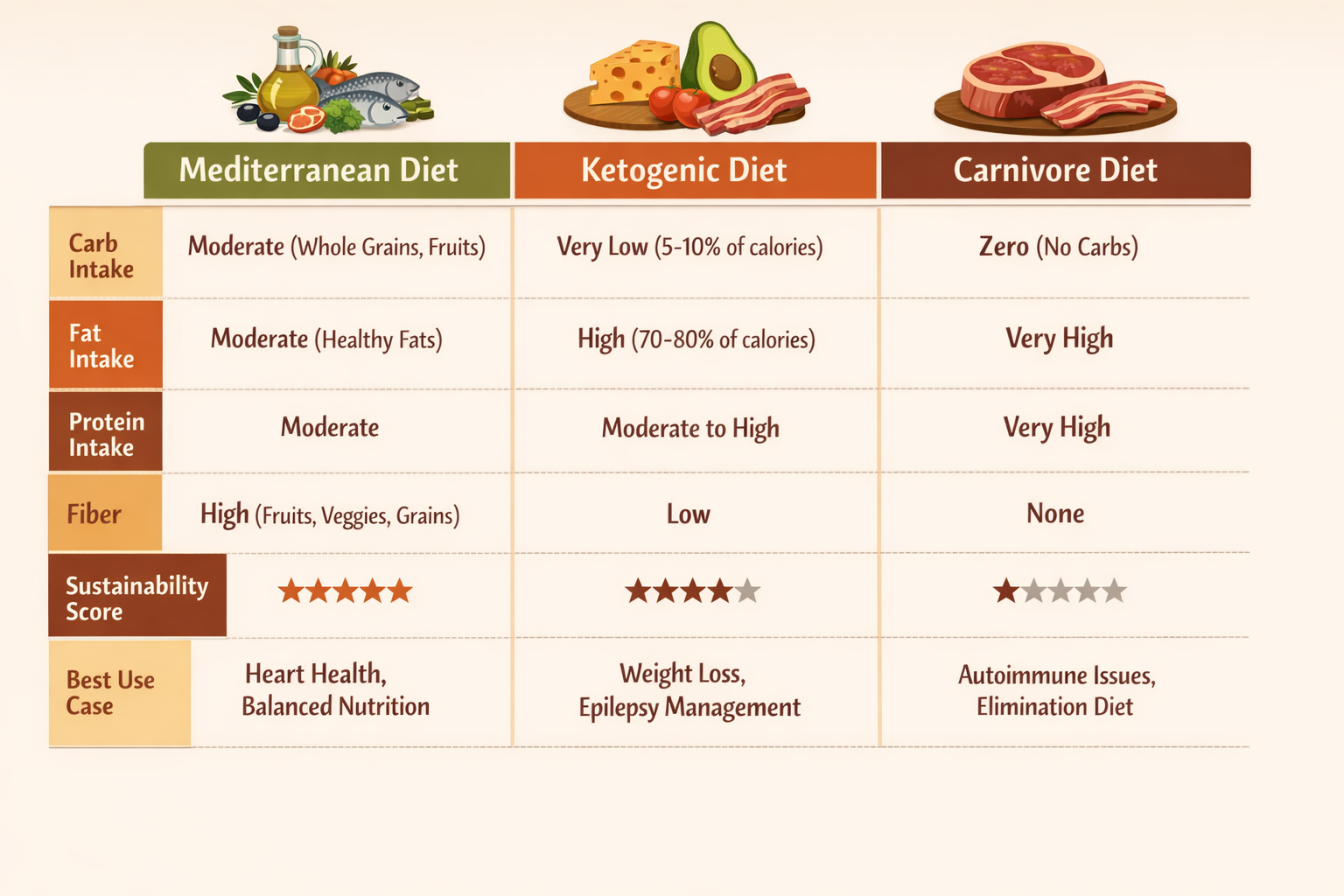
The ketogenic diet is a high-fat, moderate-protein, very low-carbohydrate eating pattern — typically 70–75% of calories from fat, 20–25% from protein, and under 5% from carbohydrates (usually under 20–50g of net carbs per day). The goal is to shift the body into a metabolic state called ketosis, where the liver converts fatty acids into ketone bodies that serve as the brain’s primary fuel source instead of glucose.
Does it work? Yes — with important caveats.
Studies show that ketogenic diets produce faster initial weight loss than low-fat diets, but much of the early loss (often 2–4kg in the first two weeks) is water weight from glycogen depletion, not fat. Over 12 months, most controlled trials show that keto and low-fat diets produce comparable fat loss when calories and protein are matched.
Where keto has a genuine advantage is in appetite suppression. Ketones appear to reduce ghrelin levels, and the high fat and protein content of typical keto meals delays gastric emptying — meaning people often eat less without consciously tracking calories.
Keto works well for:
- People with insulin resistance or type 2 diabetes (blood sugar control is often dramatically improved)
- Those who find fat and protein more satiating than carbohydrates
- People who prefer a simple, structured eating framework with clear “allowed” and “not allowed” foods
- Short-term fat loss before a specific event or goal
Keto is not ideal for:
- Endurance athletes who rely on glycogen for performance
- People with a history of disordered eating (the strict rules can be triggering)
- Those with kidney disease (higher protein load requires medical supervision)
- Anyone who finds social eating difficult — keto is hard to maintain at restaurants and family meals
The “keto flu” — fatigue, headaches, irritability, and brain fog in the first 1–2 weeks — is a real transition effect caused by electrolyte loss and glycogen depletion. It typically resolves within 7–14 days and can be reduced by increasing sodium, potassium, and magnesium intake.
For a practical breakdown of getting started, see this guide to the keto diet and the broader comprehensive guide to modern diets.
Is the Mediterranean Diet the Healthiest Long-Term Option?
The Mediterranean diet consistently ranks as the most evidence-supported dietary pattern for long-term health — and it also supports sustainable weight loss, though it’s less aggressive than keto or very low-calorie approaches in the short term.
The diet is based on the traditional eating patterns of countries bordering the Mediterranean Sea. It emphasizes:
- Abundant vegetables, fruits, legumes, and whole grains
- Olive oil as the primary fat source
- Fish and seafood at least twice per week
- Moderate amounts of poultry, eggs, and dairy
- Limited red meat (a few times per month)
- Moderate red wine (optional, and not a reason to start drinking)
- Very little processed food, added sugar, or refined grains
What the evidence shows:
The PREDIMED trial — one of the largest dietary intervention studies ever conducted, involving over 7,400 participants — found that a Mediterranean diet supplemented with extra-virgin olive oil or nuts reduced the risk of major cardiovascular events by approximately 30% compared to a low-fat control diet. This is among the most replicated findings in nutritional science.
For weight loss specifically, the Mediterranean diet produces moderate, steady results. It’s not designed as a rapid fat-loss protocol, but studies show it outperforms low-fat diets for long-term weight maintenance — the phase where most diets fail.
Why it works for sustainability:
- It doesn’t eliminate entire food groups, so it’s easier to maintain socially
- The high fiber content from vegetables, legumes, and whole grains supports gut health and satiety
- Healthy fats from olive oil and fish improve satiety and reduce inflammation
- The dietary pattern aligns with how most people already think about “healthy eating,” reducing psychological friction
The health benefits of olive oil — a cornerstone of this diet — are worth understanding in detail, as extra-virgin olive oil provides oleocanthal and oleic acid, compounds with well-documented anti-inflammatory properties.
Choose the Mediterranean diet if: You want a long-term eating pattern that supports heart health, metabolic health, and gradual weight loss without strict rules or food elimination.
How Does Intermittent Fasting Compare to Traditional Calorie Restriction?
Intermittent fasting (IF) is not a diet in the traditional sense — it’s a timing framework that determines when you eat, not specifically what you eat. The most common protocols are:
- 16:8 — Fast for 16 hours, eat within an 8-hour window (e.g., noon to 8pm). The most popular and easiest to maintain.
- 5:2 — Eat normally five days per week, restrict to approximately 500 calories on two non-consecutive days.
- OMAD (One Meal a Day) — Eat one large meal within a 1-hour window. More aggressive and harder to sustain.
- Alternate Day Fasting — Alternate between normal eating days and very low-calorie or full fast days.
Does intermittent fasting produce better weight loss than regular calorie restriction?
The short answer is: not significantly, when total calories are matched. A 2022 study published in the New England Journal of Medicine found that time-restricted eating (16:8) produced similar weight loss to continuous calorie restriction over 12 months. The primary mechanism is simply that restricting the eating window makes it easier for most people to eat fewer calories overall.
However, IF does offer some distinct advantages beyond calorie reduction:
- Simplified decision-making: Fewer meals means fewer opportunities to overeat or make poor food choices.
- Improved insulin sensitivity: Extended fasting periods lower circulating insulin levels, which may improve metabolic flexibility over time.
- Autophagy: Fasting periods trigger cellular cleanup processes that may have long-term health benefits, though the clinical significance for weight loss specifically is still being studied.
- No food tracking required: Many people find it psychologically easier to skip a meal than to count every calorie.
Who should avoid intermittent fasting:
- Pregnant or breastfeeding women
- People with a history of eating disorders
- Those with type 1 diabetes or who take insulin (fasting can cause dangerous blood sugar swings)
- People who experience significant energy crashes, irritability, or concentration problems when skipping meals
For a detailed protocol breakdown, the intermittent fasting for weight loss guide covers scheduling, what breaks a fast, and how to combine IF with different dietary approaches.
What Is the Carnivore Diet and Who Should Consider It?
The carnivore diet consists exclusively of animal-derived foods: meat, fish, eggs, and some dairy. All plant foods — fruits, vegetables, grains, legumes, nuts, and seeds — are eliminated. It’s the most restrictive mainstream dietary approach currently in circulation.
Why people report success on carnivore:
The most significant factor is the elimination of ultra-processed foods, refined sugars, and seed oils — foods that drive inflammation and overconsumption in the modern diet. When someone transitions from a typical Western diet to carnivore, they’re removing a massive amount of calorie-dense, nutrient-poor food. The weight loss and improved energy many people experience is largely attributable to this elimination effect.
Beyond that, the carnivore diet is extremely high in protein and fat, both of which are highly satiating. Many adherents report naturally eating less without tracking calories, because protein and fat suppress appetite effectively.
Potential benefits reported by carnivore adherents:
- Significant weight loss, particularly in those coming from high-carbohydrate diets
- Improved blood sugar stability and reduced insulin resistance
- Reduced digestive symptoms (some people with IBS or inflammatory bowel conditions report improvement when plant fiber is removed)
- Simplified meal planning — with a narrow food list, decision fatigue disappears
- Elimination of food sensitivities related to gluten, lectins, or oxalates
Nutritional concerns that deserve serious attention:
The carnivore diet does carry real risks that should not be minimized:
- Vitamin C: Fresh organ meats (particularly liver) contain small amounts of vitamin C, but the absence of fruits and vegetables makes deficiency a genuine risk over time, especially if meat is well-cooked (heat degrades vitamin C).
- Fiber: The complete absence of dietary fiber affects gut microbiome diversity. Some people adapt without issue; others experience persistent digestive problems. Long-term effects on gut health are not yet well-studied.
- Magnesium and potassium: These electrolytes are found in lower concentrations in animal foods compared to plant foods. Bone broth and seafood help, but supplementation is often needed.
- Cardiovascular risk: The impact of a very high saturated fat intake on cardiovascular risk remains debated. People with existing heart disease or familial hypercholesterolemia should approach this diet with medical supervision.
Choose carnivore if: You’ve tried multiple diets without success, you suspect food sensitivities to plant compounds, or you want a complete reset from processed food. Approach it as a short-to-medium-term experiment rather than a permanent lifestyle, and monitor blood markers regularly.
Avoid carnivore if: You have kidney disease, existing cardiovascular disease, or a history of gout. Always consult a physician before starting.
Are Vegan and Vegetarian Diets Effective for Weight Loss?
Plant-based diets — ranging from vegetarian (no meat) to fully vegan (no animal products) — can be highly effective for weight loss, but they require more nutritional planning than most people realize.
Why plant-based diets support weight loss:
- Plant foods are generally lower in calorie density than animal foods, meaning you can eat a larger volume of food for fewer calories.
- High fiber intake from vegetables, legumes, and whole grains promotes satiety and feeds beneficial gut bacteria.
- Eliminating meat and dairy often reduces intake of calorie-dense processed foods that are common in omnivorous diets.
A large 2017 meta-analysis published in the Journal of General Internal Medicine found that individuals assigned to vegetarian diets lost significantly more weight than those on non-vegetarian diets over an average follow-up period. Vegan diets produced the greatest weight loss within the plant-based category.
The nutritional gaps you need to plan for:
This is where many people on plant-based diets run into trouble. Key deficiencies to monitor and address:
- Vitamin B12: Found almost exclusively in animal products. Supplementation is non-negotiable for vegans and recommended for most vegetarians.
- Iron: Plant-based iron (non-heme iron) is less bioavailable than heme iron from meat. Pair iron-rich plant foods (lentils, spinach, tofu) with vitamin C to improve absorption.
- Omega-3 fatty acids: ALA from flaxseeds and walnuts is poorly converted to EPA and DHA. Algae-based omega-3 supplements are the most reliable vegan source.
- Zinc and calcium: Found in plant foods but in lower bioavailable forms. Varied intake and adequate total volume usually covers needs, but monitoring is sensible.
- Complete protein: Most plant proteins are incomplete (lacking one or more essential amino acids). Combining sources — rice and beans, hummus and whole grain pita — addresses this.
For ideas on building satisfying, nutrient-dense plant-based meals, the healthy meals for weight loss resource offers practical meal templates.
Common mistake: Assuming “vegan” means healthy. Vegan cookies, chips, and processed meat alternatives are still calorie-dense, nutrient-poor foods. A poorly planned vegan diet can lead to weight gain and nutritional deficiencies simultaneously.
What Is the Paleo Diet and How Does It Differ from Keto or Carnivore?
The Paleo diet is based on the premise of eating foods that were available to pre-agricultural humans — roughly 10,000 years ago and earlier. It includes meat, fish, eggs, vegetables, fruits, nuts, and seeds, while excluding grains, legumes, dairy, refined sugar, and processed foods.
How it differs from similar diets:
| Feature | Paleo | Keto | Carnivore |
|---|---|---|---|
| Carbohydrates | Moderate (from fruit/veg) | Very low (<50g/day) | Zero |
| Dairy | Excluded | Often included | Some included |
| Fruit | Allowed | Very limited | Excluded |
| Legumes | Excluded | Excluded | Excluded |
| Grains | Excluded | Excluded | Excluded |
| Primary focus | Food quality/origin | Macronutrient ratio | Animal foods only |
What Paleo does well:
- Eliminates the most problematic foods in the modern diet: refined grains, added sugar, and processed vegetable oils.
- Allows a wide variety of whole foods, making it more nutritionally complete than keto or carnivore.
- Naturally higher in fiber than keto or carnivore due to fruit and vegetable inclusion.
- Easier to maintain socially than stricter low-carb approaches.
Where Paleo falls short:
- Excluding legumes and whole grains removes some of the most affordable, fiber-rich, and well-studied healthy foods.
- The “ancestral eating” premise is scientifically contested — human diets varied enormously by geography and season, and modern “Paleo” foods bear little resemblance to what pre-agricultural humans actually ate.
- Calcium intake can be low without dairy; deliberate inclusion of bone-in fish (sardines, canned salmon) and leafy greens is important. For a full list of non-dairy calcium sources, see foods rich in calcium.
Choose Paleo if: You want a whole-food framework that eliminates processed food without the strict carbohydrate limits of keto. It’s a good middle ground for people who find keto too restrictive but want more structure than general “clean eating.”
How Do You Choose the Best Weight Loss Diet for Your Specific Situation?
Choosing a diet isn’t about finding the “best” one in the abstract — it’s about finding the best fit for your biology, lifestyle, and goals. Here’s a practical decision framework.
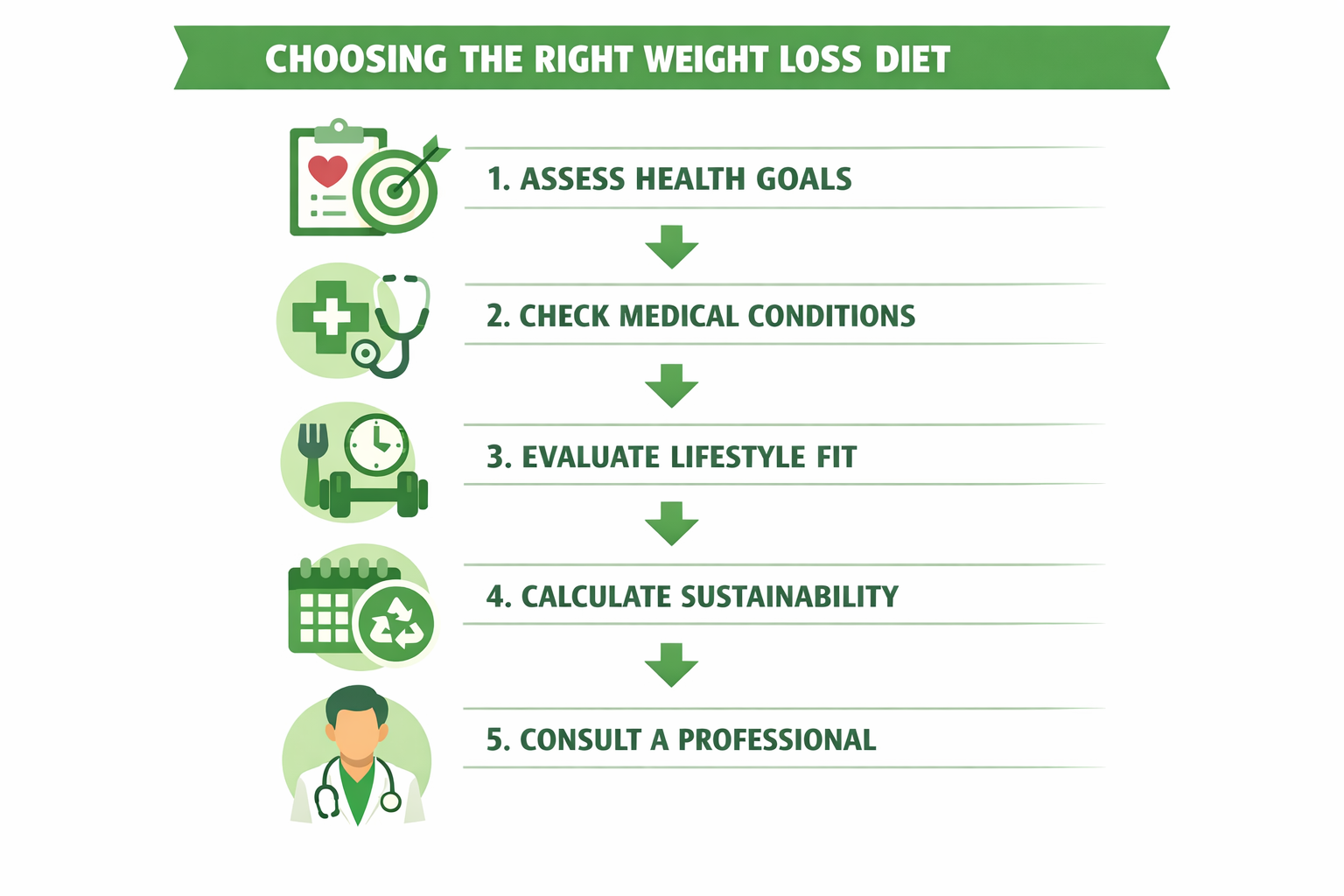
Step 1: Identify your primary goal
- Rapid fat loss for a specific deadline → Low-carb or ketogenic
- Long-term health and gradual weight loss → Mediterranean
- Simplicity and minimal food decisions → Carnivore or 16:8 intermittent fasting
- Ethical or environmental motivation → Vegan/vegetarian with careful planning
- Metabolic reset after years of processed food → Paleo or carnivore short-term
Step 2: Assess your medical situation
- Type 2 diabetes or insulin resistance → Low-carb or ketogenic (with medical supervision)
- Cardiovascular disease → Mediterranean (strongest evidence base)
- Kidney disease → Avoid very high-protein diets; consult a nephrologist
- Digestive conditions (IBS, IBD) → May benefit from elimination approaches; work with a gastroenterologist
- History of eating disorders → Avoid highly restrictive frameworks; focus on intuitive eating with a dietitian
Step 3: Evaluate your lifestyle fit
Ask yourself honestly:
- Can I maintain this diet at restaurants, family dinners, and social events?
- Does this diet fit my cooking ability and food budget?
- Does it conflict with medications or supplements I take?
- Have I tried a version of this before? Why did it fail?
Step 4: Plan for the first 30 days
The first month is the highest-risk period for abandonment. Set up your environment for success:
- Clear your kitchen of foods that don’t fit your chosen approach
- Prep 3–5 go-to meals you enjoy that fit the diet
- Identify 2–3 restaurant options that work for your approach
- Track your food for at least the first two weeks, regardless of which diet you choose — awareness alone reduces overeating
Step 5: Monitor and adjust at 4 and 12 weeks
Weight loss that stalls after initial progress usually means one of three things: calorie creep (portions have grown), metabolic adaptation (your body has adjusted to lower intake), or the diet is no longer sustainable and adherence has quietly dropped. Adjust before you quit.
For more practical strategies, the 10 fool-proof techniques for rapid weight loss guide covers behavioral and dietary tactics that work across different diet types.
What Role Does Fiber Play in Weight Loss, and Are You Getting Enough?
Fiber is one of the most underrated tools in weight management. It slows digestion, stabilizes blood sugar, feeds beneficial gut bacteria, and significantly increases meal satisfaction without adding calories.
Most adults in Western countries consume roughly 15g of fiber per day — well below the recommended 25–38g per day for adults. This gap matters for weight loss because low fiber intake is consistently associated with higher calorie consumption and poorer gut health.
How fiber supports fat loss:
- Soluble fiber (oats, beans, apples, flaxseeds) forms a gel in the digestive tract that slows glucose absorption and prolongs satiety.
- Insoluble fiber (whole grains, vegetables, wheat bran) adds bulk to meals and speeds intestinal transit, reducing the time food spends in the digestive system.
- Fermentable fiber feeds gut bacteria that produce short-chain fatty acids, which influence appetite hormones and reduce systemic inflammation.
Practical ways to increase fiber intake:
- Add a tablespoon of ground flaxseed to yogurt, smoothies, or oatmeal
- Replace white rice with cooked lentils or a rice-lentil mix at least twice per week
- Eat the skin of fruits and vegetables where possible
- Choose whole grain versions of bread, pasta, and crackers
- Include at least one serving of legumes (beans, chickpeas, lentils) per day
For a complete breakdown of fiber-rich foods and their specific benefits, the high-fiber foods for weight loss guide is a useful reference.
Note for low-carb and carnivore dieters: The absence of fiber on these diets is a genuine trade-off, not a non-issue. If you’re following a very low-carb or carnivore approach, monitoring digestive health and gut microbiome diversity is worth doing periodically.
Does Exercise Matter, or Is Diet Enough for Weight Loss?
Diet drives the majority of weight loss — roughly 80% of fat loss outcomes are determined by what you eat, not how much you exercise. But exercise matters significantly for body composition, metabolic health, and long-term weight maintenance.
Here’s the distinction: exercise alone, without dietary change, produces modest weight loss in most people. The reason is partly physiological (exercise increases appetite) and partly behavioral (people tend to reward exercise with food). However, people who combine dietary change with regular exercise lose more fat, preserve more muscle, and are far more likely to maintain their weight loss at the 2- and 5-year marks.
What type of exercise best supports weight loss?
- Resistance training (weights, bodyweight exercises) preserves and builds lean muscle, which maintains metabolic rate during a calorie deficit. This is arguably more important than cardio for long-term fat loss.
- Cardiovascular exercise (walking, cycling, swimming) increases daily calorie expenditure and improves cardiovascular health. Walking is particularly underrated — it’s low-impact, sustainable, and accessible.
- HIIT (High-Intensity Interval Training) burns more calories per minute than steady-state cardio and produces favorable hormonal responses, but it’s harder to recover from and shouldn’t dominate a training schedule.
For people new to exercise or returning after a break, the best home workouts without equipment guide provides a practical starting point that requires no gym membership.
The minimum effective dose for weight loss support:
- 150 minutes per week of moderate-intensity activity (brisk walking counts)
- 2 resistance training sessions per week targeting major muscle groups
- Daily movement outside of structured exercise — standing, walking, taking stairs — adds up significantly over time
Frequently Asked Questions
Q: What is the fastest diet for weight loss?
Very low-calorie diets (under 800 calories per day) and ketogenic diets produce the fastest initial weight loss. However, much of the early loss is water and glycogen, not fat. Rapid weight loss also increases the risk of muscle loss and nutrient deficiency. Sustainable fat loss of 0.5–1kg (1–2lbs) per week is a safer and more realistic target for most people.
Q: Can I lose weight without counting calories?
Yes. Many people lose weight successfully on high-protein, high-fiber diets without tracking calories, because these diets naturally regulate appetite. However, if you’re not losing weight after 3–4 weeks of dietary change, calorie tracking for 1–2 weeks is the most reliable way to identify where the problem lies.
Q: Is the keto diet safe long-term?
The long-term safety of ketogenic diets beyond 2 years is not well-studied. Short-to-medium-term (up to 2 years), it appears safe for most healthy adults. People with kidney disease, liver conditions, or a history of pancreatitis should not follow keto without medical supervision.
Q: Which diet is best for people with type 2 diabetes?
Low-carbohydrate and ketogenic diets have the strongest evidence for improving blood sugar control in type 2 diabetes. The Mediterranean diet also has strong evidence for diabetes prevention and management. Anyone with diabetes who changes their diet significantly should work with their doctor, as medication doses may need adjustment.
Q: Do I need to take supplements on any of these diets?
It depends on the diet. Vegans need vitamin B12 supplementation without exception, and most benefit from algae-based omega-3s. Carnivore dieters should monitor vitamin C, magnesium, and potassium. Keto dieters often need electrolyte supplementation (sodium, potassium, magnesium) during the adaptation phase. Mediterranean and balanced omnivorous diets generally don’t require supplementation if food variety is adequate.
Q: What is the best diet for belly fat specifically?
No diet targets belly fat exclusively — spot reduction is a myth. However, diets that reduce insulin levels (low-carb, ketogenic, intermittent fasting) tend to reduce visceral fat (the metabolically active fat around organs) more effectively than low-fat diets. Reducing added sugar and refined carbohydrates is the single most consistent dietary change associated with visceral fat reduction.
Q: How long does it take to see results on a new diet?
Most people see measurable changes within 2–4 weeks of consistent dietary change. Initial weight loss in the first week (especially on low-carb diets) is largely water. Meaningful fat loss becomes visible at 4–8 weeks. Body composition changes (more muscle definition, less fat) typically become noticeable at 8–12 weeks.
Q: Is breakfast necessary for weight loss?
No. The idea that breakfast is essential for weight loss is not supported by current evidence. Intermittent fasting approaches that skip breakfast produce comparable results to traditional three-meal-per-day eating when total calories are matched. Whether you eat breakfast should be based on your hunger, schedule, and personal preference.
Q: Can I drink alcohol on a weight loss diet?
Alcohol provides 7 calories per gram and has no nutritional value. It also lowers inhibitions around food choices and disrupts sleep quality, both of which undermine weight loss. Occasional moderate consumption is unlikely to derail progress, but regular drinking — even of “low-calorie” options — significantly slows fat loss for most people.
Q: What’s the biggest mistake people make when starting a weight loss diet?
Starting too aggressively. Cutting calories too severely, eliminating too many food groups at once, or attempting a diet that conflicts with your social life all dramatically increase the probability of abandonment within the first month. A moderate, sustainable change maintained for 6–12 months outperforms any extreme approach abandoned after 3 weeks.
Q: Do detox teas or cleanses help with weight loss?
No meaningful evidence supports detox teas or commercial cleanses for fat loss. Any weight lost during a cleanse is primarily water. The liver and kidneys handle detoxification continuously without dietary assistance. If you’re interested in supporting liver and digestive health through diet, the best detox tea for weight loss article covers what the evidence actually shows about common herbal options.
Q: How do I maintain weight loss after reaching my goal?
Weight maintenance is harder than weight loss for most people. The most reliable strategies are: continuing to eat a high-protein diet, maintaining regular resistance training, monitoring your weight weekly (so you catch creep early), and keeping the dietary habits that worked for you during loss — rather than reverting to old patterns. Studies consistently show that people who maintain weight loss long-term continue tracking food and exercising regularly.
References
- Zeevi D, et al. “Personalized Nutrition by Prediction of Glycemic Responses.” Cell, 2015. https://pubmed.ncbi.nlm.nih.gov/26590418/
- Barnard ND, et al. “Vegetarian and Vegan Diets in Type 2 Diabetes Management.” Nutrition Reviews, 2009. https://pubmed.ncbi.nlm.nih.gov/19386029/
- [Video] Dave Asprey. YouTube. https://www.youtube.com/watch?v=0fVjKuH6OMo
📂 Weight Loss
This article is part of the APH cluster. Use the links below to move between the pillar and child articles.
- YOU ARE HERE The Best Weight Loss Diet in 2026: A Science-Backed Guide to Every Major Approach
- → Intermittent Fasting for Weight Loss: Complete 2026 Guide
- → High Protein Diet for Weight Loss
- → The Protein Leverage Hypothesis: Why Protein Controls Your Weight
- → How to Break a Weight Loss Plateau: What the Evidence Actually Says
- → Breaking the Weight Loss Plateau: Metabolic Adaptation and How to Overcome It
- → Herbs for Weight Loss: 10 Evidence-Based Herbs That Boost Metabolism
- → 9 Healthy Meals for Weight Loss: A Practical Guide to Eating Well in 2026
- → 5 Best Detox Teas for Weight Loss: A Science-Backed Guide (2026)