Introduction

All Perfect Health: Your Complete Health and Wellness Hub Guide
Professional health and wellness hub hero image: vibrant flat-lay of whole foods, dumbbells, a podcast microphone, herbal

Last updated: April 8, 2026


Quick Answer

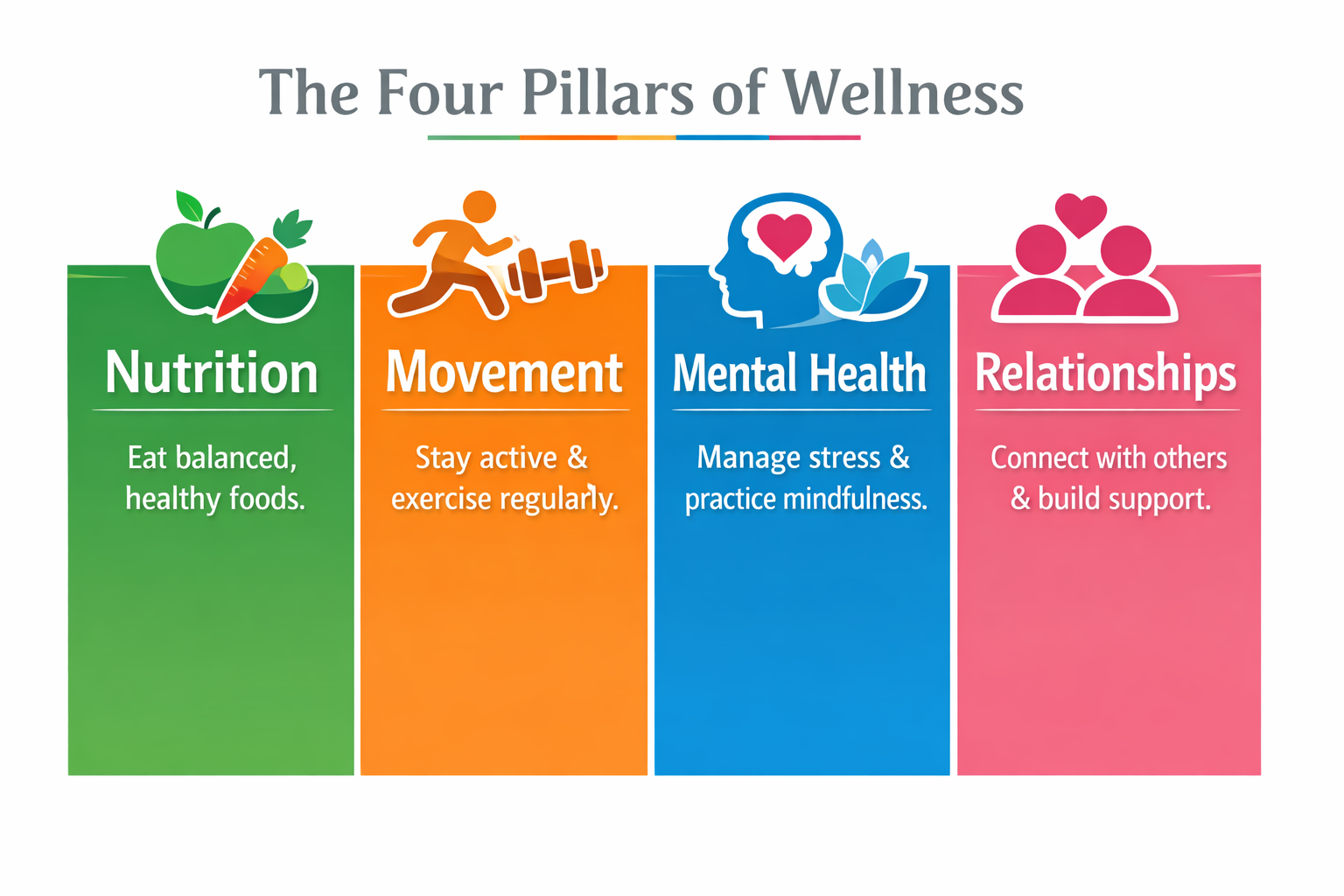
Infographic showing four pillars of wellness: Nutrition, Movement, Mental Health, Relationships — each with icons, short

All Perfect Health is a health and wellness hub that covers evidence-based nutrition, weight loss strategies, fitness, mental health, and natural remedies — all in one place. It’s built for people who want practical, balanced guidance without extreme diets or punishing routines. The platform also features a podcast series exploring popular diets, healthy habits, and sustainable lifestyle changes. Welcome to your Health and Wellness Hub.


Key Takeaways

  • All Perfect Health covers four core wellness pillars: nutrition, movement, mental health, and relationships
  • The platform’s first podcast episode compares the pros and cons of keto, Mediterranean, plant-based, and intermittent fasting diets
  • Small, consistent habit changes — not dramatic overhauls — produce the most sustainable health results
  • Sleep, hydration, and stress management are foundational to any successful wellness plan
  • Weight loss success depends on choosing a dietary approach that fits your lifestyle, not just one that produces fast results
  • The platform takes a balanced approach: no extreme diets, no one-size-fits-all prescriptions
  • Content is designed to be accessible for beginners and useful for people already on a wellness journey
  • All content is for informational awareness only and does not replace professional medical advice

What Is All Perfect Health and Who Is It For?

All Perfect Health is a health and wellness blog and podcast platform designed for people who want clear, practical guidance on living healthier — without being overwhelmed by conflicting advice. The platform covers nutrition, fitness, mental wellness, and natural health remedies, and it’s built for a wide audience: complete beginners, people returning to healthy habits after a setback, and those looking to refine what they already do.

The platform’s core philosophy is balance. Rather than promoting any single diet or fitness trend, it presents multiple approaches, explains the evidence behind each, and helps readers decide what fits their individual circumstances. That’s a meaningful distinction in a space crowded with absolutist “eat this, never eat that” content.

Who benefits most from this platform:

  • People starting their first serious wellness journey
  • Anyone confused by conflicting diet or fitness advice online
  • Those who want natural, sustainable health strategies rather than quick fixes
  • Listeners who prefer audio content alongside written guides

What Does the All Perfect Health Podcast Cover?

The All Perfect Health Podcast launched with an episode comparing the most popular weight loss diets — a practical starting point for anyone trying to cut through the noise. Episode 001 runs approximately 15 minutes and 52 seconds, covering the pros and cons of keto, Mediterranean, plant-based eating, and intermittent fasting.

The podcast format makes health content more accessible for people who prefer listening over reading — during a commute, workout, or meal prep session. Future episodes are expected to expand into fitness, mental health, natural remedies, and specific health conditions.

What the debut episode covers:

  • How each major diet works and who it suits best
  • Common pitfalls people encounter with each approach
  • How to evaluate a diet based on your personal health goals
  • Why health is individual — what works for one person may not work for another

Important: The podcast is produced for general awareness and education. It does not constitute medical advice. Always consult a qualified healthcare professional before making significant changes to your diet or lifestyle.


What Are the Four Core Pillars of the Health and Wellness Hub?

The All Perfect Health platform organizes its content around four interconnected pillars of health. Each one affects the others — neglecting any single pillar tends to undermine progress in the rest.

1. Nutrition

Healthy eating doesn’t require expensive superfoods or complicated meal plans. The platform focuses on practical strategies: how to build balanced meals, read food labels, shop on a budget, and cook nutritious food without spending hours in the kitchen. Content includes meal plans, recipe ideas, and guides on specific nutrients.

For example, understanding foods rich in calcium or high-fiber foods for weight loss gives you a concrete foundation to build meals around — rather than following a rigid plan that ignores your preferences.

2. Movement

Exercise content on the platform goes beyond calorie burn. The emphasis is on finding physical activity that you actually enjoy, because consistency matters far more than intensity. Content ranges from home workouts without equipment to walking for exercise — practical options for different fitness levels, schedules, and budgets.

3. Mental Health

Mental and physical health are not separate concerns. Chronic stress raises cortisol levels, disrupts sleep, and can directly interfere with weight management and immune function. The platform covers mindfulness practices, stress reduction techniques, journaling, and strategies for building resilience — practical tools, not abstract concepts.

4. Relationships and Community

Social connection is one of the most consistently underrated factors in long-term health. Research in social epidemiology has linked strong social ties to lower rates of chronic disease, better mental health outcomes, and longer life expectancy. The platform addresses how to build meaningful relationships, communicate effectively, and find community support for your wellness goals.


What Are the Most Effective Health and Wellness Tips for Beginners?

The most effective starting point for any wellness journey is building small, repeatable habits rather than attempting a complete lifestyle overhaul. Here are the strategies the platform emphasizes most — each backed by practical logic rather than trend-chasing.

Start small, build gradually. Drinking an extra glass of water each day, adding a 10-minute walk to your routine, or swapping one processed snack for a piece of fruit are changes that compound over weeks and months. The goal is sustainability, not speed.

Prioritize sleep. Sleep is where the body repairs itself — muscle recovery, hormone regulation, memory consolidation, and immune function all depend on adequate rest. Most adults need seven to nine hours per night. Creating a consistent sleep schedule and reducing screen exposure before bed are two of the most evidence-supported improvements you can make.

Eat mindfully. Slowing down during meals, chewing thoroughly, and paying attention to hunger and fullness cues can reduce overeating without requiring calorie counting. It also improves digestion and helps you identify which foods genuinely make you feel good versus which ones you eat out of habit or stress.

Manage stress actively. Passive stress management — hoping things calm down on their own — rarely works. Building a short daily practice, whether that’s five minutes of deep breathing, a brief walk, or a few lines of journaling, creates a reliable outlet that prevents stress from accumulating.

Hydrate consistently. Water supports digestion, metabolism, joint lubrication, and cognitive function. A practical rule of thumb: drink enough that your urine is pale yellow throughout the day. Most people underestimate how much their energy and focus improve with adequate hydration alone.


Which Weight Loss Diets Does All Perfect Health Cover?

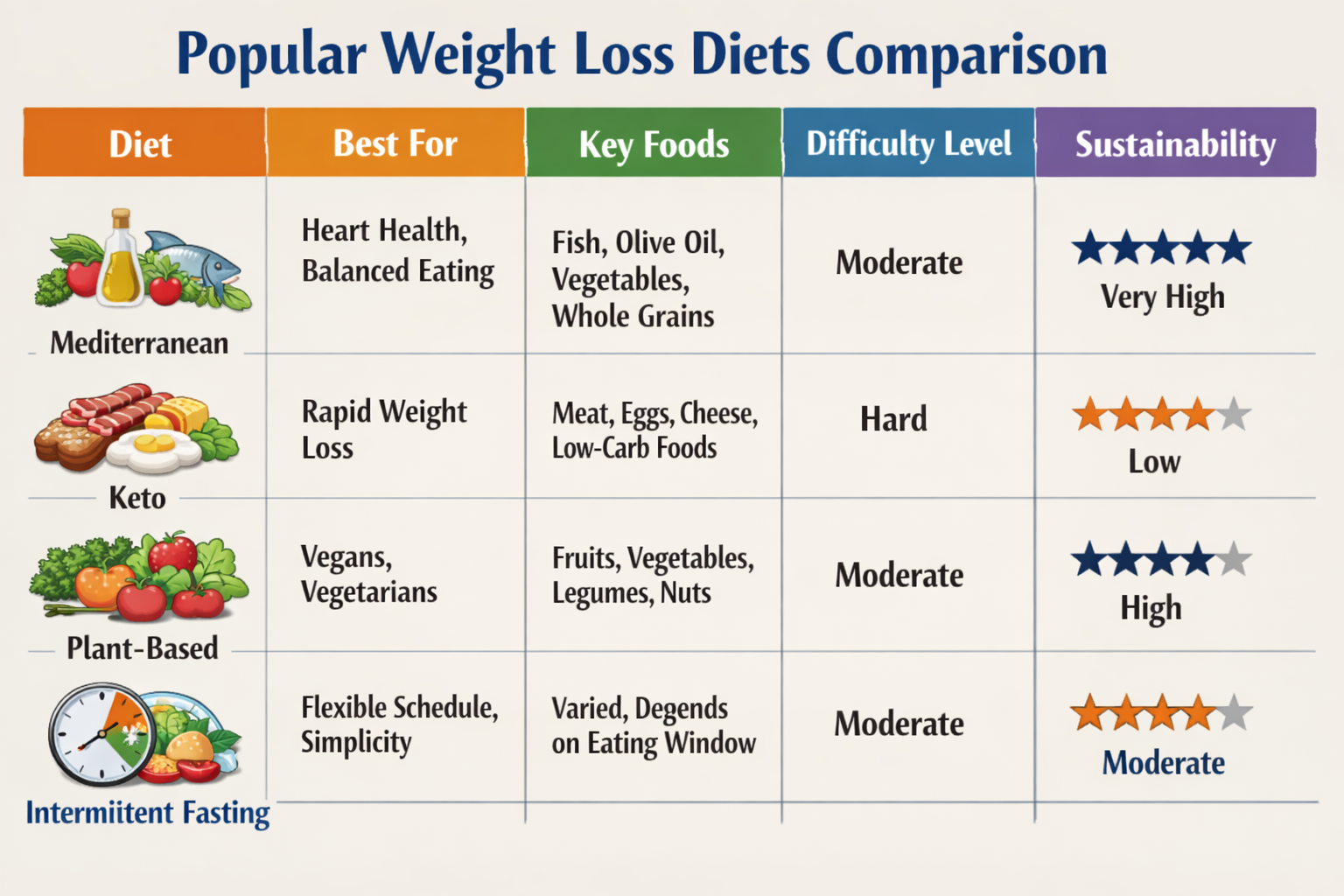
Comparison chart of four popular weight loss diets (Mediterranean, Keto, Plant-Based, Intermittent Fasting) with columns

All Perfect Health covers the four most widely researched and practiced dietary approaches for weight loss, presenting each one honestly — including the limitations. The goal is to help you choose based on your lifestyle, not based on which diet is currently trending.

Diet Core Principle Best For Main Challenge
Mediterranean Whole foods, healthy fats, lean protein Long-term heart health and sustainability Requires cooking from scratch
Ketogenic High fat, very low carbohydrate Rapid initial weight loss, mental clarity Restrictive; difficult to maintain socially
Plant-Based Primarily or entirely plant-derived foods Environmental goals, cholesterol management Requires planning to meet protein and B12 needs
Intermittent Fasting Time-restricted eating windows Metabolic health, simplicity Can be difficult for people with blood sugar issues

For a deeper comparison, the comprehensive guide to modern diets on the platform walks through each approach in detail, including who each diet is and isn’t appropriate for.

Choose the Mediterranean diet if you want a flexible, long-term eating pattern with strong cardiovascular evidence behind it.

Choose keto if you respond well to structure, have no history of kidney issues, and want faster early results — but go in knowing it requires strict carbohydrate limits.

Choose plant-based eating if you want to reduce animal product consumption gradually or fully, and you’re willing to plan meals carefully to avoid nutritional gaps.

Choose intermittent fasting if you prefer simplicity over food restriction and don’t have a history of disordered eating or blood sugar conditions.


What Universal Strategies Support Any Weight Loss Plan?

Regardless of which dietary approach you choose, five principles consistently support long-term weight loss success.

1. Set specific, realistic goals. “Lose weight” is not a goal — it’s a wish. “Lose 1 pound per week for 12 weeks by reducing portion sizes and walking 30 minutes daily” is a goal. Specificity makes progress measurable and keeps motivation grounded in reality.

2. Prioritize whole foods. Minimally processed foods — vegetables, fruits, legumes, whole grains, lean proteins — deliver more nutrients per calorie and tend to keep you fuller longer than processed alternatives. This applies across all dietary approaches.

3. Stay consistent, not perfect. One off-plan meal doesn’t derail a diet. Abandoning the plan after one off-plan meal does. Consistency over weeks and months matters far more than perfection on any given day.

4. Track non-scale victories. Better sleep quality, improved energy, reduced joint pain, and clearer skin are all meaningful health outcomes. Focusing only on the scale can be discouraging during normal weight fluctuation periods. For practical guidance, the weight loss challenge strategies guide covers how to stay motivated through plateaus.

5. Address the environment, not just the diet. Environmental factors that affect health — including sleep quality, stress levels, social support, and physical surroundings — have a measurable impact on weight management. Diet alone rarely produces lasting results when these factors are ignored.


How Does All Perfect Health Approach Natural Remedies and Gut Health?

Natural remedies and gut health are growing areas of interest, and the platform covers both with a grounded, evidence-aware approach. Content in this area focuses on what has genuine support in the research literature — not every herbal trend that surfaces on social media.

Gut health, in particular, has become a well-established factor in overall wellness. The gut microbiome influences digestion, immune function, mood, and even weight regulation. The platform’s gut health and digestive wellness guide covers how diet, stress, sleep, and antibiotic use affect the microbiome — and what practical steps support a healthier gut.

On the natural remedies side, content covers topics like herbs that support metabolism, anti-inflammatory foods, and natural ways to soothe digestive discomfort. The emphasis is always on what the evidence actually supports, not what’s simply popular.


Why Choose All Perfect Health Over Other Wellness Platforms?

The health and wellness content space is enormous and often unreliable. Many platforms prioritize affiliate revenue over accuracy, promote extreme approaches, or present anecdotal results as universal truths. All Perfect Health distinguishes itself in a few specific ways.

Evidence-first content. Every guide and recommendation is grounded in research, not trends. When the evidence is mixed or limited, the platform says so.

No extreme prescriptions. The platform doesn’t promote crash diets, excessive calorie restriction, or workout regimens that are unsustainable for the average person. The focus is on approaches that work over months and years, not days.

Accessible tone. Health content is most useful when it’s understandable. The platform is written for real people, not for people who already have advanced nutrition or fitness knowledge.

Breadth of coverage. From exercise for people over 50 to healthy meal planning for weight loss to the health benefits of olive oil, the platform covers a wide range of topics without losing depth on any individual subject.


Frequently Asked Questions

Is All Perfect Health content a substitute for medical advice?
No. All content on the platform is for general informational and educational purposes only. It does not replace advice from a qualified doctor, dietitian, or other healthcare professional. Always consult a professional before making significant changes to your diet, exercise routine, or supplement use.

Who is the All Perfect Health podcast for?
The podcast suits anyone curious about health and wellness — particularly people exploring different dietary approaches for the first time. It’s conversational, accessible, and designed for listeners without a background in nutrition or medicine.

How often is new content published?
The platform publishes blog articles and podcast episodes on a regular basis. Subscribing to the newsletter is the most reliable way to stay updated on new releases.

Can I follow multiple diets at once?
Generally, no — combining incompatible dietary frameworks (for example, keto and high-carb plant-based eating) creates confusion and makes it hard to evaluate what’s actually working. Pick one approach, follow it consistently for at least 4 to 8 weeks, then assess results before adjusting.

What’s the best diet for sustainable weight loss?
There is no single best diet for everyone. Research consistently shows that the most effective diet is the one a person can adhere to long-term. The Mediterranean diet has the strongest body of evidence for combined weight management, heart health, and longevity — but it only works if it fits your food preferences and lifestyle.

Does the platform cover fitness as well as nutrition?
Yes. The platform covers a wide range of fitness topics, from beginner-friendly morning exercise routines to fat-burning heart rate zones and sport-specific training guides.

Is intermittent fasting safe for everyone?
No. Intermittent fasting is not appropriate for people who are pregnant, breastfeeding, have a history of disordered eating, or have diabetes or other blood sugar conditions without medical supervision. Always check with a healthcare provider before starting any fasting protocol.

How do I know which wellness tips actually work?
Look for tips that are supported by multiple independent studies, recommended by qualified health professionals, and realistic to maintain over months — not just days. The platform’s content is designed to meet that standard, and sources are referenced where applicable.


  1. Australian dietary guidelines (official, evidence-based nutrition)
    https://www.eatforhealth.gov.au/guidelines/guidelines
    This gives readers government-backed guidance on amounts and types of food for long-term health and disease risk reduction, which aligns well with any section on healthy eating or diet fundamentals.

  2. Harvard Medical School – Sleep hygiene: Simple practices for better rest
    https://www.health.harvard.edu/healthy-aging-and-longevity/sleep-hygiene-simple-practices-for-better-rest
    This supports any sleep, stress, or recovery section with practical, research-informed tips on creating a sleep-friendly environment and daily habits that improve sleep quality.


  • Disclaimer: This article is for general informational purposes only and does not constitute medical, dietary, or fitness advice. Consult a qualified healthcare professional before making changes to your health routine.

Home – Disclaimer  – About UsTerms & Conditions –  Privacy Policy


Medical disclaimer: This article is for informational purposes only and is not medical advice. Dave James is not a physician. If you are managing a medical condition or taking medication, speak with a qualified healthcare professional before making changes. Read more about how this site works.

Dave James

About the author

Dave James has spent 30+ years reading health and longevity research, and has run All Perfect Health for the past five. His background is in Australian mining and industrial engineering — disciplines built on questioning claims, measuring outcomes, and respecting evidence. He writes about what the research actually says, including where the experts disagree.

More about Dave & this site →

Back to top button