Health Benefits of Natural Foods and Herbs
Last updated: April 9, 2026
Quick Answer: Natural foods, herbs, oils, and plant compounds can meaningfully support heart health, digestion, brain function, skin health, eye health, and nutrient intake, but only when chosen with purpose and used consistently as part of a balanced diet. No single food fixes everything. The strongest evidence points to dietary patterns, not individual superfoods. This guide covers what the research actually supports, what remains uncertain, and where to look for deeper information on each topic.
Understanding the health benefits of foods and herbs is essential for making informed dietary choices.
Key Takeaways
- The health benefits of foods and herbs are real, but they depend heavily on dose, diet quality, and consistency, not on any one food eaten in isolation.
- The health benefits of foods and herbs can vary based on individual health and dietary patterns.
- Whole food sources generally outperform isolated supplements in long-term health outcomes.
- Fiber intake is one of the most evidence-supported dietary priorities in 2026, with research linking 25–29 grams daily to a 15–30% reduction in all-cause mortality compared to low-fiber diets. [2]
- Polyphenols from berries, dark chocolate, olive oil, and herbs support cardiovascular and cellular health through multiple pathways.
- Eating 30 or more different plant species per week is associated with significantly greater gut microbiome diversity, which correlates with better health outcomes across multiple metrics. [2]
- Oils matter, but the type and use case (eating vs. topical) changes which one is appropriate.
- Herbs like cinnamon have documented benefits for skin and metabolic health, but the evidence varies by application.
- Marketing hype is the biggest obstacle between you and genuinely useful nutrition information.
- When in doubt, start with what gives the biggest return: vegetables, whole grains, quality protein, healthy fats, and adequate fiber.
What “Health Benefits” Really Mean in Nutrition
Exploring the health benefits of foods and herbs can empower individuals to enhance their well-being.
The phrase “health benefits” gets used so loosely in food marketing that it has almost lost meaning. Let’s keep this practical and define what we are actually talking about.
It’s crucial to appreciate the health benefits of foods and herbs when planning your meals.
A genuine health benefit means a food, herb, or compound produces a measurable, reproducible improvement in a health outcome, whether that is blood pressure, cholesterol, inflammation markers, or disease risk, at realistic doses, in real people, over meaningful time periods.
The health benefits of foods and herbs are supported by a growing body of scientific research.
That is a higher bar than most product labels suggest.
Whole Foods vs. Isolated Compounds
The evidence consistently favors whole foods over isolated compounds. When researchers extract a single active ingredient from a plant, concentrate it, and test it in isolation, results often look impressive in the lab. In real-world dietary conditions, the picture is more complicated.
Whole foods deliver nutrients in a matrix: fiber, water, phytonutrients, and minerals that interact in ways we do not fully understand yet. Broccoli’s sulforaphane, for example, appears more bioavailable when eaten as part of the whole vegetable than when taken as a supplement. [1]
The main takeaway is this: if you can get the benefit from food, start there before reaching for a capsule.
Why Context, Dose, and Diet Quality Matter
A single serving of dark chocolate does not undo a poor diet. A daily avocado does not compensate for chronic sleep deprivation. Context matters, and the numbers matter.
The benefits of any food depend on:
- How much you eat (dose)
- How often you eat it (consistency)
- What else you eat alongside it (dietary pattern)
- Your individual health status (age, existing conditions, medications)
In plain English: the same food can be genuinely helpful in one context and largely irrelevant in another.
How to Assess Health Claims Critically
We need to separate fact from hype, and the simplest way to look at it is this: the stronger the claim, the stronger the proof you should demand.
Ask three questions when you see a health claim about a food or herb:
When considering the health benefits of foods and herbs, always evaluate the source of information.
- Is this based on a randomized controlled trial in humans, or just an observational study or animal model?
- What was the dose, and is it realistic to achieve through food?
- Who funded the research?
That is not cynicism. That is common sense backed by evidence.
Foods with Standout Health Benefits
Many individuals are curious about the specific health benefits of foods and herbs in their diets.
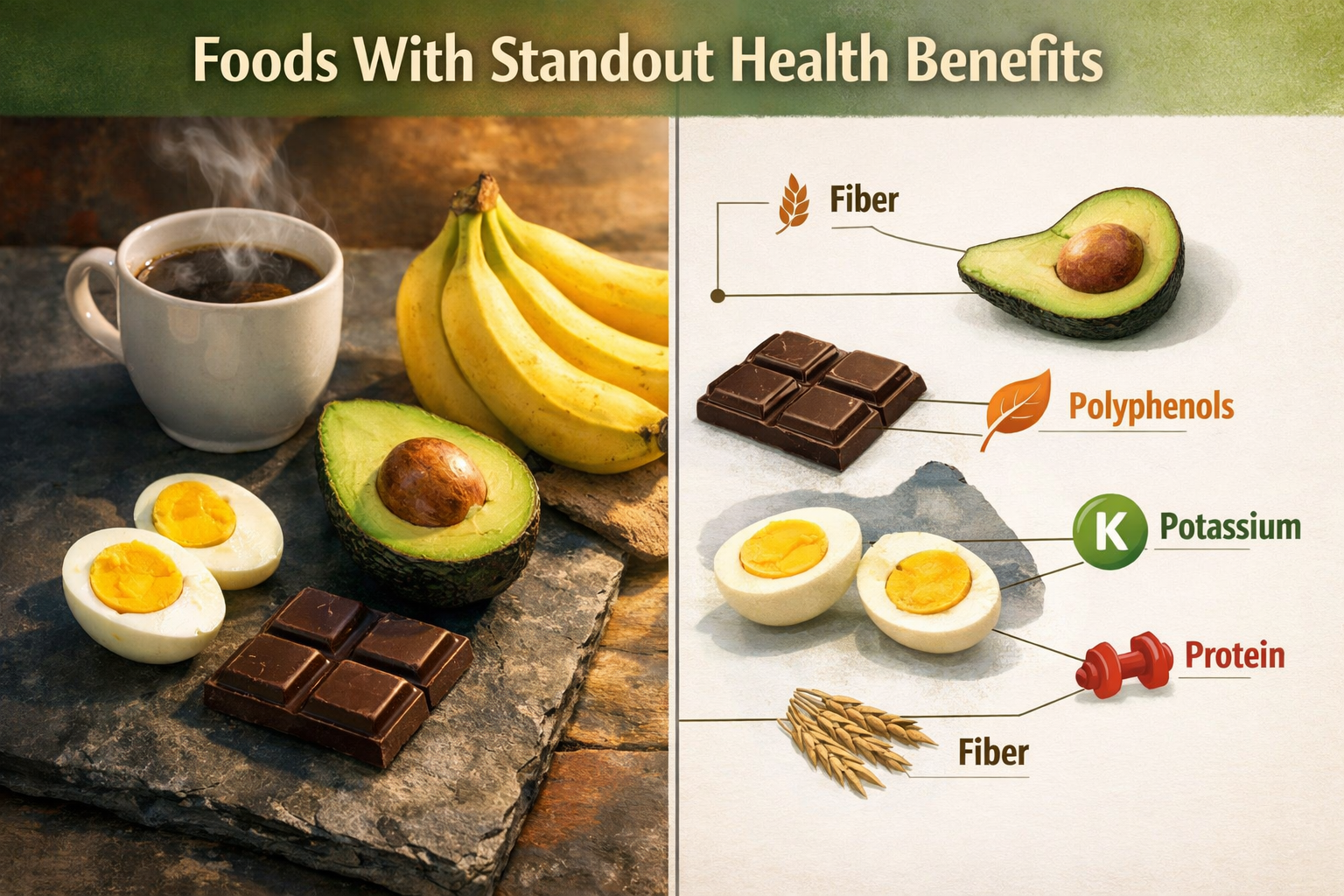
Some foods earn their reputation. The evidence for the following is stronger than average, though none of them work in isolation from overall diet quality.
Avocado and Heart-Friendly Fats
Avocados are one of the more well-supported foods for cardiovascular health. They are rich in monounsaturated fats, particularly oleic acid, along with potassium, fiber, and fat-soluble vitamins. The evidence suggests regular avocado consumption supports healthy LDL cholesterol levels and may reduce cardiovascular risk factors.
From a practical point of view, half an avocado daily is a realistic and evidence-consistent serving. For a detailed look at what the research says, read our full guide on avocado benefits for heart health and brain function.
Banana for Potassium, Energy, and Digestion
Bananas are a reliable source of potassium, vitamin B6, and resistant starch (particularly in less ripe bananas), which acts as a prebiotic fiber supporting gut bacteria. They are easy to digest, practical to include daily, and genuinely useful for people managing energy levels and digestive regularity.
There is no magic in it. A banana is a good food, not a cure. But it earns its place in a nutrient-dense diet. See the full banana nutrition breakdown for specifics on what you are actually getting per serving.
Eggs for Protein, Satiety, and Nutrient Density
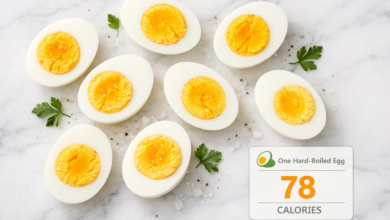
A hard-boiled egg contains roughly 6–7 grams of complete protein, along with choline, lutein, zeaxanthin, and fat-soluble vitamins. For adults over 50, eggs are one of the most cost-effective sources of high-quality protein and micronutrients available.
The older concerns about dietary cholesterol and cardiovascular risk have been substantially revised. Current evidence does not support limiting eggs for most healthy adults. Our calories in hard-boiled egg guide covers the full nutritional profile.
Dark Chocolate and Cocoa Polyphenols
Dark chocolate (70% cocoa or higher) contains flavanols, a class of polyphenols with documented effects on blood pressure, endothelial function, and LDL oxidation. The evidence suggests modest but real cardiovascular benefits at realistic serving sizes (20–40 grams daily).
I would be careful with that claim, though. It is not that simple. Many commercial dark chocolates have low flavanol content due to processing. The benefit is in the cocoa, not the sugar. Read more in our detailed article on the benefits of dark chocolate for health.
Coffee and the Evidence on Daily Intake
Coffee is one of the most studied dietary compounds in the world. The evidence suggests that moderate consumption (2–4 cups daily for most adults) is associated with reduced risk of type 2 diabetes, Parkinson’s disease, certain liver conditions, and all-cause mortality.
That is a strong claim, and it does have strong observational support, though randomized trial data is more limited. Caffeine sensitivity varies considerably between individuals, so more is not always better. Our 14 health benefits of coffee guide covers the research in detail.
Oils and Fats That May Support Health
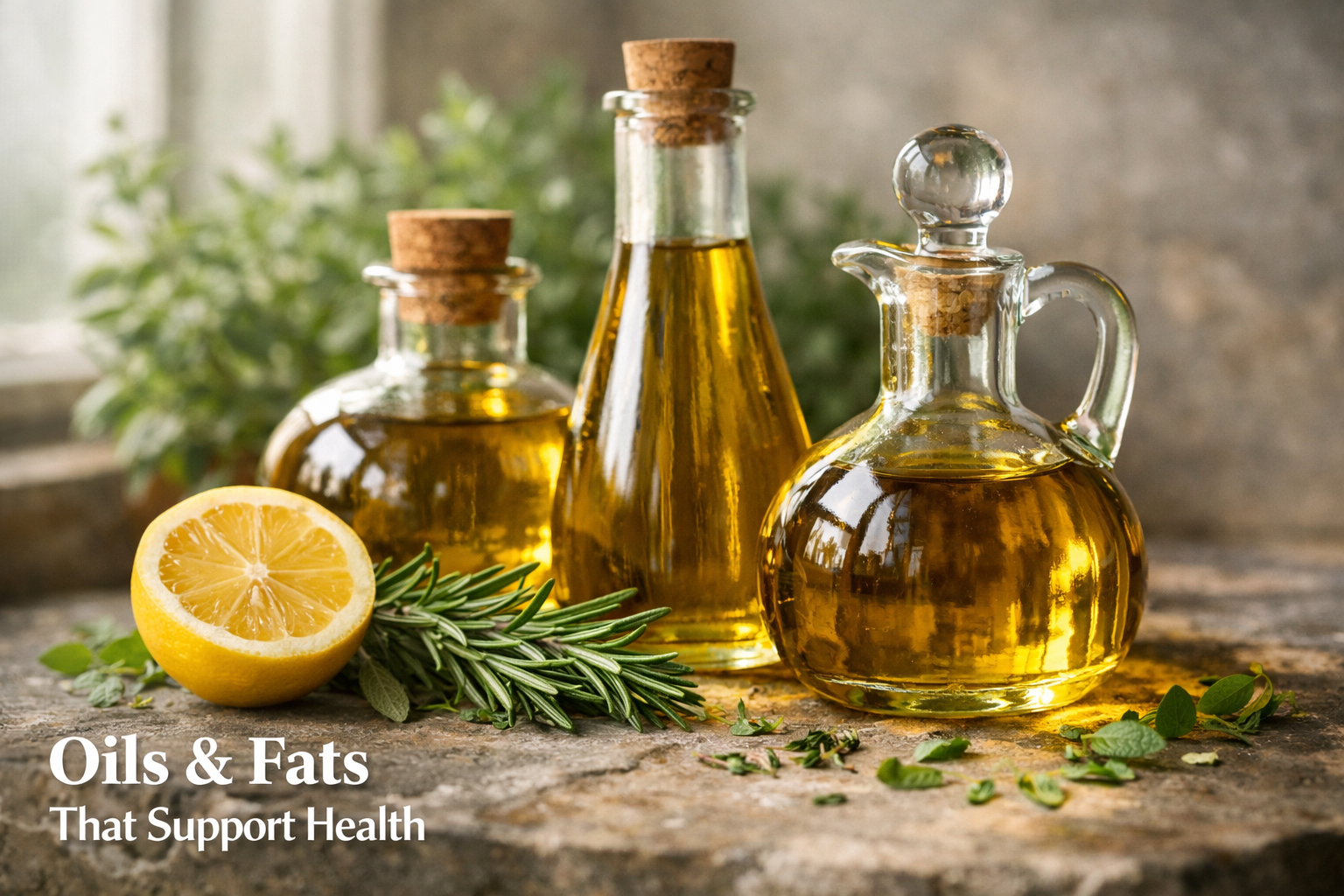
Not all fats are equal, and the way you use an oil matters as much as which one you choose.
Olive Oil and Mediterranean Diet Benefits
Extra virgin olive oil (EVOO) is the most evidence-supported dietary fat for cardiovascular health. It is rich in oleocanthal (a natural anti-inflammatory compound), oleic acid, and polyphenols. The PREDIMED trial, a large randomized study, found that a Mediterranean diet supplemented with EVOO significantly reduced major cardiovascular events compared to a low-fat diet.
The simplest way to look at it is: if you are going to use one oil consistently, extra virgin olive oil has the strongest evidence base. Our full article on the health benefits of olive oil covers the research and practical use in detail.
For a broader look at how olive oil fits into a complete dietary pattern, our Mediterranean food guide is worth reading alongside it.
Oils Used for Skin Support
Several plant-based oils have documented benefits when applied topically to dry or sensitive skin. These include jojoba oil, rosehip oil, and argan oil, each with different fatty acid profiles suited to different skin types.
The evidence here is more limited than for dietary oils, but the mechanisms are plausible: these oils help restore the skin’s lipid barrier, reduce transepidermal water loss, and deliver fat-soluble antioxidants directly to skin tissue. Our guide to the 5 best oils for dry skin covers what the evidence supports.
Choosing the Right Oil for Eating vs. Topical Use
This is where a lot of confusion happens. An oil that is excellent for cooking may not be the best choice for skin, and vice versa. Here is a simple framework:
| Oil | Best for Eating? | Best for Skin? | Key Compound |
|---|---|---|---|
| Extra virgin olive oil | ✅ Strong evidence | ⚠️ Possible for some | Oleocanthal, polyphenols |
| Coconut oil | ⚠️ Mixed evidence | ✅ Moisturizing, barrier support | Lauric acid |
| Jojoba oil | ❌ Not for eating | ✅ Strong for dry skin | Wax esters |
| Rosehip oil | ❌ Not for eating | ✅ Anti-aging, vitamin A | Retinoic acid precursors |
| Flaxseed oil | ✅ ALA omega-3 source | ⚠️ Limited topical data | Alpha-linolenic acid |
A sensible starting point is to use EVOO as your primary cooking fat and choose a dedicated skin oil based on your skin type rather than assuming one oil does everything well.
Herbs and Plant Compounds
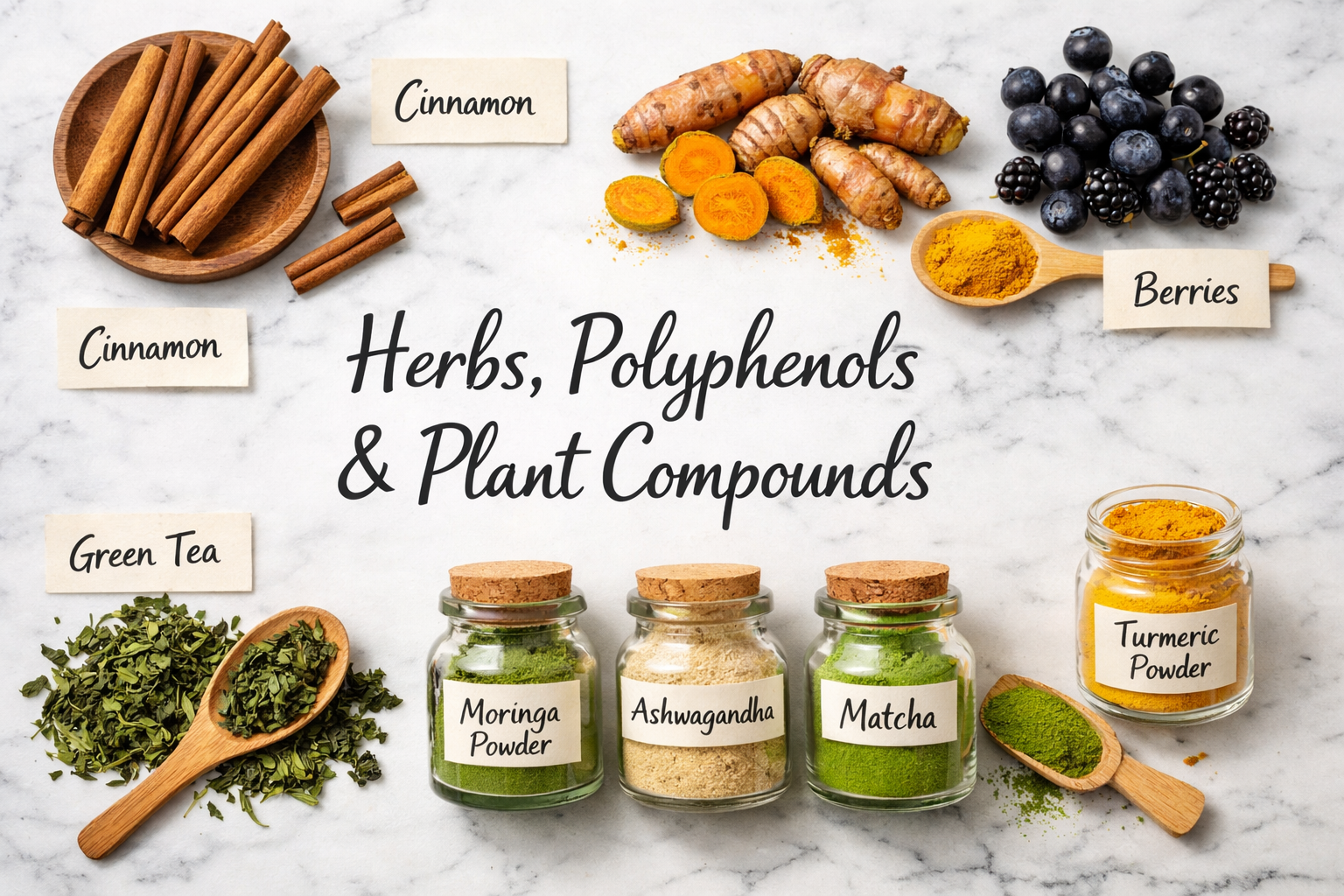
The health benefits of foods and herbs extend well beyond vitamins and minerals. Plant compounds, particularly polyphenols and bioactive phytochemicals, are increasingly well-understood and genuinely useful.
Incorporating the health benefits of foods and herbs can lead to significant health improvements.
Polyphenols and Why They Matter
Polyphenols are a large family of plant compounds found in fruits, vegetables, tea, coffee, wine, olive oil, and dark chocolate. They include flavonoids, phenolic acids, stilbenes (like resveratrol), and lignans.
The evidence suggests polyphenols support cardiovascular health, reduce oxidative stress, modulate inflammation, and may support gut microbiome diversity. Berries are among the richest sources: raspberries alone contain approximately 8 grams of fiber per cup alongside ellagic acid, a polyphenol with documented anti-cancer associations. [1]
This is not a fringe area of nutrition. Polyphenol research is well-funded and increasingly robust. Our article on what polyphenols are and how they work gives a thorough breakdown of the science.
Herbs That Support Eye Health
Several herbs and plant compounds have documented roles in supporting eye health, particularly for age-related concerns. Lutein and zeaxanthin (found in leafy greens and eggs) are the most evidence-backed, with studies showing they accumulate in the macula and may reduce risk of age-related macular degeneration.
Other herbs including bilberry, ginkgo, and saffron have been studied for their effects on retinal circulation and visual acuity, with varying levels of evidence. Our dedicated article on the 10 best herbs for eye health covers the evidence for each one specifically.
Cinnamon and Skin-Related Uses
Cinnamon contains cinnamaldehyde and other bioactive compounds with antimicrobial, anti-inflammatory, and antioxidant properties. In dietary use, it has been studied for blood sugar regulation with modest but consistent results in people with insulin resistance.
For topical skin applications, the evidence is more preliminary. Some studies suggest cinnamon extract may support collagen synthesis and has antibacterial properties relevant to acne-prone skin. I would be careful with undiluted cinnamon oil on skin, as it can cause irritation. Our article on cinnamon benefits for skin covers the science-backed applications in detail.
Understanding the health benefits of foods and herbs can enhance dietary choices.
Nutrients and Food-Source Strategies
Thinking in terms of individual nutrients is useful up to a point. Beyond that point, it can actually lead people away from better food choices.
Calcium-Rich Foods and Bone Support
Calcium is essential for bone density, nerve function, and muscle contraction. For adults over 50, adequate calcium intake becomes increasingly important as bone resorption accelerates. The recommended intake for adults over 50 is generally 1,200 mg daily (women) and 1,000–1,200 mg daily (men), though individual needs vary.
Dairy products remain the most bioavailable source for most people. Non-dairy options include fortified plant milks, tofu made with calcium sulfate, sardines with bones, kale, and bok choy. Our full foods rich in calcium guide covers sources, bioavailability, and practical strategies.
Why Food Sources Often Beat Single-Nutrient Thinking
Here is the real issue with supplement-first thinking: nutrients rarely work in isolation. Calcium absorption requires vitamin D. Iron from plant sources (non-heme iron) absorbs significantly better when paired with vitamin C-rich foods. [1] Magnesium supports vitamin D metabolism.
The American Gut Project, involving over 10,000 participants, found that people eating 30 or more different plant species per week had significantly more diverse gut microbiomes than those eating 10 or fewer, and gut diversity correlates with better health outcomes across nearly every metric studied. [2]
That finding alone makes a strong case for dietary variety over supplementation as a first strategy.
This research highlights the health benefits of foods and herbs as part of a balanced lifestyle.
Building a Nutrient-Dense Plate
The basics still do the heavy lifting. A nutrient-dense plate does not require exotic ingredients or expensive supplements. It requires consistency and variety.
A practical framework:
- Half the plate: non-starchy vegetables and fruit (aim for color variety)
- Quarter of the plate: quality protein (eggs, fish, legumes, poultry, tofu)
- Health benefits of foods and herbs include improved digestion and enhanced nutrient absorption.
- Quarter of the plate: whole grains or starchy vegetables
- Added fats: olive oil, avocado, nuts, seeds
- Herbs and spices: used freely for flavor and phytonutrient diversity
Fiber deserves specific attention in 2026. A Lancet meta-analysis of 185 studies found that people consuming 25–29 grams of fiber daily had a 15–30% reduction in all-cause mortality compared to those eating fewer than 15 grams. [2] Most adults fall well short of this target. Our complete guide to high-fiber foods is the most practical place to start closing that gap.
To maximize the health benefits of foods and herbs, consider incorporating variety into your diet.
How to Choose the Right Food or Herb for Your Goal
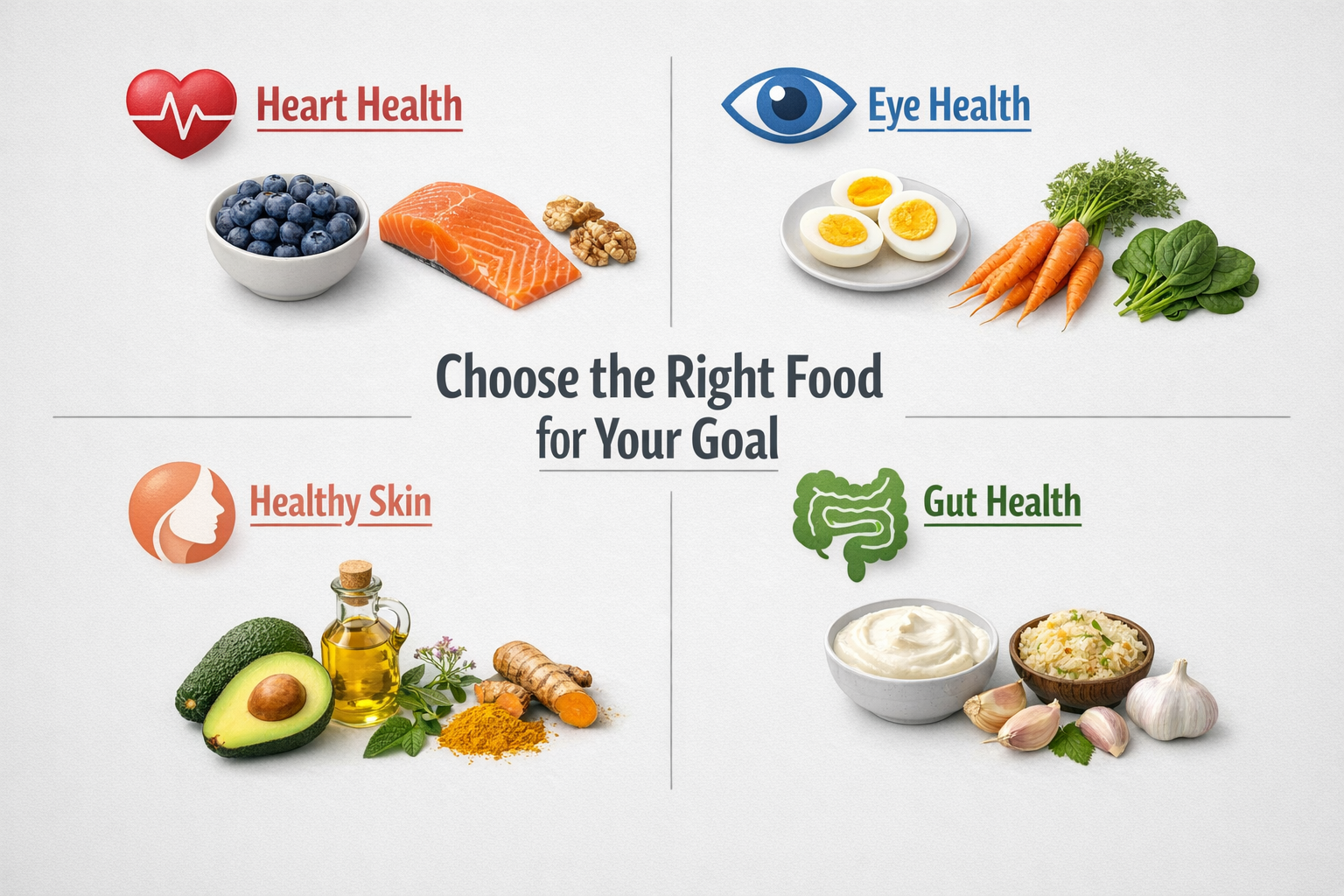
The health benefits of foods and herbs are real, but they are not interchangeable. Different goals call for different priorities. Here is a practical, evidence-aware guide to matching food choices with specific health objectives.
For Heart Health
Start with what gives the biggest return: dietary pattern first, individual foods second.
Best-supported choices:
-
- Extra virgin olive oil (EVOO) as primary cooking fat
- Avocado for monounsaturated fats and potassium
Research shows that the health benefits of foods and herbs are most pronounced when enjoyed in whole food forms.
- Dark chocolate (70%+ cocoa) for flavanols
- Coffee (moderate intake) for cardiovascular markers
- Nuts for LDL reduction and inflammation [1]
- Legumes for cholesterol and blood pressure support [1]
Choose this if: You want to reduce LDL cholesterol, support blood pressure, and lower cardiovascular risk through diet.
Many traditional diets emphasize the health benefits of foods and herbs, which are often overlooked in modern eating habits.
Common mistake: Focusing on one “heart food” while ignoring overall dietary pattern. The evidence is for patterns, not single foods.
For Digestion and Gut Support
Gut health depends more on dietary variety and fiber intake than on any single probiotic food.
Best-supported choices:
- 30+ different plant species per week for microbiome diversity [2]
- Fermented foods (yogurt, kefir, kimchi, sauerkraut) for live cultures
- Prebiotic fibers from mushrooms, onions, garlic, and bananas
- Berries for fiber and polyphenols that feed beneficial gut bacteria [1]
- Legumes for soluble fiber and resistant starch
Choose this if: You want to improve regularity, reduce bloating, and support long-term gut microbiome health.
For Skin Health
Skin health responds to both dietary and topical interventions, but they work through different mechanisms.
Dietary support:
- Polyphenol-rich foods (berries, green tea, dark chocolate) for antioxidant protection
- Olive oil and omega-3 sources for skin barrier function
- Vitamin C-rich foods for collagen synthesis support
Topical support:
- Jojoba or rosehip oil for dry or mature skin
- Cinnamon-based preparations (diluted) for antimicrobial effects
Choose this if: You want to support skin hydration, reduce oxidative damage, or address dry skin concerns through both diet and topical application.
For Eye Health
The evidence here is more specific than for general health.
Best-supported choices:
- Lutein and zeaxanthin from leafy greens and eggs
- Omega-3 fatty acids from oily fish or flaxseed
- Bilberry and other anthocyanin-rich berries
- Specific herbs covered in our herbs for eye health guide
Choose this if: You are concerned about age-related macular degeneration, visual fatigue, or retinal health.
For Everyday Energy and Metabolic Health
Energy levels are influenced by blood sugar stability, mitochondrial function, thyroid health, and sleep, not just diet. That said, food choices have a real and measurable effect.
Best-supported choices:
Prioritizing the health benefits of foods and herbs can lead to lasting health improvements.
- Complex carbohydrates and fiber for stable blood glucose
- Adequate protein (0.8–1.2g per kg body weight for most adults over 50) for muscle and metabolic function
- B vitamins from whole grains, eggs, and legumes
- Magnesium from nuts, seeds, and leafy greens
- Cinnamon for modest blood sugar regulation support
Common mistake: Relying on stimulants (excess caffeine, energy drinks) instead of addressing underlying dietary gaps.
Safety, Limitations, and When Natural Is Not Enough
By understanding the health benefits of foods and herbs, individuals can make more informed choices for their health.
This is where hype gets in the way of genuinely useful guidance. “Natural” does not automatically mean safe, and “evidence-based” does not mean universally applicable.
Interactions, Allergies, and Overuse
Several commonly used herbs and natural compounds interact with medications or have dose-dependent risks:
- Cinnamon (high doses): Contains coumarin, which can affect liver function in large amounts
- Ginkgo biloba: May interact with blood thinners (warfarin, aspirin)
- St. John’s Wort: Well-documented interactions with antidepressants, contraceptives, and anticoagulants
- High-dose omega-3 supplements: May increase bleeding risk at very high doses
- Licorice root: Can raise blood pressure with regular high-dose use
More is not always better. This applies to supplements especially. Fat-soluble vitamins (A, D, E, K) accumulate in tissue and can reach toxic levels. Water-soluble vitamins are more forgiving but not risk-free at high supplemental doses.
Marketing Hype vs. Evidence
That is a strong claim and needs strong proof. Apply that standard consistently.
Watch for these red flags in food and supplement marketing:
- Claims based on in vitro (cell culture) or animal studies only
- “Clinically proven” without specifying the trial design or sample size
- Testimonials presented as evidence
- Proprietary blends that prevent you from knowing the actual dose of each ingredient
- Before/after photos without controlled conditions
I prefer to look at what actually works, and the honest answer is that the evidence base for most individual “superfoods” is thinner than marketing suggests. The strongest evidence is for dietary patterns, not products.
When to Speak to a Qualified Clinician
Natural foods and herbs are genuinely useful tools. They are not replacements for medical care when medical care is what is needed.
Speak to your doctor or a registered dietitian if:
-
- You are managing a chronic condition (diabetes, cardiovascular disease, kidney disease)
Many practitioners emphasize the health benefits of foods and herbs in their holistic approach to wellness.
- You take prescription medications and want to add herbal supplements
- You are experiencing unexplained symptoms that you are trying to address through diet alone
- You are considering significant dietary changes during pregnancy or while breastfeeding
- You have a history of eating disorders or disordered eating patterns
A sensible starting point is food first, supplements when there is a documented gap, and professional guidance when the stakes are higher.
Best Evidence-Based Resources on All Perfect Health
This pillar article gives you the map. The cluster articles below give you the detail. Use them in the order that matches your current health priority.
Foods
- Avocado benefits: heart health and brain function
- Banana nutrition information
- Calories in hard-boiled egg: full nutritional profile
- Benefits of dark chocolate for health
- 14 health benefits of coffee
Oils
Herbs and Compounds
Awareness of the health benefits of foods and herbs can benefit anyone looking to improve their nutrition.
Nutrition Basics
- Foods rich in calcium
- High-fiber foods: complete list and daily needs
- Anti-inflammatory foods: ultimate guide
Interactive Tool: Match Your Health Goal to the Right Foods and Herbs
Select your primary health goal to see the best-evidenced foods, herbs, and compounds for that outcome.Health Goal Food Matcher
Top Foods
Herbs & Compounds
Evidence Strength
Frequently Asked Questions
Q: What are the most evidence-supported health benefits of foods and herbs overall?
The strongest evidence is for dietary patterns rather than individual foods. Mediterranean-style eating, high fiber intake, and dietary variety consistently show benefits for cardiovascular health, metabolic function, and longevity. Within that pattern, olive oil, vegetables, legumes, nuts, and whole grains carry the most robust data.
Q: Are herbal supplements as effective as eating whole herbs in food?
Generally, no. Whole herbs in food deliver active compounds within a food matrix that often improves bioavailability and reduces the risk of overdose. Supplements concentrate single compounds, which can be useful when there is a documented deficiency but carries more risk of interaction and overuse.
Q: How much fiber do I actually need daily?
The evidence-supported target is 25–29 grams per day. A Lancet meta-analysis of 185 studies found this range was associated with a 15–30% reduction in all-cause mortality compared to intakes below 15 grams daily. [2] Most adults in Western countries consume well under 20 grams.
Q: Is dark chocolate genuinely good for you, or is that just marketing?
There is real evidence behind it, but the conditions matter. Dark chocolate with 70% or higher cocoa content contains flavanols with documented effects on blood pressure and endothelial function. Most milk chocolate has insufficient cocoa content to produce these effects. Serving size matters too: 20–40 grams daily is the range studied, not a full bar.
Q: Can I get enough omega-3s from plant sources alone?
You can get alpha-linolenic acid (ALA) from flaxseed, chia, and walnuts, but the conversion to EPA and DHA (the forms used by the brain and heart) is inefficient in most people. If you do not eat oily fish, algae-based EPA/DHA supplements are the most direct plant-based alternative.
Q: Do polyphenols survive cooking?
Some do, some do not. Tomatoes actually increase in lycopene availability when cooked with fat. Garlic’s allicin is best preserved when crushed and left for a few minutes before cooking. Berries lose some polyphenols when heated but retain meaningful amounts. In general, light cooking is less damaging than prolonged high-heat processing.
Q: Are there foods I should avoid if I am over 50?
There is no universal list. Context matters. Highly processed foods, excess sodium, added sugars, and refined carbohydrates consistently show negative associations across age groups. For adults over 50 specifically, excess alcohol and very high sodium intake deserve particular attention given their effects on blood pressure and bone density.
Q: How quickly do dietary changes produce measurable health effects?
It depends on the condition. Blood pressure can respond to dietary changes (particularly sodium reduction and increased potassium) within days to weeks. Cholesterol changes are typically measurable within 4–8 weeks of consistent dietary change. Gut microbiome shifts can occur within 2–4 weeks of significant dietary pattern change. Bone density changes take months to years.
Q: Is cinnamon safe to use daily?
In food amounts, yes. As a supplement, the main concern is coumarin content in cassia cinnamon (the most common variety), which can affect liver function at high doses. Ceylon cinnamon has significantly lower coumarin levels. I would be careful with any cinnamon supplement above 1–2 grams daily without medical guidance.
For those interested in natural remedies, the health benefits of foods and herbs are often a vital part of their strategy.
Q: What is the single most useful dietary change for most adults over 50?
Increasing fiber intake. It is the most consistently evidence-supported change, it addresses multiple health concerns simultaneously (gut health, cholesterol, blood sugar, cardiovascular risk), and most adults are significantly below the recommended intake. Start with what gives the biggest return, and fiber is it.
Conclusion
The health benefits of foods and herbs are real, well-documented in many cases, and genuinely accessible without expensive supplements or complicated protocols. But they require the same thing most worthwhile health habits require: consistency, context, and a willingness to separate evidence from marketing.
Ultimately, embracing the health benefits of foods and herbs can enhance your overall well-being.
The basics still do the heavy lifting. Eat a varied, fiber-rich diet built around whole foods. Use olive oil as your primary fat. Include quality protein at every meal. Add herbs and plant compounds for flavor and phytonutrient diversity. And when a food or supplement makes a dramatic claim, ask for the evidence before you buy.
Consider how the health benefits of foods and herbs can be integrated into your daily routine.
Practical next steps:
- Calculate your current fiber intake for three days and compare it to the 25–29 gram target. That gap is often the biggest single opportunity.
- Add one new plant species per week to work toward the 30-plant-species target associated with gut microbiome diversity.
- Switch to extra virgin olive oil as your primary cooking fat if you have not already.
- Read the cluster articles linked throughout this guide for the specific topics most relevant to your health goals.
- Talk to your doctor or dietitian before adding herbal supplements, particularly if you take prescription medications.
Keep it simple and consistent. That is where the real benefit lives.
Incorporating the health benefits of foods and herbs is crucial for achieving sustainable health.
References
Recognizing the health benefits of foods and herbs can lead to more effective health interventions.
[1] Six Foods For 2026 – https://signsmag.com/2026/01/six-foods-for-2026/Knowledge of the health benefits of foods and herbs can empower individuals in their health journeys.
[2] The Only Healthy Eating Guide You’ll Actually Use In 2026 – https://bigmountainfoods.com/blogs/news/the-only-healthy-eating-guide-youll-actually-use-in-2026 [3] Nutrition Trends 2026 – https://www.goodhousekeeping.com/food-products/a69622072/nutrition-trends-2026/Understanding the range of health benefits of foods and herbs helps in making informed choices.
In summary, the health benefits of foods and herbs are numerous and can significantly impact well-being.