
Low Carb Diet for Weight Loss
Last updated: April 7, 2026
Quick Answer
A low carb diet for weight loss works by reducing daily carbohydrate intake — typically to between 20 and 100 grams per day — which lowers insulin levels, shifts the body toward burning fat for fuel, and reduces appetite. Meta-analysis data shows people on low-carb diets lost approximately 2.6 kg more than those on low-fat diets over 3 to 4 months [2]. When combined with adequate protein intake, this approach preserves muscle mass while accelerating fat loss.
Key Takeaways
- Low carb means fewer than 100–150g of carbs per day for most people; ketogenic diets go lower, typically under 30g
- Fat loss, not just water weight: carbohydrate restriction reduces insulin, which directly unlocks stored body fat for energy
- High protein + low carb is more effective than low carb alone — protein preserves muscle, reduces hunger, and increases calorie burn
- Whole animal foods, above-ground vegetables, and natural fats are the foundation — not processed “low carb” products
- Seed oils and ultra-processed foods undermine results, even when carbs are technically low
- The “low fat” dietary era made obesity worse, not better — decades of evidence now support this conclusion
- 28% of U.S. adults plan to try a low-carb diet in 2026, making it the second most popular weight loss strategy [4]
- Long-term metabolic safety matters — some research flags concerns with very strict ketogenic protocols over extended periods [5]
- Individual carbohydrate tolerance varies — your optimal carb target depends on activity level, insulin sensitivity, and metabolic history
- Consistency and food quality beat perfection — a sustainable low carb approach outperforms a perfect plan you abandon after three weeks
What Is a Low Carb Diet, and How Does It Cause Weight Loss?
A low carb diet is any eating pattern that restricts carbohydrate intake below what a typical Western diet provides — usually well under 150 grams per day, and sometimes as low as 20 grams for ketogenic approaches. The result is a fundamental shift in how the body generates energy.
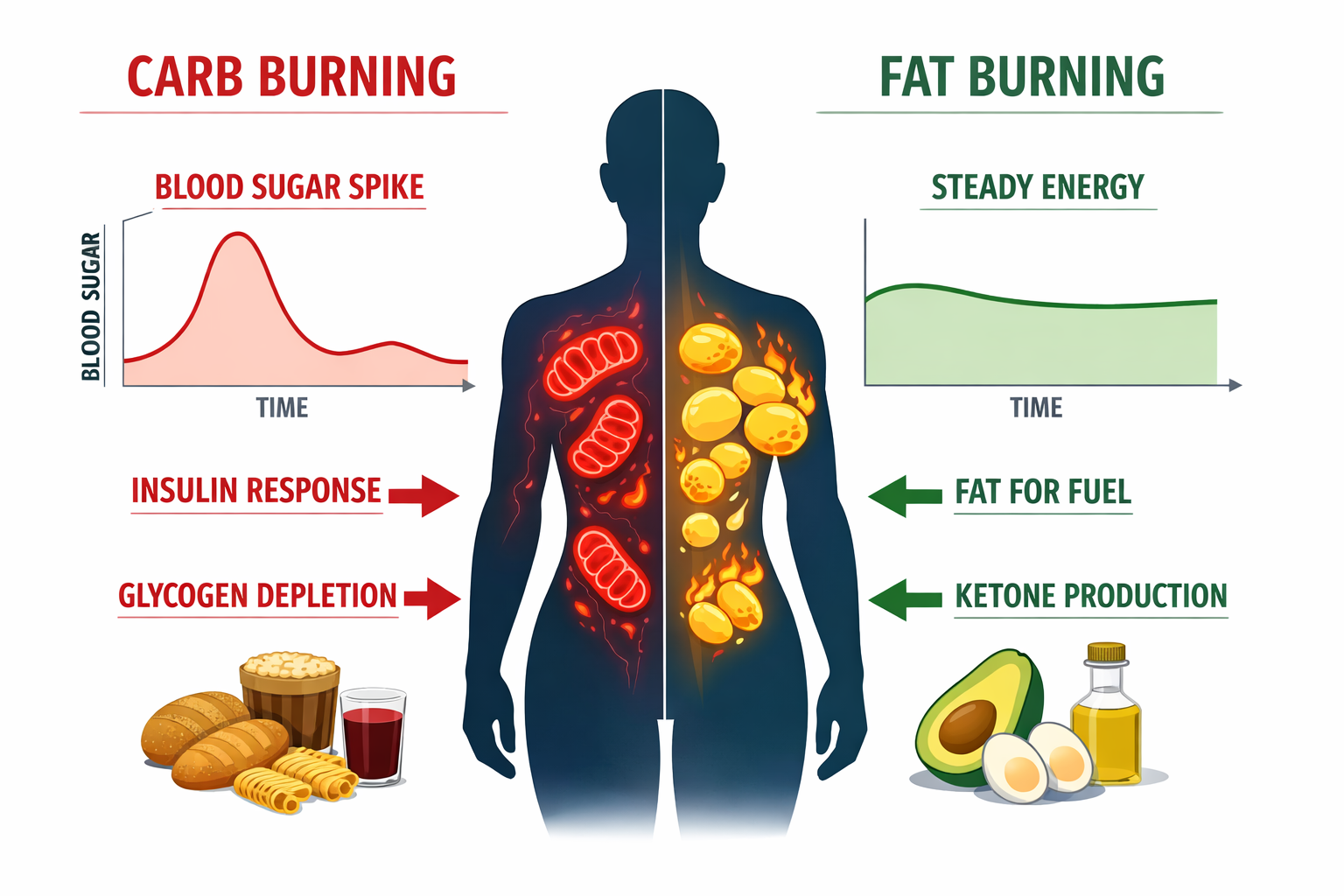
Here’s the mechanism in plain English. When you eat carbohydrates, your body breaks them down into glucose, which raises blood sugar. Your pancreas responds by releasing insulin. Insulin’s job is to move that glucose into cells for energy — but it also signals the body to store fat and blocks fat burning. Keep insulin elevated all day (which a high-carb diet does), and stored body fat stays locked away.
Reduce carbohydrates significantly, and insulin levels fall. The body runs low on glucose, depletes glycogen stores in the liver and muscles, and then turns to fat — both dietary fat and stored body fat — as its primary fuel source. This state is called metabolic flexibility, and it’s what makes low carb diets effective for weight loss beyond simple calorie restriction.
The simplest way to look at it is this: low carb diets don’t work through willpower. They work by changing the hormonal environment that controls fat storage.
Low Carb vs. Keto: What’s the Actual Difference?
| Approach | Daily Carb Target | Primary Fuel | Who It Suits |
|---|---|---|---|
| Moderate low carb | 100–150g | Mixed glucose/fat | Active individuals, beginners |
| Strict low carb | 50–100g | Mostly fat | Most adults seeking fat loss |
| Ketogenic | Under 30g | Fat/ketones | Metabolic conditions, rapid fat loss |
| Very low carb (VLCK) | Under 20g | Nutritional ketosis | Clinical protocols, obesity treatment |
Ketogenic diets are a subset of low carb eating, not a separate category. The distinction is whether you produce measurable ketones — compounds the liver makes from fat when glucose is scarce. You don’t need to be in full nutritional ketosis to lose weight on a low carb diet. Many people do very well at 50–100g of carbs per day without ever testing their ketone levels.
For a broader look at how low carb fits into the wider diet landscape, see our comprehensive guide to modern diets.
Why the “Low Fat” Era Made Things Worse
This is where I need to be direct, because it matters for understanding why so many people have struggled with conventional diet advice.
From roughly the 1980s through the 2000s, mainstream dietary guidance in the United States, the UK, and much of the Western world promoted a low-fat, high-carbohydrate approach to eating. The logic seemed sound at the time: fat has more calories per gram than carbohydrates, so eating less fat should cause weight loss. Government food pyramids were built on this idea. Food manufacturers replaced fat with sugar and refined carbohydrates in thousands of products.
The result? Obesity rates climbed steadily. Type 2 diabetes became an epidemic. Metabolic syndrome — the cluster of conditions including high blood sugar, excess abdominal fat, high triglycerides, and low HDL cholesterol — became widespread.
Here’s the real issue: dietary fat was never the primary driver of body fat accumulation. Insulin was. And the foods that spike insulin most aggressively are refined carbohydrates and sugars — exactly what the low-fat movement pushed people toward.
We need to separate fact from hype here. The evidence against dietary fat as the villain has been building for decades. Large meta-analyses have consistently failed to show that replacing saturated fat with carbohydrates improves cardiovascular outcomes. Meanwhile, carbohydrate restriction has demonstrated consistent benefits for weight, blood sugar, triglycerides, and insulin sensitivity across hundreds of clinical trials.
The food industry also played a role. “Low fat” became a marketing label. Products stripped of fat were loaded with corn syrup, maltodextrin, and other refined carbohydrates to maintain palatability. People ate more, felt less satisfied, and gained weight — then blamed themselves for lacking discipline.
Let’s call it what it is: the low-fat dietary experiment failed at a population level, and the evidence now supports a fundamentally different approach.
How Many Carbs Should You Eat Daily for Weight Loss?
The right carb target depends on the individual, but there are practical starting points based on current evidence.
A sensible starting point is this:
- 150g or more per day — standard Western diet range; unlikely to produce significant fat loss for most sedentary adults
- 100–150g per day — mild carb reduction; may help some people, especially if combined with better food quality
- 50–100g per day — moderate low carb; effective for most adults, manageable long-term, allows some fruit and starchy vegetables
- 20–50g per day — strict low carb / ketogenic range; produces the strongest metabolic shift, most effective for significant fat loss and blood sugar control
- Under 20g per day — very low carb ketogenic; used in clinical settings and for specific metabolic conditions
Current 2026 medical guidance emphasizes high-protein, low-carb diets with carbohydrates restricted to less than 25% of daily calories, focusing on fiber-rich vegetables and low-glycemic sources [6]. For a 2,000-calorie diet, 25% equates to roughly 125g of carbs — a reasonable starting point for most adults.
Context matters here. An athlete training twice a day has different carbohydrate needs than a sedentary office worker with insulin resistance. The numbers above are starting points, not rigid rules.
Signs Your Body Is Adapting to Low Carb
The first 1–2 weeks on a low carb diet often involve an adjustment period sometimes called “keto flu” — fatigue, mild headaches, and brain fog as the body shifts fuel sources. This is normal and temporary. Signs that adaptation is progressing well include:
- Reduced hunger and fewer cravings between meals
- More stable energy levels throughout the day (no afternoon crash)
- Improved mental clarity after the initial adjustment
- Clothes fitting looser, particularly around the midsection
- Better sleep quality in many cases
- Reduced bloating and digestive discomfort
Electrolyte intake — particularly sodium, potassium, and magnesium — matters during this transition. Low carb diets cause the kidneys to excrete more sodium, which can accelerate fluid and electrolyte loss.
What to Eat on a Low Carb Diet for Weight Loss
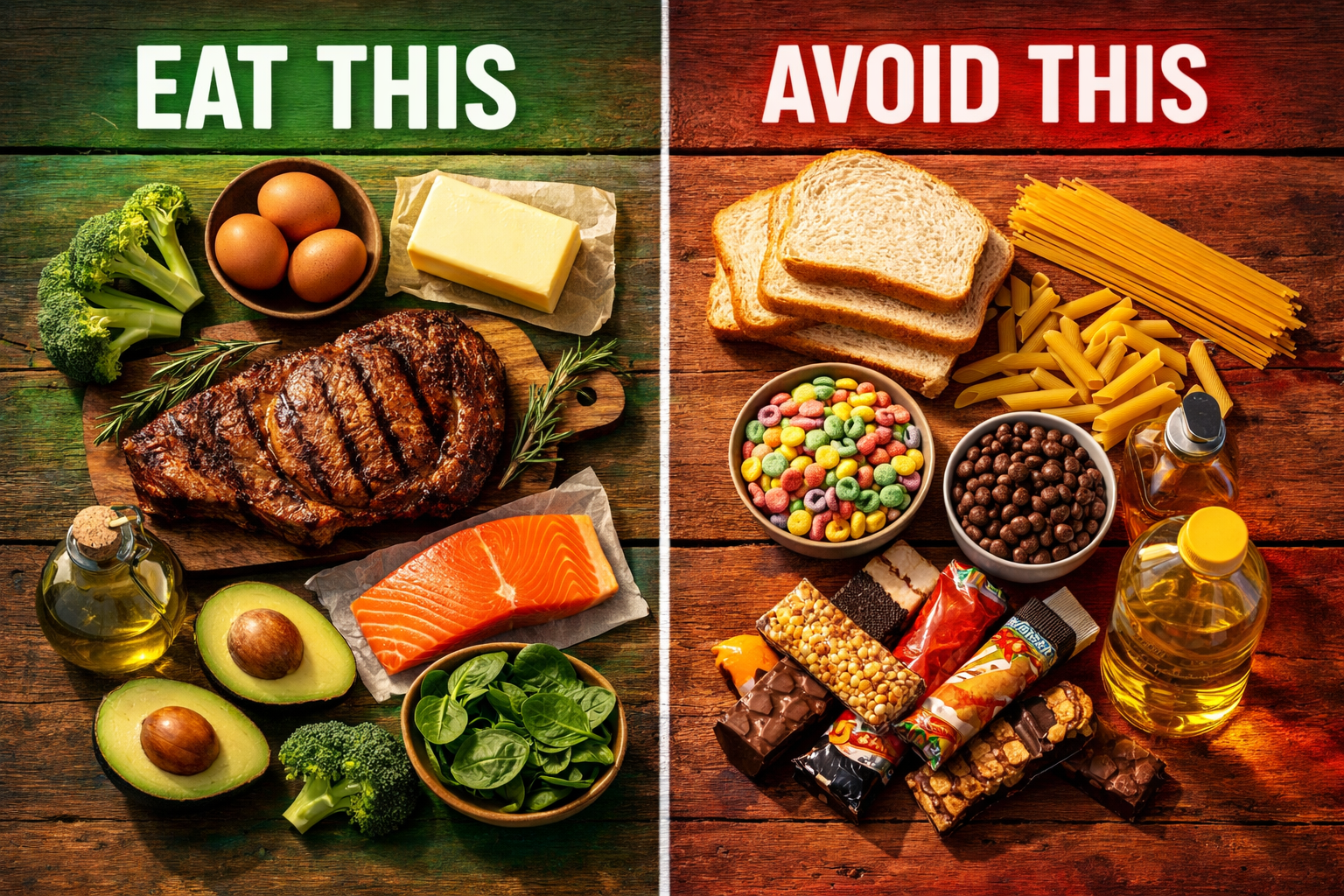
The foundation of an effective low carb diet for weight loss is whole, nutrient-dense food — not processed substitutes, not seed oil-laden snacks marketed as “keto-friendly,” and not artificial sweetener products that trigger cravings without delivering nutrition.
Foods to Eat: Build Your Plate Around These
Animal proteins and fats (eat freely):
- Beef, lamb, pork, and other red meats (preferably grass-fed where possible)
- Poultry — chicken, turkey, duck
- Eggs (whole eggs, not just whites — the yolk is where most nutrition lives)
- Fatty fish — salmon, sardines, mackerel, herring
- Butter and ghee (from grass-fed cows when available)
- Lard, tallow, and other animal fats
- Organ meats — liver in particular is exceptionally nutrient-dense
- Full-fat dairy — hard cheese, cream, Greek yogurt (in moderation)
Above-ground vegetables (eat generously):
- Leafy greens — spinach, kale, arugula, Swiss chard
- Cruciferous vegetables — broccoli, cauliflower, Brussels sprouts, cabbage
- Zucchini, cucumber, celery, asparagus
- Bell peppers, mushrooms, green beans
- Avocado (technically a fruit, but one of the best low-carb foods available)
Healthy fats:
- Extra virgin olive oil
- Coconut oil
- Avocado oil (for high-heat cooking)
- Nuts and seeds in moderation — almonds, walnuts, macadamia nuts, chia seeds
Beverages:
- Water (still and sparkling)
- Black coffee and plain tea
- Bone broth (excellent for electrolytes during adaptation)
For a deeper look at protein-rich whole foods that support this approach, our high protein foods for weight loss guide covers the best options in detail.
Foods to Avoid or Strictly Limit
High-carb foods that undermine fat loss:
- Bread, pasta, rice, and other grains
- Potatoes and root vegetables (sweet potato, parsnip, beetroot)
- Sugar in all forms — table sugar, honey, maple syrup, agave
- Fruit juice and sweetened beverages
- Most fruit (berries are the exception — low sugar, high antioxidants)
- Legumes and beans (moderate carb content; limit on strict protocols)
Processed “low carb” products to be skeptical of:
- Low-carb bars and protein bars (often contain maltitol, which spikes blood sugar)
- “Keto” ice cream and desserts (frequently contain seed oils and artificial sweeteners)
- Packaged low-carb bread (often highly processed with poor ingredient quality)
- Diet sodas and artificially sweetened drinks (the evidence on appetite effects is mixed at best)
Seed oils — avoid these regardless of carb content:
- Canola oil, soybean oil, sunflower oil, corn oil, cottonseed oil, safflower oil
- These are high in omega-6 polyunsaturated fatty acids, prone to oxidation, and produced through industrial chemical extraction processes
- They are found in virtually every processed food, restaurant fryer, and packaged snack
- Replacing them with butter, ghee, tallow, lard, olive oil, or coconut oil is one of the most impactful dietary changes you can make
I would be careful with the assumption that “low carb” automatically means healthy. A diet of processed cheese slices, seed oil-fried pork rinds, and diet soda is technically low carb. It is not a health strategy.
The High Protein Low Carb Diet for Weight Loss: Why Protein Matters
A high protein low carb diet for weight loss consistently outperforms low carb alone. This is not a minor distinction — protein’s role in body composition, appetite regulation, and metabolic rate is substantial and well-supported by evidence.
Here’s what protein does that fat and carbohydrates don’t:
- Preserves lean muscle mass during a calorie deficit, so the weight you lose is predominantly fat, not muscle
- Increases the thermic effect of food — your body burns roughly 20–30% of protein calories just digesting it, compared to 5–10% for carbohydrates and 0–3% for fat
- Reduces appetite more effectively than either fat or carbohydrates, primarily through effects on satiety hormones like GLP-1 and peptide YY
- Supports metabolic rate — muscle tissue is metabolically active, and preserving it prevents the metabolic slowdown that often accompanies weight loss
Current 2026 clinical guidance and active research protocols are examining high-protein, low-carb combinations with macronutrient distributions around 30% protein, 50% fat, and 20% carbohydrates [6]. This ratio supports fat loss while maintaining muscle and managing hunger effectively.
Practical Protein Targets
For most adults on a low carb diet for weight loss, a reasonable protein target is:
- Minimum: 1.2g per kilogram of body weight per day
- Optimal for fat loss: 1.6–2.2g per kilogram of body weight per day
- Higher end (active individuals or those preserving muscle): up to 2.4g per kilogram
For a 75kg (165 lb) adult, this means roughly 120–165g of protein per day. That’s achievable through whole food sources without supplementation: three eggs at breakfast, a large serving of salmon or ground beef at lunch, and a chicken thigh or steak at dinner covers most of that range.
For comprehensive guidance on building your protein intake around whole foods, see our high protein diet for weight loss complete guide.
Low Carb Meal Planning: A Practical Weekly Framework
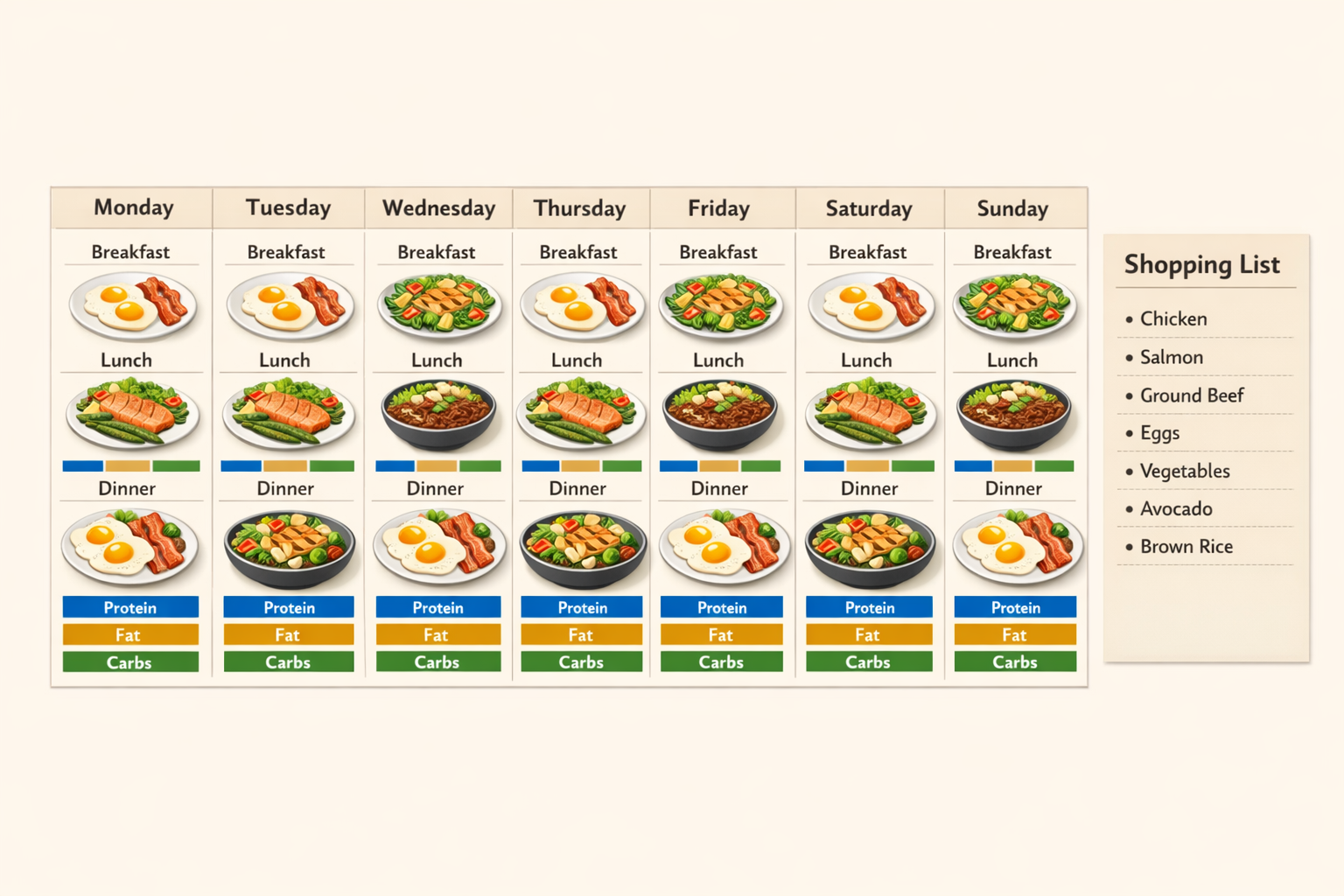
Let’s keep this practical. The biggest reason people abandon low carb diets isn’t lack of motivation — it’s lack of preparation. When hunger hits and there’s nothing ready to eat, the path of least resistance is whatever is convenient, and convenient usually means high carb.
Sample 7-Day Low Carb Meal Plan
Day 1
- Breakfast: 3 scrambled eggs in butter with spinach and 2 rashers of bacon
- Lunch: Large salad with grilled chicken, avocado, olive oil, and lemon dressing
- Dinner: Pan-seared salmon with roasted broccoli and a knob of butter
Day 2
- Breakfast: Full-fat Greek yogurt with a handful of blueberries and crushed walnuts
- Lunch: Beef lettuce wraps with sliced cucumber, cheese, and mustard
- Dinner: Lamb chops with sautéed zucchini and garlic in olive oil
Day 3
- Breakfast: 2-egg omelette with cheese, mushrooms, and fresh herbs
- Lunch: Sardines on a bed of arugula with capers and olive oil
- Dinner: Ground beef bowl with cauliflower rice, diced tomato, and sour cream
Day 4
- Breakfast: Bacon and eggs (fried in lard or butter)
- Lunch: Leftover ground beef bowl, cold or reheated
- Dinner: Roast chicken thighs with asparagus and a side of bone broth
Day 5
- Breakfast: Smoked salmon with cream cheese and cucumber slices
- Lunch: Tuna salad (in olive oil, not seed oil mayo) with celery and lettuce
- Dinner: Pork belly with braised cabbage and apple cider vinegar
Day 6
- Breakfast: Eggs any style with avocado and sea salt
- Lunch: Chicken liver pâté on cucumber rounds with a green salad
- Dinner: Ribeye steak with butter and steamed green beans
Day 7
- Breakfast: Bone broth with a side of hard-boiled eggs
- Lunch: Leftover steak sliced over mixed greens with olive oil
- Dinner: Whole roast chicken with roasted Brussels sprouts
Budget-Friendly Low Carb Strategies
Low carb eating does not have to be expensive. The perception that it requires premium cuts and specialty products is largely a marketing construct.
- Eggs are the most cost-effective protein source available. A dozen eggs provides roughly 72g of high-quality protein at a fraction of the cost of most other animal proteins.
- Cheaper cuts of meat are often better. Ground beef, chicken thighs, pork shoulder, and lamb neck are more affordable than premium cuts and frequently more flavorful.
- Buy frozen fish. Frozen salmon, sardines, and mackerel are nutritionally equivalent to fresh and significantly cheaper.
- Organ meats are the most nutrient-dense and least expensive animal foods. Liver, kidney, and heart are often cheaper per kilogram than ground beef.
- Cook in bulk. A Sunday batch cook of roasted chicken thighs, hard-boiled eggs, and a large pot of bone broth sets you up for most of the week.
- Grow or buy seasonal above-ground vegetables. Cabbage, spinach, and zucchini are inexpensive year-round.
For ideas on building healthy, satisfying meals around whole foods, our healthy meals for weight loss resource has practical options that align with a low carb approach.
Health Benefits Beyond Weight Loss
A low carb diet for weight loss does more than reduce the number on the scale. The metabolic improvements that accompany carbohydrate restriction affect multiple systems simultaneously.
Blood sugar and insulin control
Reducing carbohydrate intake directly lowers blood glucose and insulin levels. For people with type 2 diabetes or prediabetes, this can be clinically significant — in some cases allowing medication reduction under medical supervision. If you’re managing blood sugar, our article on diabetes early signs provides useful context on recognizing and addressing insulin-related issues early.
Triglycerides and HDL cholesterol
Low carb diets consistently reduce fasting triglycerides — one of the strongest markers of metabolic syndrome — and raise HDL (“good”) cholesterol. These changes are often more pronounced than those seen with low-fat diets.
Appetite and hunger regulation
This is underappreciated. Most people on a well-formulated low carb diet report significantly reduced hunger without deliberate calorie restriction. The combination of stable blood sugar, higher protein intake, and increased satiety from dietary fat removes the constant hunger that makes calorie-restricted diets so difficult to sustain.
Inflammation markers
Reducing refined carbohydrates and seed oils — both of which promote inflammatory pathways — tends to lower markers like C-reactive protein (CRP) and interleukin-6. For more on the dietary side of inflammation management, see our anti-inflammatory foods guide.
Cognitive clarity
Many people report improved mental focus after the initial adaptation period. Ketones are a highly efficient fuel for the brain, and some research suggests they may be neuroprotective over time — though this area of research is still developing.
What the Numbers Show
- Low carb diets lost approximately 2.6 kg more than low-fat diets over 3–4 months, with continued advantages at 6–8 months in meta-analysis data [2]
- 28% of U.S. adults planned to try a low-carb diet in 2026, making it the second most popular weight loss approach after calorie restriction [4]
- Ketogenic and low-carb diets with carbohydrate intake at or below 100g/day significantly reduced body weight, BMI, and body fat percentage in meta-analysis results [2]
Potential Risks, Side Effects, and Long-Term Safety
The evidence supports low carb diets as safe and effective for most adults. But I’d rather be accurate than impressive, so let’s address the legitimate concerns honestly.

Short-Term Side Effects
Keto flu (first 1–2 weeks): Fatigue, headaches, irritability, and brain fog as the body transitions fuel sources. This is temporary and largely preventable with adequate electrolyte intake — particularly sodium (add salt to food), potassium (from leafy greens and avocado), and magnesium (supplement if needed).
Constipation: Can occur if vegetable intake drops too low. Prioritize above-ground fibrous vegetables and adequate water intake. Our high fiber foods for weight loss guide covers fiber sources that are compatible with low carb eating.
Muscle cramps: Often a magnesium or potassium deficiency. Address through food first, supplementation if necessary.
Elevated LDL cholesterol in some individuals: Some people — particularly those with a genetic predisposition — see LDL rise on a high-fat diet. This warrants monitoring, and the pattern of LDL particles (large vs. small and dense) matters more than the total number. Work with a doctor if you have cardiovascular risk factors.
Long-Term Safety Considerations
This is not a simple topic, and the evidence is not fully settled.
A January 2026 study from the University of Utah Health published in Science Advances found that while ketogenic diets prevented weight gain in the study population, they triggered significant metabolic problems over extended periods [5]. This is an important finding that deserves attention, not dismissal.
What this means practically:
- Very strict ketogenic diets (under 20g carbs per day) may not be appropriate as a permanent, lifelong approach for all people
- Cycling between periods of strict low carb and moderate low carb may offer better long-term outcomes for some individuals
- Food quality matters enormously — a ketogenic diet built on processed meats, seed oils, and artificial sweeteners is not the same as one built on grass-fed beef, eggs, butter, and vegetables
- Regular blood work (every 6–12 months) is sensible for anyone following a strict low carb protocol long-term
Who should exercise caution or consult a doctor first:
- People with type 1 diabetes (risk of diabetic ketoacidosis)
- Those with kidney disease (high protein intake requires careful management)
- Pregnant or breastfeeding women
- Anyone on medications for diabetes, blood pressure, or heart conditions (doses may need adjustment as metabolic markers improve)
- People with a history of disordered eating
The stronger evidence points to moderate low carb (50–100g per day) as a sustainable, safe long-term approach for most healthy adults. Very low carb ketogenic protocols are powerful tools, but they work best when applied strategically rather than indefinitely.
Psychological Challenges and How to Navigate Them
This section is one that most low carb guides skip entirely, which is a significant oversight. The metabolic science is the easy part. The harder part is navigating the psychological and social dimensions of changing how you eat.
The first two weeks are the hardest. Carbohydrates — particularly sugar and refined grains — activate reward pathways in the brain in ways that are genuinely habit-forming. The initial period of restriction involves real cravings, mood fluctuations, and social friction. Knowing this in advance makes it easier to push through.
Social eating creates pressure. Most social events, family gatherings, and workplace environments are built around high-carb foods. Having a clear mental framework — “I eat meat, eggs, vegetables, and good fats” — makes navigating these situations simpler than trying to calculate carbs on the fly.
The identity shift matters. People who succeed long-term on low carb diets tend to reframe their relationship with food rather than treating it as a temporary restriction. The shift from “I can’t eat that” to “I don’t eat that” is psychologically significant — one implies deprivation, the other implies choice.
Stress eating is a real risk. Emotional triggers for eating don’t disappear on a low carb diet. Our guide on mindful eating and breaking the stress-eating cycle addresses this directly and is worth reading alongside any dietary change.
Progress is not linear. Weight loss on a low carb diet often comes in waves — rapid initial loss (mostly water and glycogen), followed by slower fat loss, occasional plateaus, and then further progress. The scale is not the only measure of success. Energy levels, sleep quality, hunger patterns, and clothing fit are all meaningful data points.
Low Carb for Different Situations and Dietary Restrictions
For vegetarians and vegans: Low carb is harder without animal products, but not impossible. Focus on eggs and full-fat dairy if lacto-ovo vegetarian. For vegans, protein sources include tofu, tempeh, seitan (note: high in gluten), hemp seeds, and high-protein nuts. Fat sources include avocado, coconut oil, olive oil, and nuts. Carb targets may need to be slightly higher (80–100g) to accommodate plant protein sources.
For athletes and highly active individuals: Carbohydrate needs are higher during intense training. A targeted ketogenic approach — adding 25–50g of fast-digesting carbs around training sessions — allows performance support while maintaining low carb benefits the rest of the day.
For people with metabolic syndrome or prediabetes: This population typically sees the most dramatic benefits from low carb eating. Blood sugar improvements can occur within days of starting. Medical supervision is important if on glucose-lowering medications.
For older adults (60+): Protein needs increase with age to preserve muscle mass. Prioritize the higher end of protein targets (1.8–2.2g per kg) and include resistance exercise alongside dietary changes.
For those on a tight budget: As outlined in the meal planning section above, eggs, ground beef, chicken thighs, and seasonal vegetables make this approach accessible without premium spending.
Interactive Tool: Daily Carb & Protein Target Calculator
Use the calculator below to find your personalized daily carbohydrate and protein targets based on your body weight and activity level.
Low Carb & Protein Target Calculator
Get your personalised daily carb and protein targets based on your weight and activity level.
These are evidence-based starting points, not medical prescriptions. Adjust based on how you feel and consult a healthcare professional if you have any underlying health conditions.
Frequently Asked Questions
Q: How quickly will I lose weight on a low carb diet?
Most people lose 1–3 kg in the first week, primarily from water and glycogen depletion. After that, fat loss typically runs at 0.5–1 kg per week depending on calorie deficit, protein intake, and individual metabolism. The initial rapid loss is real but not all fat — don’t be discouraged when the pace slows after week one.
Q: Do I need to count calories on a low carb diet?
Not necessarily. Many people lose weight without tracking calories because protein and fat are more satiating than carbohydrates, naturally reducing overall intake. However, if weight loss stalls, tracking calories for 1–2 weeks often reveals where excess intake is coming from. Nuts, cheese, and cream are common culprits.
Q: Is a low carb diet safe long-term?
For most healthy adults, moderate low carb (50–100g per day) appears safe long-term. Very strict ketogenic protocols (under 20g per day) have produced some concerning metabolic findings in recent research [5], suggesting they may work better as a periodic tool than a permanent state. Food quality matters enormously — a low carb diet built on whole foods is very different from one built on processed products.
Q: What is the difference between a low carb diet and a ketogenic diet?
All ketogenic diets are low carb, but not all low carb diets are ketogenic. Ketosis requires carbohydrate intake low enough (typically under 30–50g per day) that the liver begins producing ketones from fat. You can lose significant weight on a low carb diet without ever reaching full nutritional ketosis.
Q: Can I eat fruit on a low carb diet?
In moderation. Berries (blueberries, strawberries, raspberries, blackberries) are low in sugar and high in antioxidants — a small serving fits most low carb approaches. Tropical fruits (bananas, mangoes, pineapple) and fruit juice are high in sugar and best avoided during active fat loss phases.
Q: Will a low carb diet raise my cholesterol?
It depends on the individual and the type of fat consumed. Most people see improvements in the lipid profile most associated with heart disease risk: lower triglycerides, higher HDL, and a shift toward larger LDL particles. A minority of individuals (sometimes called “hyper-responders”) see LDL rise significantly. Regular blood work every 6–12 months is sensible.
Q: How do I handle eating out on a low carb diet?
Most restaurants can accommodate low carb eating without special requests. Order protein (steak, fish, chicken), ask for vegetables instead of fries or rice, and use olive oil or butter rather than sauce-heavy dressings. Avoid bread baskets. Burger patties without the bun, salads with protein, and grilled fish are reliable options almost everywhere.
Q: What should I eat if I feel hungry between meals?
First, check whether you’re actually hungry or just bored or stressed — low carb diets typically reduce true hunger significantly. If genuinely hungry, hard-boiled eggs, a small portion of cheese, a handful of macadamia nuts, or a few slices of cold meat are all appropriate options that won’t spike insulin.
Q: Is a low carb diet suitable for vegetarians?
Yes, though it requires more planning. Lacto-ovo vegetarians can rely on eggs, full-fat dairy, and above-ground vegetables. Vegans have a harder time but can use tofu, tempeh, hemp seeds, and nuts as protein sources, keeping carbs from legumes moderate and avoiding grains and sugars.
Q: How do I know if a low carb diet is working?
Beyond the scale, look for: reduced hunger between meals, more stable energy throughout the day, improved sleep, reduced bloating, and clothes fitting differently. These are often more reliable early indicators than weight alone, which fluctuates with water retention.
Conclusion: What Actually Works
The evidence for a low carb diet for weight loss is strong, consistent, and growing. It outperforms low-fat approaches in head-to-head trials [2], it addresses the underlying hormonal drivers of fat storage rather than just restricting calories, and it tends to reduce hunger in a way that makes it more sustainable than conventional diets.
But the approach matters. A low carb diet built on whole animal foods, above-ground vegetables, quality fats, and adequate protein is a fundamentally different intervention from one built on processed “keto” products, seed oils, and artificial sweeteners. The food quality piece is not optional.
The main takeaway is this: start with carbohydrate reduction, prioritise protein, eliminate seed oils and ultra-processed foods, and build your meals around real food. The metabolic benefits follow from those choices — not from any supplement, product, or complicated protocol.
Actionable next steps:
- Set your carb target — use the calculator above to find your starting point
- Clear the obvious — remove bread, pasta, rice, sugar, and seed oils from your kitchen
- Stock the basics — eggs, ground beef, chicken thighs, butter, leafy greens, and avocado cover most of your needs
- Commit to two weeks — the adaptation period is real, but so is the improvement that follows it
- Track protein, not just carbs — hitting your protein target is as important as hitting your carb ceiling
- Get blood work done — baseline metabolic markers give you something to measure against
- Read more — explore our best weight loss diet options guide for a broader view of how low carb fits within a complete weight loss strategy
There is no magic in it. The basics still do the heavy lifting. Eat real food, reduce carbohydrates, prioritise protein, and give your body time to adapt. That is what the evidence supports, and it is what works in the real world.