
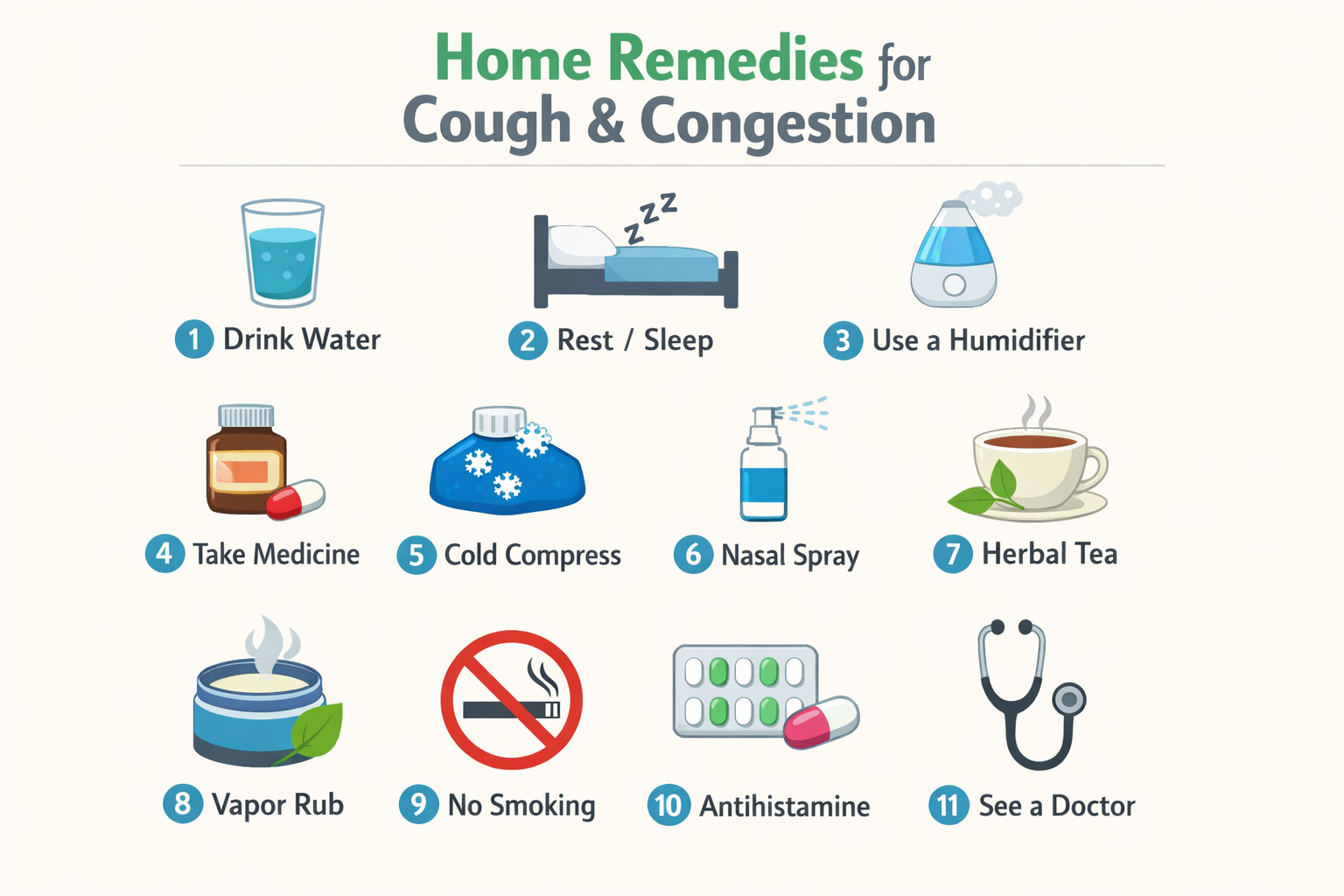
11 Proven Ways to Reduce Cough and Headache: A Complete Relief Guide

In this guide
- What Is the Connection Between Cough and Headache?
- How Does Hydration Help Reduce Both Cough and Headache?
- Why Is Rest So Critical When You Have a Cough or Headache?
- Does a Humidifier Actually Help With Cough and Headache?
- What Over-the-Counter Medications Work Best for Cough and Headache?
- What Natural Remedies Are Most Effective for Cough and Headache?
- How Do Antihistamines Help When Allergies Cause Cough and Headache?
- What Environmental Triggers Should You Avoid?
- When Should You See a Doctor for Cough and Headache?
- Step-by-Step Relief Checklist
Last updated: March 28, 2026
Quick Answer
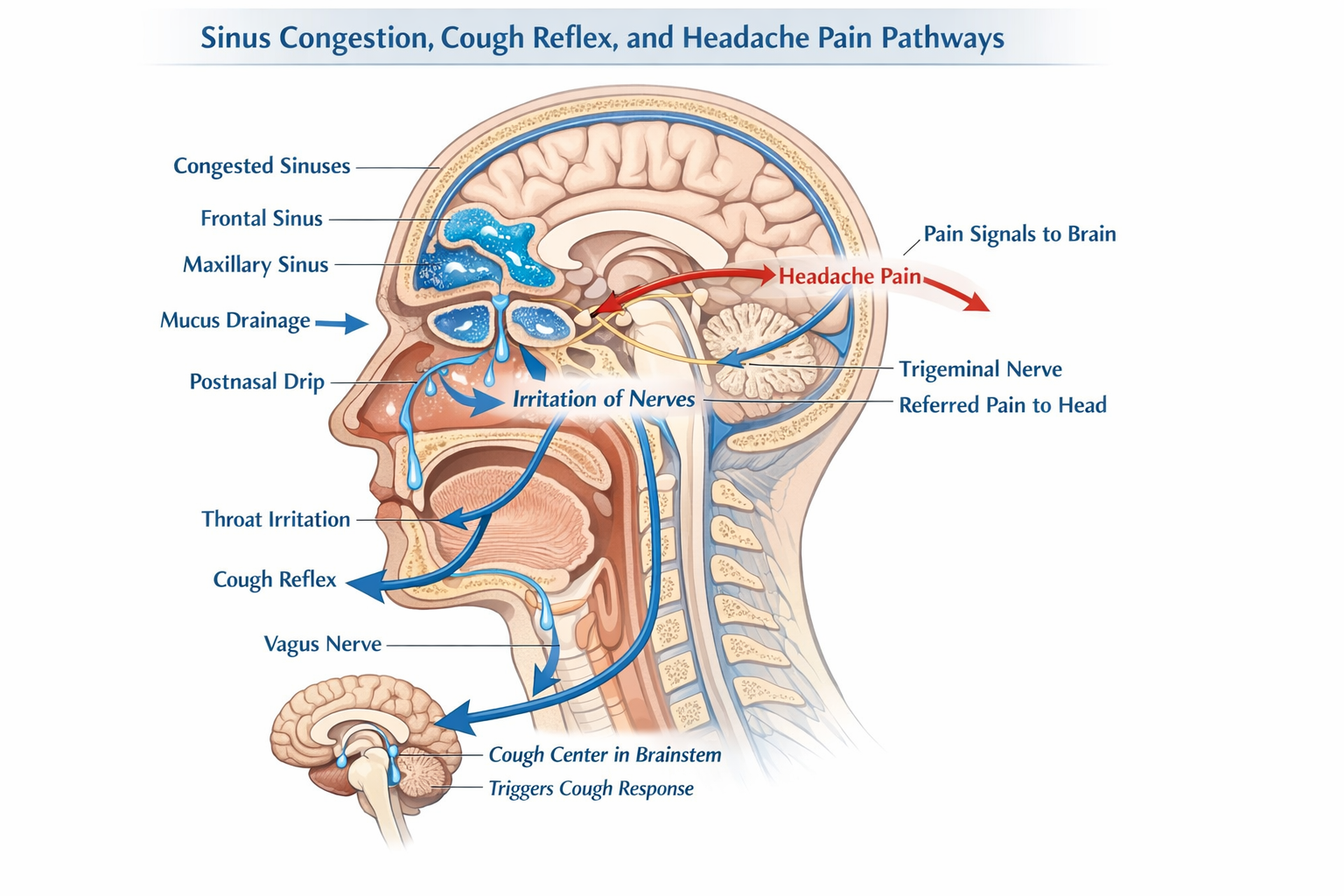
Coughs and headaches frequently occur together because they often share the same root causes — sinus congestion, respiratory infections, dehydration, and airway inflammation. The most effective relief strategy combines hydration, rest, targeted home remedies, and over-the-counter medications when needed. If symptoms persist beyond seven to ten days or worsen suddenly, medical evaluation is essential.
Key Takeaways
- Dehydration is one of the most overlooked triggers of both coughs and headaches — drinking 8–10 glasses of water daily can reduce symptom severity noticeably.
- A cough headache is a real, recognized medical condition where coughing increases intracranial pressure, causing sharp head pain.
- Humidifiers are especially useful in dry climates or during winter months when indoor air moisture drops significantly.
- Herbal teas containing ginger, chamomile, or peppermint have well-documented anti-inflammatory and soothing properties.
- Nasal decongestants address congestion-related headaches at the source, but should not be used for more than three consecutive days without medical guidance.
- Avoiding irritants like cigarette smoke, strong perfumes, and chemical fumes can prevent symptom flare-ups.
- Antihistamines are most effective when allergy is the underlying cause of your cough and headache.
- Cold compresses applied to the forehead or back of the neck can reduce headache intensity within minutes.
- Most cough-related headaches are benign, but sudden, severe “thunderclap” headaches with coughing require emergency evaluation.
- Consistent sleep of seven to nine hours per night supports immune function and reduces the frequency of both symptoms.
What Is the Connection Between Cough and Headache?
Coughs and headaches are linked more often than most people realize. When you cough forcefully, the sudden increase in intracranial pressure — the pressure inside your skull — can trigger or worsen a headache. This is a recognized phenomenon called a primary cough headache, characterized by sharp, bilateral head pain that starts immediately or within seconds of coughing.
Beyond the mechanical pressure effect, coughs and headaches frequently share the same underlying causes:
- Sinus infections (sinusitis): Congestion and inflammation create pressure in the sinuses, producing both a persistent cough (from post-nasal drip) and a dull, throbbing headache around the forehead, cheeks, or eyes.
- Respiratory infections: Colds, flu, and COVID-19 commonly produce both symptoms simultaneously due to systemic inflammation and fever.
- Dehydration: Insufficient fluid intake thickens mucus (worsening cough) and reduces blood volume (triggering headaches).
- Allergies: Histamine release causes nasal congestion, post-nasal drip, and headache pressure all at once.
- Environmental irritants: Smoke, dust, and chemical fumes irritate airways and can trigger both reflexive coughing and tension headaches.
Understanding the connection matters because treating the root cause — not just the individual symptoms — produces faster, more lasting relief.
How Does Hydration Help Reduce Both Cough and Headache?
Drinking enough fluids is one of the most effective and immediate steps you can take. Dehydration thickens mucus secretions in the airways, making coughs more persistent and harder to clear. At the same time, even mild dehydration reduces blood volume and causes blood vessels to constrict, which is a well-established trigger for headaches.
How much to drink: Most adults benefit from 8–10 cups (roughly 2–2.5 liters) of water per day, with higher intake when sick, exercising, or in hot environments.
Best fluid choices for cough and headache relief:
- Plain water — the most efficient way to rehydrate
- Warm water with lemon and honey — soothes the throat and provides mild antimicrobial support
- Herbal teas (ginger, chamomile, peppermint) — anti-inflammatory and calming; more on these below
- Broth or soup — provides electrolytes alongside hydration, which helps maintain fluid balance
- Coconut water — a natural source of electrolytes if you’ve been sweating due to fever
What to avoid: Caffeinated drinks (coffee, energy drinks, black tea) and alcohol both act as diuretics and can worsen dehydration, particularly when you’re already unwell.
Common mistake: Many people wait until they feel thirsty to drink water. By that point, mild dehydration has already set in. Sip fluids consistently throughout the day rather than in large, infrequent amounts.
Why Is Rest So Critical When You Have a Cough or Headache?
Rest is not passive — it’s an active part of recovery. During sleep, your body produces cytokines, proteins that help regulate immune responses and fight infection. Insufficient sleep suppresses this immune activity and prolongs recovery time from respiratory illnesses that cause coughing and headaches.
Practical rest strategies:
- Aim for seven to nine hours of uninterrupted sleep per night.
- Elevate your head slightly with an extra pillow to reduce post-nasal drip, which can worsen nighttime coughing.
- Keep your bedroom cool, dark, and quiet — light and noise both lower sleep quality and can aggravate headache sensitivity.
- Avoid screens for at least 30 minutes before bed; blue light disrupts melatonin production and delays sleep onset.
- Short naps of 20–30 minutes during the day can help, but avoid napping late in the afternoon as it may interfere with nighttime sleep.
Edge case: If you find that lying down consistently worsens your headache, or if coughing at night is so severe that sleep is impossible, these are signals to seek medical evaluation rather than simply pushing through.
Does a Humidifier Actually Help With Cough and Headache?
Yes — particularly in dry environments. When indoor air humidity drops below 30–40%, the mucous membranes lining your nose, throat, and airways dry out. Dry mucous membranes are less effective at trapping pathogens, more prone to irritation, and more likely to trigger a persistent dry cough. Sinus dryness also contributes to sinus headaches.
A humidifier adds moisture back into the air, which:
- Soothes irritated airways and reduces cough frequency
- Keeps nasal passages moist, reducing sinus pressure and headache
- Helps thin mucus, making it easier to clear
Choosing and using a humidifier effectively:
- Cool-mist vs. warm-mist: Both are effective. Cool-mist humidifiers are generally considered safer around children (no hot water risk). Warm-mist models can feel more soothing during cold symptoms.
- Target humidity: Keep indoor humidity between 40–60%. Below 30% is too dry; above 60% encourages mold and dust mite growth, which can worsen allergies.
- Maintenance matters: Clean your humidifier every two to three days to prevent mold and bacteria from being dispersed into the air — which would make symptoms worse, not better.
- Add eucalyptus or peppermint oil (in diffuser-compatible models only) for additional airway-opening benefits.
What Over-the-Counter Medications Work Best for Cough and Headache?
Several OTC options are effective, but choosing the right one depends on your specific symptoms. Using the wrong medication wastes money and can mask symptoms without addressing the cause.
For headache pain:
| Medication | Best For | Caution |
|---|---|---|
| Acetaminophen (Tylenol) | General headache, fever | Avoid with liver conditions or alcohol use |
| Ibuprofen (Advil, Motrin) | Inflammatory headache, sinus pain | Avoid on empty stomach; not for kidney issues |
| Aspirin | Tension headache in adults | Not for children under 16; avoid with blood thinners |
| Naproxen (Aleve) | Longer-lasting headache relief | Similar cautions to ibuprofen |
For cough:
- Dextromethorphan (DXM): A cough suppressant that reduces the urge to cough; best for dry, unproductive coughs.
- Guaifenesin (Mucinex): An expectorant that thins mucus, making wet coughs more productive and easier to clear.
- Combination products: Many cold medicines combine a pain reliever, decongestant, and cough suppressant. Read labels carefully to avoid doubling up on ingredients.
For congestion-related headache:
- Pseudoephedrine or phenylephrine (nasal decongestants): Narrow blood vessels in the nasal passages to reduce swelling and relieve sinus pressure headaches. Do not use for more than three consecutive days — “rebound congestion” (rhinitis medicamentosa) can develop with prolonged use.
Always consult a pharmacist or doctor before combining OTC medications, especially if you take prescription drugs or have chronic health conditions.
What Natural Remedies Are Most Effective for Cough and Headache?
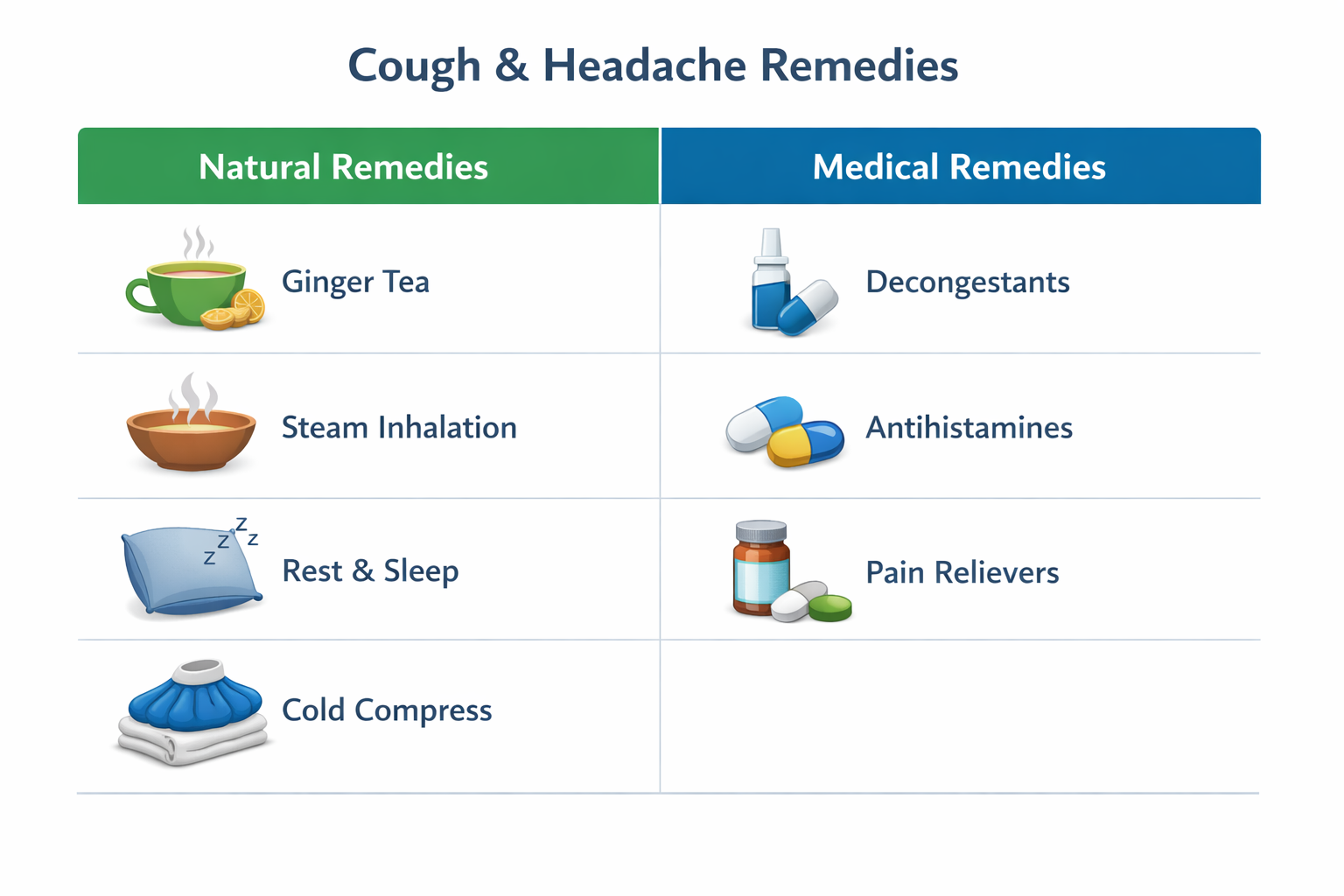
Natural remedies work best as complements to — not replacements for — evidence-based treatment. That said, several have genuine therapeutic value.
Herbal teas
Warm herbal teas address both symptoms simultaneously. The warmth soothes the throat and helps loosen mucus, while specific herbs provide additional benefits. You can read more about natural herbs that relieve headaches for a deeper look at botanical options.
- Ginger tea: Ginger contains gingerols and shogaols, compounds with documented anti-inflammatory properties. It can reduce throat irritation and help ease sinus-related headaches.
- Chamomile tea: Known for its mild sedative and anti-inflammatory effects, chamomile is particularly useful if your headache is tension-related or worsened by stress.
- Peppermint tea: Menthol acts as a natural decongestant, opening airways and reducing sinus pressure. Peppermint tea also has mild analgesic properties.
- Licorice root tea: Traditionally used to soothe irritated throats and reduce cough frequency.
- Turmeric golden milk: Turmeric’s active compound, curcumin, has well-studied anti-inflammatory effects that may help with both sinus inflammation and headache.
Steam inhalation
Inhaling steam from a bowl of hot water (with a towel draped over your head) or a warm shower loosens mucus, reduces sinus congestion, and can provide fast headache relief. Adding a few drops of eucalyptus oil enhances the airway-opening effect.
Cold and warm compresses
- Cold compress on the forehead or temples: Constricts blood vessels and numbs pain; most effective for throbbing, vascular headaches.
- Warm compress over the sinuses: Increases circulation and helps drain congested sinuses, relieving sinus-pressure headaches.
- Alternating: Some people find alternating cold and warm compresses more effective than either alone.
Vapor rub (menthol-based)
Applying a menthol-based vapor rub to the chest or under the nose creates a cooling sensation that reduces the perception of nasal congestion and soothes irritated airways. It doesn’t physically clear mucus, but the sensory effect can make breathing feel easier and reduce the urge to cough, especially at night.
Honey and lemon
A teaspoon of raw honey in warm water with lemon juice is a time-tested cough remedy. Honey coats and soothes the throat, reducing irritation that triggers coughing. A 2021 review published in BMJ Evidence-Based Medicine found that honey was more effective than usual care (including antihistamines and cough suppressants) for upper respiratory tract infection symptoms in adults and children over one year of age.
Note: Never give honey to children under 12 months due to the risk of infant botulism.
Incorporating anti-inflammatory foods into your diet during illness can also support faster recovery by reducing systemic inflammation.
How Do Antihistamines Help When Allergies Cause Cough and Headache?
When allergies are the underlying cause, antihistamines are among the most targeted treatments available. Allergic reactions trigger the release of histamine, which causes nasal congestion, post-nasal drip, sneezing, and sinus pressure — all of which can produce both a cough and a headache.
First-generation antihistamines (diphenhydramine/Benadryl): Effective but cause significant drowsiness. Best used at night.
Second-generation antihistamines (loratadine/Claritin, cetirizine/Zyrtec, fexofenadine/Allegra): Less sedating, suitable for daytime use. Cetirizine tends to be the most potent of the three; fexofenadine causes the least drowsiness.
Choose antihistamines if:
- Your symptoms worsen in specific environments (outdoors, around pets, in dusty spaces)
- You have a history of seasonal or perennial allergies
- Your cough is dry and accompanied by sneezing or watery eyes
Do not rely on antihistamines if:
- Your symptoms are caused by a bacterial infection (they won’t help)
- You have glaucoma, an enlarged prostate, or certain heart conditions (first-generation antihistamines can worsen these)
What Environmental Triggers Should You Avoid?
Avoiding irritants is one of the simplest ways to prevent cough and headache from worsening. Many people underestimate how significantly their environment affects symptom severity.
Common irritants to minimize or eliminate:
- Cigarette and vaping smoke: Smoke particles directly irritate the airways and trigger coughing; the chemicals also cause blood vessel changes that provoke headaches. Secondhand smoke is just as problematic.
- Strong fragrances: Perfumes, air fresheners, scented candles, and cleaning products contain volatile organic compounds (VOCs) that can trigger both cough and headache, particularly in sensitive individuals.
- Dust and mold: Common allergens that worsen congestion and sinus pressure. Regular vacuuming with a HEPA filter, washing bedding weekly in hot water, and controlling indoor humidity help reduce exposure.
- Cold, dry air: Breathing cold air can trigger airway spasms that produce coughing. Wearing a scarf over the nose and mouth in cold weather provides a simple buffer.
- Chemical fumes: Paint, cleaning agents, and industrial chemicals can irritate the respiratory tract and trigger headaches. Use these products in well-ventilated areas.
Environmental factors play a larger role in respiratory and neurological health than most people appreciate. For a broader look at how your surroundings affect your wellbeing, see this guide on environmental factors that affect human health.
When Should You See a Doctor for Cough and Headache?
Most coughs and headaches resolve on their own within seven to ten days. However, certain warning signs require prompt medical attention.
See a doctor if:
- Your headache is sudden and severe — described as “the worst headache of your life” (this can indicate a serious neurological event)
- Symptoms persist for more than ten days without improvement
- You have a fever above 103°F (39.4°C) that doesn’t respond to medication
- You cough up blood or dark-colored mucus
- Your headache is accompanied by stiff neck, confusion, vision changes, or sensitivity to light (possible meningitis)
- You experience shortness of breath or chest pain with coughing
- Symptoms return immediately after stopping treatment (could indicate secondary bacterial infection)
- You are pregnant, immunocompromised, or managing a chronic condition like asthma or COPD
Secondary cough headaches — those caused by an underlying structural issue like a Chiari malformation or intracranial mass — are rare but real. A doctor can distinguish these from benign primary cough headaches through neurological examination and imaging if needed.
Don’t self-treat a cough or headache that feels different from your usual symptoms. When in doubt, get checked.
Step-by-Step Relief Checklist
Use this checklist to work through your symptoms systematically:
- Hydrate immediately — drink a full glass of water and continue sipping throughout the day.
- Rest — lie down in a quiet, dark room if headache is present; elevate your head if coughing.
- Apply a compress — cold on the forehead for throbbing headache; warm over sinuses for pressure headache.
- Brew herbal tea — ginger, peppermint, or chamomile with honey and lemon.
- Use a humidifier — especially if air feels dry or you’re in a heated indoor environment.
- Take appropriate OTC medication — match the medication to your primary symptom (pain reliever for headache, expectorant for productive cough, suppressant for dry cough).
- Try steam inhalation — 10 minutes over a bowl of hot water or in a warm shower.
- Apply vapor rub — to chest or under the nose before sleep.
- Remove irritants — ventilate your space, avoid smoke and strong scents.
- Take antihistamines if allergies are suspected — use second-generation for daytime, first-generation at night.
- See a doctor — if symptoms are severe, unusual, or don’t improve within a week.
📂 Common Health Conditions & Remedies
This article is part of the APH cluster. Use the links below to move between the pillar and child articles.
- Read the pillar: Common Health Symptoms Decoded: When to Worry and When to Wait
- → 10 Best Herbs for Headaches: Migraine, Tension and Sinus Relief
- → What Are the Early Signs of Diabetes? A Complete Guide (2026)
- → Gingivitis Gums: What it is, Symptoms, Causes, treatment, and prevention
- YOU ARE HERE 11 Proven Ways to Reduce Cough and Headache: A Complete Relief Guide
Frequently Asked Questions
What is a primary cough headache?
A primary cough headache is a headache triggered directly by coughing, straining, or other Valsalva maneuvers. It typically causes sudden, sharp bilateral head pain lasting a few seconds to a few minutes. It’s generally benign but should be evaluated by a doctor to rule out secondary causes.
Can a cough cause a headache even without a cold?
Yes. Coughing from any cause — allergies, acid reflux, asthma, or even a dry environment — can raise intracranial pressure enough to trigger a headache. The underlying cause of the cough determines the best treatment approach.
How long does a cough headache typically last?
Primary cough headaches usually last between one second and 30 minutes. Headaches caused by sinus congestion or infection can persist for hours or days until the underlying congestion is treated.
Is it safe to take a pain reliever and a decongestant together?
Generally yes, but check the labels carefully. Many combination cold medicines already contain both. Taking separate products that each contain acetaminophen, for example, can lead to accidental overdose. Always read ingredient lists and consult a pharmacist if unsure.
Does honey really help a cough?
Yes, for adults and children over 12 months. Honey coats and soothes the throat, reducing the irritation that triggers coughing. It should not be given to infants under one year due to the risk of botulism.
Can dehydration alone cause both a cough and a headache?
Dehydration directly causes headaches through reduced blood volume and blood vessel changes. It also dries out mucous membranes, which can cause throat irritation and a dry cough. Rehydrating often improves both symptoms within 30–60 minutes in mild cases.
When is a cough headache a medical emergency?
Seek emergency care immediately if your headache is sudden and extremely severe (thunderclap headache), if it’s accompanied by neck stiffness, fever, confusion, or neurological symptoms, or if it’s the worst headache you’ve ever experienced. These can signal meningitis, subarachnoid hemorrhage, or other serious conditions.
Do antihistamines help non-allergic coughs?
First-generation antihistamines (like diphenhydramine) have mild anticholinergic effects that can reduce mucus secretion and suppress some coughs, even in non-allergic cases. However, they are not a first-line treatment for non-allergic coughs and may cause excessive drowsiness.
Can stress cause both cough and headache?
Stress can cause tension headaches directly. It can also worsen existing respiratory symptoms by altering immune function and increasing sensitivity to irritants. Stress-related hyperventilation can also produce throat tightness that feels like a cough reflex.
Should I use a cool-mist or warm-mist humidifier?
Both are effective for adding moisture to the air. Cool-mist models are safer around children and pets. Warm-mist models may feel more soothing during cold symptoms. The most important factor is keeping the device clean to prevent mold and bacterial growth.
This article is for informational purposes only and does not constitute medical advice. Always consult a qualified healthcare professional for diagnosis and treatment of medical conditions.
More great articles that may be of interest to you 🙂

Dave James has spent 30+ years reading health and longevity research, and has run All Perfect Health for the past five. His background is in Australian mining and industrial engineering — disciplines built on questioning claims, measuring outcomes, and respecting evidence. He writes about what the research actually says, including where the experts disagree.
More about Dave & this site →