9 Healthy Meals for Weight Loss: A Practical Guide to Eating Well in 2026
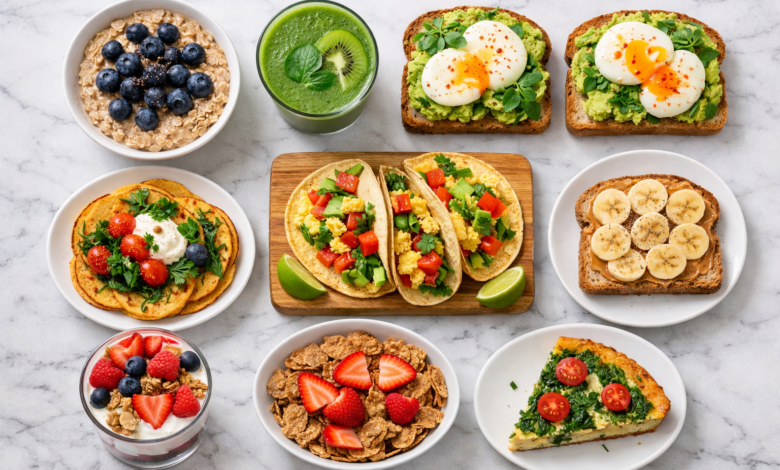
In this guide
- Why Does Meal Choice Matter So Much for Weight Loss?
- 1. Oatmeal with Blueberries and Walnuts
- 2. Green Smoothie or Fruit Smoothie
- 3. Eggs with Avocado Toast or Sweet Potato Hash
- 4. Chickpea Flour Pancakes with Fruit Compote
- 5. Breakfast Tacos or Burritos with Black Beans and Salsa
- 6. Whole-Grain Toast with Peanut Butter and Banana
- 7. Greek Yogurt with Fresh Fruit and Granola
- 8. Whole-Grain Cereal with Skim or Plant-Based Milk
- 9. Breakfast Quiche with Turkey Sausage and Spinach
- How Do These Meals Fit Into a Broader Weight-Loss Strategy?
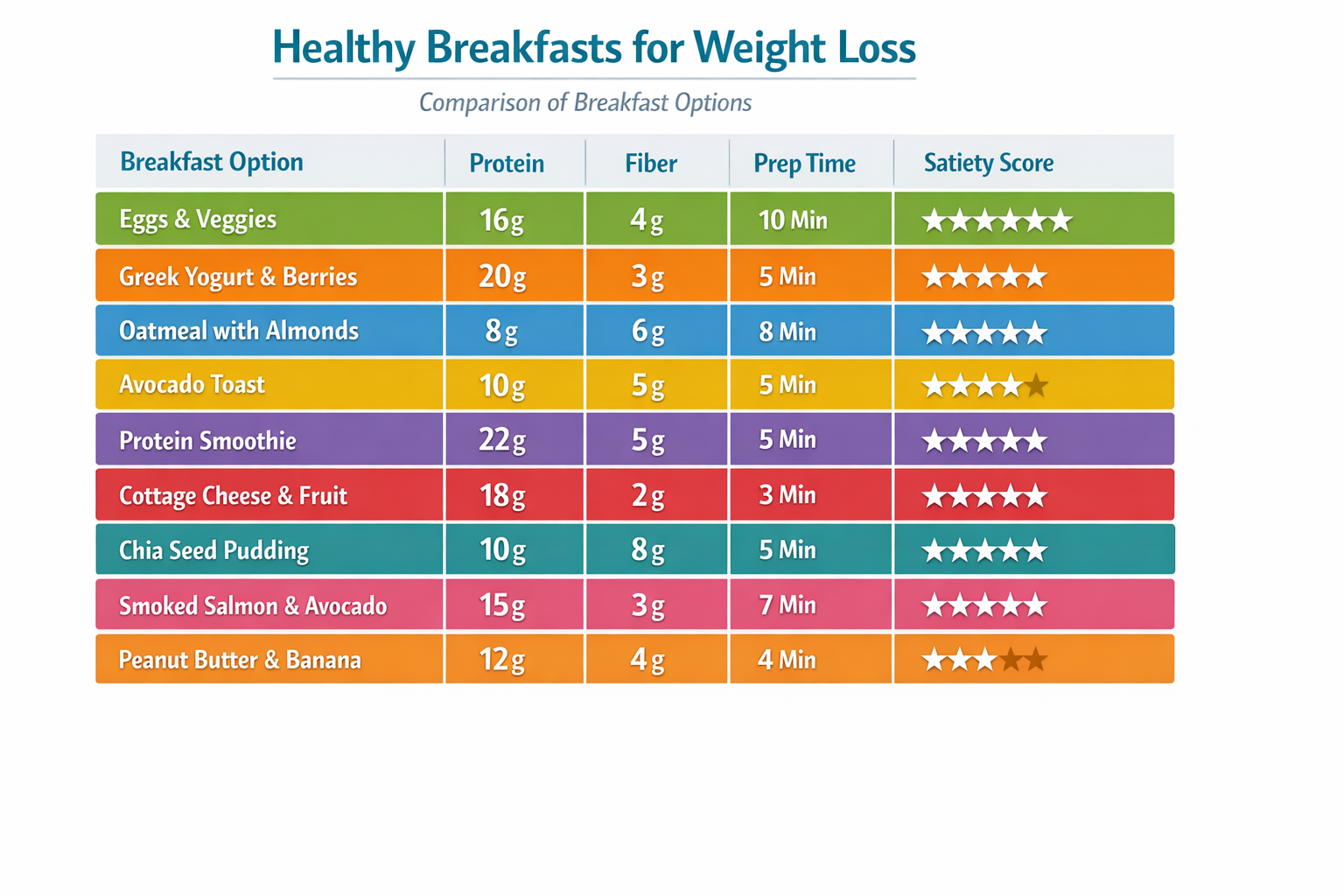
- Comparison Table: 9 Healthy Meals at a Glance
Last updated: March 28, 2026
Quick Answer
The best healthy meals for weight loss are high in protein and fiber, low in refined sugar, and satisfying enough to prevent overeating later in the day. The nine meals in this guide — from oatmeal with blueberries to a spinach and turkey quiche — are practical, nutrient-dense options that work for most dietary preferences and lifestyles. You don’t need to follow a restrictive diet to lose weight; you need meals that keep you full, fuel your body, and are easy enough to make consistently.
Key Takeaways
- Protein and fiber are the two most important nutrients for satiety — meals that combine both help control hunger without calorie restriction feeling painful.
- Oatmeal, eggs, Greek yogurt, and legumes are among the most research-backed foods for supporting healthy weight management.
- Smoothies can be excellent weight-loss meals, but only when built correctly — fruit-only smoothies can spike blood sugar; adding greens, protein, and healthy fats changes the equation.
- Avocados, walnuts, and peanut butter provide healthy fats that support fat loss, not hinder it, when eaten in appropriate portions.
- Meal prep matters: most of these nine meals take under 15 minutes to prepare, making consistency realistic.
- Swapping refined grains for whole grains (oats, quinoa, whole-grain bread) is one of the simplest dietary changes that supports weight loss over time.
- No single meal causes weight loss — the pattern of eating across the day and week is what drives results.
- These meals work best as part of a broader approach to healthy eating; see our comprehensive guide to modern diets for the bigger picture.
Why Does Meal Choice Matter So Much for Weight Loss?
What you eat at each meal directly influences your hunger hormones, energy levels, and total calorie intake for the rest of the day. Research consistently shows that meals high in protein and dietary fiber increase feelings of fullness (satiety) and reduce the likelihood of overeating at subsequent meals. This isn’t about eating less — it’s about eating smarter.
The meals in this guide are built around three principles:
- Protein first: Protein has the highest thermic effect of any macronutrient, meaning your body burns more calories digesting it. It also suppresses the hunger hormone ghrelin more effectively than carbohydrates or fat.
- Fiber as a foundation: Dietary fiber slows digestion, stabilizes blood sugar, and feeds beneficial gut bacteria — all of which support a healthy weight. For more on this, our guide to gut health and digestive wellness covers the connection in depth.
- Whole foods over processed: Minimally processed foods are more nutrient-dense per calorie and tend to be more satisfying than their packaged counterparts.
Common mistake: Many people focus only on cutting calories without considering meal composition. A 400-calorie meal of white toast and jam will leave you hungry within two hours. A 400-calorie meal of eggs, avocado, and whole-grain toast will keep you full for four to five hours. The calories are similar; the outcome is very different.
1. Oatmeal with Blueberries and Walnuts
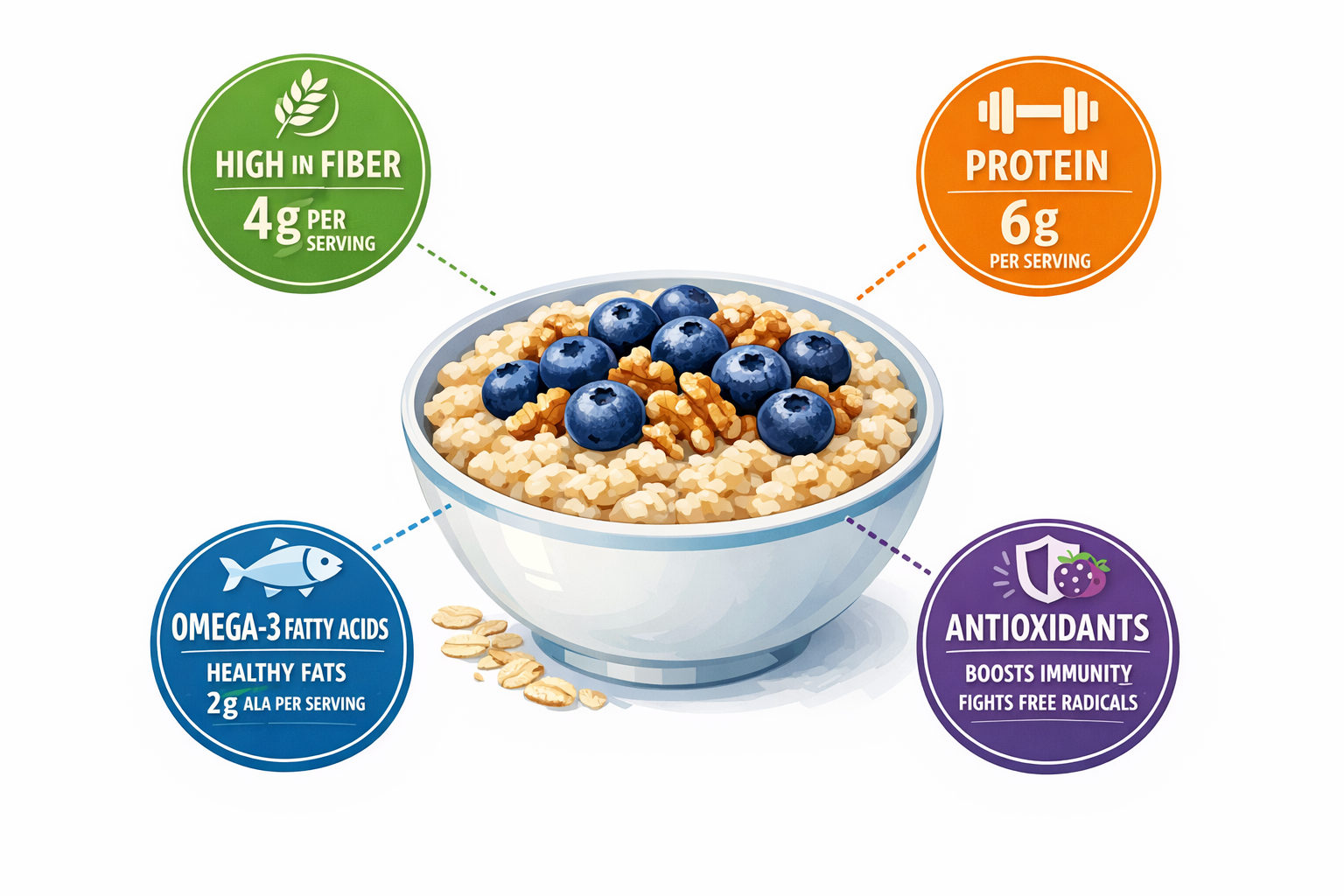
Oatmeal with blueberries and walnuts is one of the most effective weight-loss breakfasts you can make. It combines slow-digesting complex carbohydrates, antioxidant-rich fruit, and omega-3-rich nuts into a single bowl that takes about five minutes to prepare.
Why it works for weight loss
- Oats contain beta-glucan, a soluble fiber that forms a gel-like substance in the digestive tract, slowing glucose absorption and prolonging fullness. A standard half-cup serving of dry rolled oats provides roughly 4 grams of fiber and 5 grams of protein.
- Blueberries are low in calories (about 85 calories per cup) and high in anthocyanins — antioxidants that may support metabolic health and reduce inflammation. They also add natural sweetness, reducing the temptation to add sugar.
- Walnuts are one of the few plant foods rich in ALA omega-3 fatty acids, which support cardiovascular health and help reduce systemic inflammation. A small handful (about 14 walnut halves) adds healthy fat and protein that extends satiety.
How to make it
- Cook half a cup of rolled oats in one cup of water or unsweetened almond milk for 3–5 minutes.
- Top with a half-cup of fresh or frozen blueberries.
- Add a small handful of roughly chopped walnuts.
- Optional: a pinch of cinnamon for flavor and blood sugar support.
Choose this meal if you need a warm, filling breakfast that requires minimal prep and keeps you full through a busy morning.
2. Green Smoothie or Fruit Smoothie
A well-built green smoothie is a fast, portable, and genuinely nutritious weight-loss meal. The key word is “well-built” — a smoothie made only from fruit and juice is essentially a high-sugar drink. Add leafy greens, a protein source, and a healthy fat, and the nutritional profile changes dramatically.
Building a weight-loss smoothie correctly
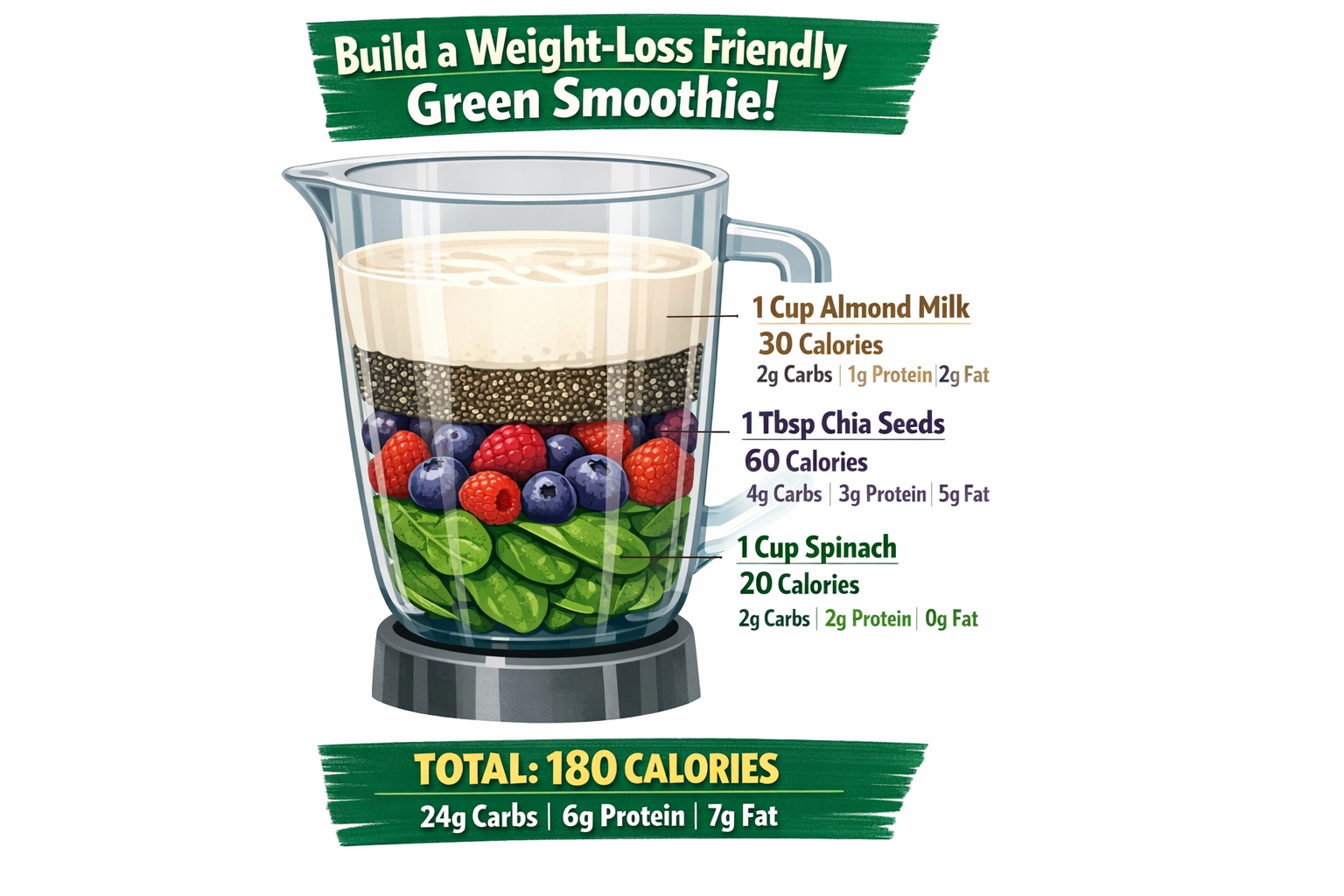
A balanced weight-loss smoothie should include:
- A leafy green base: Spinach, kale, or romaine. Spinach is the most beginner-friendly because it blends smoothly and has a mild flavor.
- Frozen fruit: Berries, mango, or banana for natural sweetness and fiber. Frozen fruit also eliminates the need for ice.
- A protein source: Greek yogurt, a scoop of protein powder, or silken tofu. Aim for at least 15–20 grams of protein per serving.
- A healthy fat: Half an avocado, a tablespoon of almond butter, or a tablespoon of chia seeds.
- A liquid base: Unsweetened almond milk, oat milk, or water. Avoid fruit juice — it adds sugar without fiber.
Basic green smoothie recipe
- 1 cup fresh spinach
- 1 cup frozen mixed berries
- 1/2 frozen banana
- 1 tablespoon chia seeds
- 3/4 cup unsweetened almond milk
- Optional: 1 scoop vanilla protein powder
Blend until smooth. This combination provides roughly 20–25 grams of protein, 8–10 grams of fiber, and sustained energy without a blood sugar spike.
Common mistake: Adding sweetened yogurt, honey, and fruit juice simultaneously. Each ingredient seems healthy in isolation, but combined they can push the sugar content of a single smoothie above 40 grams — comparable to a can of soda.
3. Eggs with Avocado Toast or Sweet Potato Hash
Eggs paired with avocado toast or sweet potato hash is a protein-forward breakfast that covers multiple nutritional bases in one meal. It’s also one of the most flexible options on this list — you can adjust it based on what’s in your kitchen.
Why eggs are a weight-loss staple
Eggs are one of the most nutrient-dense foods available. A large egg contains about 6 grams of protein and 5 grams of fat, with virtually zero carbohydrates. They’re also rich in choline, vitamin D, and B vitamins. For a full breakdown of egg nutrition, see our guide on calories in a hard-boiled egg.
Studies suggest that eating eggs at breakfast reduces calorie intake at subsequent meals compared to carbohydrate-heavy breakfasts, largely because of their effect on hunger hormones.
Avocado toast variation
- 2 eggs (poached, scrambled, or fried in a small amount of olive oil)
- 1–2 slices of whole-grain or sourdough bread
- Half an avocado, mashed with lemon juice, salt, and red pepper flakes
- Optional toppings: cherry tomatoes, microgreens, or a sprinkle of hemp seeds
Avocados are rich in monounsaturated fats and potassium, and they contain more fiber per serving than most fruits. For a deeper look at avocado’s nutritional benefits, our article on avocado’s health benefits is worth reading.
Sweet potato hash variation
- 1 medium sweet potato, diced small and pan-cooked in olive oil
- 2 eggs cooked alongside or on top
- Add diced bell peppers, onion, and a pinch of smoked paprika for flavor
Sweet potatoes provide complex carbohydrates, beta-carotene, and vitamin C — making them an excellent energy source that digests slowly.
Choose avocado toast if you want a lighter, faster option. Choose sweet potato hash if you need more sustained energy for a physically active morning.
4. Chickpea Flour Pancakes with Fruit Compote
Chickpea flour pancakes are a high-protein, gluten-free alternative to traditional pancakes that most people haven’t tried — and should. One cup of chickpea flour contains roughly 21 grams of protein and 10 grams of fiber, making these pancakes genuinely filling rather than a refined-carb indulgence.
Simple recipe
Ingredients (serves 2):
- 1 cup chickpea flour
- 3/4 cup water
- 1/2 teaspoon baking powder
- Pinch of salt
- Optional: 1 teaspoon vanilla extract or cinnamon
Directions:
- Whisk all ingredients together until smooth. Let the batter rest for 5 minutes.
- Cook on a lightly oiled non-stick pan over medium heat, about 2–3 minutes per side.
- Serve with a simple fruit compote: simmer fresh or frozen berries with a splash of water and a teaspoon of honey for 5 minutes until thickened.
The fruit compote adds natural sweetness, vitamin C, and additional fiber without the refined sugar found in commercial pancake syrups.
5. Breakfast Tacos or Burritos with Black Beans and Salsa
Breakfast tacos built around black beans and eggs are a satisfying, high-fiber meal that works well for weight loss — especially for people who find traditional breakfasts too light to carry them through the morning.
What makes this combination effective
- Black beans provide roughly 7–8 grams of fiber and 7 grams of protein per half-cup serving. Their low glycemic index means they release energy slowly, preventing the mid-morning energy crash that often leads to snacking.
- Eggs add additional protein and essential amino acids.
- Salsa is essentially free from a calorie standpoint — it adds flavor, lycopene (from tomatoes), and antioxidants without meaningful calories.
- Corn or whole-wheat tortillas provide more fiber than flour tortillas and keep the meal grounded in whole foods.
Quick assembly
- Scramble 2 eggs with a handful of spinach.
- Warm two small corn tortillas.
- Layer with a quarter-cup of black beans, the egg scramble, and two tablespoons of fresh salsa.
- Add sliced avocado if desired.
This meal takes under 10 minutes and provides a genuinely balanced macronutrient profile — protein, complex carbohydrates, and healthy fat in one package.
6. Whole-Grain Toast with Peanut Butter and Banana
This is the simplest meal on the list, and it’s also one of the most underrated. When built correctly, it’s a well-balanced combination of complex carbohydrates, protein, healthy fat, and natural sugar that provides steady energy without a spike-and-crash pattern.
Nutritional breakdown
- Whole-grain toast (2 slices): approximately 6–8 grams of protein, 4–6 grams of fiber, and complex carbohydrates that digest slowly.
- Natural peanut butter (2 tablespoons): 7–8 grams of protein, 16 grams of fat (mostly monounsaturated), and about 190 calories. Choose peanut butter with no added sugar or hydrogenated oils.
- Banana (1 medium): roughly 3 grams of fiber, significant potassium, and natural sugars that provide quick energy. For full nutritional details, see our banana nutrition guide.
Edge case: If you’re following a lower-carbohydrate approach to weight loss, swap the toast for celery sticks or apple slices. You’ll retain the protein and fat from the peanut butter while reducing carbohydrate load.
7. Greek Yogurt with Fresh Fruit and Granola
Greek yogurt is one of the most efficient protein sources available for a quick breakfast. A single cup of plain, full-fat Greek yogurt provides 17–20 grams of protein, live probiotic cultures that support gut health, and significant calcium. It’s also one of the few breakfast foods that requires zero cooking.
How to build a weight-loss-friendly yogurt bowl
- Start with plain Greek yogurt: Flavored varieties often contain 15–25 grams of added sugar per serving — more than a small candy bar. Plain yogurt lets you control sweetness.
- Add fresh fruit: Berries, sliced peaches, or kiwi add fiber, vitamins, and natural sweetness.
- Choose granola carefully: Many commercial granolas are high in added sugar and refined oils. Look for granola with less than 6 grams of sugar per serving, or make a simple version at home with rolled oats, nuts, and a small amount of honey.
- Optional add-ins: A tablespoon of flaxseed or chia seeds adds omega-3 fatty acids and additional fiber.
Choose this meal if you need breakfast ready in under two minutes and want a high-protein option that doesn’t require cooking.
8. Whole-Grain Cereal with Skim or Plant-Based Milk
Cereal gets a bad reputation — often deservedly so, because most commercial cereals are heavily processed and loaded with sugar. But the right cereal, paired with a good milk choice, can be a legitimate weight-loss breakfast.
What to look for in a weight-loss cereal
- At least 4–5 grams of fiber per serving
- Less than 6 grams of sugar per serving
- At least 4 grams of protein per serving
- Whole grain listed as the first ingredient
Good options include plain bran flakes, steel-cut oat cereals, or unsweetened puffed wheat. Pair with skim milk, unsweetened soy milk (which provides comparable protein to dairy), or unsweetened almond milk.
What to avoid: Cereals marketed as “healthy” that contain honey, dried fruit, or yogurt coatings often have sugar contents comparable to dessert foods. Always check the nutrition label rather than the front-of-package claims.
9. Breakfast Quiche with Turkey Sausage and Spinach
A breakfast quiche made with turkey sausage and spinach is a high-protein, make-ahead meal that solves one of the biggest obstacles to healthy eating: time. You can bake a full quiche on Sunday and eat it throughout the week, making it one of the most practical options on this list.
Why this meal supports weight loss
- Turkey sausage is significantly lower in saturated fat than pork sausage while providing comparable protein. Look for varieties with minimal additives.
- Eggs form the protein-rich base of the quiche.
- Spinach adds iron, folate, vitamins A and C, and fiber with almost no calories.
- A crustless version reduces refined carbohydrates and calories significantly — and honestly, the filling is the best part anyway.
Basic crustless quiche recipe
- Preheat oven to 375°F (190°C). Grease a 9-inch pie dish.
- Cook 4 ounces of turkey sausage in a pan, breaking it into crumbles. Add 2 cups of fresh spinach and cook until wilted.
- Whisk 6 large eggs with a quarter-cup of milk, salt, pepper, and a pinch of nutmeg.
- Combine the sausage and spinach with the egg mixture. Pour into the pie dish.
- Bake for 25–30 minutes until set in the center.
- Slice into 6 portions. Refrigerate for up to 4 days.
Each slice provides roughly 15–18 grams of protein and keeps well for weekday mornings when time is short.
How Do These Meals Fit Into a Broader Weight-Loss Strategy?
These nine meals are effective tools, but they work best as part of a consistent, sustainable approach to eating — not a short-term fix. A few principles worth keeping in mind:
- Consistency beats perfection. Eating one of these meals five days a week will produce better long-term results than eating perfectly for two weeks and then reverting to old habits.
- Hydration matters. Drinking water before and during meals supports satiety and is one of the simplest, most underused weight-loss strategies.
- Mindful eating amplifies results. Eating slowly, without screens, and paying attention to hunger cues can reduce calorie intake without any change to what you eat. Our article on mindful eating and breaking stress-eating cycles covers this in practical detail.
- Movement supports the process. Diet is the primary driver of weight loss, but regular movement — even walking — improves outcomes and supports long-term maintenance. For those looking to add structure, our guide on fool-proof techniques for rapid weight loss pairs well with this meal plan.
Comparison Table: 9 Healthy Meals at a Glance
| Meal | Approx. Protein | Approx. Fiber | Prep Time | Best For |
|---|---|---|---|---|
| Oatmeal with blueberries & walnuts | 8–10g | 6–8g | 5 min | Sustained morning energy |
| Green smoothie | 15–25g | 8–10g | 5 min | On-the-go mornings |
| Eggs with avocado toast | 18–22g | 5–7g | 10 min | High-protein start |
| Chickpea flour pancakes | 18–22g | 8–10g | 15 min | Weekend brunch |
| Breakfast tacos with black beans | 20–25g | 9–12g | 10 min | High-fiber, filling meal |
| Peanut butter & banana toast | 12–15g | 5–7g | 3 min | Quick grab-and-go |
| Greek yogurt with fruit & granola | 18–22g | 4–6g | 2 min | No-cook convenience |
| Whole-grain cereal with milk | 8–12g | 4–6g | 2 min | Minimal effort option |
| Turkey sausage & spinach quiche | 15–18g | 2–3g | 35 min (make-ahead) | Meal prep efficiency |
Protein and fiber estimates are approximate and vary based on specific brands, portion sizes, and preparation methods.
Frequently Asked Questions
What are the most important nutrients to look for in a weight-loss meal?
Prioritize protein and dietary fiber. Protein increases satiety and has a high thermic effect, meaning your body burns more calories digesting it. Fiber slows digestion, stabilizes blood sugar, and keeps you full longer. A meal that combines both — like eggs with whole-grain toast or Greek yogurt with berries — is more effective for weight management than a meal that’s only low in calories.
Can I eat these meals for lunch or dinner, not just breakfast?
Yes. Most of these meals — particularly the quiche, breakfast tacos, smoothies, and egg dishes — work well at any time of day. The label “breakfast food” is largely cultural. If a chickpea flour pancake with fruit compote fits your schedule better at noon, eat it at noon.
How many calories should a weight-loss meal contain?
There’s no universal answer — it depends on your total daily calorie target, which varies by body size, activity level, and rate of intended weight loss. As a general guideline, a weight-loss breakfast for most adults falls between 300 and 500 calories. The meals in this guide mostly fall within that range when portioned appropriately.
Are smoothies actually good for weight loss, or do they spike blood sugar?
A fruit-only smoothie made with juice can spike blood sugar because it lacks fiber and protein to slow absorption. A smoothie built with leafy greens, frozen fruit, protein (Greek yogurt or protein powder), and a healthy fat (chia seeds or nut butter) digests much more slowly and supports stable blood sugar. The composition matters more than the format.
What’s the healthiest way to cook eggs for weight loss?
Poached or hard-boiled eggs are the lowest-calorie preparation methods because they require no added fat. Scrambled eggs cooked in a small amount of olive oil or a non-stick pan are also a good option. Frying in butter or large amounts of oil adds significant calories without nutritional benefit. For detailed egg nutrition data, see our hard-boiled egg calorie guide.
Is peanut butter good or bad for weight loss?
Natural peanut butter — with no added sugar or hydrogenated oils — is a healthy fat and protein source that supports satiety. The concern with peanut butter and weight loss is portion size: two tablespoons is a serving; many people use three or four. Measured portions of natural peanut butter are a net positive in a weight-loss diet.
How do I avoid getting bored eating the same healthy meals repeatedly?
Rotate through the nine meals on a weekly schedule rather than eating the same thing every day. Small variations also help — change the fruit in your yogurt bowl, swap spinach for kale in your smoothie, or try different spice combinations in your egg dishes. The structure stays the same; the details keep it interesting.
Are these meals suitable for people with diabetes or insulin resistance?
Many of these meals — particularly oatmeal, eggs with avocado, Greek yogurt, and the chickpea pancakes — are appropriate for people managing blood sugar, because they combine protein, fiber, and healthy fat in ways that support stable glucose levels. However, individual responses to food vary. Anyone managing diabetes should work with a registered dietitian to tailor meal choices to their specific needs.
What foods should I avoid when trying to lose weight?
The most impactful foods to reduce are: sugary beverages (including fruit juice and sweetened coffee drinks), ultra-processed snack foods, refined-grain products with little fiber, and meals high in added sugar. These foods tend to be calorie-dense, low in satiety, and easy to overconsume. Reducing them — rather than eliminating entire food groups — is a sustainable starting point.
How quickly can I expect to see results from eating these meals?
Dietary changes typically show measurable effects on weight within two to four weeks when maintained consistently and combined with a modest calorie deficit. However, weight loss is influenced by many factors beyond meal choice, including sleep quality, stress levels, physical activity, and overall dietary pattern. These meals support the process — they don’t work in isolation.
More great articles that may be of interest to you 🙂
How Live a Healthy Lifestyle
If you want to learn more information about healthy meals for weight loss, Then you should read this article: 18 Healthy Foods for Your Weight Loss Journey
References
- Healthline. “18 Healthy Foods for Your Weight Loss Journey.”
- Krieger JW, et al. Effects of variation in protein and carbohydrate intake on body mass and composition during energy restriction: a meta-analysis. American Journal of Clinical Nutrition, 2012.
- Clark MJ, Slavin JL. Can dietary viscous fiber affect body weight independently of an energy-restrictive diet? A systematic review and meta-analysis. Obesity Reviews, 2020.
- Aune D, et al. Health benefits of dietary whole grains: an umbrella review of meta-analyses. Current Developments in Nutrition, 2017.
📂 Weight Loss
This article is part of the APH cluster. Use the links below to move between the pillar and child articles.
- Read the pillar: The Best Weight Loss Diet in 2026: A Science-Backed Guide to Every Major Approach
- → Intermittent Fasting for Weight Loss: Complete 2026 Guide
- → High Protein Diet for Weight Loss
- → The Protein Leverage Hypothesis: Why Protein Controls Your Weight
- → How to Break a Weight Loss Plateau: What the Evidence Actually Says
- → Breaking the Weight Loss Plateau: Metabolic Adaptation and How to Overcome It
- → Herbs for Weight Loss: 10 Evidence-Based Herbs That Boost Metabolism
- YOU ARE HERE 9 Healthy Meals for Weight Loss: A Practical Guide to Eating Well in 2026
- → 5 Best Detox Teas for Weight Loss: A Science-Backed Guide (2026)