
Common Health Symptoms Decoded: When to Worry and When to Wait
Last updated: April 18, 2026
Quick Answer: Most symptoms that send people to a search engine at 11pm are not emergencies — but some are. This common health symptoms guide helps you tell the difference. The key is knowing which symptoms are usually benign, which ones need a doctor’s appointment within a few days, and which ones require immediate attention. Context matters more than the symptom alone.
Key Takeaways
- Most common symptoms (fatigue, mild headache, occasional bloating) have benign explanations and resolve on their own within a few days.
- Duration, severity, and pattern change the picture significantly — a headache that is “the worst of your life” is not the same as a tension headache.
- Red flag symptoms — chest pain with shortness of breath, sudden neurological changes, blood in stool — warrant same-day or emergency care, no exceptions.
- The 2024–2025 flu season recorded an estimated 47 to 82 million illnesses in the US alone, making respiratory symptom awareness especially relevant right now. [5]
- Mental health warning signs are just as real as physical ones, and they are frequently overlooked until they become serious. [7]
- Persistent symptoms lasting more than 2–3 weeks, or symptoms that are getting progressively worse, always deserve professional evaluation.
- Self-diagnosis tools are useful for context, not conclusions — use them to prepare for a conversation with a doctor, not to replace one.
- Your personal baseline matters. A resting heart rate of 55 bpm is normal for a fit adult and alarming for someone who is usually at 80.
Table of Contents
- How Do You Know If a Symptom Is Serious? Start Here
- Respiratory and Neurological Symptoms: Cold, Flu, or Something Else?
- Metabolic Warning Signs: What Your Body Is Trying to Tell You
- Digestive and Gut Health Symptoms: Normal Variation vs Genuine Warning Signs
- Oral Health Symptoms: The Warning Signs People Ignore
- Mental Health Warning Signs: When Emotional Symptoms Need Professional Attention
- Red Flag Symptoms: The Ones That Cannot Wait
- Using This Common Health Symptoms Guide Effectively: A Practical Framework
- Symptom Checker: Interactive Decision Tool
- Symptom Decision Tool
- Frequently Asked Questions (FAQ)
- Conclusion: What Actually Matters
How Do You Know If a Symptom Is Serious? Start Here
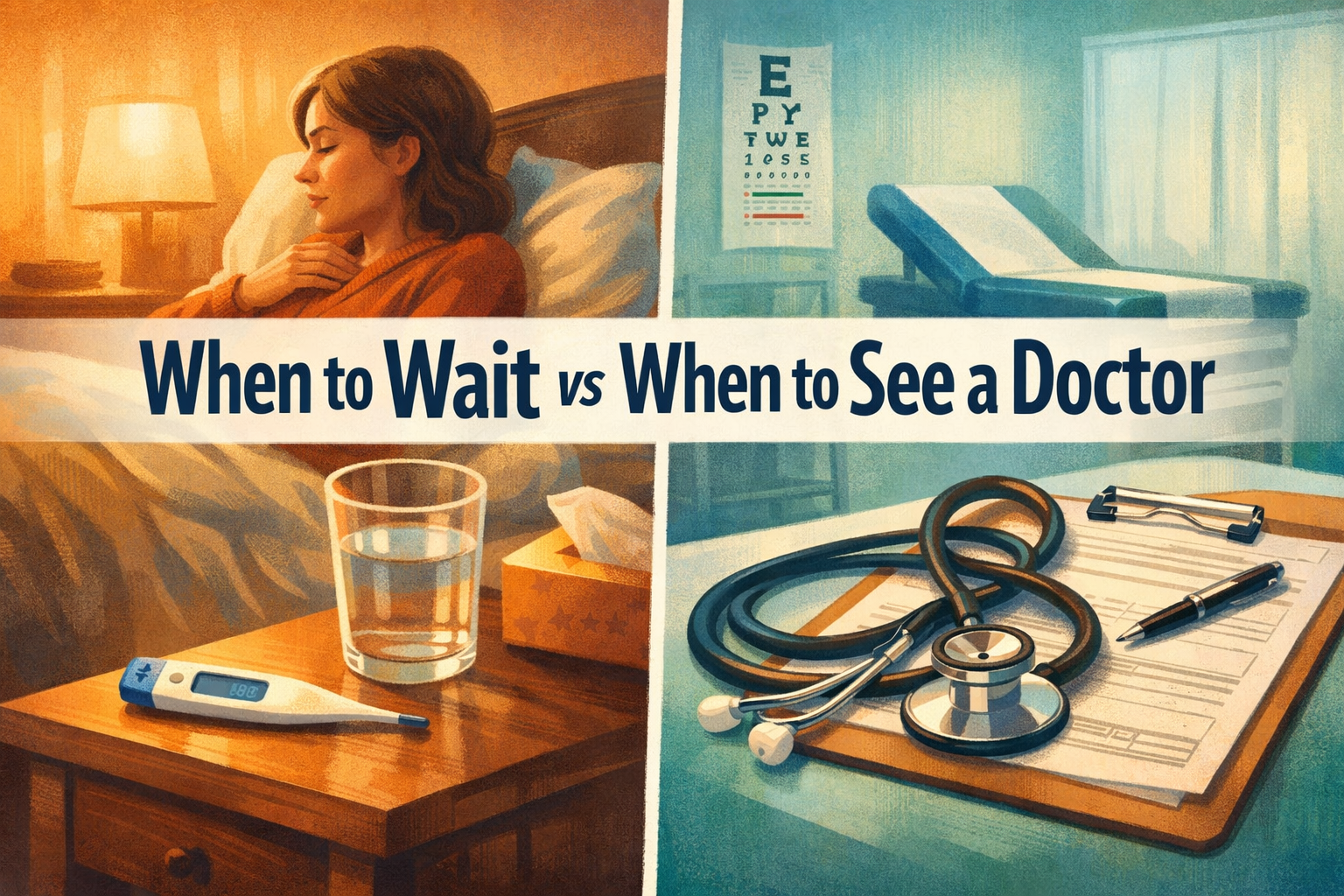
The honest answer is: it depends on the conditions. A symptom is not a diagnosis. It is a signal, and signals need context before they mean anything useful.
Here is the real issue most people run into: they either dismiss something that deserves attention, or they catastrophise something that is completely routine. Both responses are understandable. Neither is particularly helpful.
The three questions worth asking about any symptom:
- How long has it been going on? A symptom that appeared yesterday is very different from one that has been building for three weeks.
- Is it getting better, staying the same, or getting worse? Direction matters as much as severity.
- Is it interfering with normal function? Pain or fatigue that stops you sleeping, eating, or working is a different category from something you notice but can push through.
A sensible starting point is this decision framework:
| Situation | What to do |
|---|---|
| Symptom appeared in the last 24–48 hours, mild, no red flags | Monitor at home, rest, hydrate |
| Symptom persisting 3–7 days without improvement | Contact your GP or primary care provider |
| Symptom persisting more than 2–3 weeks | Book an appointment — do not wait |
| Symptom is severe, sudden, or accompanied by red flags | Seek emergency care immediately |
| Symptom is new and you have a known chronic condition | Contact your care team sooner rather than later |
The basics still do the heavy lifting here. Most of the time, the right call is straightforward once you slow down and look at the full picture.
Respiratory and Neurological Symptoms: Cold, Flu, or Something Else?
Respiratory symptoms are the most common reason adults search for health information, and they are also the most frequently misread. In plain English: not every cough is flu, and not every headache is a brain tumour.
The 2025–2026 respiratory illness season has been notable. According to current data, the flu season is forecast to remain severe, with the previous season recording between 47 and 82 million flu illnesses in the US. [5] Knowing how to distinguish between common respiratory conditions is genuinely useful right now.
Symptom comparison: Cold vs Flu vs COVID-19 vs RSV [2][4]
| Symptom | Cold | Flu | COVID-19 | RSV |
|---|---|---|---|---|
| Fever | Rare | Common, often high | Common | Common in children |
| Cough | Mild | Common, dry | Common | Prominent |
| Sore throat | Common | Sometimes | Sometimes | Common |
| Body aches | Mild | Severe | Moderate to severe | Mild |
| Fatigue | Mild | Severe | Can be severe | Moderate |
| Headache | Mild | Common | Common | Rare |
| Onset | Gradual | Sudden | Gradual to sudden | Gradual |
When to wait: A mild cough with a runny nose, no fever above 38.5°C (101.3°F), and no difficulty breathing is almost always a cold or mild viral illness. Rest, fluids, and time are the treatment.
When to see a doctor: Fever lasting more than 3 days, cough producing coloured mucus for more than a week, or any difficulty breathing deserves professional evaluation.
When to go immediately: Breathing difficulty that comes on suddenly, lips or fingernails turning blue, or confusion accompanying a respiratory illness — these are emergencies.
Headaches deserve their own mention. The vast majority are tension-type or related to dehydration, poor sleep, or screen time. [8] But a headache described as “the worst of my life,” a sudden thunderclap headache, or a headache with fever and neck stiffness is a different situation entirely. If you are dealing with frequent or persistent headaches, our guide to 11 best ways to reduce cough and headache covers practical, evidence-based approaches. For those interested in natural approaches to headache relief, 10 natural herbs to get rid of headaches is worth reading alongside this guide.
The main takeaway: Respiratory symptoms are common and usually benign. The pattern, severity, and duration tell you far more than the symptom name alone.
Metabolic Warning Signs: What Your Body Is Trying to Tell You
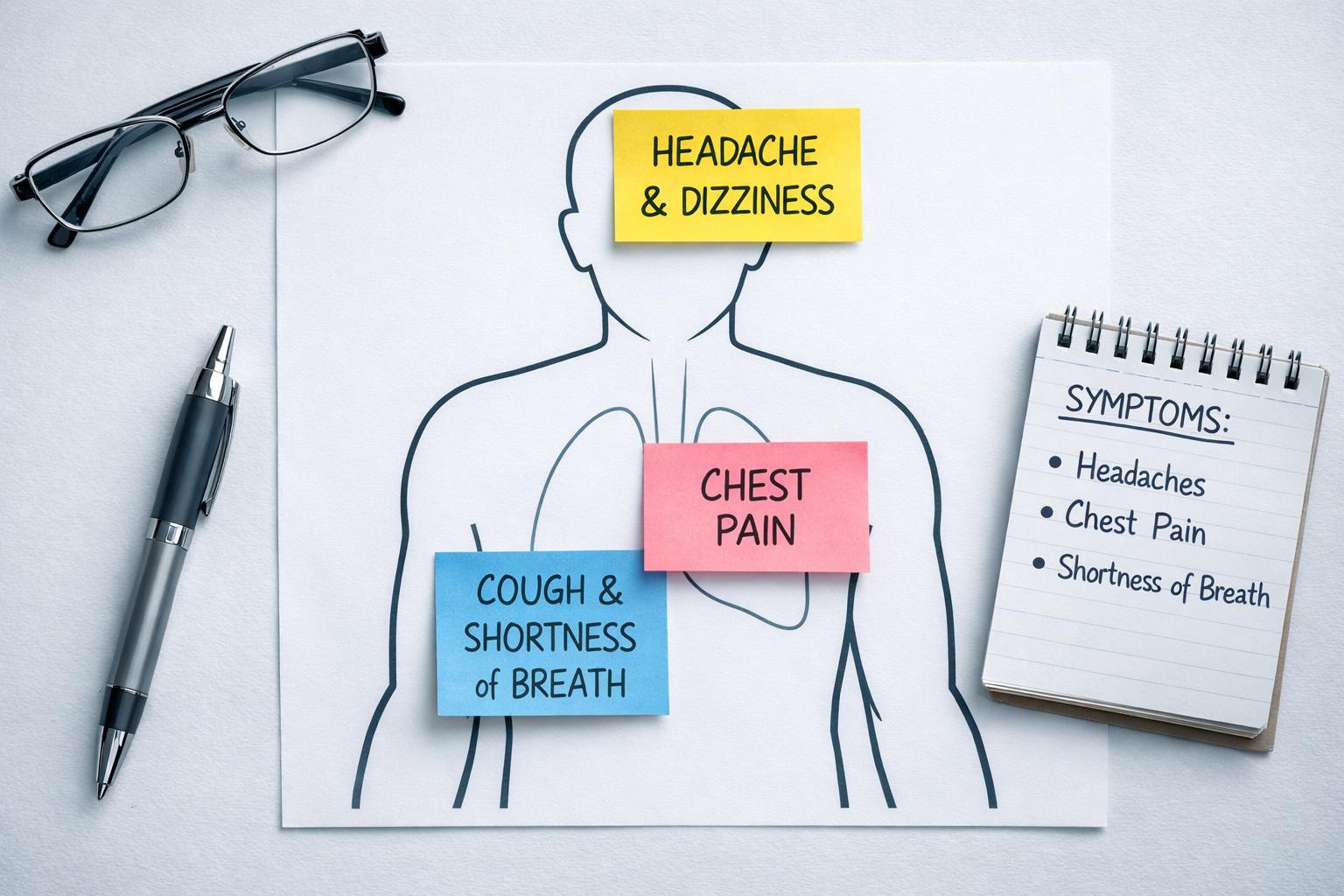
Metabolic symptoms are the ones people most often explain away — fatigue, increased thirst, unexplained weight changes, brain fog. They tend to build gradually, which makes them easy to normalise until something more obvious forces the issue.
The evidence suggests that catching metabolic changes early makes a meaningful difference in outcomes. This is especially true for conditions like type 2 diabetes, thyroid dysfunction, and anaemia.
Common metabolic warning signs worth paying attention to:
- Persistent fatigue that does not improve with rest and is not explained by poor sleep or high stress
- Increased thirst and frequent urination — classic early signals of blood sugar dysregulation
- Unexplained weight gain or loss over a period of weeks without a change in diet or activity
- Feeling cold all the time, particularly in the hands and feet, when others around you are comfortable
- Brain fog — difficulty concentrating, slow thinking, or memory lapses that are new and persistent
- Slow wound healing or recurring infections that take longer than expected to resolve
Diabetes is a particularly important example here. The early signs are often subtle — increased hunger, blurred vision, tingling in the hands or feet — and are frequently dismissed as stress or ageing. For a detailed breakdown of what to look for, our article on what are diabetes early signs covers the full picture with practical context.
Choose to act sooner if:
- You are over 40, have a family history of diabetes or thyroid disease, or are carrying excess weight around the abdomen.
- Any of these symptoms have been present for more than 2–3 weeks.
- You have more than two of these symptoms occurring together.
A common mistake: Attributing everything to stress or poor sleep without ruling out a physical cause. Stress is real, but it should be a diagnosis of exclusion, not a default explanation.
Digestive and Gut Health Symptoms: Normal Variation vs Genuine Warning Signs
The gut produces a remarkable range of symptoms, most of which are benign and related to diet, stress, or minor infections. The challenge is identifying the minority that signal something more significant.
Symptoms that are usually fine to monitor at home:
- Occasional bloating after meals, particularly after high-fibre or gas-producing foods
- Mild, brief stomach cramps that resolve within a few hours
- Loose stools during or after a stressful period or after travel
- Heartburn that responds to dietary changes or over-the-counter antacids
Symptoms that deserve a doctor’s appointment:
- Persistent bloating or abdominal discomfort lasting more than 2–3 weeks
- Changes in bowel habits (frequency, consistency) that last more than 4 weeks
- Heartburn that is not responding to treatment, or that wakes you from sleep
- Unexplained nausea that persists for more than a week
Symptoms that need prompt attention:
- Blood in the stool — whether bright red or dark/tarry
- Severe abdominal pain that comes on suddenly
- Significant unintentional weight loss alongside digestive symptoms
- Vomiting blood
The gut is closely connected to overall health in ways that are becoming better understood. If you are dealing with ongoing digestive issues, our gut health and digestive wellness guide provides a solid foundation for understanding what is going on and what actually helps. For stomach discomfort specifically, natural remedies to soothe your stomach covers practical, evidence-grounded options.
Context matters: A single episode of loose stools after a restaurant meal is not irritable bowel syndrome. Persistent changes over weeks, especially combined with other symptoms, are worth investigating properly.

Oral Health Symptoms: The Warning Signs People Ignore
Most people do not connect oral health symptoms to their broader health picture. That is a mistake. The mouth is not separate from the rest of the body, and symptoms like bleeding gums, persistent bad breath, or tooth sensitivity are often early indicators of something that is both treatable and preventable — if caught early.
Gingivitis is the most common oral health condition most adults have never properly addressed. It is characterised by red, swollen gums that bleed easily when brushing. In plain English: if your gums bleed when you brush your teeth, that is not normal, and it is not something to ignore. For a full breakdown of symptoms, causes, and what to do about it, our guide to gingivitis gums: symptoms and causes is the right starting point.
Oral health symptoms and what they may indicate:
| Symptom | Likely cause | When to see a dentist |
|---|---|---|
| Bleeding gums when brushing | Gingivitis (early gum disease) | Within 2–4 weeks |
| Persistent bad breath despite good hygiene | Gum disease, dry mouth, or GI issue | Within 2–4 weeks |
| Tooth sensitivity to hot/cold | Enamel erosion, receding gums | Within 1–2 weeks |
| Mouth sores lasting more than 2 weeks | Possible oral lesion — needs evaluation | Promptly |
| Loose teeth in an adult | Advanced gum disease | Urgently |
| Jaw pain or clicking | TMJ dysfunction | Within a few weeks |
The stronger evidence points to a bidirectional relationship between gum disease and systemic conditions including cardiovascular disease and blood sugar control. This is not a reason to panic, but it is a reason to take oral symptoms seriously rather than assuming they are cosmetic.
Mental Health Warning Signs: When Emotional Symptoms Need Professional Attention
Mental health symptoms are real body warning signs. They are not character flaws, and they are not something to push through indefinitely. The difficulty is that they tend to develop gradually and are often rationalised away until they become significantly disruptive.
NAMI (National Alliance on Mental Illness) identifies several key warning signs that warrant professional evaluation, including excessive worrying or fear, prolonged sadness, confused thinking, extreme mood changes, and withdrawal from social activities. [7]
Warning signs that deserve attention:
- Persistent low mood or sadness lasting more than two weeks
- Anxiety that is interfering with daily activities, sleep, or relationships
- Significant changes in sleep — either sleeping far more or far less than usual
- Loss of interest in things that previously brought enjoyment (anhedonia)
- Difficulty concentrating or making decisions that is new and persistent
- Thoughts of self-harm or suicide — these require immediate support
What to do: If you recognise two or more of these signs in yourself or someone close to you, the right step is to speak with a GP or mental health professional. This is not about labelling yourself. It is about getting an accurate picture and understanding what options exist.
A practical note: Mental health symptoms frequently accompany physical ones. Fatigue, headaches, digestive issues, and muscle tension are all common physical expressions of anxiety and depression. If you are investigating physical symptoms and not finding a clear cause, it is worth considering the mental health angle as part of the picture — not instead of physical investigation, but alongside it.
Red Flag Symptoms: The Ones That Cannot Wait
Let’s keep this practical. Some symptoms require immediate emergency care. No monitoring period. No “let’s see how it goes.” These are the situations where waiting is genuinely dangerous.
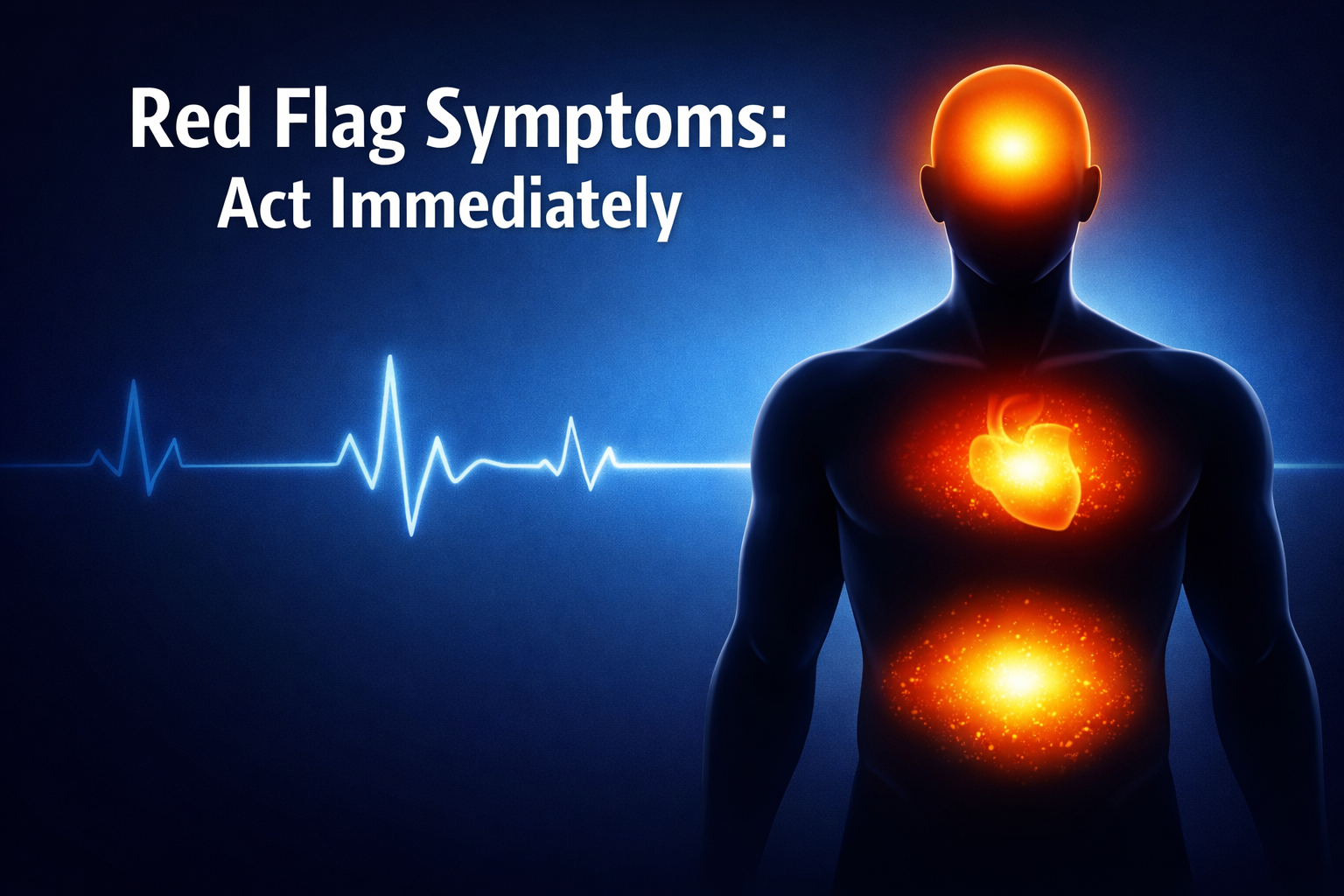
Go to the emergency room or call emergency services immediately for:
🚨 Cardiovascular:
- Chest pain, pressure, or tightness — especially with shortness of breath, sweating, or pain radiating to the arm or jaw
- Sudden irregular or racing heartbeat with dizziness or fainting
- Sudden severe shortness of breath at rest
🚨 Neurological:
- Sudden weakness or numbness on one side of the body
- Sudden difficulty speaking or understanding speech
- Sudden severe headache with no prior history (thunderclap headache)
- Sudden vision loss or double vision
- Loss of consciousness or seizure
🚨 Other emergencies:
- Coughing or vomiting blood
- Blood in urine with severe flank pain
- Severe allergic reaction (throat swelling, difficulty breathing, hives with dizziness)
- High fever (above 39.5°C / 103°F) with confusion or stiff neck
- Severe abdominal pain that is sudden and intense
The main takeaway: These symptoms are not on this list to frighten you. They are here because knowing them in advance means you act faster when it matters. Time is a critical variable in outcomes for stroke, heart attack, and severe allergic reactions.
“I’d rather be accurate than impressive. If a symptom is on this list, the right move is to get help now, not to Google it further.”
Using This Common Health Symptoms Guide Effectively: A Practical Framework
This common health symptoms guide is designed to give you context, not replace clinical judgment. Here is how to use it well.
Step 1: Observe before you conclude
Write down what you are experiencing. When did it start? Is it constant or intermittent? What makes it better or worse? This simple act of recording symptoms makes your conversation with a doctor significantly more useful.
Step 2: Apply the duration and severity test
- Less than 48 hours, mild, no red flags: monitor at home
- 3–7 days, not improving: contact your GP
- More than 2–3 weeks, or worsening: book an appointment
- Red flag present: seek emergency care
Step 3: Consider your personal context
Your age, existing health conditions, family history, and medications all change the picture. A 35-year-old with no risk factors and a 55-year-old with hypertension are not in the same position when they both report chest tightness. Context matters.
Step 4: Prepare for the appointment
Bring your symptom log. Note when symptoms occur, how long they last, what you were doing, and what (if anything) helps. This is more useful to a clinician than a vague “I’ve not been feeling right.”
Step 5: Do not diagnose yourself, but do not dismiss yourself either
The goal of a guide like this is to help you arrive at the right level of concern — not too alarmed, not too dismissive. If something feels wrong and persists, trust that instinct enough to get it checked.
For broader context on supporting your health day-to-day, our live a healthy lifestyle: essential tips for well-being guide covers the foundations that make your body more resilient and symptoms easier to interpret over time.
Symptom Checker: Interactive Decision Tool
The interactive tool below will help you assess your current symptoms and get a practical, evidence-based recommendation.
Symptom Decision Tool
Answer 4 quick questions to get a practical, evidence-based recommendation. This tool is for guidance only — not a medical diagnosis.
Chest pain with shortness of breath · Sudden numbness/weakness on one side · Thunderclap headache · Difficulty breathing · Coughing/vomiting blood · Confusion with high fever
One or more of your symptoms are potential medical emergencies. Do not wait to see if they improve.
- Call emergency services (911 / 999) or go to your nearest emergency room immediately.
- Do not drive yourself if you are experiencing chest pain, neurological symptoms, or severe breathing difficulty.
- If in doubt, call — emergency services would always rather you call unnecessarily than wait too long.
Based on your answers, your symptoms have been present long enough, or are significant enough, to warrant a professional evaluation.
- Contact your GP or primary care provider within the next 1–3 days.
- If symptoms worsen significantly before your appointment, seek urgent care.
- Keep a simple log of your symptoms — when they occur, how long they last, and what makes them better or worse.
- Do not self-diagnose or self-medicate beyond basic over-the-counter remedies without professional guidance.
Based on your answers, your symptoms appear to be mild, recent, and improving. A period of home monitoring is reasonable.
- Rest adequately, stay hydrated, and eat sensibly.
- Avoid self-diagnosing based on worst-case internet searches.
- Reassess in 48 hours — if symptoms persist or worsen, contact your GP.
- If any red flag symptoms develop at any point, seek emergency care immediately.
Frequently Asked Questions (FAQ)
Q: How long should I wait before seeing a doctor about a symptom?
A: As a general rule, any symptom that has not improved after 7 days, is getting progressively worse, or is significantly affecting your daily life deserves a professional evaluation. Do not wait more than 2–3 weeks for any persistent symptom, regardless of how mild it seems.
Q: Is it safe to use online symptom checkers?
A: Symptom checkers are useful for getting context and preparing for a doctor’s appointment — not for making a diagnosis. They tend to overestimate serious conditions (because they are designed to err on the side of caution), which can cause unnecessary anxiety. Use them as a starting point, not a conclusion.
Q: What are the most commonly missed warning signs in adults over 40?
A: The most frequently overlooked include gradual fatigue that is attributed to ageing, increased thirst and urination (often early diabetes), changes in bowel habits, persistent heartburn, and bleeding gums. These tend to develop slowly, which makes them easy to normalise.
Q: When does a headache become a medical emergency?
A: A headache that is sudden and severe — often described as “the worst headache of my life” — is a red flag for a possible subarachnoid haemorrhage and requires immediate emergency care. Also seek emergency care for a headache accompanied by fever and neck stiffness, sudden vision changes, or neurological symptoms like confusion or weakness.
Q: Can stress cause physical symptoms?
A: Yes. Anxiety and chronic stress are well-documented causes of physical symptoms including headaches, muscle tension, digestive upset, fatigue, and chest tightness. However, stress should be a diagnosis of exclusion — meaning a physical cause should be ruled out first, not assumed away.
Q: What does it mean if a symptom comes and goes?
A: Intermittent symptoms are not necessarily less serious than constant ones. Symptoms that come and go but keep returning over weeks or months — particularly if they are getting more frequent or more intense — warrant investigation. Intermittent chest pain, for example, is not something to wait out.
Q: Should I go to urgent care or the emergency room?
A: Urgent care is appropriate for symptoms that need same-day attention but are not life-threatening — a bad cough, a minor injury, a UTI. The emergency room is for potential emergencies: chest pain, breathing difficulty, neurological symptoms, severe allergic reactions, or any situation where waiting could cause serious harm.
Q: How do I know if fatigue is a symptom or just tiredness?
A: Tiredness from poor sleep or overwork typically improves with rest. Fatigue as a symptom does not — it persists despite adequate sleep, may worsen with activity, and is often accompanied by other symptoms. If you have been tired for more than 2–3 weeks without a clear explanation, it is worth investigating.
Q: Are there symptoms that are more serious in women than men?
A: Yes. Heart attack symptoms in women are more likely to be atypical — nausea, jaw pain, back pain, and fatigue rather than the classic crushing chest pain. Women are also more likely to experience thyroid dysfunction, autoimmune conditions, and anaemia. These differences are worth knowing.
Q: What should I bring to a doctor’s appointment about a symptom?
A: Bring a written log of your symptoms: when they started, how often they occur, how long each episode lasts, what makes them better or worse, and any other symptoms that appeared around the same time. This information is far more useful to a clinician than a general description of “not feeling well.”
Conclusion: What Actually Matters
Let’s call it what it is: most of the anxiety around health symptoms comes from uncertainty, not from the symptoms themselves. The gap between “is this normal?” and “do I need to go to hospital?” feels enormous when you are lying awake at 2am. In reality, most symptoms fall into a much simpler category — worth watching, worth addressing, or worth acting on urgently.
This common health symptoms guide is built around one core principle: give you enough context to make a sensible decision, not enough to replace the clinical judgment of someone who has actually examined you.
The practical steps from here:
- Use the decision tool above to get an initial orientation on your current symptoms.
- Apply the duration and severity test — less than 48 hours and mild is usually monitor-at-home territory.
- Watch for red flags — the list in this guide is worth bookmarking.
- Do not ignore persistent symptoms — two to three weeks is the outer limit for waiting without professional input.
- Support your baseline health — the more consistently you look after sleep, diet, movement, and stress, the easier it becomes to notice when something is genuinely off. Our exercise guide for better health and gut health and digestive wellness guide are good places to start building that foundation.
The evidence suggests that the people who do best with their health are not the ones who worry the most or the least — they are the ones who pay attention, act proportionately, and build a relationship with a healthcare provider they trust. That is the sensible approach, and it is available to most of us.
📂 Common Health Conditions & Remedies
This article is part of the APH cluster. Use the links below to move between the pillar and child articles.
- YOU ARE HERE Common Health Symptoms Decoded: When to Worry and When to Wait
- → 10 Best Herbs for Headaches: Migraine, Tension and Sinus Relief
- → What Are the Early Signs of Diabetes? A Complete Guide (2026)
- → Gingivitis Gums: What it is, Symptoms, Causes, treatment, and prevention
- → 11 Proven Ways to Reduce Cough and Headache: A Complete Relief Guide
References
- [Video] Dr. YouTube. https://www.youtube.com/watch?v=jt5hHb6kzYM