4 Vegan Recipes to Melt Away Your Belly Fat (That Actually Taste Amazing)
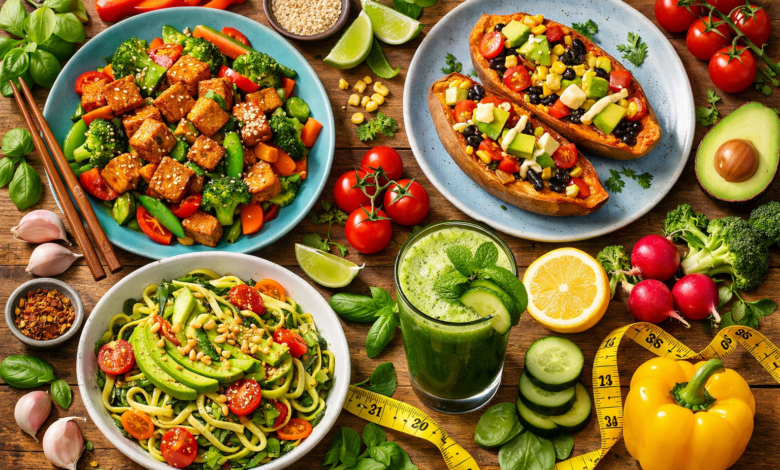
Stubborn belly fat is one of the most frustrating health challenges people face today. You eat well, you exercise regularly, and yet that midsection just refuses to budge. Sound familiar? You are absolutely not alone.
Here is something that might surprise you: according to a 2024 review published in Nutrients, people who follow a plant-based diet have significantly lower body mass indexes (BMIs) and waist circumferences compared to omnivores — even when calorie intake is similar. The reason? Plant-based foods are naturally rich in fiber, antioxidants, and anti-inflammatory compounds that actively work against fat storage, particularly around the abdomen.
This article is your practical, delicious roadmap to using Vegan Recipes to melt away belly fat. We are going to walk through four incredible plant-based dishes, explain exactly why each ingredient earns its place on your plate, and give you the tools and tips to make these meals a regular part of your week. No bland salads. No joyless eating. Just genuinely satisfying food that works with your body.
Let’s get into it.
Why a Vegan Diet Targets Belly Fat So Effectively
Before we dive into the recipes, it is worth understanding the science behind why plant-based eating is so powerful for abdominal fat loss.
The Fiber Factor
Most adults in the United States consume only about 16 grams of fiber per day — far below the recommended 25–38 grams. Fiber is arguably the single most important nutrient for belly fat reduction. Here is why:
- Soluble fiber forms a gel-like substance in your gut that slows digestion, stabilizes blood sugar, and dramatically reduces hunger hormones like ghrelin
- Insoluble fiber keeps your digestive system moving efficiently, reducing bloating and water retention
- A 2025 study from the American Journal of Clinical Nutrition found that every 10-gram increase in daily soluble fiber intake was associated with a 3.7% reduction in visceral (belly) fat over five years
Vegan diets built around whole foods are naturally loaded with both types of fiber. If you want to go deeper on this topic, check out this comprehensive guide to high-fiber foods for weight loss — it is genuinely eye-opening.
Anti-Inflammatory Power
Visceral fat — the deep abdominal fat that wraps around your organs — is strongly linked to chronic inflammation. Plant foods are packed with polyphenols, flavonoids, and antioxidants that directly combat this inflammation. Ingredients like ginger, turmeric, garlic, and leafy greens are particularly potent. For a broader look at how diet fights inflammation, this anti-inflammatory foods guide is a fantastic resource.
Low Saturated Fat, High Nutrient Density
Animal products are the primary source of saturated fat in most diets. Saturated fat promotes fat storage and raises LDL cholesterol. By swapping animal proteins for plant-based alternatives like tempeh, beans, and lentils, you dramatically reduce your saturated fat intake while actually increasing your intake of vitamins, minerals, and phytonutrients.
The 4 Best Vegan Recipes to Melt Away Belly Fat: Delicious Dishes for Weight Loss
Recipe 1: Tempeh Vegetable Stir Fry
This dish is an absolute powerhouse. Tempeh — a fermented soybean product originating from Indonesia — is one of the most underrated superfoods in the plant-based world. It is dense, chewy, satisfying, and packed with nutrients that make it one of the best foods you can eat for belly fat reduction.
Why Tempeh Is a Belly Fat Buster
- High protein content: A 3-ounce serving of tempeh contains about 16 grams of protein. Protein increases satiety, boosts your metabolism through the thermic effect of food, and helps preserve lean muscle mass during weight loss.
- Probiotic-rich: Because tempeh is fermented, it contains beneficial bacteria that support gut health. A healthy gut microbiome is directly linked to reduced belly fat accumulation.
- Low glycemic index: Tempeh does not spike blood sugar, which means less insulin release and less fat storage.
Ingredients
- 200g tempeh, sliced into thin strips
- 1 tablespoon sesame oil
- 2 cloves garlic, minced
- 1 tablespoon fresh ginger, grated
- 1 red bell pepper, sliced
- 1 cup broccoli florets
- 1 medium carrot, julienned
- 1 cup snap peas
- 2 tablespoons low-sodium soy sauce or tamari
- 1 tablespoon rice vinegar
- 1 teaspoon chili flakes (optional)
- Sesame seeds and green onions to garnish
Instructions
- Heat sesame oil in a large wok skillet over medium-high heat.
- Add garlic and ginger, stirring for about 60 seconds until fragrant.
- Add tempeh strips and cook for 4–5 minutes, turning occasionally until golden brown on each side.
- Toss in the broccoli, bell pepper, carrot, and snap peas. Stir fry for 5–6 minutes until vegetables are tender-crisp.
- Pour in the soy sauce and rice vinegar. Toss everything together and cook for another 2 minutes.
- Serve immediately, garnished with sesame seeds and green onions.
Estimated nutrition per serving: ~320 calories | 22g protein | 8g fiber | 4g saturated fat
Pro Tips
- Marinate your tempeh in soy sauce, garlic, and a squeeze of lime for 30 minutes before cooking for deeper flavor
- Add a handful of edamame for an extra protein boost
- This dish stores beautifully in the fridge for up to 4 days — perfect for meal prep
Recipe 2: The Tummy Tucker Drink
Sometimes the most powerful belly fat-fighting tools come in liquid form. This vibrant, refreshing drink combines some of nature’s most potent fat-burning and anti-inflammatory ingredients into one easy-to-make beverage. Think of it as your daily internal reset.
Why This Drink Works
Each ingredient in the Tummy Tucker Drink has been chosen for a specific reason:
- Lemon juice: Rich in vitamin C and polyphenols, lemon juice supports liver function and helps your body metabolize fat more efficiently
- Fresh ginger: Contains gingerols and shogaols — compounds proven to reduce inflammation, suppress appetite, and boost thermogenesis (your body’s calorie-burning process)
- Apple cider vinegar: A 2024 clinical trial published in BMJ Nutrition found that participants who consumed 1–2 tablespoons of ACV daily for 12 weeks lost significantly more belly fat than the control group
- Cucumber: Extremely low in calories, high in water content, and contains silica which supports gut lining health
- Turmeric: Curcumin, the active compound in turmeric, is one of the most studied anti-inflammatory agents in the world
- Black pepper: Piperine in black pepper increases curcumin absorption by up to 2,000%
- Mint leaves: Soothe the digestive tract and reduce bloating
If you are interested in supporting your gut health further, this guide on soothing your stomach naturally has some brilliant complementary strategies.
Ingredients
- 1 cup cold water or sparkling water
- Juice of 1 lemon
- 1 tablespoon apple cider vinegar (raw, with the mother)
- 1-inch piece of fresh ginger, grated or sliced
- ½ teaspoon ground turmeric
- A pinch of black pepper
- ½ cucumber, sliced
- A handful of fresh mint leaves
- 1 teaspoon raw honey (optional, for sweetness)
- Ice cubes
Instructions
- Add ginger slices and cucumber to a glass or pitcher.
- Pour in cold water and let it infuse for 5–10 minutes (or overnight in the fridge for stronger flavor).
- Stir in lemon juice, apple cider vinegar, turmeric, and black pepper.
- Add mint leaves and honey if using.
- Serve over ice and enjoy immediately.
Best time to drink: First thing in the morning on an empty stomach, or 20–30 minutes before meals to naturally reduce appetite.
Pro Tips
- Batch-prepare a large pitcher and keep it in the fridge for up to 48 hours
- Do not skip the black pepper — it is essential for turmeric absorption
- If the taste of ACV is too strong at first, start with ½ teaspoon and gradually increase
Recipe 3: Stuffed Sweet Potato with Zesty Black Beans
This recipe is the definition of comfort food that loves you back. Sweet potatoes are one of the most nutritionally complete foods on the planet, and when you stuff them with fiber-rich black beans and vibrant toppings, you get a meal that is genuinely filling, deeply satisfying, and actively supportive of your weight loss goals.
Why Sweet Potatoes Are a Weight Loss Hero
- High in resistant starch: Resistant starch acts like soluble fiber in your gut — it feeds beneficial bacteria and reduces fat storage hormones
- Rich in beta-carotene: This powerful antioxidant has been linked to reduced visceral fat in multiple studies
- Moderate glycemic index: Despite their natural sweetness, sweet potatoes have a lower glycemic impact than white potatoes, especially when eaten with fiber and protein
- Incredibly filling: One medium sweet potato contains about 4 grams of fiber and keeps you satisfied for hours
Black beans bring serious nutritional muscle to this dish too. A single cup provides 15 grams of fiber and 15 grams of protein — a combination that is almost unbeatable for appetite control and fat loss.
Ingredients
- 2 medium sweet potatoes
- 1 can (400g) black beans, drained and rinsed
- ½ teaspoon cumin
- ½ teaspoon smoked paprika
- ¼ teaspoon garlic powder
- Salt and pepper to taste
- ½ cup fresh salsa (store-bought or homemade)
- ¼ cup vegan shredded cheese (optional)
- 2 tablespoons vegan sour cream or plain coconut yogurt
- Fresh cilantro, lime wedges, and sliced jalapeño to serve
Instructions
- Preheat your oven to 400°F (200°C). Pierce each sweet potato several times with a fork.
- Place on a baking tray and roast for 45–50 minutes until completely tender.
- While the potatoes roast, combine black beans in a small saucepan with cumin, smoked paprika, garlic powder, salt, and pepper. Heat over medium heat for 5 minutes, stirring occasionally.
- Once sweet potatoes are done, slice them open lengthwise and gently fluff the flesh with a fork.
- Spoon the seasoned black beans generously into each potato.
- Top with fresh salsa, vegan cheese (if using), and a dollop of vegan sour cream.
- Finish with fresh cilantro, a squeeze of lime, and jalapeño slices if you like heat.
Estimated nutrition per serving: ~410 calories | 16g protein | 14g fiber | 2g saturated fat
Variations to Try
- Add roasted corn kernels for extra sweetness and crunch
- Stir a spoonful of avocado or guacamole into the black beans for healthy fats
- Use a drizzle of tahini instead of sour cream for a Middle Eastern twist
Recipe 4: Zucchini Pad Thai
Traditional Pad Thai is delicious but comes loaded with refined noodles, excess sugar, and often a surprising amount of fat. This zucchini-based version delivers every bit of that bold, tangy, umami-rich flavor you love — with a fraction of the calories and a massive upgrade in nutritional value.
Why Zucchini Noodles Are a Game Changer
- One cup of zucchini noodles contains just 20 calories and 2 grams of carbohydrates, compared to around 200 calories and 40 grams of carbs in regular rice noodles
- Zucchini is rich in vitamin C, potassium, and manganese — all nutrients that support metabolism and reduce water retention
- The high water content of zucchini (about 95%) helps keep you hydrated and feeling full
Using a spiralizer to create zucchini noodles takes less than 5 minutes and completely transforms this dish. If you do not have a spiralizer yet, a vegetable peeler works too — just create wide, flat ribbons instead.
Ingredients
For the noodles:
- 3 medium zucchinis, spiralized
- 1 cup firm tofu, pressed and cubed
- 1 tablespoon coconut oil or sesame oil
- 2 cloves garlic, minced
- 1 cup bean sprouts
- 2 green onions, sliced
- ¼ cup shredded purple cabbage
- ¼ cup chopped roasted peanuts or cashews
- Fresh lime wedges and cilantro to serve
For the Pad Thai sauce:
- 3 tablespoons tamari or low-sodium soy sauce
- 1 tablespoon natural peanut butter
- 1 tablespoon rice vinegar
- 1 tablespoon lime juice
- 1 teaspoon maple syrup or coconut sugar
- 1 teaspoon sriracha (adjust to taste)
- 1 tablespoon water to thin
Instructions
- Whisk all sauce ingredients together in a small bowl. Set aside.
- Heat oil in a large wok over medium-high heat. Add tofu cubes and cook for 6–8 minutes, turning until golden and crispy on all sides. Remove and set aside.
- In the same wok, add garlic and sauté for 30 seconds.
- Add zucchini noodles and toss for 2–3 minutes — just enough to warm them through without making them soggy.
- Pour the sauce over the noodles and toss to coat everything evenly.
- Add the tofu back in along with bean sprouts and cabbage. Toss gently.
- Serve immediately topped with green onions, peanuts, fresh cilantro, and lime wedges.
Estimated nutrition per serving: ~280 calories | 18g protein | 5g fiber | 3g saturated fat
Pro Tips
- Do not overcook the zucchini noodles — they release water quickly and can become mushy. Two to three minutes max.
- Press your tofu well before cooking. Wrap it in a clean towel, place something heavy on top, and let it sit for 20–30 minutes. This gives you that perfect crispy exterior.
- For extra protein, add edamame or a side of steamed broccoli
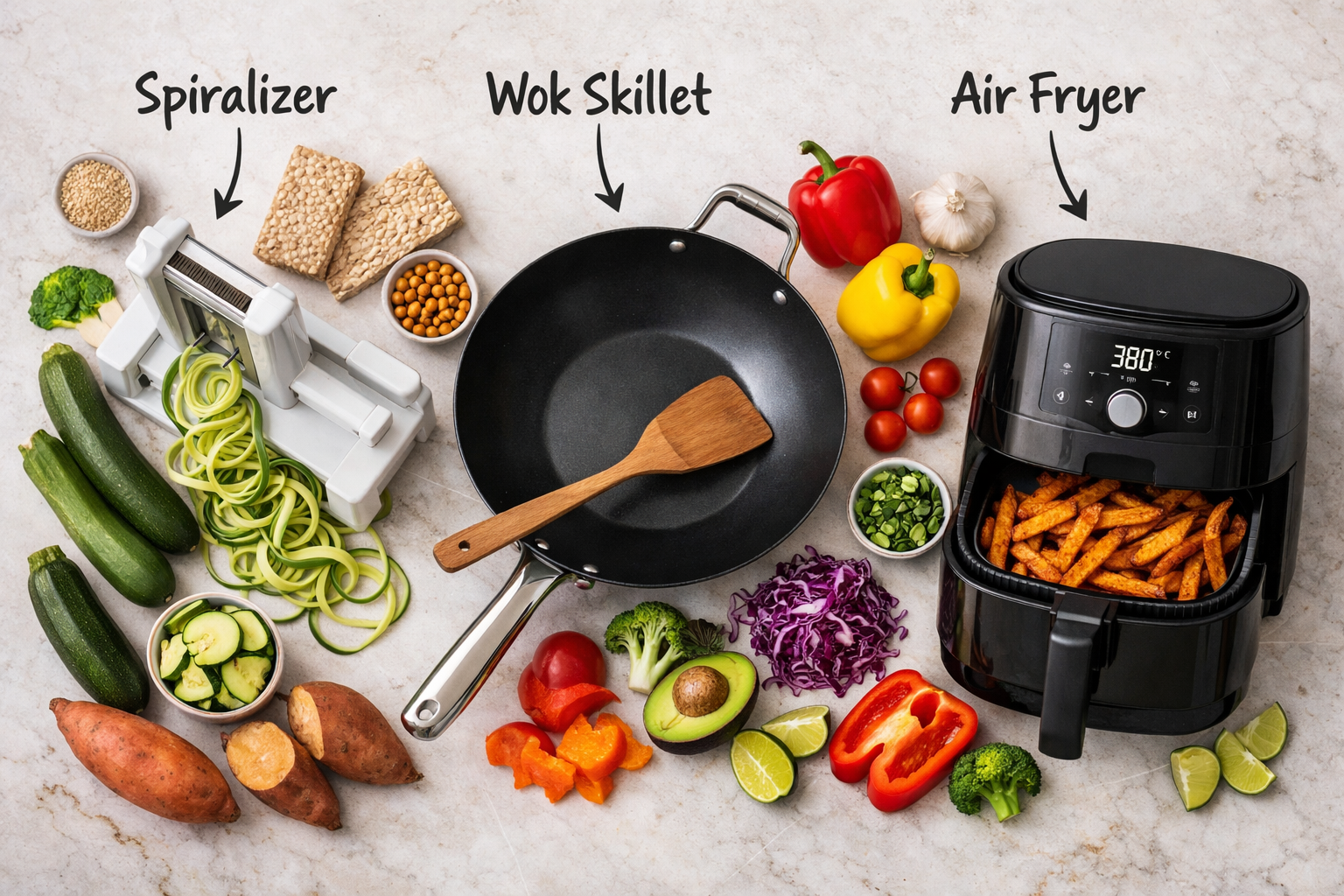
Essential Kitchen Tools That Make These Recipes Easier
You do not need a professional kitchen to make these dishes. However, a few simple tools will make your experience significantly smoother and more enjoyable.
A Good Wok Skillet
A wok is non-negotiable for the stir fry and pad Thai. Its wide, sloped surface allows for high-heat cooking with minimal oil, even heat distribution, and quick tossing. Look for a carbon steel wok — they are affordable, durable, and heat up faster than stainless steel.
A Spiralizer
This inexpensive gadget transforms zucchini, carrots, beets, and sweet potatoes into beautiful noodle shapes in seconds. It is one of the best investments you can make for a low-carb, plant-based kitchen. Countertop spiralizers give you the most control, but handheld versions work perfectly well for smaller quantities.
An Air Fryer
An air fryer is brilliant for crisping up tofu, roasting sweet potatoes faster, and cooking tempeh without excess oil. It uses circulating hot air to create that satisfying crunch you would normally only get from deep frying — with up to 75% less fat. If you are serious about healthy cooking, this is a worthwhile addition to your kitchen.
Tips for Making These Vegan Recipes Part of Your Routine
Knowing a recipe is one thing. Actually making it consistently is another. Here are practical strategies to help you stick with these belly fat-melting meals long-term.
Meal Prep on Sundays
Spend 60–90 minutes on Sunday preparing components in advance:
- Cook a large batch of black beans or use canned
- Spiralize your zucchini and store in an airtight container
- Slice and marinate your tempeh
- Prepare a big jug of Tummy Tucker Drink
This way, healthy eating becomes the path of least resistance during busy weekdays.
Pair These Recipes With Other Healthy Habits
Food is the foundation, but it works best alongside other lifestyle habits. If you are looking for complementary strategies, these fool-proof techniques for rapid weight loss offer some excellent evidence-based approaches. And if you are newer to exercise, this beginner’s exercise guide for better health is a great place to start.
Watch Your Portions — Even With Healthy Food
Plant-based foods are nutrient-dense, but calories still matter. A rough guideline for each meal:
- Fill half your plate with non-starchy vegetables
- Fill one quarter with a plant protein (tempeh, tofu, beans)
- Fill one quarter with a complex carbohydrate (sweet potato, brown rice, quinoa)
Stay Consistent, Not Perfect
You do not need to eat perfectly every single day. Consistency over time is what produces results. Aim to incorporate two to three of these recipes into your weekly rotation and build from there.
Frequently Asked Questions
Can these vegan recipes really help reduce belly fat?
Yes — when combined with a caloric deficit and regular physical activity, these recipes actively support belly fat reduction. They are high in fiber (which reduces hunger and feeds beneficial gut bacteria), low in saturated fat, and rich in anti-inflammatory compounds that target visceral fat specifically.
Are the ingredients easy to find?
Absolutely. Tempeh, sweet potatoes, zucchini, black beans, and tofu are available in virtually every major grocery store. Apple cider vinegar, turmeric, and ginger are standard pantry staples. You do not need to visit specialty health food stores.
How quickly can I expect to see results?
This depends on your overall diet, activity level, and starting point. However, many people notice reduced bloating within the first week of eating more fiber-rich plant foods. Visible fat loss typically becomes noticeable over 4–8 weeks of consistent healthy eating. For more guidance on realistic timelines, this simple weight loss guide is very helpful.
Do I need to be fully vegan to benefit from these recipes?
Not at all. Even adding two or three plant-based meals per week — what is sometimes called a “flexitarian” approach — can produce meaningful improvements in weight, inflammation, and gut health. These recipes work regardless of your overall dietary pattern.
What if I do not like the taste of tempeh?
Tempeh has a slightly nutty, earthy flavor that can take some getting used to. Marinating it before cooking makes a huge difference. Try a marinade of soy sauce, garlic, lime juice, and a touch of maple syrup for at least 30 minutes before cooking. You can also try replacing it with firm tofu or chickpeas in the stir fry.
The Bottom Line
Belly fat is not just an aesthetic concern — it is a genuine health risk associated with heart disease, type 2 diabetes, and metabolic syndrome. The good news is that what you eat has a profound impact on how much visceral fat your body stores, and plant-based eating is one of the most evidence-backed dietary approaches for reducing it.
These four vegan recipes to melt away your belly fat — the Tempeh Vegetable Stir Fry, the Tummy Tucker Drink, the Stuffed Sweet Potato with Zesty Black Beans, and the Zucchini Pad Thai — are not just healthy. They are genuinely delicious, satisfying, and practical enough to make on a weeknight.
Start with one recipe this week. See how you feel. Then add another. Small, consistent changes compound into remarkable results over time.
Your belly fat does not stand a chance.
Looking for more ways to support your health journey? Explore our healthy meals for weight loss collection and discover how good eating well can truly feel.

Dave James has spent 30+ years reading health and longevity research, and has run All Perfect Health for the past five. His background is in Australian mining and industrial engineering — disciplines built on questioning claims, measuring outcomes, and respecting evidence. He writes about what the research actually says, including where the experts disagree.
More about Dave & this site →