6 Best Bland Diet Recipes for Digestive Recovery (2026)
Last updated: July 2026
In this guide
- What Is a Bland Diet and Who Actually Needs One?
- What Can You Eat on a Bland Diet? (Approved Foods List)
- Recipe 1: Bland Vegetable Soup
- Recipe 2: Simple Chicken Broth
- Recipe 3: Chicken and Rice Casserole
- Recipe 4: Soothing Chicken Soup
- Recipe 5: Plain Oatmeal (With Bland-Friendly Variations)
- Recipe 6: Simple Lean Beef Dish
- How Do Bland Diet Recipes Compare at a Glance?
- What Mistakes Do People Make on a Bland Diet?
- Can a Bland Diet Help With Weight Loss?
- How Long Should You Stay on a Bland Diet?
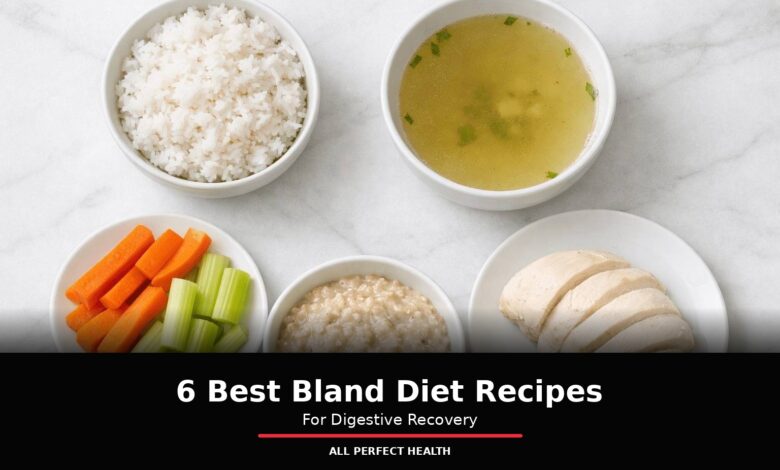
Quick Answer: Bland diet recipes are soft, low-seasoning meals designed to minimize digestive stress during recovery from illness, surgery, or flare-ups of chronic conditions like Crohn’s disease or gastritis. The best options include chicken broth, white rice-based soups, plain oatmeal, and simply cooked lean proteins. These recipes are not about flavor deprivation — they’re about giving your gut the rest it needs to heal.
For the broad practical overview of gentle foods, meal planning and foods to avoid, start with our Bland Food Diet Guide. For deeper digestive-recovery context and reintroduction guidance, see the Complete Bland Diet & Digestive Recovery guide. If mornings are the hard part, the bland diet breakfast ideas guide gives softer meal options, while the Bland Food Diet Guide explains the broader food list, foods to avoid and recovery basics.
Key Takeaways
- A bland diet focuses on soft, easily digestible foods that are low in fat, fiber, and strong seasonings
- Core approved foods include white rice, plain chicken, cooked carrots and celery, oatmeal, and clear broths
- Foods to avoid include anything spicy, fried, acidic, or gas-producing (broccoli, cabbage, raw onion, citrus)
- The six best bland diet recipes are: vegetable soup, chicken broth, chicken and rice casserole, soothing chicken soup, oatmeal, and a simple lean beef dish
- This diet is primarily for digestive recovery, not weight loss — though many of its foods are naturally low in calories
- Duration should be guided by a healthcare provider; most people follow a bland diet for days to a few weeks
- Many standard recipes can be adapted for a bland diet by removing spices, switching to gentle cooking methods, and avoiding high-fat ingredients
- If you’re looking to start your mornings right on this diet, bland diet breakfast ideas can help you plan ahead
Expert insight: Dr. Will Bulsiewicz is a board-certified gastroenterologist and author of “Fiber Fueled.” In this video, he walks through what a gut doctor actually eats every day — directly supporting the bland diet principles in this article with real-world, gut-friendly food choices.
What Is a Bland Diet and Who Actually Needs One?
A bland diet is a short-term eating approach built around foods that are soft, mild, and easy for the digestive tract to process. It’s typically recommended by doctors or dietitians when the gut needs protection from irritants while it heals.
Who it’s designed for:
- People recovering from gastrointestinal surgery (such as gallbladder removal or bowel resection)
- Those managing flare-ups of Crohn’s disease, ulcerative colitis, or irritable bowel syndrome (IBS)
- Patients recovering from gastroenteritis, food poisoning, or prolonged vomiting and diarrhea
- Individuals with peptic ulcers or gastritis who need to reduce acid irritation
- Anyone transitioning off a liquid diet back toward solid foods
Who it’s not for: Healthy individuals without a digestive condition don’t need to follow a bland diet. It’s restrictive by design and not nutritionally complete enough for long-term use without medical supervision.
The diet works by removing common irritants — spice, fat, acid, excess fiber, and carbonation — that can trigger cramping, bloating, reflux, or diarrhea. Think of it as a reset button for your digestive system, not a permanent lifestyle.
For a broader look at how diet affects gut function, our gut health and digestive wellness guide covers the underlying science in detail.
What Can You Eat on a Bland Diet? (Approved Foods List)
The bland diet is more flexible than most people assume. The core rule is simple: if a food is soft, low in fat, and unlikely to cause gas or acid, it’s generally allowed.
Approved foods:
- Grains: White rice, plain white bread, saltine crackers, plain pasta, cream of wheat, oatmeal (plain, no added sugar or spice)
- Proteins: Plain baked or boiled chicken (skinless), lean ground beef (well-cooked), eggs (scrambled or boiled), canned tuna in water, tofu
- Vegetables (cooked only): Carrots, celery, zucchini, green beans, potatoes (no skin), squash
- Dairy: Low-fat milk, plain yogurt (if tolerated), mild low-fat cheese in small amounts
- Liquids: Chicken broth, vegetable broth, water, herbal tea (non-caffeinated), diluted apple juice
- Other: Bananas, applesauce, canned peaches (in juice, not syrup), plain oatmeal, honey in small amounts
Foods to avoid:
- Spicy foods (hot sauce, chili, black pepper in large amounts, curry)
- Fried or greasy foods (french fries, fried chicken, fatty cuts of meat)
- Raw vegetables, especially gas-producing ones: broccoli, cauliflower, cabbage, cucumber, green peppers, corn, onions (raw)
- Acidic foods: citrus fruits, tomatoes, tomato-based sauces, vinegar-heavy dressings
- Caffeinated beverages: coffee, black tea, energy drinks
- Alcohol
- Carbonated drinks
- High-fat dairy: full-fat cheese, cream, butter in large quantities
- Processed snacks, chips, or anything heavily salted or artificially flavored
Common mistake: Many people assume “bland” means “liquid only.” It doesn’t. Solid foods are absolutely part of a bland diet — they just need to be soft, simply prepared, and free from irritating ingredients.
Recipe 1: Bland Vegetable Soup
This is one of the most versatile and nourishing bland diet recipes you can make. It’s warm, hydrating, and gentle on the stomach — and it comes together in under 30 minutes.
Why it works: Cooked vegetables like carrots and celery become soft and easy to digest once simmered. White rice adds filling starch without stressing the gut. The broth keeps the body hydrated and provides a small amount of sodium, which matters during recovery when electrolytes can drop.
Ingredients
- 1 tablespoon olive oil
- 1 small onion, finely chopped (cook thoroughly — this removes harshness)
- 3 cloves garlic, minced
- 3 medium carrots, peeled and diced
- 2 stalks celery, diced
- 1 bay leaf
- 8 cups low-sodium chicken or vegetable broth
- 1 cup water
- 1 teaspoon salt
- 1 cup uncooked white rice
- 2 tablespoons fresh flat-leaf parsley (optional, for mild flavor)
Instructions
- Heat olive oil in a large saucepan over medium heat.
- Add onion, garlic, carrots, celery, and bay leaf. Cook for 5 minutes, stirring occasionally, until vegetables begin to soften.
- Pour in broth and water. Bring to a boil.
- Add white rice. Reduce heat to low, cover, and simmer for 20 minutes.
- Check that vegetables are fully tender and rice is cooked through. Remove the bay leaf.
- Stir in parsley if using. Serve hot.
Serves: 4–6 | Prep + Cook Time: 30 minutes | Difficulty: Easy
Tip: If you’re in an early recovery phase and prefer a smoother texture, use an immersion blender to partially blend the soup. This makes it even easier to digest while keeping it nutritious.
Recipe 2: Simple Chicken Broth
Clear chicken broth is often the first thing a doctor or dietitian recommends when someone transitions from a liquid diet back to soft foods. It’s hydrating, easy to digest, and provides a small amount of protein and sodium.
Why it works: Homemade broth made from a whole chicken delivers collagen, minerals, and electrolytes that support gut lining recovery. It’s far better than most store-bought versions, which are often high in sodium and artificial flavoring.
Ingredients
- 1 whole chicken (3–4 pounds)
- 1 gallon (16 cups) cold water
- 2 carrots, roughly chopped
- 2 celery stalks, roughly chopped
- 1 large onion, quartered
- 1 teaspoon salt
- 1/4 teaspoon black pepper (optional — omit if very sensitive)
Instructions
- Place the whole chicken in a large pot or Dutch oven.
- Add water, carrots, celery, onion, salt, and pepper.
- Bring to a boil over high heat, then reduce to a gentle simmer.
- Simmer uncovered for 2 hours.
- Use a slotted spoon to remove the chicken and vegetables. Discard the solids.
- Strain the broth through a fine mesh sieve.
- Allow to cool slightly before serving. Refrigerate leftovers for up to 4 days, or freeze for up to 3 months.
Serves: 8–10 cups | Cook Time: 2 hours | Difficulty: Easy
Note on vinegar: Some traditional broth recipes add apple cider vinegar to draw minerals from the bones. This is fine for healthy individuals, but if you have acid reflux or gastritis, skip it — the acid may irritate your stomach lining.
Recipe 3: Chicken and Rice Casserole

This casserole is one of the most satisfying bland diet recipes because it actually feels like a real meal. It’s filling, easy to prepare, and gentle enough for most people in a digestive recovery phase.
Why it works: White rice and plain chicken are two of the most universally tolerated bland diet foods. Combined with a mild cream of chicken soup base, this dish delivers protein, starch, and a small amount of fat in a form most digestive systems can handle.
Ingredients
- 1 cup uncooked white rice (cooked according to package directions)
- 1 can (10 3/4 oz) condensed cream of chicken soup, undiluted
- 1/2 cup low-fat milk
- 1/4 cup finely chopped onion (cook until very soft)
- 1/4 teaspoon poultry seasoning
- 3 cups cooked chicken breast, chopped (plain, no skin)
- 1 cup shredded mild cheddar cheese (optional — reduce or omit if dairy-sensitive)
Instructions
- Preheat oven to 350°F (175°C). Lightly grease a 9×13-inch baking dish.
- Cook rice according to package directions. Set aside.
- In a large bowl, combine cream of chicken soup, milk, onion, poultry seasoning, chicken, and cooked rice. Mix well.
- Pour mixture into the prepared baking dish.
- Sprinkle cheese on top if using.
- Bake for 30 minutes, until heated through and lightly golden on top.
- Allow to rest for 5 minutes before serving.
Serves: 4–6 | Prep + Cook Time: 45 minutes | Difficulty: Easy
Adaptation tip: If condensed cream of chicken soup feels too rich, substitute with 1 cup of plain chicken broth mixed with 1 tablespoon of cornstarch. This creates a lighter, equally mild binding sauce.
Recipe 4: Soothing Chicken Soup
This is a step up from plain broth — it has more substance, more protein, and a slightly thicker texture thanks to tapioca. It’s ideal for people who are a few days into recovery and ready for something more filling than clear liquids.
Why it works: Tapioca acts as a natural thickener without adding irritants. The cream of celery soup base adds mild flavor and body. Cooked chicken provides protein to support tissue repair.
Ingredients
- 1 quart (4 cups) low-sodium chicken broth
- 1/2 cup finely chopped onion
- 1/2 cup finely chopped celery
- 1 clove garlic, minced
- 1/4 teaspoon dried thyme
- 3 tablespoons quick-cooking tapioca
- 1 can (10 3/4 oz) condensed cream of celery soup, undiluted
- 1 1/2 cups cooked chicken breast, diced
- Fresh parsley (optional garnish)
Instructions
- In a large saucepan, bring chicken broth to a boil.
- Add onion, celery, garlic, and thyme. Partially cover and simmer for 10 minutes.
- Stir in tapioca and cream of celery soup. Return to a boil.
- Cook, stirring constantly, for 2 minutes until the soup thickens slightly.
- Add diced chicken and heat through for another 3–5 minutes.
- Garnish with parsley if desired. Serve hot.
Serves: 6 | Prep + Cook Time: 25 minutes | Difficulty: Easy
Note: Green pepper is sometimes listed in chicken soup recipes, but it’s a gas-producing vegetable and best omitted for those with digestive sensitivity.
Recipe 5: Plain Oatmeal (With Bland-Friendly Variations)
Plain oatmeal is one of the most nutritionally complete foods you can eat on a bland diet. It provides soluble fiber (beta-glucan), which actually soothes the intestinal lining rather than irritating it — unlike insoluble fiber found in raw vegetables and whole grains.
Why it works: Oatmeal is soft, warm, and easy to digest. It absorbs water during cooking, which makes it gentle on an inflamed gut. It also provides a sustained source of energy without spiking blood sugar sharply, which matters during recovery when the body is already under stress.
Basic Bland Oatmeal
- 1 cup old-fashioned rolled oats or quick oats
- 2 cups water or low-fat milk
- Pinch of salt
Instructions: Bring liquid to a boil. Add oats and salt. Reduce heat and simmer for 5 minutes (rolled oats) or 2 minutes (quick oats), stirring occasionally. Serve plain or with one of the additions below.
Bland-Friendly Oatmeal Additions
| Addition | Why It Works | Amount |
|---|---|---|
| Mashed ripe banana | Naturally sweet, soft, easy to digest | 1/2 banana |
| Unsweetened applesauce | Adds moisture and mild flavor | 2 tablespoons |
| A drizzle of honey | Gentle sweetness, antimicrobial properties | 1 teaspoon |
| Plain low-fat yogurt | Adds protein and probiotics | 2 tablespoons |
| Canned peaches (in juice) | Soft, sweet, non-acidic | 2–3 slices |
What to avoid adding: Brown sugar, cinnamon, dried fruit, nuts, seeds, or flavored syrups. These are all potential irritants for a sensitive gut.
For more ideas on how to structure your mornings around gentle foods, see our guide to bland diet breakfast ideas.
Recipe 6: Simple Lean Beef Dish
Lean beef is an approved protein on most bland diet plans, as long as it’s prepared simply — no heavy sauces, no spice rubs, no frying. This dish is essentially a stripped-down beef stroganoff, made mild enough for a recovering digestive system.
Why it works: Beef provides iron, zinc, and complete protein, all of which support tissue repair. Using a small amount of butter and flour to build a light sauce keeps the dish cohesive without loading it with fat.
Ingredients
- 1/2 pound lean beef (sirloin or tenderloin), cut into 1-inch cubes
- 1/2 small onion, finely chopped
- 1 clove garlic, minced
- 2 tablespoons unsalted butter
- 2 tablespoons all-purpose flour
- 1 cup low-sodium beef broth
- 2 tablespoons plain low-fat sour cream (optional — omit if dairy-sensitive)
- Salt to taste (minimal)
- Cooked white rice or plain pasta, for serving
Instructions
- In a large skillet over medium heat, melt butter. Add onion and garlic and cook for 3–4 minutes until softened.
- Add beef cubes. Cook, turning occasionally, until browned on all sides — about 5 minutes.
- Sprinkle flour over the beef and stir to coat. Cook for 2 minutes.
- Pour in beef broth. Stir well and bring to a simmer. Cook for 10 minutes until the sauce thickens slightly.
- Remove from heat. If using sour cream, stir it in gently (do not boil after adding).
- Season with a small amount of salt. Serve over white rice or plain pasta.
Serves: 4 | Prep + Cook Time: 30 minutes | Difficulty: Moderate
Dairy note: Sour cream can cause bloating and indigestion in some people, especially during digestive recovery. If you’re unsure how your stomach handles dairy, leave it out entirely on the first attempt and add a small amount on subsequent servings if tolerated.
How Do Bland Diet Recipes Compare at a Glance?
| Recipe | Prep + Cook Time | Key Benefit | Dairy-Free Option | Best For |
|---|---|---|---|---|
| Bland Vegetable Soup | 30 min | Hydrating, vegetable nutrients | Yes | Early recovery, mild symptoms |
| Chicken Broth | 2 hours | Electrolytes, collagen | Yes | Liquid phase transition |
| Chicken and Rice Casserole | 45 min | Filling, high protein | Yes (omit cheese) | Mid-recovery, more appetite |
| Soothing Chicken Soup | 25 min | Thicker texture, satisfying | Yes | Step up from broth |
| Plain Oatmeal | 5–10 min | Fiber, sustained energy | Yes (use water) | Breakfast, light meals |
| Lean Beef Dish | 30 min | Iron, protein, zinc | Yes (omit sour cream) | Rebuilding strength |
What Mistakes Do People Make on a Bland Diet?
Several common errors can slow recovery or cause unnecessary discomfort. Knowing them in advance makes the diet much easier to follow correctly.
1. Adding too much seasoning “just for flavor.”
Even small amounts of black pepper, hot sauce, or acidic dressings can trigger symptoms in a sensitive gut. Stick to salt and mild herbs like parsley or thyme in minimal quantities.
2. Eating raw vegetables.
Raw vegetables — even “healthy” ones like cucumber or bell pepper — are harder to digest and often gas-producing. Always cook vegetables until they’re soft.
3. Assuming low-fat means bland diet approved.
Many low-fat products contain artificial sweeteners, acidic preservatives, or high amounts of sodium that can irritate the gut. Read labels carefully.
4. Stopping the diet too soon.
Feeling better for a day or two doesn’t mean the gut is fully healed. Follow your healthcare provider’s timeline for reintroducing foods, and do it gradually — one new food at a time.
5. Skipping protein.
Some people default to rice and broth only, missing out on the protein their body needs to repair tissue. Include plain chicken, eggs, or lean beef at most meals.
6. Drinking caffeine or carbonated drinks.
Both can stimulate gut motility and increase acid production. Stick to water, herbal tea, and diluted juice during recovery.
For more strategies on calming digestive discomfort naturally, see our article on 10 ways to soothe your stomach naturally.
Can a Bland Diet Help With Weight Loss?
A bland diet can lead to weight loss as a side effect, but it’s not designed for that purpose. The foods it emphasizes — white rice, plain chicken, oatmeal, broth — are naturally low in calories and fat. Someone eating three bland meals per day will likely consume fewer calories than usual, which can result in gradual weight loss.
However, using a bland diet intentionally for weight loss without a medical reason isn’t a good approach. It’s nutritionally limited and doesn’t include many of the foods (like fruits, vegetables, legumes, and whole grains) that support long-term metabolic health.
If weight management is your goal alongside digestive health, a more sustainable path is to focus on healthy meals for weight loss that include a broader range of nutrient-dense foods. For those interested in anti-inflammatory eating as part of recovery, our anti-inflammatory foods guide is a useful next step once you’re ready to expand your diet.
How Long Should You Stay on a Bland Diet?
The duration depends entirely on why you’re following the diet in the first place. There’s no universal timeline.
General guidelines by condition:
- Post-surgery (minor, e.g., appendectomy or gallbladder removal): Typically 1–2 weeks, then gradual reintroduction
- Acute gastroenteritis or food poisoning: Usually 3–7 days until symptoms resolve
- Crohn’s disease or IBD flare-up: Varies widely; some patients follow modified bland eating for several weeks during active flares
- Peptic ulcer: Often 2–4 weeks, with gradual reintroduction under medical guidance
How to reintroduce foods:
Add one new food every 1–2 days. Start with mildly more complex foods (like whole grain bread or cooked broccoli) before moving to spicier or fattier options. If a new food causes symptoms, remove it and wait a few more days before trying again.
Always follow your doctor or dietitian’s specific recommendations. The timelines above are general estimates, not medical advice.
Frequently Asked Questions About Bland Diet Recipes
What is the easiest bland diet recipe to make?
Plain oatmeal is the easiest — it takes under 10 minutes, requires minimal ingredients, and is one of the most gut-friendly foods available. Chicken broth is equally simple if you’re in the very early stages of recovery.
Can I use canned soup in bland diet recipes?
Yes, with caution. Condensed cream of chicken or cream of celery soups work well as bases in bland recipes. Check the sodium content and avoid varieties with added spices, onion powder in large amounts, or artificial flavoring. Low-sodium versions are preferable.
Is white rice better than brown rice on a bland diet?
Yes. White rice is significantly easier to digest because the bran layer (which contains insoluble fiber) has been removed. Brown rice, while nutritionally superior in normal circumstances, can be harder on an irritated gut.
Can I eat eggs on a bland diet?
Yes. Scrambled or hard-boiled eggs are excellent bland diet proteins. Avoid fried eggs or eggs cooked in heavy butter or oil.
Is cheese allowed on a bland diet?
In small amounts, mild low-fat cheese (like mild cheddar or cottage cheese) is generally tolerated. However, full-fat cheese and strong varieties like blue cheese or aged cheddar can cause bloating and digestive discomfort. Start with small portions and see how your body responds.
Can I add herbs to bland diet recipes?
Mild fresh herbs like parsley, chives, or a small amount of dried thyme are generally fine. Avoid strong spices: chili powder, paprika, cumin, black pepper in large amounts, garlic powder in excess, or anything labeled “spicy.”
Are bananas allowed on a bland diet?
Yes. Ripe bananas are one of the best fruits for a bland diet. They’re soft, non-acidic, and easy to digest. They’re also part of the BRAT diet (Bananas, Rice, Applesauce, Toast), which is a well-known approach for managing acute digestive upset.
Can I drink coffee on a bland diet?
No. Coffee — including decaf — stimulates stomach acid production and can irritate the gut lining. Stick to herbal teas (chamomile, ginger in small amounts, peppermint) or plain water during recovery.
What’s the difference between a bland diet and a liquid diet?
A liquid diet restricts intake to clear or full liquids only (broth, juice, gelatin). A bland diet includes solid foods — they just need to be soft, mild, and easy to digest. Most people transition from a liquid diet to a bland diet during recovery, not the other way around.
Can children follow bland diet recipes?
Yes. Bland diet foods are appropriate for children recovering from stomach illness. Adjust portion sizes accordingly. Oatmeal, plain rice, chicken broth, and mashed banana are all child-friendly options.
Do bland diet recipes have to be boring?
Not entirely. While the diet restricts bold flavors, you can still create satisfying meals by varying textures, using mild herbs, and combining approved ingredients creatively. A well-made chicken and rice casserole or a warm vegetable soup with fresh parsley can be genuinely comforting.
When should I see a doctor instead of just following a bland diet?
If your symptoms include severe abdominal pain, blood in stool, persistent vomiting, signs of dehydration (dark urine, dizziness), or symptoms that don’t improve after 3–5 days on a bland diet, seek medical attention promptly. A bland diet is a supportive measure, not a substitute for diagnosis or treatment.
This article is for informational purposes only and does not constitute medical advice. Always consult a qualified healthcare provider before starting or stopping any therapeutic diet.
You can also Read this article if you want to learn more information about bland diet recipes: bland diet cooking
References
- [Video] Dr. Will Bulsiewicz. “A Gut Doctor’s Daily Plate: The Foods I Actually Eat.” YouTube, 2026.
- National Institute of Diabetes and Digestive and Kidney Diseases. “Eating, Diet, and Nutrition for Gastritis and Peptic Ulcers.” NIH, 2023.
- Moayyedi P, et al. “Diet and gastro-oesophageal reflux disease.” BMJ, 2022.
- Dahl WJ, et al. “Bland diets and digestive health: a review of current evidence.” Nutrition Reviews, 2022.
- NIDDK. “Viral Gastroenteritis: Eating, Diet, and Nutrition.” NIH, 2021.
- MedlinePlus – Bland Diet
https://medlineplus.gov/ency/patientinstructions/000068.htm
A reliable medical reference that explains what a bland diet is, when it is used, and which foods are usually recommended. Good link for building trust in your article before you move into recipe ideas. - Verywell Health – Foods You Can Eat on a Bland Diet and 11 to Avoid
https://www.verywellhealth.com/bland-diet-foods-11859509
This is a helpful reader-friendly guide that lists suitable bland diet foods such as white rice, eggs, skinless chicken, potatoes, oatmeal, bananas, and applesauce. It works well as a support link beside your recipe suggestions. - EatingWell – Shrimp and Chicken Congee
https://www.eatingwell.com/recipe/280682/shrimp-chicken-congee/
A gentle rice porridge recipe that fits the soft, easy-to-digest style many people look for when following a bland diet. It is a good example of a warm, simple meal option. - Verywell Health – Foods to Eat After Diarrhoea and What to Avoid
https://www.verywellhealth.com/diarrhea-nutrition-1944666
Useful for linking to a practical recovery-focused food guide. It includes common bland diet foods like bananas, applesauce, white rice, toast, eggs, potatoes, broths, and skinless chicken.
📂 Bland Diet & Digestive Recovery
This article is part of the All Perfect Health Bland Diet cluster. Use the links below to move between the pillar and supporting guides.
→ Bland Diet for Diarrhea: What to Eat, What to Avoid, and When to Get Help
→ Stomach Flu (Gastroenteritis): Symptoms, Causes, Treatment, and When to Get Help
→ BRAT Diet for Nausea: What to Eat, What to Avoid, and What Works Better
→ Bland Diet Food List: Gentle Foods to Eat, Foods to Avoid and a Simple Grocery List
→ Bland Diet Meal Plan: A Gentle 1-Day Plan for Breakfast, Lunch, Dinner and Snacks
YOU ARE HERE6 Best Bland Diet Recipes for Digestive Recovery (2026)
→ Bland Diet Breakfast: 15 Satisfying Recipes That Won’t Upset Your Stomach
→ Bland Food Diet Guide: Gentle Foods, Meal Ideas and What to Avoid