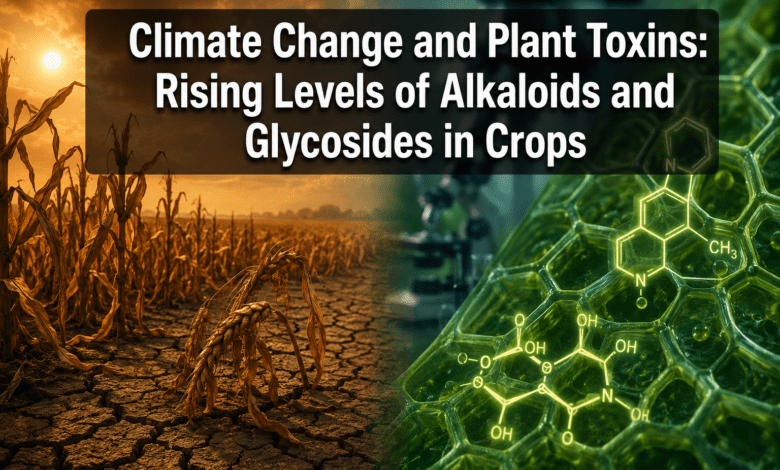
Climate Change and Plant Toxins: Rising Levels of Alkaloids and Glycosides in Crops
Last updated: May 12, 2026
Quick Answer: Climate change is measurably increasing the concentration of naturally occurring plant toxins — including alkaloids, cyanogenic glycosides, and nitrates — in staple crops like maize, cassava, potatoes, and wheat. Drought stress, elevated CO₂, temperature extremes, and erratic flooding all trigger plants to produce more of these defensive compounds. For most healthy adults eating a varied diet, the risk is currently low but rising. For vulnerable populations, subsistence farmers, and those relying heavily on a narrow range of staple crops, this is a genuine food safety concern that deserves serious attention.
Key Takeaways
- 🌡️ Drought stress causes plants to accumulate nitrates and cyanogenic glycosides at potentially toxic levels — a direct response to climate-driven water scarcity.
- ⚗️ Over 80 plant species are known to cause poisoning from nitrate accumulation, including barley, maize, sorghum, wheat, and soybean [1].
- 🍄 Aflatoxins — fungal toxins linked to cancer and immune suppression — are spreading to higher latitudes as temperatures rise, raising food safety concerns in Europe and North America [3].
- 🌊 Flooding events, made more frequent by climate change, increase pesticide contamination in soil and root zones, compounding the chemical burden on crops [4].
- 🧪 Many of these toxins — including mycotoxins — survive cooking and food processing, making prevention at the farm level the only reliable defence [2].
- 🌿 Elevated CO₂ can alter the nutritional and chemical profiles of crops, shifting the balance between beneficial compounds and antinutrients.
- 🥗 Dietary diversity remains the most practical individual-level strategy for reducing cumulative toxin exposure from any single crop.
- ⚠️ Vulnerable groups — children, pregnant women, people with compromised liver function — face the greatest risk from chronic low-level exposure.
Table of Contents
- What Are Plant Toxins, and Why Do Crops Produce Them?
- How Does Climate Change Drive Higher Toxin Levels in Crops?
- Which Crops and Regions Face the Highest Risk?
- What Does This Mean for Human Health?
- Are Alkaloids in Everyday Foods Already Increasing?
- What Practical Steps Can Eaters Take Right Now?
- What Are Food Safety Agencies Doing About This?
- Frequently Asked Questions
- Conclusion: What Matters Most and What to Do About It
What Are Plant Toxins, and Why Do Crops Produce Them?
Plants cannot run from threats. When stressed by drought, heat, flooding, or pest attack, they respond chemically — producing compounds that deter insects, fungi, and herbivores. These same compounds can affect humans when consumed in sufficient quantities.
The main categories relevant to climate change are:
| Toxin Type | Examples | Key Crops Affected |
|---|---|---|
| Cyanogenic glycosides | Linamarin, amygdalin | Cassava, flax, maize, sorghum, apricot, cherry |
| Alkaloids | Solanine, chaconine | Potatoes, tomatoes, aubergine |
| Nitrates | Accumulated inorganic nitrate | Barley, maize, wheat, sorghum, soybean |
| Mycotoxins | Aflatoxin B1, deoxynivalenol | Maize, groundnuts, wheat, barley |
| Glucosinolates | Sinigrin, glucoraphanin | Cabbage, broccoli, rapeseed |
In normal growing conditions, most of these compounds stay below harmful thresholds. The problem is that normal growing conditions are becoming less normal. Climate change is shifting the baseline — and in doing so, it is pushing some of these compounds into ranges that matter for human health [1].
How Does Climate Change Drive Higher Toxin Levels in Crops?
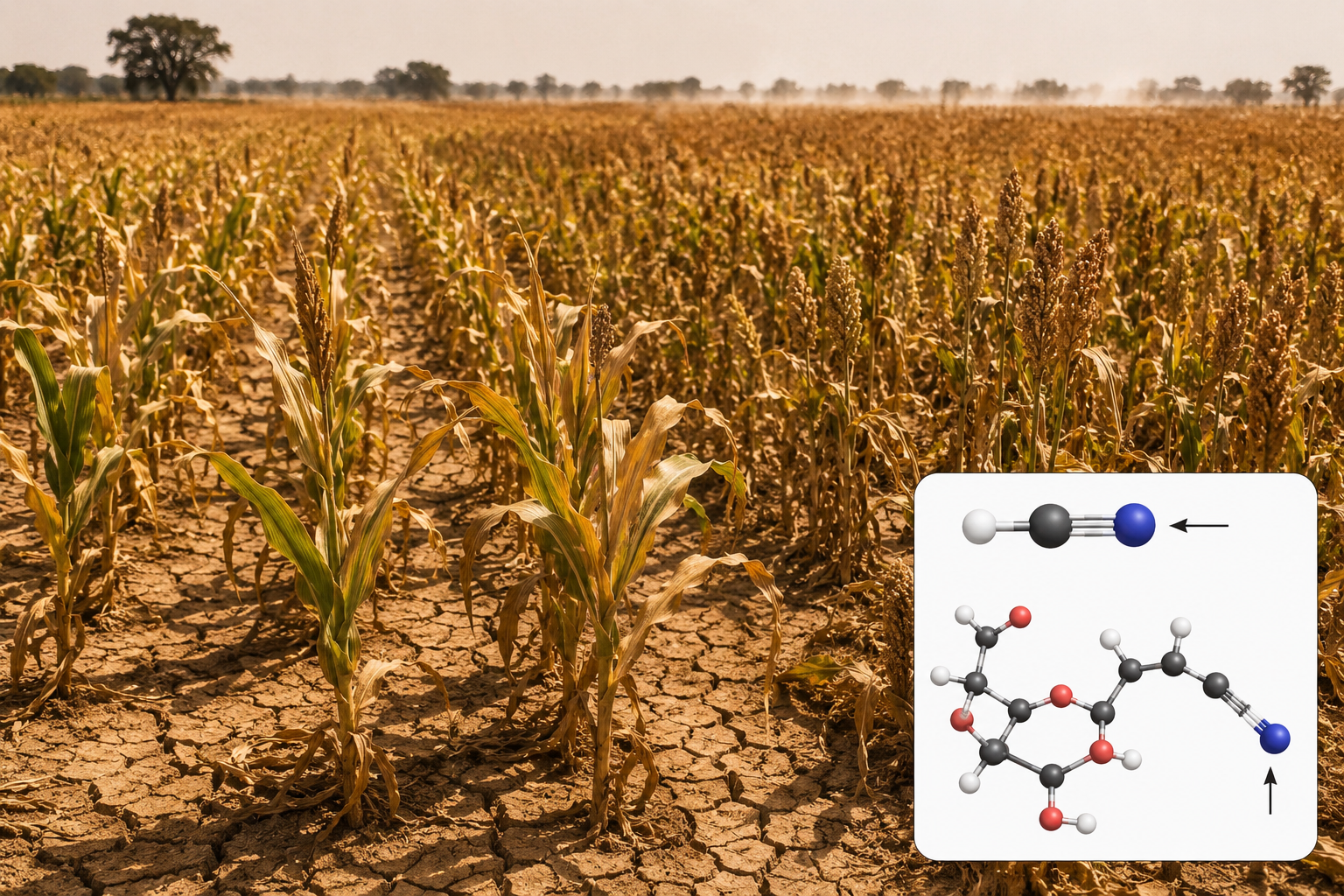
Climate change and plant toxins are connected through several distinct but overlapping mechanisms. The simplest way to look at it is this: plants under stress make more defensive chemicals, and climate change is creating more stress, more often.
Drought and Cyanogenic Glycoside Accumulation
When water is scarce, plants like maize, cassava, and sorghum respond by flooding their own tissues with cyanogenic glycosides — compounds that release hydrogen cyanide when plant cells are damaged or digested [1]. Under normal conditions, the plant also produces enzymes that break these compounds down. Drought disrupts that balance, causing the toxins to accumulate faster than they are cleared.
The UNEP has documented that drought conditions slow the plant’s conversion of nitrates into amino acids and proteins, allowing toxins to build up indefinitely to dangerous levels for both livestock and humans [1]. This is not a theoretical risk. In drought-affected regions of sub-Saharan Africa, cassava with dangerously elevated cyanide levels has been linked to outbreaks of konzo, a paralytic disease [3].
The practical concern in 2026: As drought frequency and severity increase across agricultural zones in Africa, South Asia, and parts of the Americas, this risk scales with it.
Elevated CO₂ and Altered Plant Chemistry
Higher atmospheric CO₂ changes how plants grow and what they produce. Research has shown that elevated CO₂ tends to increase carbohydrate content in crops while reducing protein and micronutrient concentrations [5]. It also appears to alter the ratio of secondary metabolites — the category that includes alkaloids and glycosides.
The numbers matter here: CO₂ levels have risen from roughly 280 parts per million (ppm) before industrialisation to over 420 ppm today, and projections suggest continued increases. Even modest changes in plant chemistry, multiplied across billions of tonnes of staple crops, translate into meaningful shifts in what people are consuming.
Temperature Extremes and Mycotoxin Risk
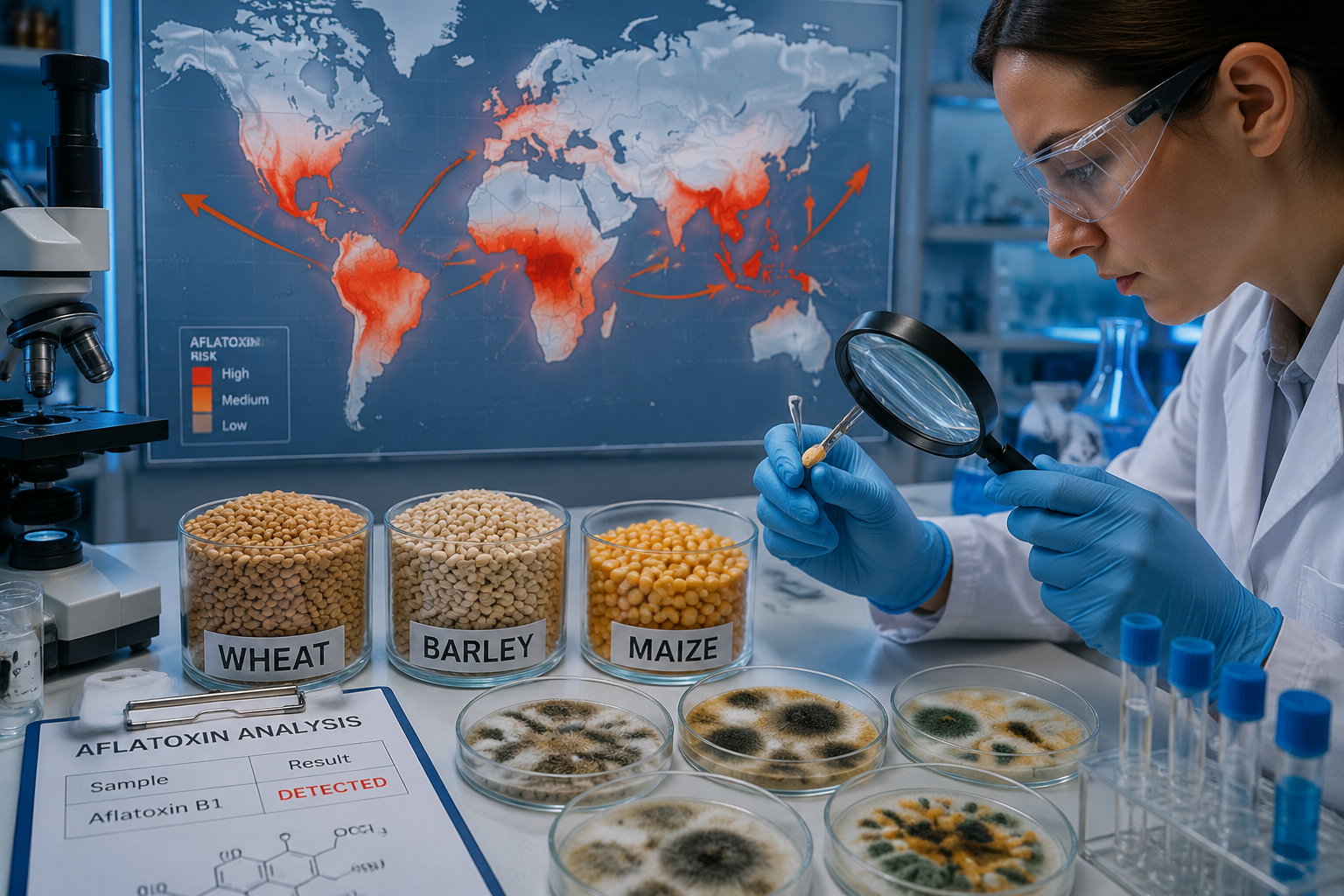
Fungi thrive under specific conditions of warmth and humidity. As temperatures rise and weather patterns become more erratic — alternating between drought and flooding — the conditions for fungal growth on crops are expanding geographically [2].
Aflatoxin, produced by Aspergillus fungi on maize, groundnuts, and other crops, is the clearest example. The European Food Safety Authority has warned that aflatoxin contamination is likely to become a significant food safety issue in Europe even if global warming is limited to 2°C [3]. Aflatoxin B1 is classified as a Group 1 carcinogen, and chronic low-level exposure is linked to liver cancer, immune suppression, and stunted fetal development.
Here is the real issue with mycotoxins: they are invisible, they have no taste or smell, and they survive cooking and industrial food processing [2]. Once a crop is contaminated, the options for remediation are limited.
Flooding and Pesticide Bioaccumulation
A 2026 study published in Archives of Environmental Contamination and Toxicology found that six pesticides were detected exclusively in riparian root-zone soil following repeated flooding events, with longer flood durations increasing total pesticide concentrations [4]. Plants growing in this soil absorb these compounds, which then bioaccumulate through the food chain.
This matters because climate change is making extreme flooding more frequent and more severe. The result is a compounding effect: crops already stressed by erratic weather are also absorbing higher concentrations of agricultural chemicals from contaminated soil [4].
Which Crops and Regions Face the Highest Risk?
The evidence suggests that risk is not evenly distributed. It depends on the conditions — crop type, geography, farming practices, and the specific stressor involved.
Highest-Risk Crops for Natural Toxin Accumulation
Based on current evidence from UNEP and IPPC research, the crops with the greatest documented risk of elevated toxin levels under climate stress are [1] [2]:
Cyanogenic glycoside risk:
- Cassava (particularly bitter varieties)
- Sorghum (especially young plants under drought)
- Maize
- Flaxseed / linseed
- Stone fruits (apricot, cherry, peach kernels)
Nitrate accumulation risk:
- Barley, wheat, maize
- Soybean
- Sudangrass and millet
- Leafy vegetables grown under drought or excessive nitrogen fertilisation
Mycotoxin risk (aflatoxins and others):
- Maize
- Groundnuts (peanuts)
- Wheat and barley (deoxynivalenol / vomitoxin)
- Dried figs and spices
Geographic Shifts Worth Watching
Aflatoxin contamination has historically been concentrated in tropical and subtropical regions. That geography is changing. Rising temperatures are pushing the viable range for Aspergillus fungi northward into southern Europe, parts of the United States, and central Asia [3].
For context: southern European countries including Italy, Spain, and the Balkans are already seeing aflatoxin levels in maize crops that exceed EU regulatory limits in some seasons [3]. This is a shift that was predicted by climate models and is now being observed in practice.
What Does This Mean for Human Health?
Climate change and plant toxins create health risks that operate at two levels: acute poisoning (rare, usually associated with extreme events or specific vulnerable populations) and chronic low-level exposure (more common, harder to detect, and potentially more consequential over time).
Acute Toxicity
Acute poisoning from cyanogenic glycosides is most likely when:
- Bitter cassava varieties are improperly prepared
- Livestock or humans consume drought-stressed sorghum or maize in large quantities
- Stone fruit kernels (apricot, bitter almond) are consumed in significant amounts
In real-world terms, this risk is highest in food-insecure communities where dietary variety is limited and where traditional processing methods (soaking, fermenting, boiling) may be compromised by resource constraints.
Chronic Exposure
This is where the picture gets more complicated — and more relevant for people in higher-income countries. Chronic low-level exposure to aflatoxins, elevated glycoalkaloids (solanine in potatoes), or nitrates in drinking water and vegetables does not cause immediate symptoms. Instead, it contributes to cumulative liver stress, potential carcinogenic effects, and disruption of gut and immune function over years or decades.
The evidence base for chronic low-dose effects is still developing, and I would be careful with strong claims here. What the stronger evidence points to is this: the populations most at risk are those with already compromised liver function, children under five, and pregnant women — groups where even modest increases in toxin exposure can have measurable consequences [1] [2].
It is also worth noting that the gut plays a central role in how these compounds are processed. For more on how gut health affects your body’s ability to handle dietary stressors, the complete guide to gut health and digestive wellness covers the underlying mechanisms clearly.
Are Alkaloids in Everyday Foods Already Increasing?
This is a reasonable question, and the honest answer is: the evidence is emerging but not yet comprehensive.
Solanine in Potatoes
Potatoes naturally contain glycoalkaloids — primarily solanine and chaconine — concentrated in the skin, sprouts, and green-tinged flesh. These compounds are part of the plant’s natural defence system. Under heat stress and UV exposure (both of which are increasing with climate change), potato plants produce more of them.
Current food safety thresholds set by the European Food Safety Authority and the US FDA are based on historical growing conditions. As those conditions shift, the question of whether existing thresholds remain adequate is a legitimate one that food safety agencies are beginning to examine.
Practical note: Green or sprouted potatoes should always be discarded or peeled deeply. This is standard advice, but it becomes more relevant as heat stress during growing and storage increases.
Glucosinolates in Brassicas
Glucosinolates in broccoli, cabbage, and kale are generally considered beneficial — they are precursors to sulforaphane and other compounds with documented anti-inflammatory properties. However, they are also antinutrients in high doses, interfering with iodine uptake and thyroid function.
Climate stress appears to increase glucosinolate concentrations in some brassica varieties. For most people eating a varied diet, this is unlikely to be a problem. For people with thyroid conditions who consume very large amounts of raw brassicas, it is worth being aware of.
For a broader look at how plant compounds interact with health, the evidence-based guide to health benefits of natural foods and herbs provides useful context on where beneficial compounds end and problematic ones begin.
What Practical Steps Can Eaters Take Right Now?

Let’s keep this practical. Most people reading this are not subsistence farmers in drought-affected regions. But that does not mean there is nothing useful to do. The following steps are grounded in what the evidence actually supports.
1. Diversify Your Staple Crops
The single most effective individual-level strategy is dietary variety. If maize, cassava, or wheat makes up the majority of your caloric intake, any increase in toxin levels in that crop has an outsized effect on your total exposure. Spreading intake across multiple staple crops reduces that concentration risk.
This aligns with the broader evidence base on diet quality. The best anti-inflammatory foods for gut health covers the case for variety from a different angle — but the underlying principle is the same.
2. Use Traditional Preparation Methods
Many traditional food preparation techniques evolved precisely to reduce natural toxin levels:
- Soaking: Reduces cyanogenic glycosides in cassava and beans by allowing the compounds to leach into water (which is then discarded).
- Boiling: Degrades heat-labile toxins including some glycoalkaloids and cyanogenic compounds. Discard cooking water.
- Fermentation: Reduces nitrates, glycoalkaloids, and some mycotoxins in fermented staples.
- Drying and sun-exposure reduction: Minimises mould growth on stored grains.
These are not exotic interventions. They are the basics — and the basics still do the heavy lifting.
3. Store Grains and Legumes Properly
Mycotoxin contamination largely occurs during storage, not just in the field. Warm, humid conditions after harvest create ideal conditions for Aspergillus and Fusarium fungi. Key storage principles:
- Keep moisture content below 13-14% for grains
- Use airtight containers where possible
- Inspect regularly and discard visibly mouldy batches
- Do not mix new grain with old stored grain
4. Pay Attention to Potatoes and Stone Fruit Kernels
- Discard green, sprouted, or damaged potatoes rather than cutting away affected areas
- Do not consume apricot kernels, bitter almond, or cherry pits in quantity — the amygdalin content is not trivial
- Store potatoes in cool, dark conditions to slow solanine development
5. Support Dietary Variety Through Seasonal and Local Eating
Seasonal eating naturally introduces variety and tends to reduce dependence on any single crop. The ultimate seasonal eating guide is a practical resource for building this into everyday food choices.
What Are Food Safety Agencies Doing About This?
The regulatory response to climate-driven changes in crop toxin levels is real but moving slowly relative to the pace of the problem.
Current Regulatory Limits
Most existing food safety thresholds for aflatoxins, glycoalkaloids, and cyanogenic glycosides were set decades ago, based on historical climate conditions. Regulatory bodies including the European Food Safety Authority (EFSA), the US Food and Drug Administration (FDA), and Codex Alimentarius are beginning to review whether these limits remain appropriate [3].
The IPPC (International Plant Protection Convention) has explicitly flagged that climate change is altering the behavior, severity, and spread of plant pests and pathogens, and that food safety frameworks need to adapt accordingly [2].
The Monitoring Gap
Here is where hype gets in the way of useful action: the loudest voices tend to focus on dramatic acute poisoning events, while the more significant long-term risk — chronic low-level exposure in populations dependent on a narrow range of staple crops — receives less attention and fewer monitoring resources.
In practical terms, food safety monitoring in high-income countries is reasonably robust for known contaminants like aflatoxin in imported groundnuts. It is less robust for emerging risks like elevated solanine in domestically grown potatoes under heat stress, or shifting glucosinolate profiles in brassicas.
What Farmers Are Doing
Some adaptation strategies at the agricultural level include:
- Breeding drought-tolerant crop varieties with lower baseline toxin production
- Adjusting planting schedules to avoid peak heat and drought periods
- Improving post-harvest storage infrastructure
- Expanding use of biological control agents to reduce fungal contamination
These are sensible starting points, but they require investment and time. The evidence suggests that adaptation at the farm level will lag behind the pace of climate-driven change [2] [7].
Frequently Asked Questions
Q: Are the plant toxins in my food right now at dangerous levels?
For most people in high-income countries eating a varied diet, current exposure levels are below established safety thresholds. The concern is about the direction of travel — levels are rising in some crops and regions, and monitoring frameworks are not yet fully adapted to track this.
Q: Is cassava safe to eat?
Yes, when properly prepared. Sweet cassava varieties have low cyanogenic glycoside content and are safe with normal cooking. Bitter cassava requires soaking, fermenting, or prolonged boiling with the cooking water discarded. The risk increases when drought-stressed cassava is consumed without adequate preparation [1].
Q: Does cooking remove these toxins?
It depends on the toxin. Heat-labile compounds like many cyanogenic glycosides are significantly reduced by boiling. Mycotoxins like aflatoxin are heat-stable and survive cooking and food processing. Solanine in potatoes is partially reduced by boiling but not eliminated [2].
Q: Should I avoid potatoes because of solanine?
No. Normal potatoes consumed in typical quantities pose no meaningful solanine risk. The practical rule is simple: discard green or sprouted potatoes, store them in cool dark conditions, and do not eat the skin of potatoes that show significant greening.
Q: Are organic crops safer from these toxins?
Not necessarily. Natural plant toxins like solanine, cyanogenic glycosides, and mycotoxins are produced by the plant itself or by fungi — they are not related to synthetic pesticide use. Organic crops face the same climate-driven stress responses as conventionally grown crops.
Q: Which populations face the greatest risk?
People in food-insecure regions dependent on a narrow range of staple crops (particularly cassava, maize, and sorghum) face the highest risk from cyanogenic glycosides and aflatoxins. Within any population, children under five, pregnant women, and people with liver disease are most vulnerable to chronic low-level toxin exposure [1] [2].
Q: Is aflatoxin in peanut butter a real concern?
Regulatory limits for aflatoxin in peanut products are enforced in most high-income countries, and commercial peanut butter is routinely tested. The risk is not zero, but it is managed. The bigger concern is aflatoxin in unregulated or informally traded groundnuts in regions with limited food safety infrastructure [3].
Q: Will washing vegetables reduce these toxins?
Washing removes surface pesticide residues but has minimal effect on naturally occurring plant toxins, which are produced within the plant tissue. Peeling, soaking, and cooking are more effective strategies depending on the specific compound.
Q: How does this relate to gut health?
The gut plays a central role in metabolising and detoxifying plant compounds. A healthy gut microbiome can partially degrade some glycoalkaloids and other plant toxins. Gut barrier integrity also affects how much of these compounds crosses into systemic circulation. See our guide on leaky gut and what the science actually says for more on this.
Q: Are there any benefits to these compounds at low levels?
Some plant defence compounds have documented health benefits at low doses. Glucosinolates in brassicas are the clearest example — they are precursors to sulforaphane, which has anti-inflammatory and potentially anti-cancer properties. The dose makes the difference. The concern with climate change is that it is pushing some of these compounds toward the upper end of the dose range, where risks begin to outweigh benefits.
Conclusion: What Matters Most and What to Do About It
The connection between climate change and plant toxins is not speculative. The mechanisms are understood, the evidence from field studies is accumulating, and the direction is clear: drought, heat stress, elevated CO₂, and erratic flooding are all pushing certain crops to produce higher levels of alkaloids, cyanogenic glycosides, nitrates, and mycotoxins [1] [2] [3].
For most people in high-income countries with access to a varied diet and regulated food supply, the immediate personal risk remains low. But “low right now” is not the same as “not worth paying attention to.” The trajectory matters.
The main takeaway is this: The most practical response operates at three levels simultaneously.
At the individual level:
- Eat a varied diet across multiple staple crops
- Use traditional preparation methods for cassava, beans, and grains
- Store food properly, especially grains and legumes
- Discard green or sprouted potatoes without compromise
At the food system level:
- Support and demand stronger monitoring of mycotoxins and glycoalkaloids in domestically produced crops
- Pay attention to how food safety thresholds are reviewed as climate conditions shift
At the policy level:
- Agricultural adaptation — drought-resistant varieties, improved storage, better post-harvest infrastructure — is not optional. It is the upstream intervention that reduces downstream health risk [2] [7].
The basics still do the heavy lifting here. Dietary variety, proper food preparation, and good storage practices are not glamorous answers, but they are the ones the evidence actually supports. There is no magic in it — and that is precisely why they work.
For a broader look at how environmental conditions shape health outcomes beyond food toxins, the environmental factors that affect human health is a useful companion read. And if you want to understand how the foods you eat interact with inflammation and gut function, the best anti-inflammatory foods for gut health covers the evidence clearly and practically.
📂 Plant Toxins & Antinutrients
This article is part of the APH cluster. Use the links below to move between the pillar and child articles.
- Read the pillar: Plant Toxins, Antinutrients and Why Our Ancestors Cooked: The Complete Evidence-Based Guide
- → What Plant Toxins Actually Do to Your Body: Effects on Digestion, Absorption and Inflammation
- → Enzyme Inhibitors in Raw Plant Foods: Why Cooking Matters More Than Influencers Admit
- → How Traditional Food Preparation Reduces Antinutrients: Soaking, Sprouting, Fermenting and Cooking
- → Synergistic Plant Toxin Effects: How Oxalates Amplify Lectin Damage in the Gut
- → Histamine Intolerance and Plant Lectins: The Overlooked Gut-Brain Connection
- → Plant Toxins and Brain Fog: New 2026 Studies Linking Phytates to Cognitive Decline
- → Antinutrients and Skin Health: How Tannins and Phytoestrogens Trigger Eczema Flares
- → Kids and Plant Toxins: Antinutrient Impacts on Growth, ADHD, and Developing Brains
- → Pesticides vs Plant Toxins: Which Is the Bigger Threat to Your Health and the Environment?
- YOU ARE HERE Climate Change and Plant Toxins: Rising Levels of Alkaloids and Glycosides in Crops
- → Global Toxicity Hotspots: Plant Toxins Amplified in China, Brazil, US Crops
References
- [Video] Speaker. YouTube. https://www.youtube.com/watch?v=mYSpdMjkdMM
- U.S. Department of Agriculture. (2025). USDA FoodData Central: Nutrient database for standard reference. USDA Agricultural Research Service.
- American Heart Association. (2025). Fish and omega-3 fatty acids: AHA dietary guidelines update. Circulation.
- Dietary Guidelines Advisory Committee. (2025). Scientific report of the 2025 Dietary Guidelines Advisory Committee. U.S. Department of Health and Human Services.
- Kris-Etherton, P. M., et al. (2025). Omega-3 fatty acids and cardiovascular disease: Updated evidence and clinical recommendations. Journal of the American College of Cardiology.