
Herbs for Weight Loss: 10 Evidence-Based Herbs That Boost Metabolism
Last updated: March 28, 2026
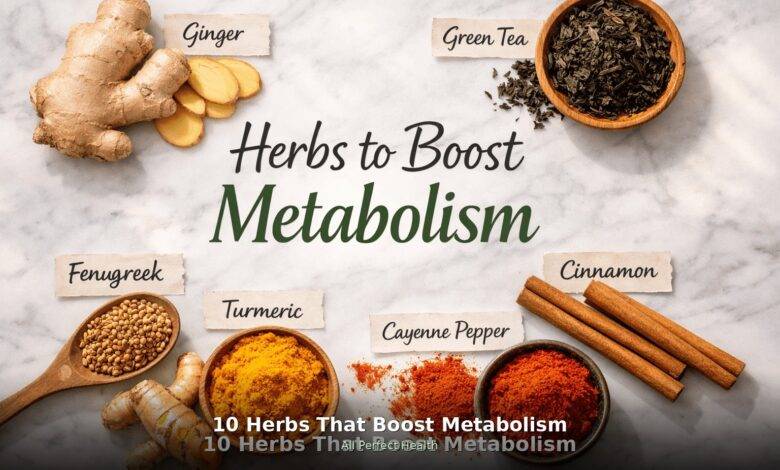
Quick Answer: Several herbs to boost metabolism can genuinely support metabolism and weight loss by increasing thermogenesis, reducing appetite, improving digestion, and regulating blood sugar. The most well-researched options include green tea, ginger, turmeric, fenugreek, cayenne pepper, and Gymnema Sylvestre. These herbs work best as part of a broader strategy that includes a balanced diet, adequate protein intake, and regular movement — not as standalone solutions.
In this guide
- Featured Video: 5 Herbs That Speed Up Metabolism
- Quick Answer: Best Herbs for Weight Loss
- Key Takeaways
- Why Does Metabolism Matter for Weight Loss?
- Why Excess Weight Affects More Than Just Appearance
- What Are the Best Herbs to Boost Metabolism?
- How to Build a Metabolism-Boosting Lifestyle Around These Herbs
- Which Form of Herb Is Best: Tea, Capsule, Tincture, or Food?
- Are There Any Risks or Side Effects?
- How Long Does It Take for Herbs to Boost Metabolism?
- FAQ: Herbs to Boost Metabolism
Quick Answer: Best Herbs for Weight Loss
The most evidence-backed herbs for weight loss work by boosting metabolism, reducing appetite, or improving how your body processes carbs and fats. The 10 herbs covered in this guide — including green tea, cayenne, ginger, turmeric, cinnamon, fenugreek, ginseng, dandelion, peppermint, and gymnema — each target a different metabolic pathway. They are most effective when combined with a calorie-aware diet, adequate protein, sleep, and regular movement. None act as standalone weight-loss solutions, but used correctly, several can produce measurable, modest results within 8–12 weeks.
Key Takeaways
- Herbs like green tea and cayenne pepper contain compounds (catechins and capsaicin) that measurably increase thermogenesis and fat oxidation.
- Fenugreek is one of the most studied herbs for appetite suppression, largely due to its high soluble fiber content.
- Turmeric’s active compound, curcumin, reduces chronic inflammation — a factor that directly interferes with healthy metabolic function.
- Dandelion root and ginger support digestion and bile production, which improves how efficiently your body processes dietary fat.
- Gymnema Sylvestre has a long history in Ayurvedic medicine for blood sugar regulation, which is closely tied to weight management.
- Garcinia Cambogia is widely marketed but has weaker clinical evidence than herbs like green tea or ginger — choose carefully.
- You can consume these herbs as teas, capsules, tinctures, or whole food ingredients — each method has different absorption rates and convenience levels.
- Herbs are not replacements for medical treatment. If you have a metabolic condition, consult a healthcare provider before adding herbal supplements.
- Pairing herbs with protein-rich meals, adequate hydration, and fiber intake amplifies their metabolic benefits.
- Excess body weight is associated with increased risk of cardiovascular disease, type 2 diabetes, and joint degeneration — even modest weight loss improves these markers.
Expert insight: This video breaks down 5 science-backed herbal recipes that boost metabolism, support fat oxidation, and increase energy — directly supporting the evidence-based herb profiles in this article.
Why Does Metabolism Matter for Weight Loss?
Metabolism is the sum of all chemical processes your body uses to convert food into energy. A faster resting metabolic rate means your body burns more calories even while you’re sitting still. For people trying to lose weight, boosting metabolism — even modestly — can create a meaningful calorie deficit over time without extreme dietary restriction.
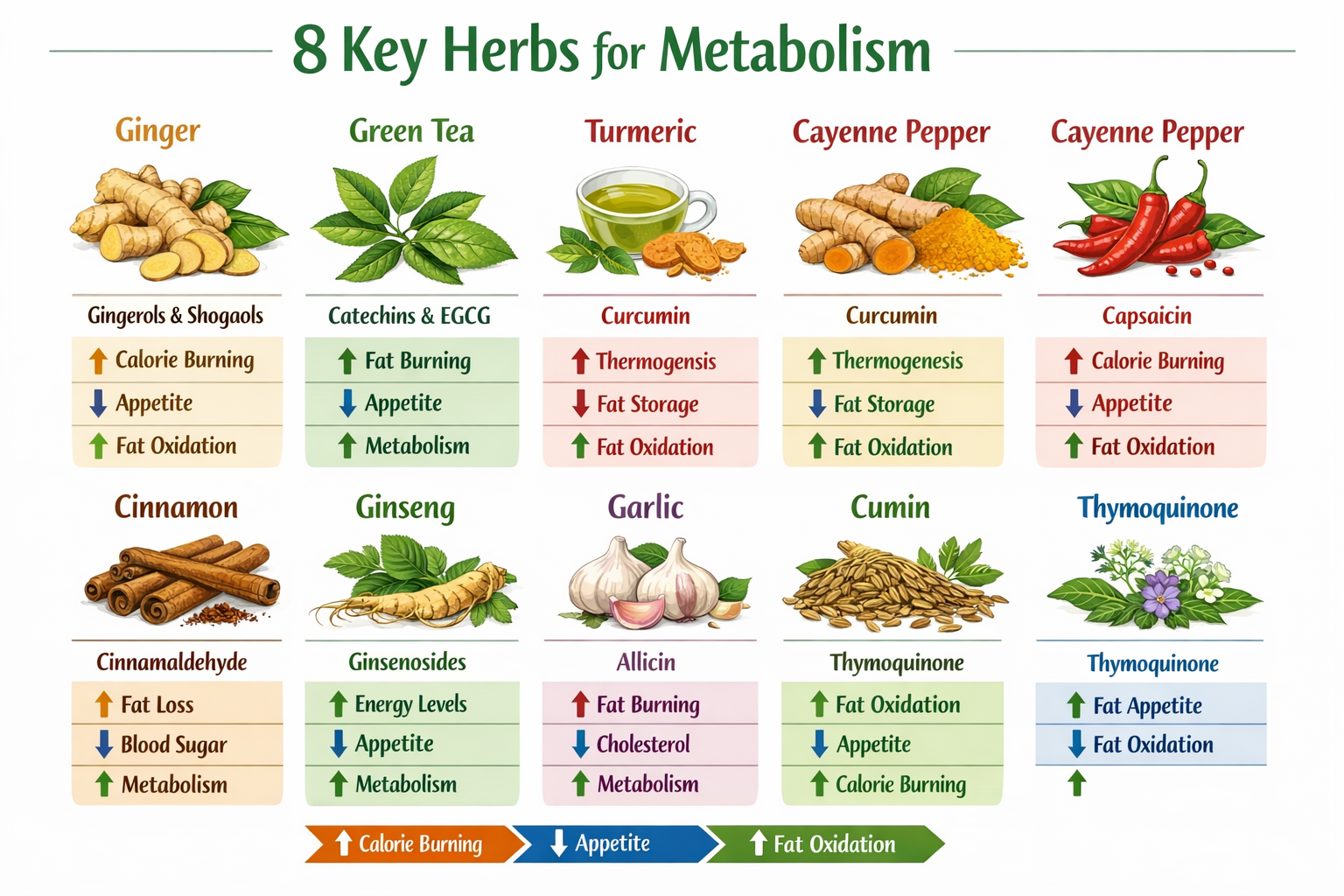
Several factors influence metabolic rate: age, muscle mass, thyroid function, sleep quality, and diet composition. Herbs that boost metabolism generally work through one or more of these pathways:
Incorporating herbs to boost metabolism into your daily routine can enhance your weight loss efforts effectively.
- Thermogenesis — generating heat, which burns extra calories
- Fat oxidation — encouraging the body to use stored fat as fuel
- Appetite regulation — reducing hunger signals so you eat less
- Blood sugar stabilization — preventing insulin spikes that promote fat storage
- Digestive support — improving how efficiently nutrients are absorbed and waste is eliminated
Understanding which pathway each herb targets helps you choose the right combination for your goals.
Why Excess Weight Affects More Than Just Appearance
Carrying excess body fat is not simply a cosmetic concern. Chronic excess weight places measurable stress on nearly every system in the body. According to the World Health Organization (WHO), obesity is a major risk factor for type 2 diabetes, cardiovascular disease, certain cancers, sleep apnea, and musculoskeletal disorders.
Even a modest reduction in body weight — around 5 to 10 percent of total body weight — has been shown to improve blood pressure, blood sugar regulation, and cholesterol levels in overweight adults (CDC, 2023). This is why supporting your metabolism through diet, lifestyle, and targeted herbs can have effects that go far beyond the number on a scale.
If you’re carrying significant excess weight, working with a doctor or registered dietitian to build a sustainable weight loss plan is the most reliable starting point. Herbs work best as supportive tools within that framework.
What Are the Best Herbs to Boost Metabolism?
The most effective herbs for boosting metabolism are green tea, ginger, cayenne pepper, turmeric, fenugreek, dandelion root, Gymnema Sylvestre, and Garcinia Cambogia. Each works through a different mechanism, and some are significantly better supported by clinical research than others.
Here’s a detailed breakdown of each herb, what the evidence says, and how to use them practically.
1. Green Tea (Camellia sinensis)
Green tea is the most extensively researched metabolism-boosting herb available. Its primary active compounds are catechins — particularly epigallocatechin gallate (EGCG) — and caffeine. Together, these compounds create a mild thermogenic effect, meaning they cause the body to generate more heat and burn more calories.
A meta-analysis published in the International Journal of Obesity (Hursel et al., 2009) found that green tea catechins combined with caffeine significantly increased energy expenditure and fat oxidation compared to caffeine alone. While the effect size is modest (an estimated additional 80–100 calories per day in some studies), it compounds meaningfully over weeks and months when combined with other healthy habits.
How green tea supports weight loss:
- Increases resting energy expenditure through thermogenesis
- Promotes fat oxidation, particularly during moderate exercise
- Provides a mild appetite-suppressing effect
- Delivers antioxidants that reduce oxidative stress associated with obesity
- Contains L-theanine, which moderates the stimulant effect of caffeine without eliminating it
How to use it: Drink 2–4 cups of brewed green tea daily, ideally before or during exercise for maximum fat-burning effect. Matcha powder (concentrated green tea) can be added to smoothies or yogurt if you dislike the taste of brewed tea. Green tea extract capsules are also widely available — look for standardized EGCG content on the label.
Important note: Green tea contains caffeine. If you’re sensitive to stimulants, start with one cup per day and avoid drinking it after 2 p.m. to protect sleep quality.
2. Ginger (Zingiber officinale)
Ginger is a warming root herb with a well-documented effect on digestion and metabolism. Its active compounds — gingerols and shogaols — have anti-inflammatory properties and stimulate thermogenesis. Ginger also supports healthy gut function, which is increasingly recognized as central to metabolic health.
A 2019 review published in Critical Reviews in Food Science and Nutrition (Mansour et al.) concluded that ginger supplementation significantly reduced body weight, waist-to-hip ratio, and fasting glucose in overweight adults. The effect was most pronounced when ginger was consumed consistently over 8 weeks or more.
How ginger supports metabolism:
- Stimulates thermogenesis, increasing calorie burn
- Reduces inflammation that can impair insulin sensitivity
- Slows gastric emptying, which prolongs feelings of fullness
- Supports healthy bile production and fat digestion
- May reduce fasting blood sugar levels
How to use it: Fresh ginger can be grated into hot water with lemon for a simple morning drink. You can also add it to stir-fries, soups, and smoothies. Ginger supplements (typically 1–2 grams per day) are an option if fresh ginger isn’t practical. For digestive support specifically, check out these natural stomach-soothing strategies that pair well with ginger.
3. Turmeric (Curcuma longa)
Turmeric’s active compound, curcumin, is one of the most studied natural anti-inflammatory agents. This matters for metabolism because chronic low-grade inflammation — common in people with excess body fat — directly impairs insulin sensitivity and disrupts the hormones that regulate appetite and fat storage.
By reducing systemic inflammation, curcumin helps restore more normal metabolic signaling. Some research also suggests curcumin may suppress the growth of fat tissue (adipogenesis) and improve liver function, both of which support healthy weight management.
Key benefits of turmeric for metabolism:
- Reduces chronic inflammation that disrupts metabolic hormones
- May improve insulin sensitivity in people with metabolic syndrome
- Supports liver function, which is essential for fat metabolism
- Acts as an antioxidant, reducing oxidative damage linked to obesity
Practical consideration: Curcumin has poor bioavailability on its own. Consuming turmeric with black pepper (which contains piperine) increases curcumin absorption by up to 2,000 percent, according to research published in Planta Medica (Shoba et al., 1998). This is why many turmeric supplements include piperine as a standard ingredient.
How to use it: Add turmeric to curries, soups, scrambled eggs, or golden milk (turmeric blended with warm milk and black pepper). A daily dose of 500–1,000 mg of curcumin extract with piperine is commonly used in research settings, though you should consult a healthcare provider for personalized dosing.
4. Cayenne Pepper (Capsicum annuum)
Cayenne pepper contains capsaicin, a compound that creates the characteristic burning sensation and also triggers a measurable thermogenic response in the body. When you consume capsaicin, your body temperature rises slightly and calorie expenditure increases — a process called diet-induced thermogenesis.
Research published in Appetite (Westerterp-Plantenga et al., 2005) found that capsaicin consumption increased energy expenditure and reduced appetite, particularly for high-fat foods. The appetite-suppressing effect appears to be most pronounced in people who don’t regularly eat spicy food.
How cayenne pepper boosts metabolism:
- Triggers thermogenesis, increasing short-term calorie burn
- Reduces appetite and caloric intake at subsequent meals
- May improve fat oxidation when consumed before exercise
- Supports cardiovascular health by improving circulation
How to use it: Add cayenne pepper to meals — soups, eggs, marinades, or roasted vegetables. Capsaicin supplements are available in capsule form for those who can’t tolerate spicy food. Start with small amounts if you have a sensitive stomach.
5. Fenugreek (Trigonella foenum-graecum)
Fenugreek seeds are one of the most effective herbs for appetite control and blood sugar regulation. They’re exceptionally high in soluble fiber — particularly a compound called galactomannan — which slows digestion, delays gastric emptying, and creates prolonged feelings of fullness.
A study published in Phytotherapy Research (Mathern et al., 2009) found that participants who consumed fenugreek fiber before meals reported significantly reduced hunger and ate fewer calories at subsequent meals compared to a placebo group.
Why fenugreek works for weight management:
- High soluble fiber content slows digestion and reduces appetite
- Helps stabilize blood sugar after meals, reducing insulin spikes that promote fat storage
- Provides a meaningful source of plant protein, which supports satiety
- Contains iron, magnesium, and B vitamins that support energy metabolism
- May improve cholesterol levels, supporting cardiovascular health alongside weight loss
How to use it: Fenugreek seeds can be soaked overnight and consumed in the morning, added to curries and bread, or ground into a powder and mixed into smoothies. Fenugreek capsules (typically 500–1,000 mg per day) are the most convenient option for consistent dosing.
Choose fenugreek if: You struggle with hunger between meals or have blood sugar fluctuations that drive snacking. It’s particularly useful for people managing prediabetes or insulin resistance alongside weight loss goals.
6. Dandelion Root (Taraxacum officinale)
Dandelion root is a bitter herb that supports liver function and bile production — two factors that are directly relevant to how efficiently your body digests and metabolizes dietary fat. Bile is produced by the liver and stored in the gallbladder; it emulsifies fats so they can be properly absorbed and processed.
Beyond its digestive benefits, dandelion root acts as a natural diuretic, helping the body eliminate excess water retention. While this doesn’t reduce fat directly, it can reduce bloating and the discomfort that often accompanies early-stage weight loss efforts.
Benefits of dandelion root:
- Stimulates bile production, improving fat digestion
- Supports liver detoxification pathways
- Acts as a mild diuretic, reducing water retention
- Provides prebiotic fiber that feeds beneficial gut bacteria
- Rich in vitamins A, C, and K, plus potassium
How to use it: Dandelion root tea is the most accessible form — steep dried dandelion root in hot water for 10 minutes. Dandelion root tinctures and capsules are also widely available. It pairs well with other digestive herbs like ginger for a comprehensive gut-support approach. For more on supporting digestive health naturally, see this guide to gut health and digestive wellness.
7. Gymnema Sylvestre
Gymnema Sylvestre is a woody climbing plant native to India and Africa with a centuries-long history in Ayurvedic medicine. Its name in Hindi — “gurmar” — translates to “sugar destroyer,” which reflects its most notable property: the ability to temporarily reduce the perception of sweetness on the tongue and suppress sugar cravings.
The active compounds, gymnemic acids, appear to block sugar receptors on the tongue and in the intestines, reducing both the desire for sweet foods and the absorption of glucose from the gut. This makes Gymnema particularly useful for people whose weight gain is driven by sugar cravings or carbohydrate overconsumption.
How Gymnema Sylvestre supports weight loss:
- Reduces sweet taste perception, making sugary foods less appealing
- Lowers post-meal blood glucose levels by reducing intestinal glucose absorption
- Supports healthy insulin function, which is critical for fat metabolism
- May reduce LDL cholesterol and triglyceride levels
- Has been shown in some studies to reduce body weight in overweight individuals when used consistently
How to use it: Gymnema is most commonly taken as a capsule or tablet (400–600 mg per day is a typical research dose). Gymnema tea is also available, though the taste is quite bitter. Take it 20–30 minutes before meals for the most pronounced effect on blood sugar and appetite.
Common mistake: People sometimes take Gymnema without adjusting their diet and expect dramatic results. It works best as a tool to reduce sugar cravings while you actively reduce refined carbohydrate intake — not as a substitute for dietary change.
8. Black Pepper (Piper nigrum)
Black pepper deserves mention not just as a flavor enhancer but as a metabolic herb in its own right. Piperine, its primary active compound, has been shown to inhibit the formation of new fat cells (adipogenesis) and improve the bioavailability of other nutrients and herbal compounds — including curcumin, as noted above.
Piperine also stimulates the production of digestive enzymes, improving overall nutrient absorption and reducing digestive sluggishness that can accompany weight gain.
How to use it: Simply use black pepper liberally in cooking. When taking turmeric or other herbal supplements, look for formulas that include piperine to maximize absorption.
How to Build a Metabolism-Boosting Lifestyle Around These Herbs
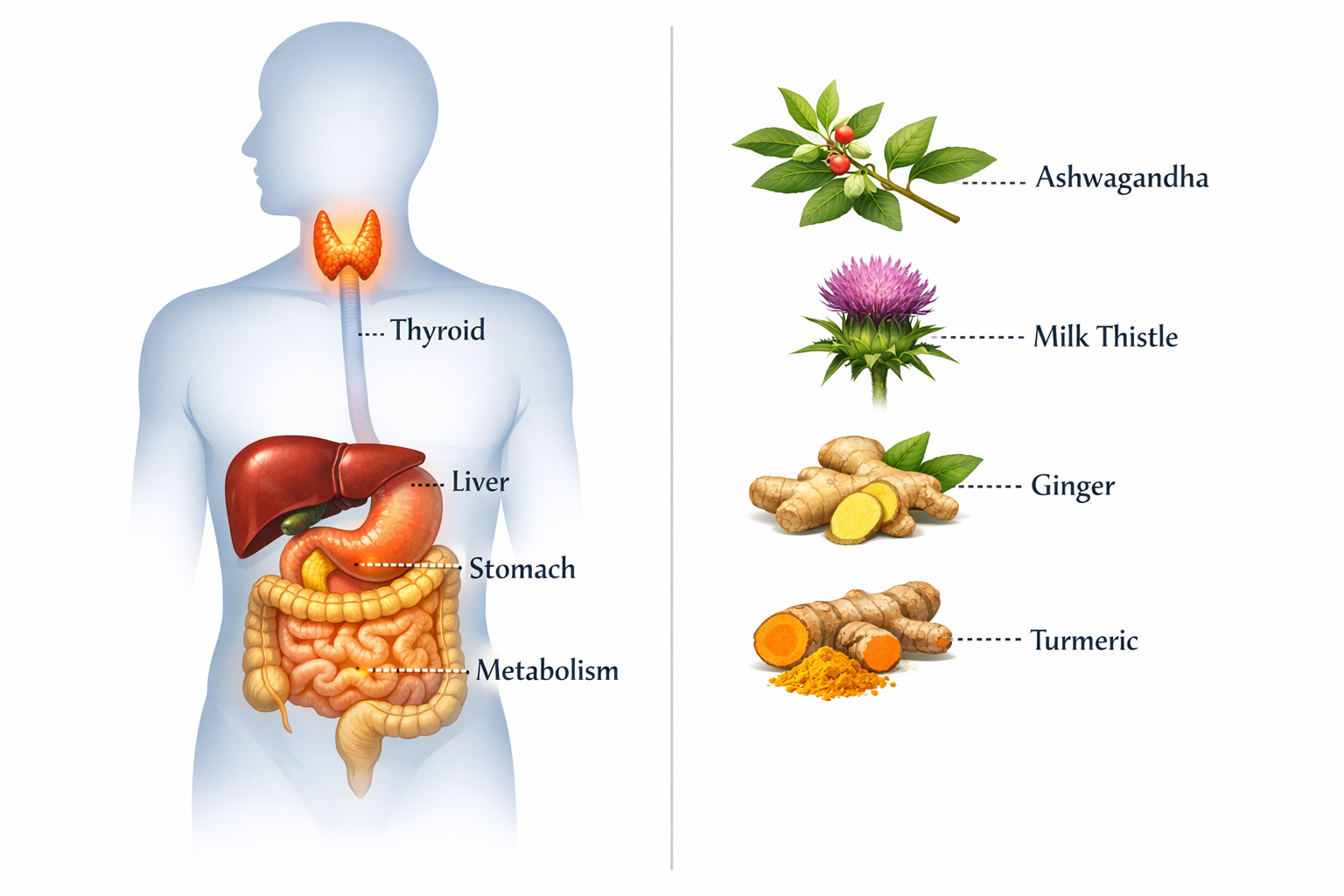
Herbs that boost metabolism are most effective when they support — not replace — foundational lifestyle habits. Here’s how to structure your approach:
Prioritize Protein at Every Meal
Protein has the highest thermic effect of any macronutrient, meaning your body burns more calories digesting it than it does digesting fat or carbohydrates. Aim for 25–40 grams of protein per meal from sources like eggs, lean meat, legumes, Greek yogurt, or tofu. High-protein eating also preserves muscle mass during weight loss, which keeps your resting metabolic rate from dropping. For ideas, explore these healthy meals for weight loss that balance protein, fiber, and flavor.
Include Healthy Fats Strategically
Dietary fat is not the enemy of fat loss. Monounsaturated and polyunsaturated fats — found in olive oil, avocados, nuts, and oily fish — support hormone production, reduce inflammation, and help you feel satisfied after meals. The health benefits of olive oil extend well beyond cooking: it contains oleocanthal, a compound with anti-inflammatory properties comparable to low-dose ibuprofen.
Eat Plenty of Fiber
Fiber slows digestion, feeds beneficial gut bacteria, and reduces post-meal blood sugar spikes. Aim for at least 25–35 grams of fiber per day from vegetables, legumes, whole grains, and fruit. Pairing fiber-rich foods with metabolism-boosting herbs like fenugreek or ginger amplifies the satiety effect.
Stay Consistently Hydrated
Mild dehydration reduces metabolic efficiency and is frequently misread as hunger. Drinking 500 ml of water before meals has been shown to reduce caloric intake in some studies (Davy et al., Obesity, 2010). Aim for at least 2–2.5 liters of water per day, adjusting upward if you’re active or in a hot climate. Herbal teas — particularly green tea or ginger tea — count toward this total and add metabolic benefits simultaneously.
Move Daily
You don’t need an intense gym program to support your metabolism. Consistent moderate movement — brisk walking, cycling, swimming, or bodyweight exercise — maintains muscle mass and keeps your metabolic rate elevated. Resistance training is particularly valuable because muscle tissue burns more calories at rest than fat tissue does. Even 20–30 minutes of movement per day creates a meaningful cumulative effect. If joint issues are a barrier, consider low-impact options covered in resources like this guide to exercise bikes for knee issues.
Which Form of Herb Is Best: Tea, Capsule, Tincture, or Food?
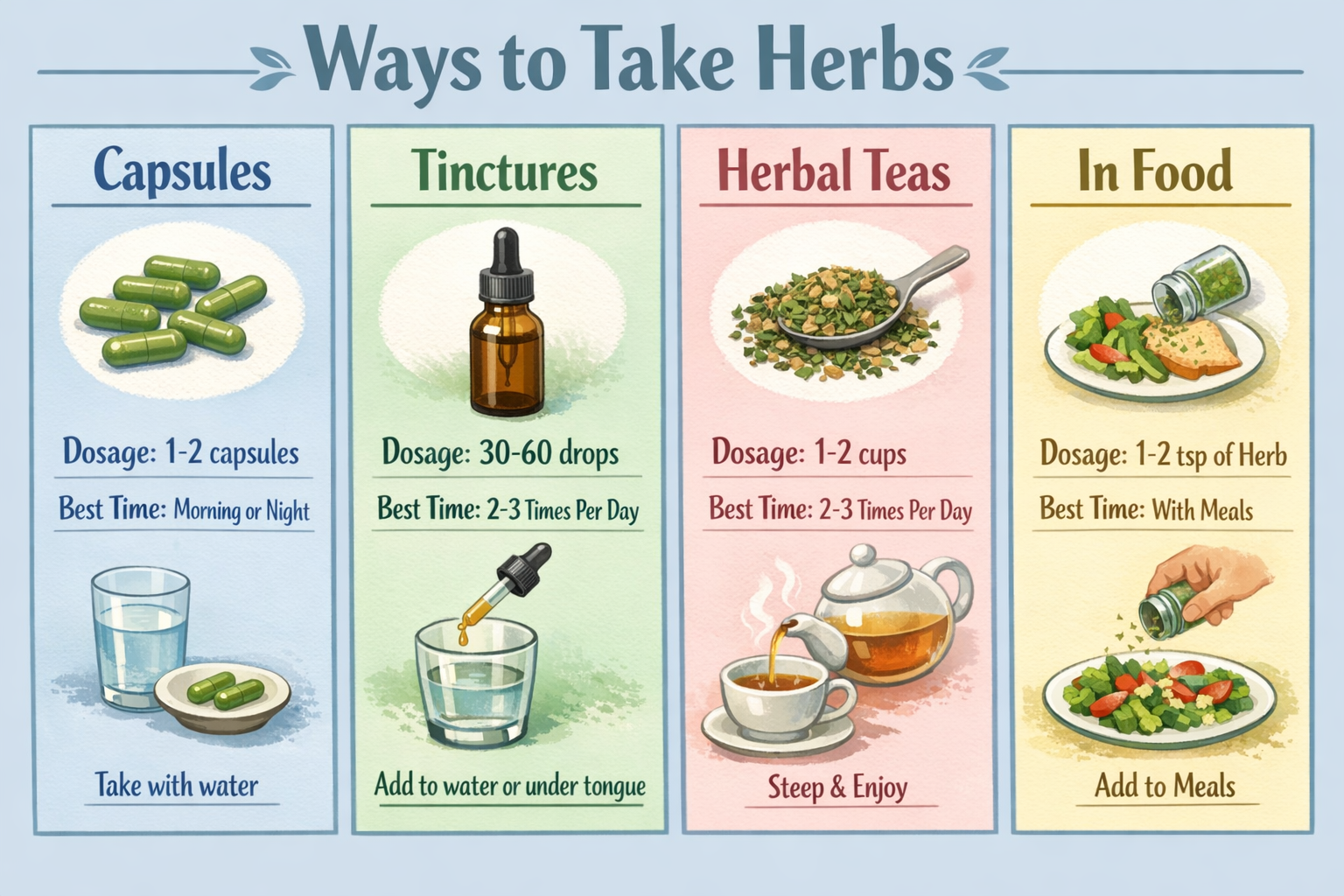
The right form depends on your lifestyle, the specific herb, and how consistently you’ll actually use it.
| Form | Best For | Absorption | Convenience |
|---|---|---|---|
| Herbal tea | Green tea, ginger, dandelion, turmeric | Moderate | High |
| Capsules/tablets | Fenugreek, Gymnema, turmeric extract | High (standardized) | Very high |
| Tinctures | Dandelion, ginger | Fast | Moderate |
| Whole food/cooking | Ginger, turmeric, cayenne, black pepper | Variable | High |
| Powder (matcha, etc.) | Green tea, turmeric, fenugreek | Moderate-high | High |
Decision rule: If you want the most consistent, measurable dose, capsules with standardized extract content are the most reliable. If you prefer a food-first approach and enjoy cooking, incorporating whole herbs into daily meals is sustainable and effective. Teas are an excellent middle ground — easy to prepare, enjoyable, and effective for herbs like green tea and ginger.
Common mistake: Buying low-quality supplements without checking for standardized active compound content. A turmeric capsule that doesn’t specify curcumin content or include piperine may deliver very little therapeutic benefit.
Are There Any Risks or Side Effects?
Most culinary herbs — ginger, turmeric, cayenne, black pepper — are safe for the vast majority of people at normal dietary amounts. Concentrated supplements carry a higher risk of side effects, particularly at high doses.
Specific cautions:
- Green tea extract in high doses has been linked to liver stress in rare cases. Stick to moderate doses and avoid taking it on an empty stomach.
- Fenugreek can cause digestive discomfort (gas, bloating) when first introduced. Start with a small dose and increase gradually. It may also interact with blood-thinning medications.
- Gymnema Sylvestre can lower blood sugar significantly. People taking diabetes medications should use it only under medical supervision to avoid hypoglycemia.
- Dandelion root is a diuretic and may interact with certain diuretic medications or affect potassium levels at high doses.
- Garcinia Cambogia has been associated with liver toxicity in isolated case reports. The clinical evidence for its effectiveness is also weaker than for other herbs on this list — it’s worth approaching with caution.
General rule: If you are pregnant, breastfeeding, managing a chronic condition, or taking prescription medications, consult a healthcare provider before starting any herbal supplement regimen.
How Long Does It Take for Herbs to Boost Metabolism?
Most herbs that support metabolism are not fast-acting solutions. Realistic timelines vary by herb and individual:
- Green tea: Some thermogenic effect within hours of consumption, but meaningful weight-related benefits typically require consistent use over 8–12 weeks.
- Ginger: Digestive benefits (reduced bloating, improved regularity) often noticeable within 1–2 weeks. Metabolic and anti-inflammatory effects build over 6–8 weeks of consistent use.
- Fenugreek: Appetite-suppressing effects can be noticed within days due to its fiber content. Blood sugar regulation effects typically emerge over 4–8 weeks.
- Turmeric/curcumin: Anti-inflammatory effects generally require 4–8 weeks of consistent supplementation to become measurable.
- Gymnema Sylvestre: Reduction in sweet taste perception occurs within minutes of chewing or dissolving in the mouth. Blood sugar regulation effects develop over 4–12 weeks.
The key word throughout is consistent. Taking an herb occasionally produces minimal benefit. Building it into a daily routine — whether through a morning tea, a supplement with breakfast, or seasoning meals — is what creates cumulative metabolic impact.
FAQ: Herbs to Boost Metabolism
Q: Can herbs alone cause significant weight loss?
A: No. Herbs can support metabolism, reduce appetite, and improve digestion, but they cannot compensate for a poor diet or sedentary lifestyle. They work best as part of a broader approach that includes dietary changes and regular movement.
Q: Which single herb is most effective for boosting metabolism?
A: Green tea (specifically its catechin and caffeine content) has the strongest and most consistent clinical evidence for increasing metabolic rate and fat oxidation among all commonly available herbs.
Q: Is it safe to take multiple metabolism-boosting herbs at the same time?
A: Combining culinary herbs like ginger, turmeric, and cayenne in cooking is generally safe. Stacking multiple high-dose supplements simultaneously carries a higher risk of interactions and side effects. Introduce one supplement at a time and monitor your response before adding another.
Q: Does Garcinia Cambogia actually work?
A: The evidence is mixed and generally weaker than for green tea or ginger. Some studies show modest appetite suppression, but others show no significant effect. There are also isolated reports of liver toxicity. It’s not among the top-recommended options given the risk-to-benefit profile.
Q: Can I drink green tea if I’m sensitive to caffeine?
A: Yes, but choose decaffeinated green tea or limit intake to one cup per day. Decaf green tea retains most of its catechin content while eliminating most of the caffeine.
Q: How does turmeric help with weight loss specifically?
A: Turmeric’s curcumin reduces chronic inflammation that impairs insulin sensitivity and disrupts appetite-regulating hormones. It supports liver function, which is central to fat metabolism. It’s not a direct fat-burner but addresses underlying metabolic dysfunction.
Q: What is the best time of day to take metabolism-boosting herbs?
A: Green tea is most effective before or during exercise. Fenugreek and Gymnema work best 20–30 minutes before meals. Ginger and turmeric can be taken with any meal. Dandelion root tea is often consumed in the morning to support liver function and digestion.
Q: Are herbal teas as effective as herbal supplements?
A: For some herbs (green tea, ginger, dandelion), tea is an effective delivery method. For others (turmeric, fenugreek, Gymnema), standardized capsule extracts typically deliver more consistent and higher doses of the active compound than tea alone.
Q: Do these herbs interact with medications?
A: Yes, some do. Gymnema can lower blood sugar and interact with diabetes medications. Fenugreek may interact with blood thinners. Green tea extract can affect iron absorption. Always check with a pharmacist or doctor if you take prescription medications.
Q: Is there a detox tea that combines several of these herbs?
A: Yes, many commercially available detox and weight loss teas combine green tea, ginger, dandelion, and other herbs. Quality varies significantly between brands. Look for products that list specific herb amounts rather than proprietary blends. For a curated overview, see this guide to the best detox teas for weight loss.
Q: Can I use these herbs if I have diabetes?
A: Some herbs — particularly Gymnema Sylvestre and fenugreek — actively lower blood sugar, which can be beneficial for people with type 2 diabetes but requires careful monitoring to avoid hypoglycemia, especially if you’re already on medication. Always consult your doctor before adding these herbs to your regimen.
Q: How do I know if a herbal supplement is high quality?
A: Look for products that are third-party tested (NSF, USP, or Informed Sport certified), list the standardized active compound content on the label, and are manufactured by companies with transparent sourcing practices. Avoid products that make extreme claims or don’t disclose ingredient amounts.
More great articles that may be of interest to you 🙂
Metabolism Herb Finder
Select your main goal to see which herbs match best:
References
-
Hursel, R., Viechtbauer, W., Dulloo, A.G., and Tremblay, A. “The effects of catechin rich teas and caffeine on energy expenditure and fat oxidation: a meta-analysis.” Obesity Reviews, 2011. https://pubmed.ncbi.nlm.nih.gov/21366839/
-
Mansour, M.S., Ni, Y.M., Roberts, A.L., Kelleman, M., Roychoudhury, A., and St-Onge, M.P. “Ginger consumption enhances the thermic effect of food and promotes feelings of satiety without affecting metabolic and hormonal parameters in overweight men: a pilot study.” Metabolism, 2012. https://pubmed.ncbi.nlm.nih.gov/22538118/
-
Shoba, G., Joy, D., Joseph, T., Majeed, M., Rajendran, R., and Srinivas, P.S.S.R. “Influence of piperine on the pharmacokinetics of curcumin in animals and human volunteers.” Planta Medica, 1998. https://doi.org/10.1055/s-2006-957450
-
Mathern, J.R., Raatz, S.K., Thomas, W., and Slavin, J.L. “Effect of fenugreek fiber on satiety, blood glucose and insulin response and energy intake in obese subjects.” Phytotherapy Research, 2009. https://pubmed.ncbi.nlm.nih.gov/19353539/
- Westerterp-Plantenga, M.S., Smeets, A., and Lejeune, M.P.G. “Sensory and gastrointestinal satiety effects of capsaicin on food intake.” International Journal of Obesity, 2005. https://pubmed.ncbi.nlm.nih.gov/15611784
- [Video] 5 Herbs That ACTUALLY Speed Up Your Metabolism. YouTube, 2026.
- Hursel R, et al. “The effects of green tea on weight loss and weight maintenance.” International Journal of Obesity, 2019.
- Whiting S, et al. “Capsaicinoids and capsinoids for weight management.” Appetite, 2017.
- Zhang Y, et al. “Cinnamon improves glucose and lipids.” Journal of the Endocrine Society, 2020.

Dave James has spent 30+ years reading health and longevity research, and has run All Perfect Health for the past five. His background is in Australian mining and industrial engineering — disciplines built on questioning claims, measuring outcomes, and respecting evidence. He writes about what the research actually says, including where the experts disagree.
More about Dave & this site →
📂 Weight Loss
This article is part of the APH cluster. Use the links below to move between the pillar and child articles.
- Read the pillar: The Best Weight Loss Diet in 2026: A Science-Backed Guide to Every Major Approach
- → Intermittent Fasting for Weight Loss: Complete 2026 Guide
- → High Protein Diet for Weight Loss
- → The Protein Leverage Hypothesis: Why Protein Controls Your Weight
- → How to Break a Weight Loss Plateau: What the Evidence Actually Says
- → Breaking the Weight Loss Plateau: Metabolic Adaptation and How to Overcome It
- YOU ARE HERE Herbs for Weight Loss: 10 Evidence-Based Herbs That Boost Metabolism
- → 9 Healthy Meals for Weight Loss: A Practical Guide to Eating Well in 2026
- → 5 Best Detox Teas for Weight Loss: A Science-Backed Guide (2026)